DbcultAccessing Vault...
Cult Review
Senior Film Conservator
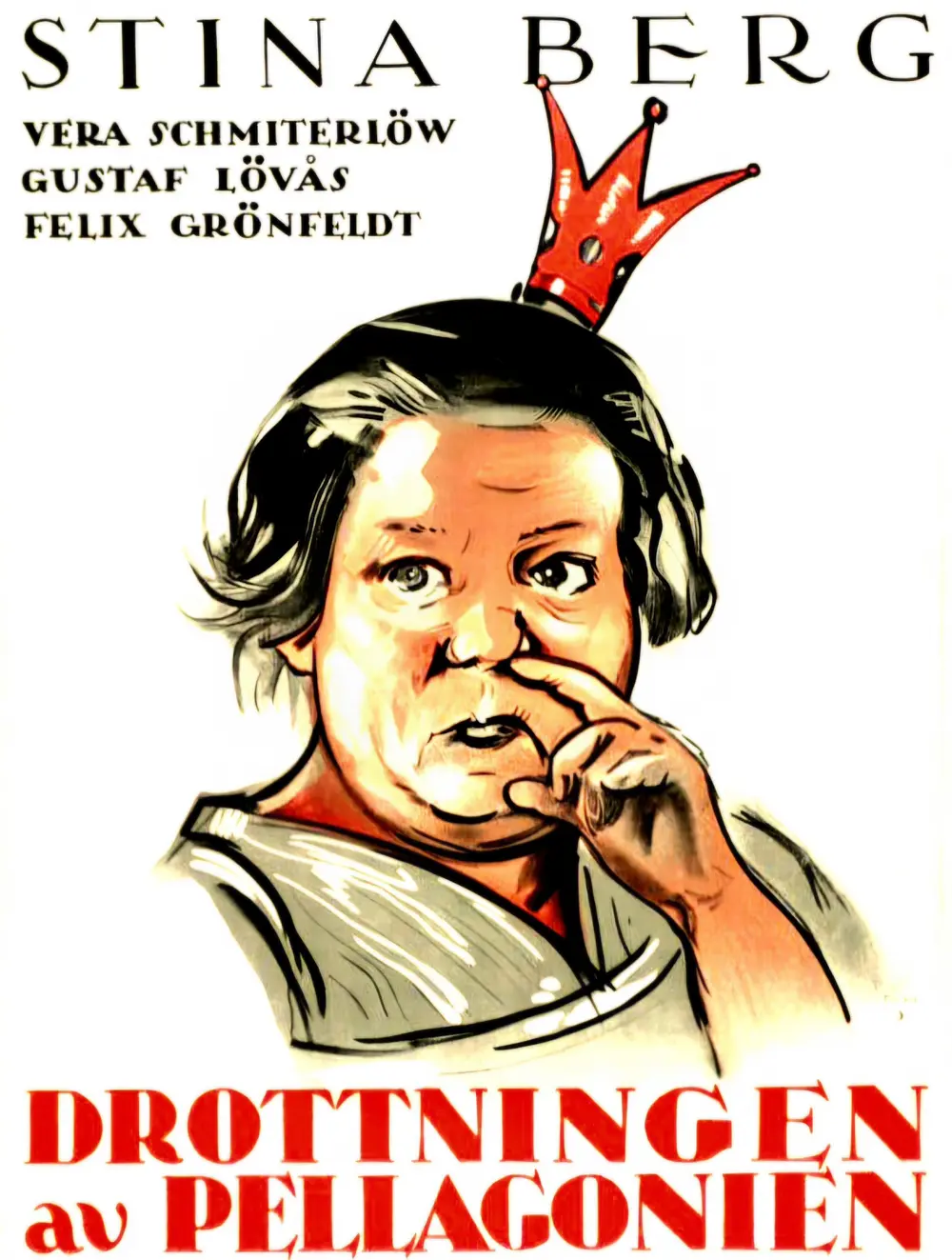
Is Drottningen av Pellagonien worth watching today? Short answer: yes, but with significant caveats. This rarely seen Swedish silent film offers a fascinating, albeit somewhat slow, glimpse into early 20th-century social commentary, particularly for those with a deep appreciation for cinematic history and the nuanced performances of the silent era.
It is a film for the patient viewer, the academic, and anyone curious about the foundational narratives that shaped cinema, yet it is decidedly not for those seeking fast-paced entertainment or modern storytelling conventions. If you expect a contemporary narrative arc or crisp dialogue, you will find yourself adrift in its deliberate pace and visual storytelling.
“Drottningen av Pellagonien” positions itself as a stark social commentary, exploring the isolating burden of immense wealth. Our protagonist, Löwenborg, is not merely rich; she is imprisoned by her riches. The film’s central conflict isn't external, but deeply internal, a struggle against the very thing society typically covets. This premise, while simple, carries a surprising weight, especially for a film of its time.
The constant barrage of 'love letters' from men whose intentions are transparently financial is a recurring motif, effectively illustrating the superficiality that surrounds Löwenborg. This isn’t a romantic comedy; it’s a quiet tragedy of a soul yearning for authenticity in a world obsessed with acquisition. The film, in its own understated way, asks us to reconsider the true cost of affluence.
Here’s a quick breakdown of its core strengths and weaknesses:
This film works because of its unflinching focus on a singular, compelling theme: the burden of unwanted wealth and the desperate search for genuine connection. The silent film format, in this instance, amplifies Löwenborg’s internal struggle, forcing the audience to interpret her emotions through subtle facial expressions and body language, creating a deeply empathetic viewing experience.
This film fails because its pacing can feel excruciatingly slow by modern standards, and the narrative, while clear, lacks the intricate subplots or dramatic twists that contemporary audiences might expect. The repetitive nature of Löwenborg’s predicament, while thematic, can also lead to a sense of narrative stagnation.
You should watch it if you are a student of early cinema, a fan of character-driven drama, or someone who appreciates films that prioritize social critique over spectacle. It offers a valuable window into a particular filmmaking style and societal mindset.
The performances in “Drottningen av Pellagonien” are, as expected for a silent film, grand yet often nuanced. Vera Schmiterlöw, as Löwenborg, carries the emotional weight of the film with remarkable grace. Her portrayal of a woman weary of her own fortune is not one of overt melodrama, but rather a subtle tapestry of sighs, downcast eyes, and a general air of resigned melancholy. There’s a particular scene, likely early in the film, where she silently leafs through a stack of 'love letters,' each gesture of turning a page conveying a deeper sense of dread than any dialogue could. It’s a masterclass in silent film acting, avoiding the theatricality often associated with the era for something more internal.
In contrast, John Melin's Director Wasserberg is a study in calculated unpleasantness. His performance, while perhaps more overtly 'villainous,' serves as a necessary foil to Löwenborg’s quiet suffering. Melin likely uses exaggerated gestures and a sneering countenance to communicate his character's mercenary nature, making his advances feel genuinely intrusive. The interplay between Schmiterlöw's restraint and Melin's more overt performance creates a compelling dynamic, highlighting the stark contrast between genuine despair and superficial greed. Ossian Brofeldt and Stina Berg, likely in supporting roles, contribute to the societal backdrop, perhaps as concerned confidantes or opportunistic hangers-on, further fleshing out Löwenborg's constrained world.
Given the film's premise of a lavishly wealthy protagonist, one can infer that the direction, likely by an uncredited hand or Henning Ohlson himself, would have emphasized the visual trappings of wealth. The cinematography, even if rudimentary by today's standards, would have been crucial in establishing Löwenborg's opulent surroundings. Imagine sweeping shots of grand interiors, elaborate costumes, and perhaps even carefully arranged banquets that, ironically, contribute to Löwenborg's sense of isolation rather than comfort. The use of deep focus, or even simple, elegant framing, would have been employed to highlight the vastness of her estate, contrasting it with the smallness of her personal world.
The director's choice in depicting the 'love letters' would be a key moment. Perhaps a montage, or a repetitive series of shots showing her receiving and discarding them, would visually communicate the relentless nature of her predicament. The camera, in essence, becomes a silent observer of her internal torment, often lingering on her face to capture the minute shifts in emotion. This approach, favoring visual storytelling over intertitles where possible, is a hallmark of effective silent cinema, allowing the audience to truly immerse themselves in the protagonist’s subjective experience. The visual language would be direct, yet impactful, ensuring the audience understands the gilded cage without needing explicit verbal declarations.
The pacing of “Drottningen av Pellagonien” is undeniably deliberate, a characteristic common to many films of its era. This slow burn, however, is not without purpose. It mirrors Löwenborg's own experience of time, which likely feels stretched and monotonous due to her repetitive daily struggles. The film doesn't rush to a dramatic climax; instead, it allows the audience to settle into her world, to feel the weight of her unending predicament. This can be a challenge for modern viewers accustomed to rapid cuts and escalating tension, but it is integral to the film's thematic resonance.
The tone is predominantly melancholic, bordering on poignant. There are unlikely to be many moments of genuine levity, as the narrative is firmly rooted in Löwenborg’s disillusionment. However, this isn't a bleak, despairing film in the vein of some existential dramas. There is a quiet resilience in Löwenborg, a subtle hope for something more, even as she navigates her current reality. This balance between sorrow and understated hope is a delicate tightrope walk, and the film, through its measured pace, manages to maintain it, allowing moments of reflection to breathe. It’s less about explosive drama and more about the slow, grinding erosion of a spirit.
Yes, for a specific audience, “Drottningen av Pellagonien” absolutely holds value. It is a significant piece of Swedish cinematic history and a compelling study of early character-driven drama. Its quiet power lies in its ability to communicate complex emotional states without dialogue, relying on strong performances and thoughtful visual composition. It provides a unique lens through which to view societal anxieties surrounding wealth and genuine connection from a bygone era. For those interested in the evolution of film as an art form, this is a must-see, even if it requires a shift in viewing expectations. It’s an acquired taste, perhaps, but a rewarding one for the patient cinephile.
“Drottningen av Pellagonien” stands as a fascinating counterpoint to other silent films that tackled societal issues, albeit from different angles. One might draw parallels to the class distinctions subtly explored in a film like The Tired Business Man (view review here), which examines the pressures on the working class rather than the wealthy. While the specifics differ, the underlying current of individual struggle against systemic forces remains a powerful through-line in early cinema. Another interesting comparison could be made to Her Condoned Sin (view review here), which delves into moral quandaries, again highlighting personal choices within rigid societal frameworks. Where “Drottningen” focuses on the internal cost of privilege, these films often explore the external consequences of less fortunate circumstances.
What sets “Drottningen av Pellagonien” apart is its almost singular focus on the psychological burden of being desired for one's assets alone. It lacks the overt adventure of something like Call of the Wild (view review here), or the direct comedic relief found in Toddles (view review here). Instead, it offers a contemplative, almost meditative experience on a very specific human dilemma. This makes it a unique entry in the canon of early Swedish cinema, showcasing a maturity in thematic exploration that might surprise those unfamiliar with the period.
“Drottningen av Pellagonien” is not a film for everyone. It is a quiet, contemplative piece that demands patience and a genuine interest in the historical evolution of cinema. It works. But it’s flawed. Its strength lies in its ability to distill a complex human emotion – the burden of unwanted attention and the yearning for genuine connection – into a visually driven narrative. Vera Schmiterlöw’s performance alone makes it a worthwhile watch for those who appreciate the subtleties of silent acting. While its pacing might feel glacial and its narrative somewhat static by today’s standards, its thematic depth and historical importance cannot be overstated. It offers a unique, poignant window into a bygone era's anxieties, reminding us that some human struggles are truly timeless. Seek it out if you are prepared for a journey into the past, a journey that promises quiet reflection rather than explosive drama.
IMDb 6.8
1916
Community
Log in to comment.