DbcultAccessing Vault...
Cult Review
Senior Film Conservator
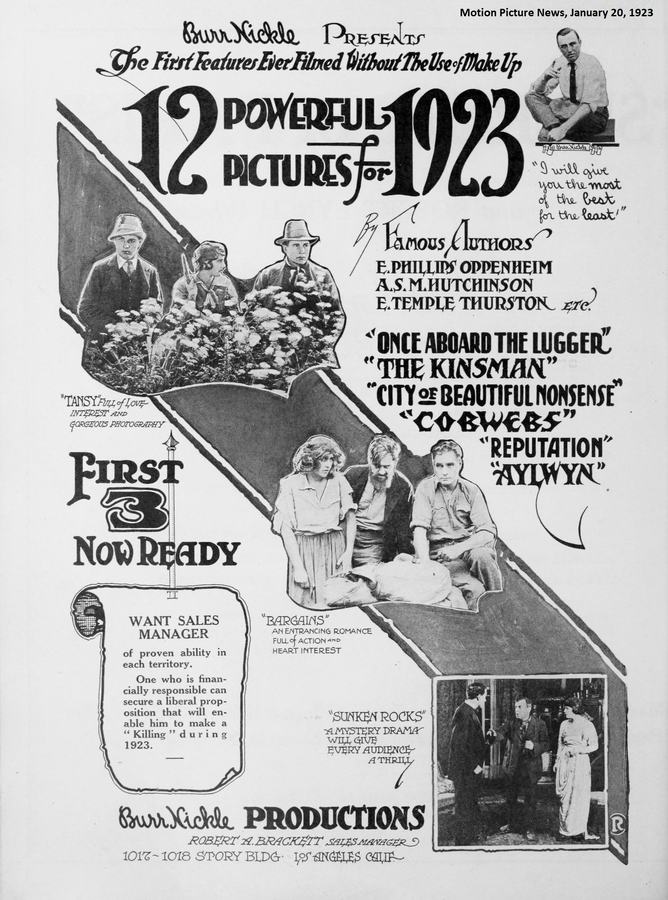
A moonlit kidnapping that meows at the mighty—this brittle 1922 curio turns a fluffy hostage into a wrecking ball of Edwardian hypocrisy.
Picture the scene: sodium lamps flicker across chalky cobblestones, gulls wheel overhead like gossiping dowagers, and a silk-collared student slinks through the reek of tar and brine with a squirming Angora in a sack. That image alone secures Once Aboard the Lugger a berth in the pantheon of cheeky silent-era insurrections. What sounds like a collegiate prank—cat-napping your uncle’s pedigree pet—balloons into a sardonic morality play where every meow skewers inherited wealth, and every tide carries another virtue out to sea.
Denis Cowles, equal parts matinée idol and mischief imp, plays Philip with the restless energy of a man who has read too much Oscar Wilde and too little balance-sheet logic.
His eyebrows telegraph half-formed schemes; his cigarette holder quavers between bravado and the dawning realization that extortion is a lonely craft. Cowles never lapses into melodrama, trusting micro-gestures—the tremor of a lip, a blink held half a second too long—to sell the moment when prank curdles into peril.
Opposite him, John MacAndrews embodies Uncle Ebenezer—though the name is never uttered on title cards, his monocle gleams with Scrooge-like menace. Watch how MacAndrews occupies a chaise longue as though it were a throne carved from unpaid invoices; every pat of the cat’s fur is a ledger entry, every purr a dividend. When news of the abduction arrives, the camera lingers on his quivering jowls, not in cartoon apoplexy but in genuine terror that the cosmos has finally noticed his emotional bankruptcy.
Eileen Dennes, as Philip’s former fiancée now reluctantly engaged to a hanging judge, floats through parlors in gowns the color of oxidized champagne. Her dilemma—loyalty to love or to security—might have played as soap in lesser hands. Instead, Dennes layers glances with seawater sadness, suggesting she already regards matrimony as another kind of kidnapping. In one exquisite intertitle, she writes: "I was traded for a seat on the board; the cat at least has claws." The line detonates quiet revolt in every female spectator who has felt herself auctioned.
The film’s true star, however, is atmosphere. Cinematographer Evan Thomas (also acting in a minor role) shoots the Lugger itself like a fetish object: masts shiver like guilty consciences, hemp ropes creak like old bones, and lantern-light pools on deck as if the boat were a confession booth set adrift. Fog is not weather but ideology—obscuring, softening, allowing sins to swap clothes with respectability. When Philip finally confronts his uncle beneath a mackerel sky, the frame bisects them with a yardarm, a visual verdict neither will escape.
Adapted by A.S.M. Hutchinson from his own slight novella, the screenplay trims the Edwardian fat and leaves glistening sinew. What could have been Poor Schmaltz-style slapstick instead channels the acrid social sting of The Price of Redemption or the fatalistic maze of Tangled Fates. Notice how every supporting character tries to monetize the crisis—tavern keepers demand hush money, reporters peddle sensational extras, even the vicar bargains for a new roof fund. The cat becomes movable property in a bazaar where empathy is weighed by the ounce.
Yet the film refuses easy Marxist applause. Philip’s revolutionary posturing is itself commodified; he rehearses ransom speeches in a cracked mirror, admiring the silhouette of a rebel rather than the substance. Hutchinson’s irony cuts both ways: the rich are venal, the restless are vain, and only the four-legged aristocrat retains dignity—because it cannot speak capitalist tongues.
Silent cinema too often equates intensity with flailing arms. Director W.S. Hodges—better known for nautical potboilers—here cultivates chamber-piece intimacy. Gestures are calibrated to parlor proximity; a raised eyebrow lands like a pistol shot. Reginald Bach, as the family solicitor tasked with delivering the ransom, achieves pathos through reticence. In a standout close-up, he pockets the banknotes with the resigned slowness of a man folding a suicide note. Gwynne Herbert, playing the spinster aunt, supplies brittle comic relief by quoting Catullus at baffled policemen, her Latin a talisman against vulgarity.
Water sloshes through the film as both baptism and eraser. The tide chart pinned in Philip’s cabin is marked with red ink on the night of the crime; by dawn, salt spray blurs it into abstract art, as though the ocean itself censored evidence. Paper—contracts, IOUs, love letters—proves equally fragile: a single match held to a promissory note becomes a torch of liberation. Against these perishables, the cat’s fur appears inviolable, stroked, envied, yet never successfully possessed. In the final shot, as Philip is led away in manacles, the animal leaps onto a warehouse scale, its weight registering nothing—a sly reminder that value, like guilt, tips according to who’s watching the dial.
Devotees of The Suspect will recognize the same claustrophobic dance between respectability and crime, though Lugger swaps noir shadows for seaside diffusion. Fans of Beatrice Fairfax Episode 12: Curiosity might recall the use of an animal as plot MacGuffin; yet here the cat’s interiority is implied rather than cartooned, achieving subtler commentary than the episodic serials. Meanwhile, the moral fatalism of Livets konflikter finds a comic flipside: destiny still drags our hero toward ruin, but the spectacle invites schadenfreude giggles rather than Nordic gloom.
Available prints—mostly 9 mm collector reductions—suffer from emulsion scratches and cyanide bloom. Yet beneath the patina, the editing rhythm startles: Hodges employs an early form of shot-reverse-shot during the standoff on deck, predating textbook norms by nearly a decade. The intertitles, hand-lettered with ink splatters, read like ransom notes themselves, merging form and content. A 2021 digital restoration by a Brighton archivist tinted night sequences in nocturnal aquamarine, accentuating the sea’s omnipresent menace. Seek that version; the standard grayscale dupes flatten the symbolism into mere quaintness.
Most extant exhibitions rely on library pastiche—jaunty seaside accordions that undercut the class tension. If programming a home viewing, pair with Satie’s Gymnopédies rearranged for muted trumpet and brushed snare; the languid pace syncs with the ebb-and-flow fatalism, while spare instrumentation respects the film’s conspiratorial hush.
Once Aboard the Lugger is less a relic than a claw-marked confession: wealth rots conscience, rebellion curdles into narcissism, and even the most innocent creature can become currency. Yet the film winks at us through the fog, suggesting that laughter—brittle, sardonic—is the only lifeboat left when all moral vessels have leaked. Watch it for the feline majesty, stay for the chill recognition that the century-old tide still laps at our own foundations.
Verdict: 8.7/10—a salt-caked satire whose whiskers twitch with timeless relevance.
IMDb 5.5
1920
Community
Log in to comment.