DbcultAccessing Vault...
Cult Review
Senior Film Conservator
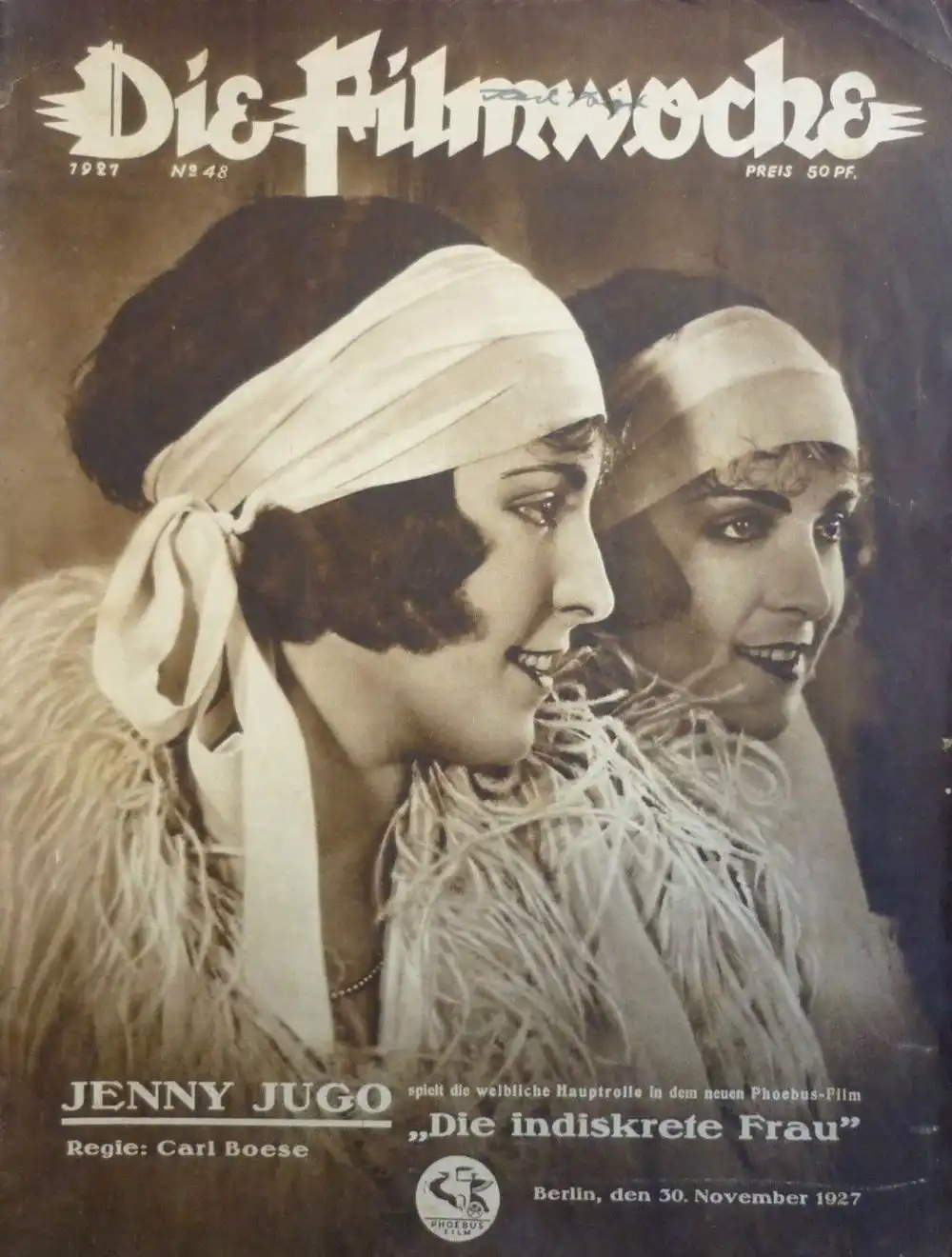
If you are looking for a deep, expressionistic dive into the German soul, Die indiskrete Frau is not that film. However, if you want to see the slick, commercial side of 1920s German cinema—the kind of movie that people actually went to see on a Friday night in Berlin—it is absolutely worth a look today. It is primarily for viewers who appreciate physical comedy that doesn't rely on slapstick and those who enjoy watching the upper class squirm under the weight of their own ridiculous rules. Those who find silent-era social farces repetitive will likely lose patience by the forty-minute mark.
The film lives and dies on the shoulders of Jenny Jugo. By 1927, she was evolving into one of the most reliable comedic presences in Europe, and here she manages to make a somewhat thin premise feel urgent. There is a specific scene early on where she has to hide her anxiety while hosting a dinner party; the way she adjusts her pearls with a slightly-too-tight grip while maintaining a frozen smile is a masterclass in silent acting. She doesn't over-rely on the wide-eyed 'O-face' that many silent actresses used to signal distress. Instead, she uses her eyes to track everyone in the room, making the audience feel her paranoia.
Georg Alexander plays the male lead with his usual polished, somewhat stiff-backed charm. He serves as a perfect foil to Jugo’s more kinetic energy. While Alexander’s performance can occasionally feel like it’s on autopilot—he has a tendency to fall back on a 'confused gentleman' pose that he used in dozens of films—his chemistry with Jugo in the more intimate apartment scenes keeps the movie grounded. Unlike the broader performances in La La Lucille, the acting here feels rooted in a specific social reality.
The writing by Walter Reisch and Friedrich Raff is sharp, but the film suffers from the common silent-era problem of over-extending a simple misunderstanding. The middle section of the film involves a series of missed encounters and letters that almost reach the wrong hands. While the editing rhythm is generally brisk, there are moments where the camera lingers too long on reaction shots from the supporting cast. We don't need three separate cuts to a shocked butler to understand that a situation is scandalous.
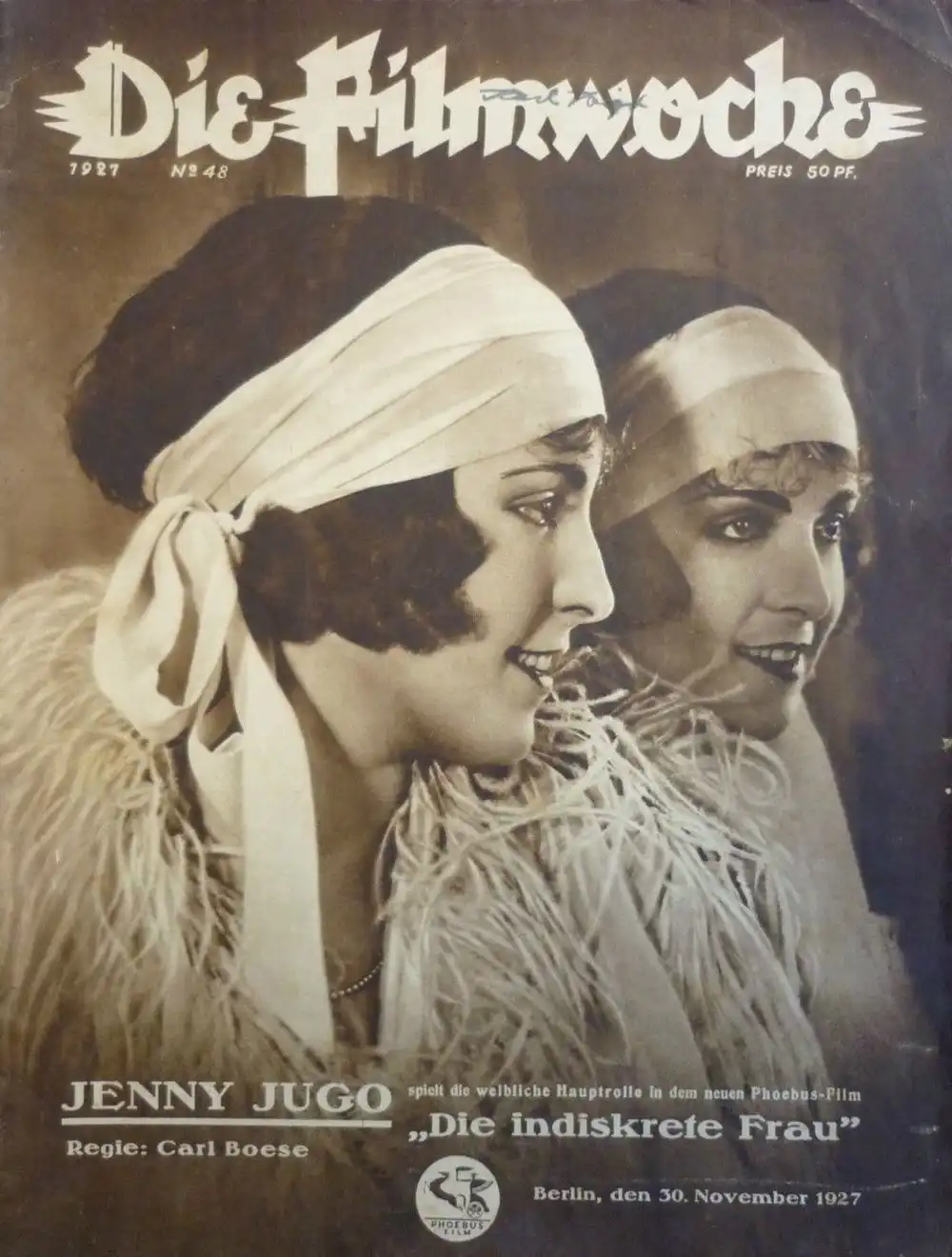
There is a sequence involving a frantic search through a handbag that goes on for about two minutes too long. It starts as a clever bit of tension-building but ends up feeling like filler to pad out the runtime. However, the film recovers in the final twenty minutes, where the various threads of the 'indiscretion' are tied together with a cynicism that feels surprisingly modern. It avoids the saccharine endings of many American comedies from the same period, like Father and the Boys, opting instead for a more sophisticated, slightly weary conclusion.
Visually, the film is a testament to the high production standards of the late silent period in Germany. The interiors are lush and cavernous, designed to make the characters look small and vulnerable within their own wealth. The lighting is particularly effective in the nighttime scenes; there is a moment where Jugo is standing by a window, and the use of hard shadows against the ornate wallpaper creates a sense of entrapment that feels almost like a precursor to noir. It’s a subtle touch that elevates the film above a standard stage-play adaptation.
The costumes deserve a mention as well. They aren't just decorative; they tell the story. As Jugo’s character becomes more desperate, her attire becomes increasingly restrictive and elaborate, visually representing the social cage she is trying to escape. This attention to detail is what separates a film like this from the more generic output of the era, such as The Tents of Allah.
Die indiskrete Frau is a reminder that silent cinema wasn't all about monsters and melodrama. It was also capable of being light, witty, and deeply observant about the ways people perform for one another. While it lacks the visionary punch of the Great German Masterpieces, it offers something perhaps more human: a recognizable look at how exhausting it is to maintain a perfect reputation. It is a solid, well-crafted piece of entertainment that holds up because its central theme—the fear of being 'canceled' by one's social circle—is as relevant now as it was in 1927. It’s a much more engaging watch than the stiff morality of The Dagger Woman, even if it doesn't aim quite as high.

IMDb 5.1
1931
Community
Log in to comment.