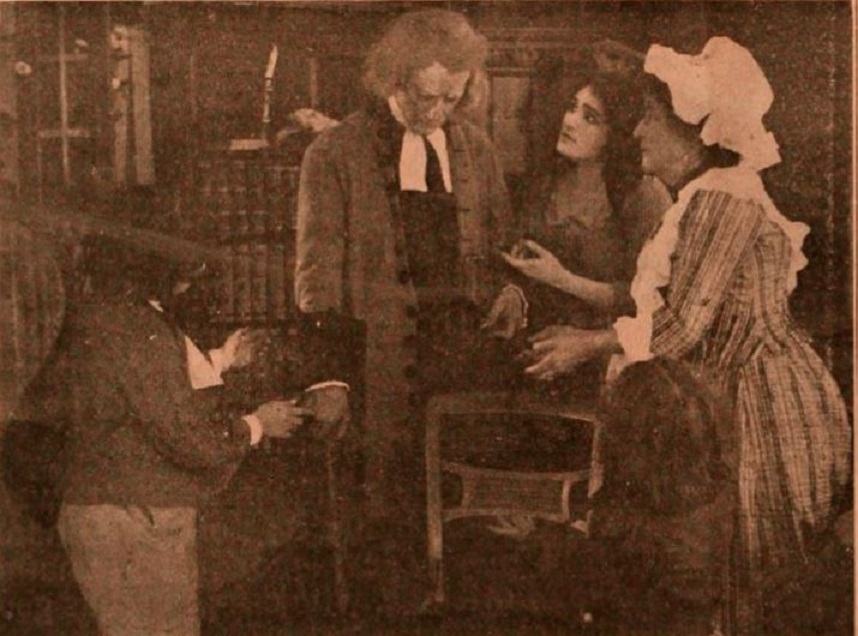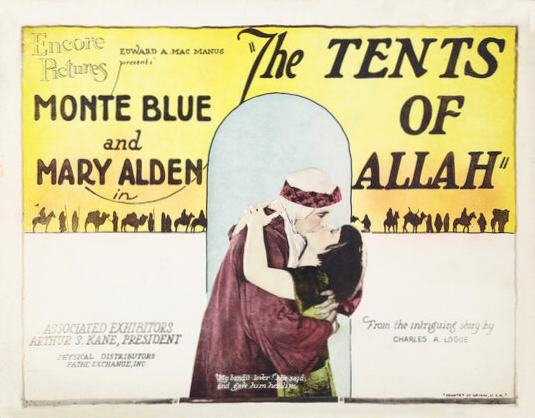
While visiting her uncle, the American consul in Tangier, Morocco, a young woman offends a powerful Arab sultan whose henchman kidnap her..
The year 1923 represented a pivotal juncture in the evolution of silent cinema, a period where the medium had fully shed its nickelodeon infancy and embraced the grandiose visual language of the epic. Within this fertile landscape, The Tents of Allah emerges as a compelling, if occasionally controversial, exploration o...

production_art
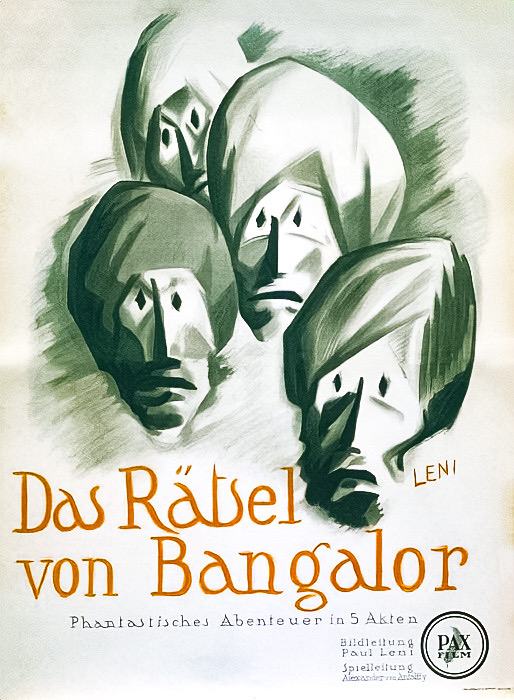
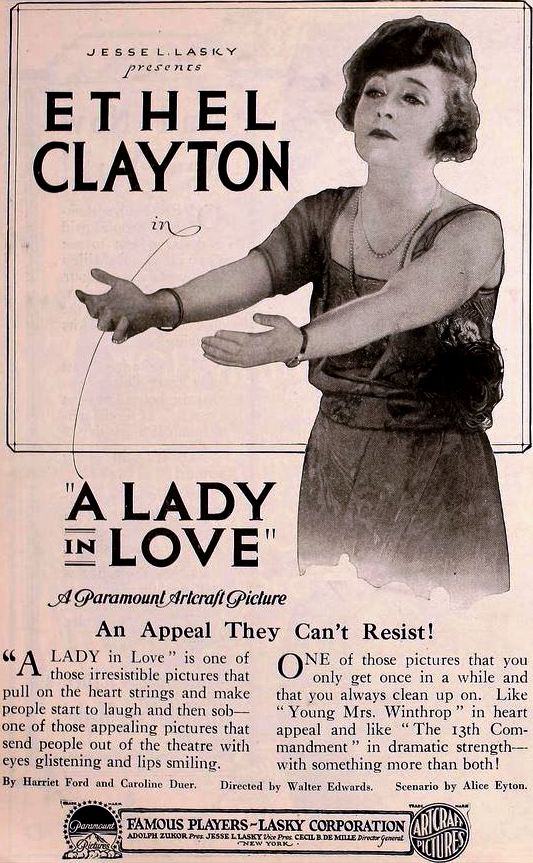
Comparing the cinematic DNA and archive impact of two defining moments in cult history.
Charles Logue
Dallas M. Fitzgerald
Community
Log in to comment.
"The year 1923 represented a pivotal juncture in the evolution of silent cinema, a period where the medium had fully shed its nickelodeon infancy and embraced the grandiose visual language of the epic. Within this fertile landscape, The Tents of Allah emerges as a compelling, if occasionally controversial, exploration of the 'Desert Romance' subgenre that captivated post-war audiences. Directed with a keen eye for atmospheric tension, the film serves as a fascinating companion piece to the indust..."
Macey Harlam
Charles Logue
United States
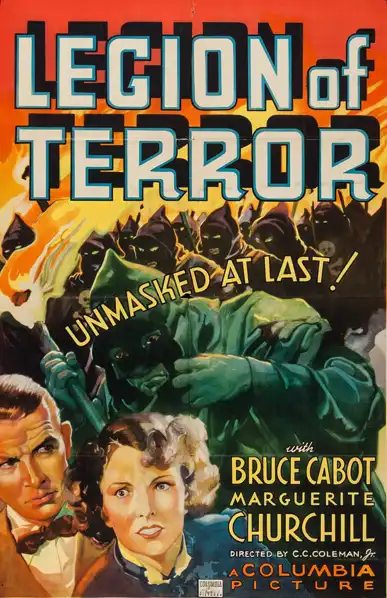
1936 · IMDb 5.8

Deep dive into the cult classic
Discover similar cinematic experiences
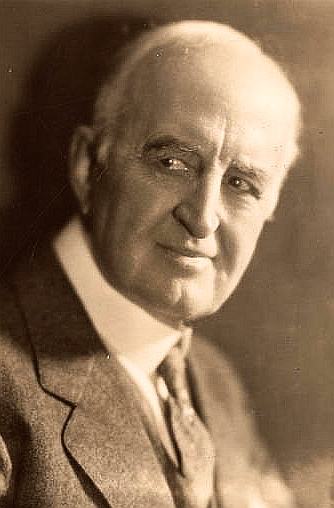
A Directorial Spotlight on Charles Logue