DbcultAccessing Vault...
6.9/10
Senior Film Conservator
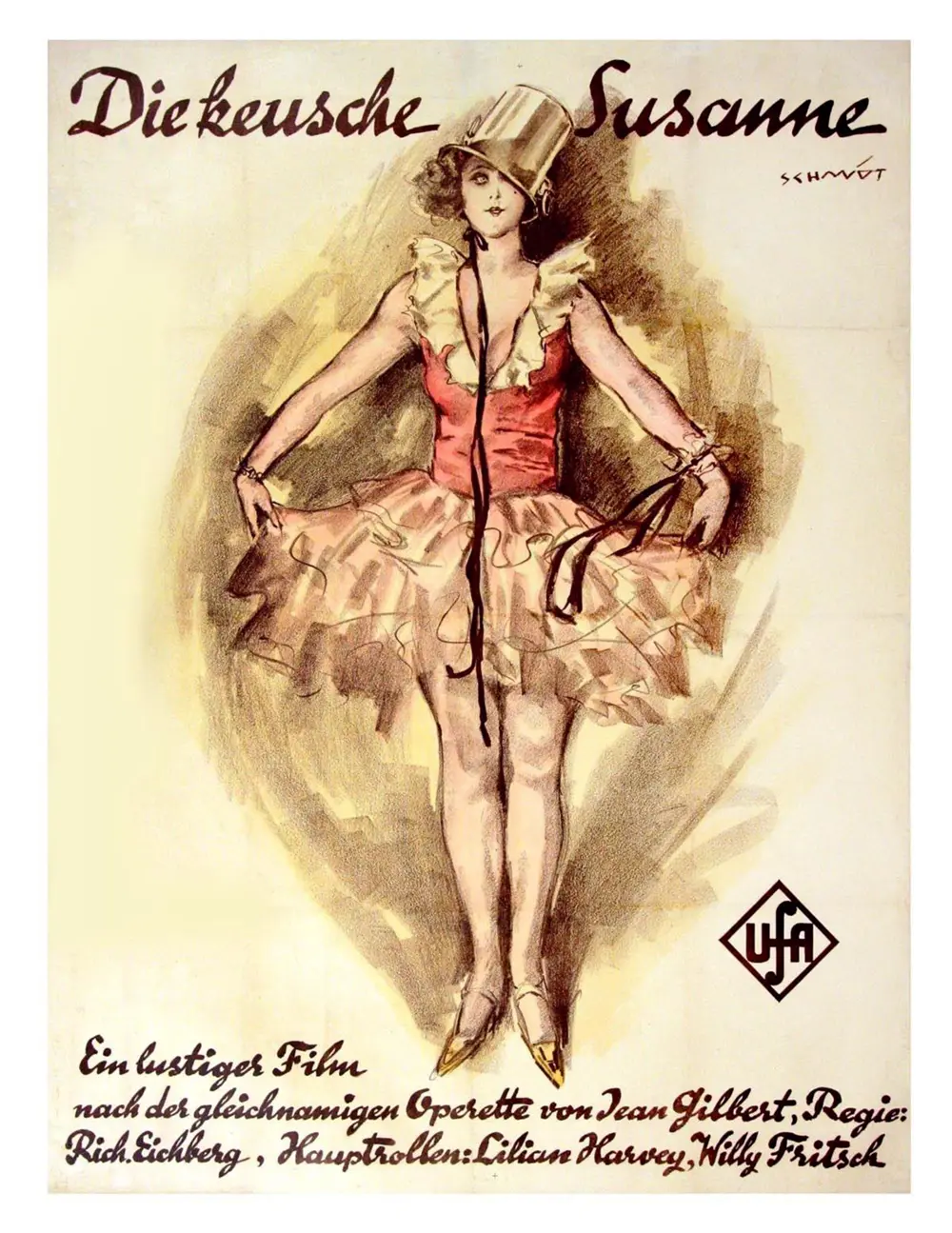
A definitive 6.9/10 rating for a film that redefined the boundaries of cult cinema. Die keusche Susanne remains a cornerstone of transgressive art.
Is Die keusche Susanne worth your time in the modern era? Short answer: yes, but only if you view it as a historical artifact of rebellion rather than a standard romantic comedy.
This film is for the cinephile who enjoys the visual grammar of the Weimar Republic and the specific energy of the operetta-film crossover. It is certainly not for viewers who require fast-paced narrative logic or those who find the exaggerated gestures of the silent era to be more distracting than expressive.
1) This film works because it captures the frantic, hedonistic heartbeat of the 1920s through impeccable set design and a lead performance that balances two distinct personas with effortless grace.
2) This film fails because the middle act leans too heavily into repetitive slapstick that slows the momentum of the central romantic conflict.
3) You should watch it if you appreciate the evolution of the 'flapper' archetype or want to see the DNA of the modern romantic comedy in its rawest, most energetic silent form.
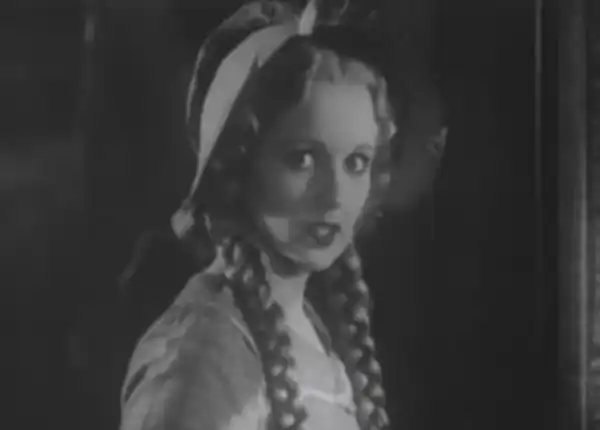
At its core, Die keusche Susanne is a biting critique of the hypocrisy found in 1920s European society. Ruth Weyher delivers a performance that is essentially two different characters in one body. In the rural scenes, her posture is rigid, her eyes are downcast, and her movements are calculated to suggest a lack of agency. It is a performance of performance. However, once the setting shifts to Paris, Weyher undergoes a physical transformation. Her movements become fluid, her gaze becomes predatory, and she inhabits the space with a confidence that would have been scandalous to the contemporary 'moral preachers' depicted in the film.
The film uses the contrast between the provincial town and the city of Paris as a visual metaphor for the psychological state of the German people post-WWI. The town is monochrome, stagnant, and judgmental. Paris is a kaleidoscope of motion. When compared to other films of the period like Life, which often dealt with the heavy burdens of existence, Die keusche Susanne chooses to fight the darkness with a champagne-fueled rebellion. It is a defiant 'no' to the restrictive norms of the past.
One specific scene that highlights this contrast occurs during Susanne’s first arrival in the Parisian ballroom. The way the camera lingers on her wardrobe change—shedding the drab, high-collared dress for a shimmering, low-cut gown—is more than just a fashion statement. It is a shedding of skin. The cinematography here, though limited by the technology of 1926, manages to convey a sense of liberation that is almost palpable.
The secondary plot involving the 'moral preachers' provides the necessary friction for the comedy to work. These characters are not just antagonists; they are caricatures of the very people who likely sat in the front rows of the theater in 1926. There is a delicious irony in watching these men, who decry the 'sinfulness' of the city, eventually find themselves entangled in the same web of desire they claim to loathe. This theme of hidden vices is a common thread in silent cinema, often seen in works like Paying the Piper, where the cost of social standing is often one's integrity.
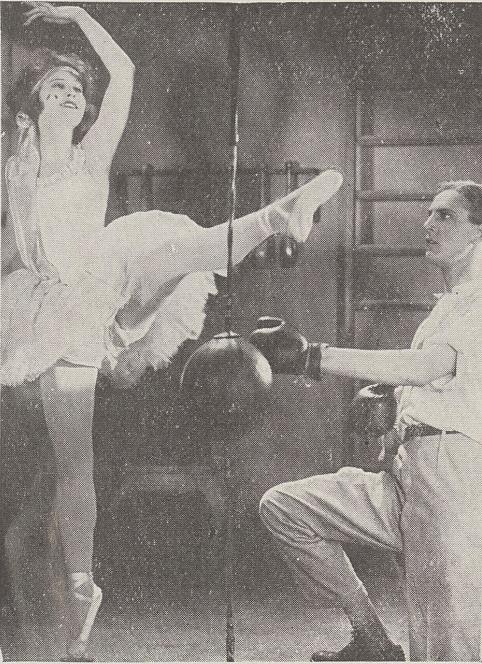
The intervention of these moralists is where the film’s pacing occasionally falters. There is a sequence in the second act involving a series of misunderstandings in a hotel hallway that feels significantly longer than it needs to be. While the physical comedy of Albert Paulig and Hans Junkermann is technically proficient, it lacks the sharp edge of the film’s social commentary. It is slapstick for the sake of slapstick, and it momentarily pulls the viewer away from the much more interesting psychological game being played between Susanne and René.
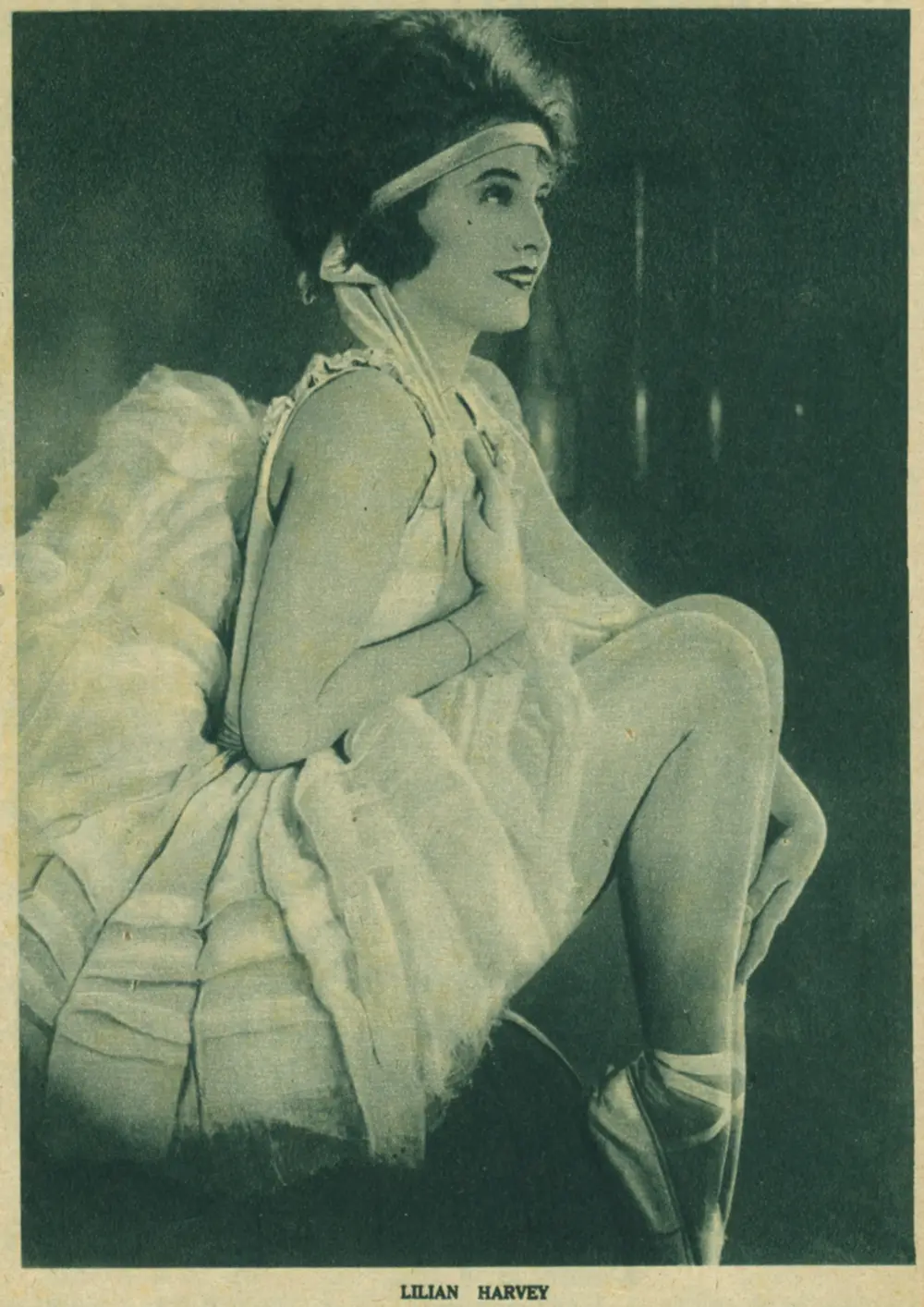
However, the film recovers when it returns to the central triangle. The introduction of Lilian Harvey as Jacqueline brings a different kind of energy to the screen. Harvey, even in this early role, possesses a screen presence that is impossible to ignore. Her rivalry with Weyher’s Susanne is not played for cheap catfights, but rather as a sophisticated battle of wits and style. It is a precursor to the screwball comedies that would dominate Hollywood a decade later.
Yes, Die keusche Susanne is a essential viewing for anyone interested in the cultural history of the Weimar Republic. It provides a rare, lighthearted look at the tensions between tradition and modernity. While the humor is dated, the central theme of living a double life to satisfy societal expectations remains incredibly relevant.
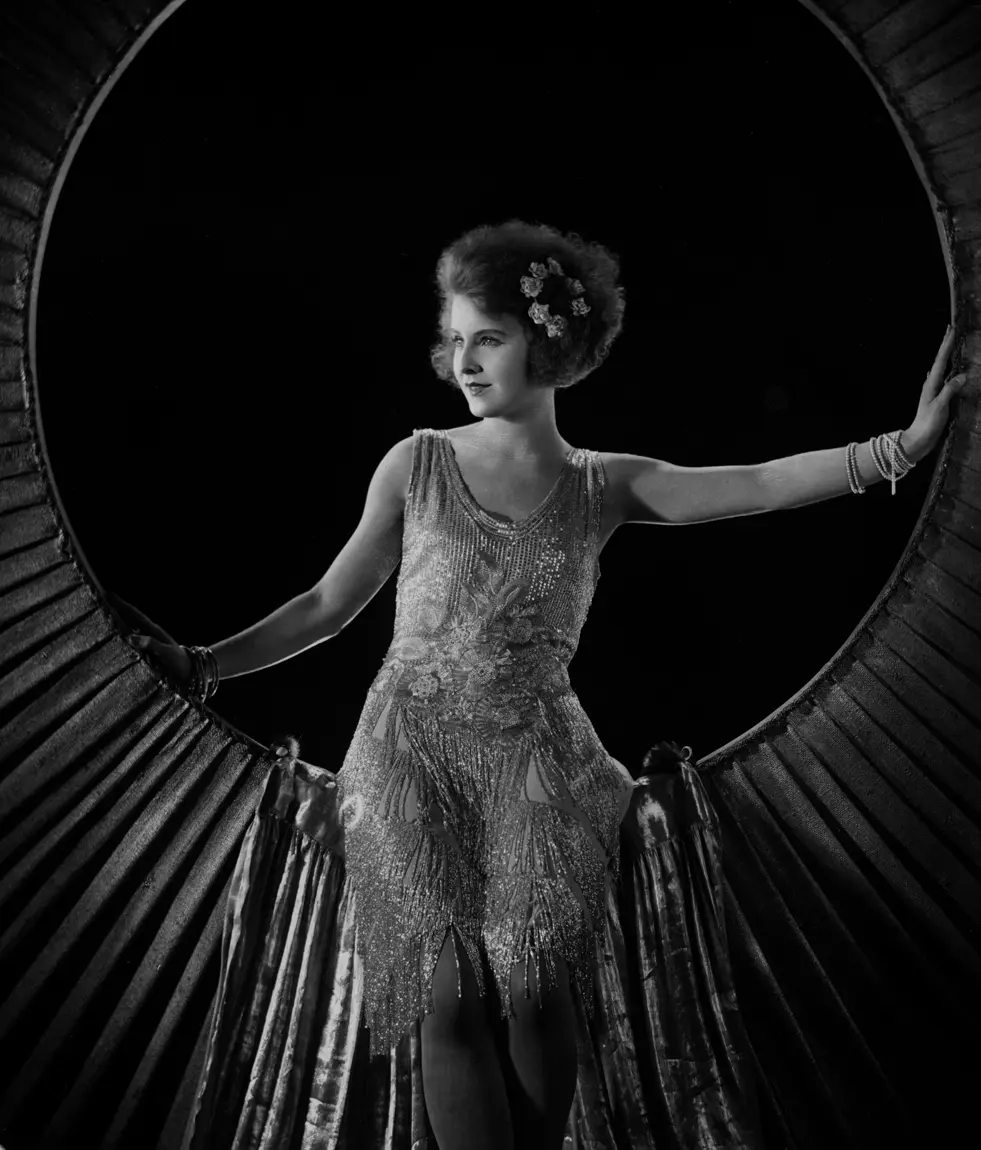
The film is a visual feast for fans of Art Deco and 1920s fashion. The Moulin Rouge finale is a masterclass in silent era production design, utilizing hundreds of extras and elaborate lighting to create an atmosphere of controlled chaos. If you can look past the occasionally slow pacing of the middle section, the film offers a rewarding and surprisingly progressive experience.
The climax at the Moulin Rouge is where director Richard Eichberg truly shines. The use of depth in these shots is sophisticated for the time. You often see layers of action: the primary characters in the foreground, dancers in the midground, and a swirling mass of Parisian nightlife in the background. This creates a sense of vertigo that mirrors Susanne’s own precarious situation. She is balancing on a tightrope, and the film makes you feel the height of her potential fall.
Compare this to the static, almost stage-like filming of What Happened to Jones. While that film relies on narrative momentum, Die keusche Susanne relies on atmospheric immersion. The lighting in the cabaret scenes uses shadows to hide the faces of the 'moralists,' suggesting that in the dark, everyone is equal in their pursuit of pleasure. It is a visual democratization of sin.
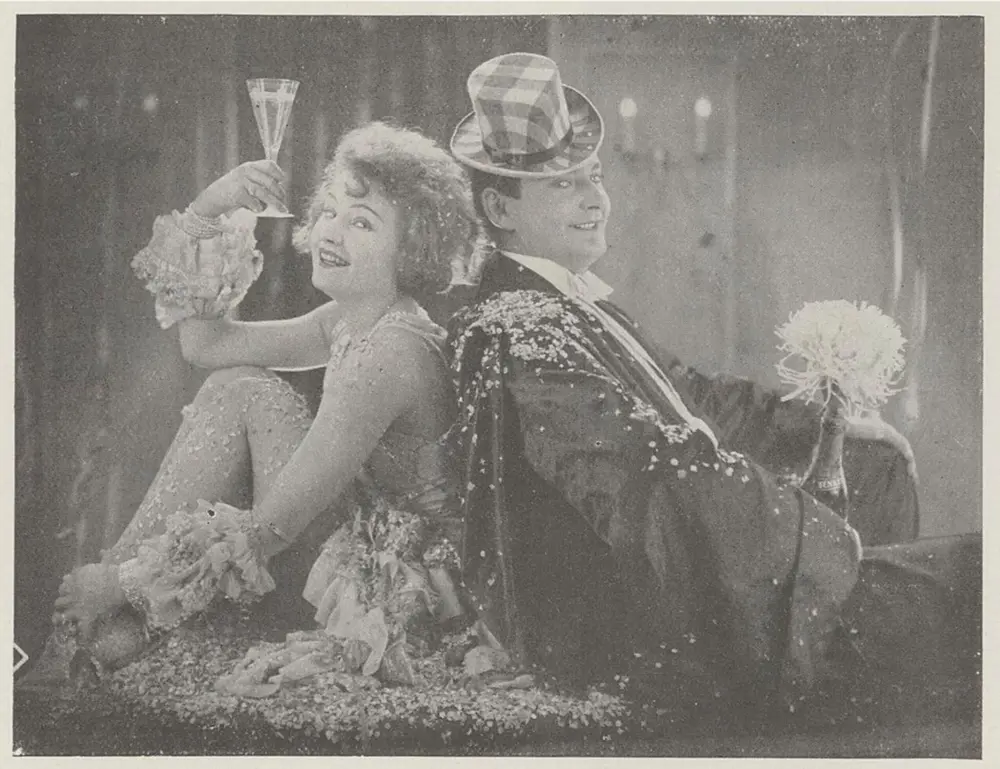
The editing in the final ten minutes is particularly noteworthy. The cuts become shorter, mimicking the increasing heartbeat of the protagonist as her secret nears exposure. It is an early example of using rhythm to build tension, a technique that would be perfected in the years following. The resolution may feel a bit too tidy for modern tastes, but it fits the 'operetta' logic of the source material. It works. But it’s flawed.
Pros:
The chemistry between the ensemble cast is palpable, especially the early appearance of Lilian Harvey. The film’s message regarding the hypocrisy of 'moral leaders' is handled with a sharp, cynical wit that feels surprisingly modern. The costume design is top-tier for 1926.
Cons:
The narrative relies on several coincidences that stretch the limits of believability, even for a comedy. Some of the physical gags are drawn out for too long, making the 100-minute runtime feel slightly bloated. The character of René is somewhat underdeveloped compared to the two women vying for his attention.
Die keusche Susanne is more than just a relic; it is a vibrant, if occasionally clunky, celebration of female agency in a world that wanted women to be 'chaste' or nothing at all. It takes a stance against the judgmental eyes of the small town and chooses the chaotic freedom of the city every single time. While it shares some DNA with other silent comedies like Dabbling in Society, it possesses a unique European edge that makes it stand out. It is a film of masks, mirrors, and the courage to be scandalous. If you have the patience for its 1920s rhythms, you will find a story that is as much about the present as it is about the past. It is a flawed gem, but it sparkles where it counts.
IMDb —
1925
Community
Log in to comment.