DbcultAccessing Vault...
7.1/10
Senior Film Conservator
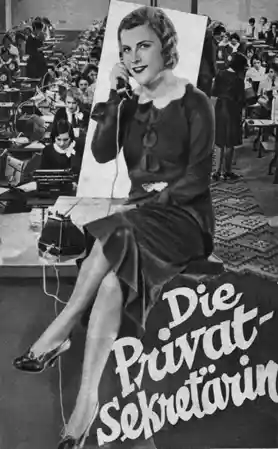
A definitive 7.1/10 rating for a film that redefined the boundaries of cult cinema. Die Privatsekretärin remains a cornerstone of transgressive art.
If you have ninety minutes to spare and want to see how people in 1931 laughed at the Great Depression, Die Privatsekretärin is absolutely worth your time.
It is a bright, silly little musical comedy that will charm anyone who likes fast-talking office girls and catchy old German tunes.
But if you can't stand old movies where the main goal is simply marrying a rich boss, you will probably want to throw your shoe at the screen. 🥿
The plot is thin as a sheet of carbon paper. Elsa (played by the incredibly energetic Renate Müller) arrives in Berlin looking for work as a typist.
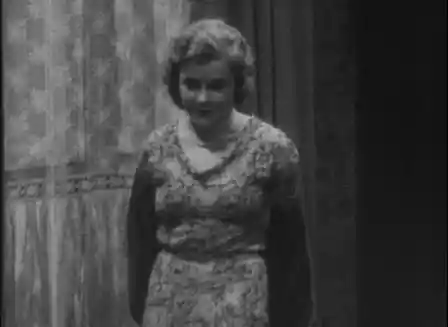
She wants a job, sure, but she also wouldn't mind a wealthy husband to help her escape the daily grind.
There is this fantastic, almost hypnotic scene early on where a whole room of girls are typing in perfect rhythm to the background music.
It sounds like a tap dance routine but with metal keys and carriage returns. I actually had to rewind it twice just to listen to the clatter.
Elsa ends up getting hired at a bank run by Hermann Thimig's character, who immediately gets a massive crush on her.
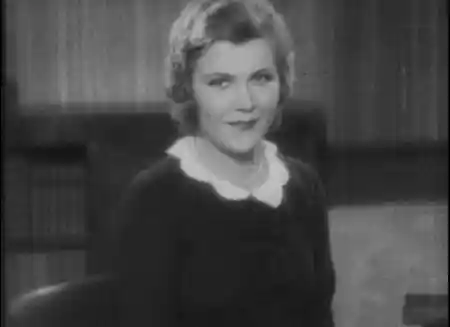
Instead of just asking her out like a normal human being, he decides to pretend he is just a low-level clerk.
It leads to all these awkward, slightly painful misunderstandings where she rejects his advances because she thinks he is poor.
The humor is very physical, mostly thanks to Felix Bressart who plays the bank's messenger, Hasel.
He has these incredibly expressive eyes and moves like a cartoon character who just realized the floor disappeared beneath him.
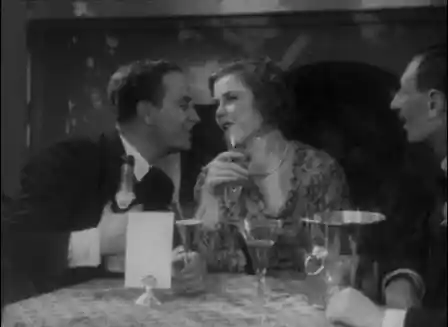
Every time he walks into a frame, the movie gets about ten times funnier.
There is a moment at a restaurant where he tries to act dignified while eating, and his mustache just won't cooperate. It’s a tiny thing, but I laughed out loud.
Now, the romance itself is... well, it’s definitely of its time.
Thimig is charming enough, but his character's lie goes on way too long.
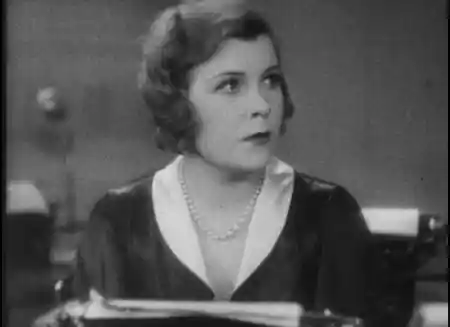
You kind of want Elsa to slap him when she finds out who he really is, but instead, we get a happy duet.
Compared to other films from the same year like Millie, which go heavy on the relationship drama, this film feels like eating a giant bowl of whipped cream.
It is light, sweet, and probably bad for your teeth if you consume too much of it.
Still, Renate Müller has this sparkle that you simply can't fake.
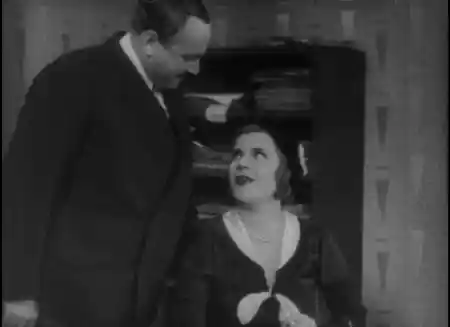
She sings the main theme song while riding a bicycle, and it’s impossible not to smile a little bit at how happy she looks.
Even when the sound quality gets scratchy—which it does, because 1931 sound tech was basically a tin can on a string—her voice cuts right through.
The ending rushes up on you like a runaway train.
One minute they are arguing in an office, and the next, the credits are rolling over a quick reprise of the song.
They didn't really worry about smooth pacing back then; they just stopped when the jokes ran out.
And honestly? I respect that.
IMDb 6
1918
Community
Log in to comment.