DbcultAccessing Vault...
Cult Review
Senior Film Conservator
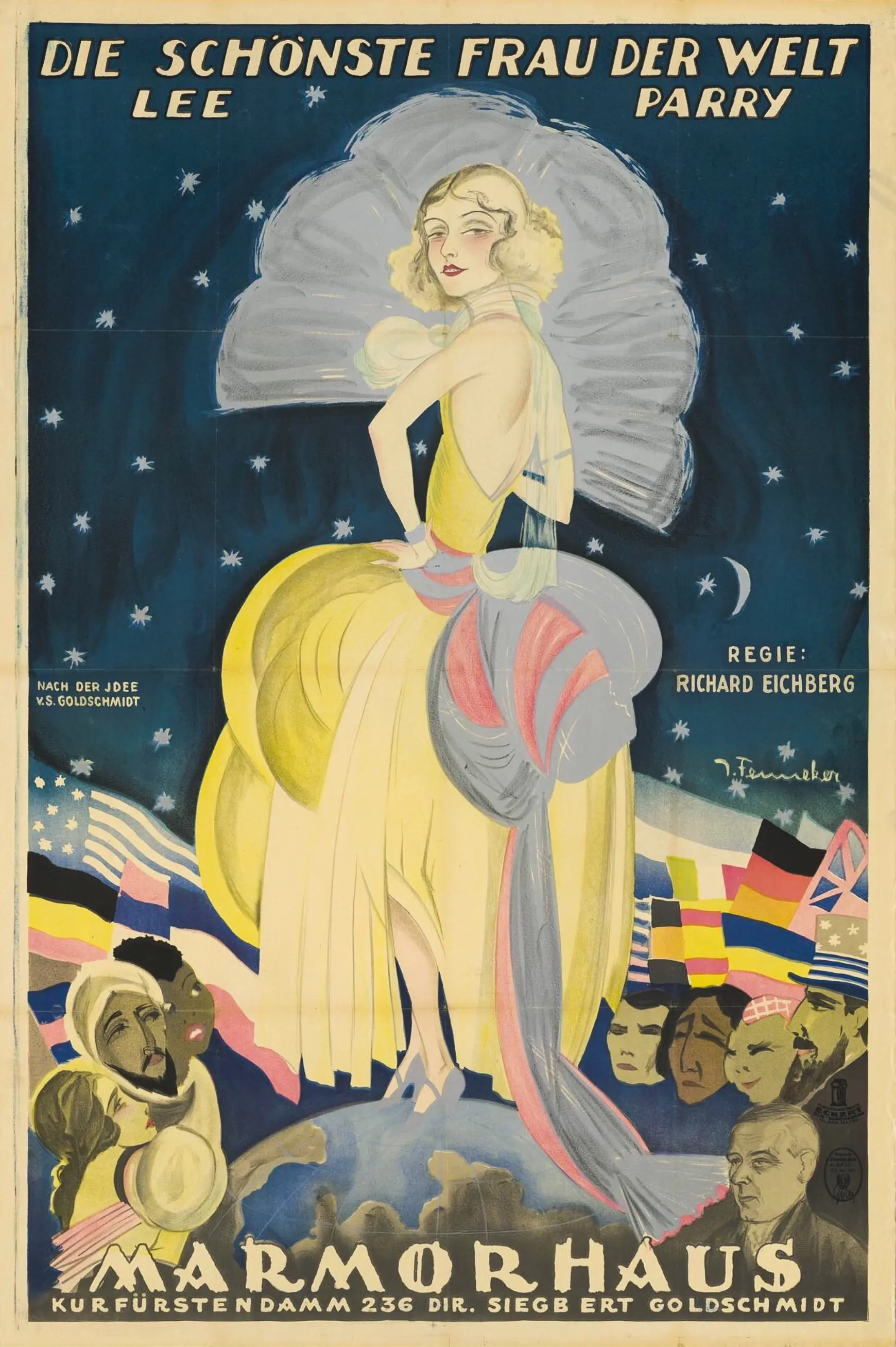
Set against the backdrop of early 20th-century Rome, 'Die schönste Frau der Welt' is a testament to the intersection of art, beauty, and societal expectations. Directed with a keen eye for detail, the film captures the essence of a young arts and craftsman, Lucia Sarlo, and her journey towards self-discovery and love. Fred Holme, a determined editor from London, is drawn to Lucia's unique beauty and talent, setting the stage for a profound and beautifully crafted narrative.
The plot is a delicate balance of romance and social commentary, with the central story enriched by the vibrant setting of Rome. Livio Pavanelli and Inge Colette deliver compelling performances, their chemistry palpable and their characters deeply flawed yet ultimately endearing. The supporting cast, including Georg Berg, Mary Parker, and Lee Parry, add depth and nuance to the story, making it a rich and engaging watch. The script, penned by Hugo Bettauer, Hans Behrendt, and Helmuth Orthmann, is a masterclass in character development and emotional resonance.
The visual aesthetics of 'Die schönste Frau der Welt' are nothing short of breathtaking. The film's cinematography, which captures the grandeur of Rome and the subtle nuances of its characters, is reminiscent of the work of great filmmakers like Roberto Rossellini. The use of natural light and the meticulous attention to detail in set design and costume are testimony to the film's period authenticity. The craftsmanship depicted in Lucia's work is particularly noteworthy, showcasing the artistic sensibilities of the era and the importance of traditional arts and crafts.
However, 'Die schönste Frau der Welt' is not just a period piece. It also offers a poignant exploration of the societal norms and expectations of beauty. The film challenges viewers to question what true beauty entails and how it is perceived in different contexts. Through Lucia and Fred's relationship, the narrative delves into the complexities of love, identity, and personal growth. The climax of the film, which sees Lucia facing a pivotal decision, is both emotionally charged and thought-provoking, leaving a lasting impact on the audience.
Comparatively, 'Die schönste Frau der Welt' stands out among its contemporaries, such as 'The Undercurrent' and 'Vicenta'. While films like 'The Undercurrent' focus more on social critique, 'Die schönste Frau der Welt' is a more nuanced exploration of individual experiences and personal journeys. It resonates more closely with the storytelling style of Roberto Rossellini, particularly in its handling of historical context and character development. The film's ability to blend romance with social commentary sets it apart from its peers, making it a significant contribution to the genre.
The film's production values are commendable, with a score that enhances the emotional resonance of the narrative. The use of music and sound design effectively complements the visual storytelling, creating a cohesive and immersive experience for the audience. The pacing of the film is well-balanced, allowing for moments of introspection and emotional intensity to coexist seamlessly.
In conclusion, 'Die schönste Frau der Welt' is a remarkable film that offers a deep dive into the world of art, beauty, and personal growth. It is a testament to the power of cinema to explore complex themes and create memorable characters. While it may not have achieved the same level of recognition as some of its contemporaries, it is a film that deserves to be rediscovered and appreciated for its artistic merit and emotional depth.
For those interested in films that blend social commentary with personal narratives, 'Die schönste Frau der Welt' is a must-watch. It is a film that captures the essence of a bygone era while offering timeless insights into the human condition.
IMDb 6.4
1931
Community
Log in to comment.