DbcultAccessing Vault...
5.4/10
Senior Film Conservator
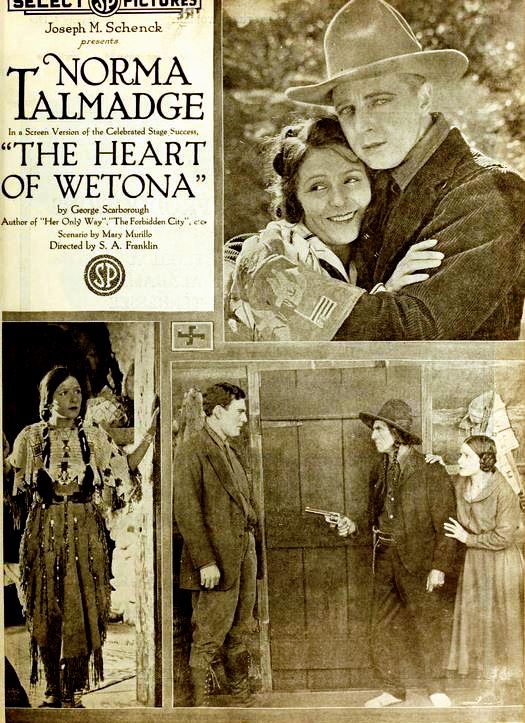
A definitive 5.4/10 rating for a film that redefined the boundaries of cult cinema. The Heart of Wetona remains a cornerstone of transgressive art.
The year 1919 stands as a pivotal monolith in the history of cinema, a moment when the grammar of visual storytelling was shedding its rudimentary skin for something far more sophisticated and psychologically resonant. At the epicenter of this evolution was Norma Talmadge, an actress whose ability to telegraph internal devastation through a mere flicker of the eyelid remains unparalleled. In The Heart of Wetona, directed by the understated Sidney Franklin, we are presented with a celluloid relic that is both a product of its problematic era and a startlingly modern exploration of abandonment and resilience.
The narrative impetus of the film hinges on the intersection of two worlds: the indigenous Comanche territory and the encroaching mechanical 'progress' represented by the white settlers. Wetona, played by Talmadge with a haunting fragility, is the daughter of Chief Quannah. Her character is the classic 'half-breed' archetype—a trope that, while dated, serves as a vessel for exploring the interstitial space between cultures. When she falls for Anthony Wells (Gladden James), a young engineer, she isn't just falling for a man; she is reaching toward a promise of modernity that ultimately proves to be a mirage. Unlike the legalistic tension found in The Fighting Hope, the conflict here is visceral and elemental.
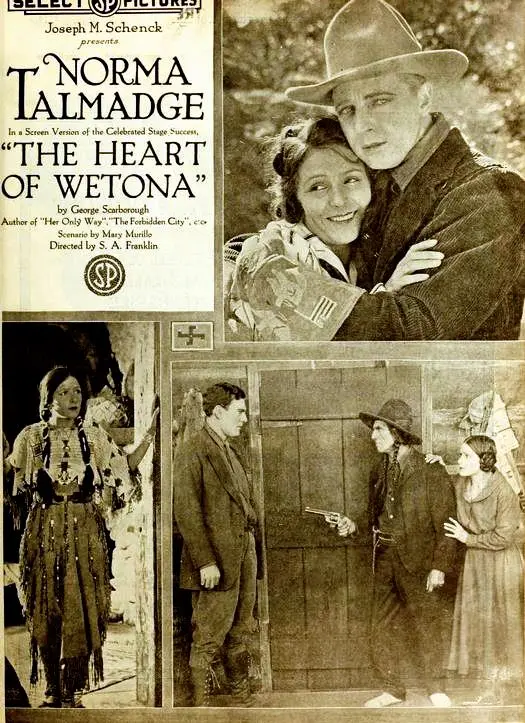
Wells is the quintessential cad, a character whose cowardice is the catalyst for the film’s second act. His desertion of Wetona is not merely a romantic slight; it is a social death sentence. In the rigid moral hierarchy of the time, Wetona’s 'fall' is viewed as an irredeemable stain. This thematic preoccupation with female virtue and social standing is a recurring motif in the era's output, much like the explorations of societal expectations in The Social Leper or the tragic undercurrents of A Child of Mystery.
Enter John Hardin, portrayed by Thomas Meighan with a rugged, stoic dignity. As the white Indian agent, Hardin represents a different facet of the colonial presence—one that is paternalistic but ultimately protective. When Wetona’s secret is threatened with exposure, Hardin offers her the shelter of his name through marriage. It is a union born of necessity rather than passion, a dynamic that creates a simmering tension throughout the film’s midpoint. Meighan’s performance provides a sturdy anchor to Talmadge’s more mercurial emotional output, creating a chemistry that feels earned rather than forced by the script.
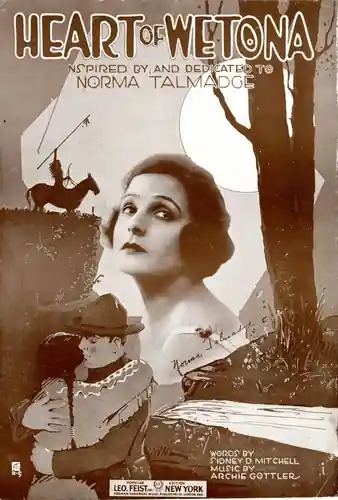
This marriage of convenience serves as a fascinating contrast to the romantic idealism often seen in films like Love and the Woman. In The Heart of Wetona, the domestic sphere is a fortress against the judgment of the outside world. The film meticulously builds toward a climax where the truth must inevitably collide with the fragile peace Hardin and Wetona have constructed. The screenplay, adapted by Mary Murillo from George Scarborough’s play, manages to navigate these melodramatic waters without veering into the absurd, maintaining a groundedness that was rare for 1919.
Sidney Franklin’s direction utilizes the landscape not just as a backdrop, but as an active participant in the drama. The starkness of the Oklahoma plains mirrors the internal desolation of the characters. The cinematography captures the dust and the heat, making the physical environment feel as oppressive as the social mores governing the characters' lives. We see a similar atmospheric density in The Conqueror, yet Franklin’s approach here is more intimate, focusing on the micro-expressions of his leads.
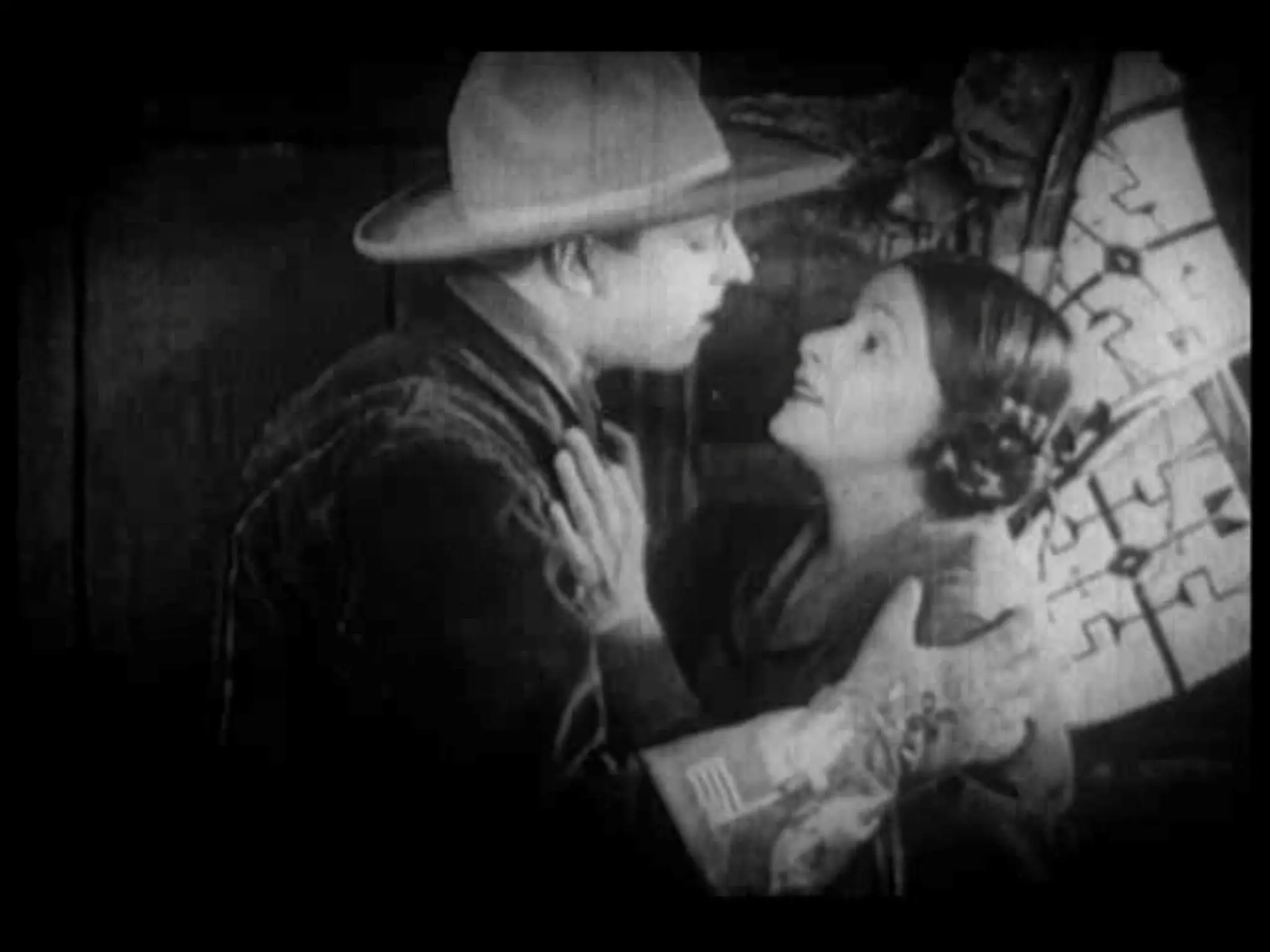
One cannot discuss this film without acknowledging the racial politics of its production. The casting of white actors in indigenous roles—a practice common in the silent era—adds a layer of artifice that modern viewers may find jarring. However, within the vacuum of its time, the film treats its Comanche characters with a level of gravity that avoids the caricatures found in lesser works like The War Extra. Chief Quannah is portrayed not as a savage, but as a man of immense pride and tragic misunderstanding. The tension between his traditional values and his daughter’s predicament is the film's true emotional core.
Talmadge’s performance is a masterclass in silent acting. She avoids the broad, histrionic gestures that plagued many of her contemporaries, opting instead for a subdued intensity. Her Wetona is a woman trapped between two identities, belonging fully to neither. This sense of displacement is palpable in every scene. Whether she is looking longingly at the horizon or shrinking under the gaze of her father, Talmadge conveys a depth of history and pain that transcends the intertitles. Her ability to anchor a film of this emotional weight puts her in the same league as the leads in Monna Vanna or The Eternal Law.
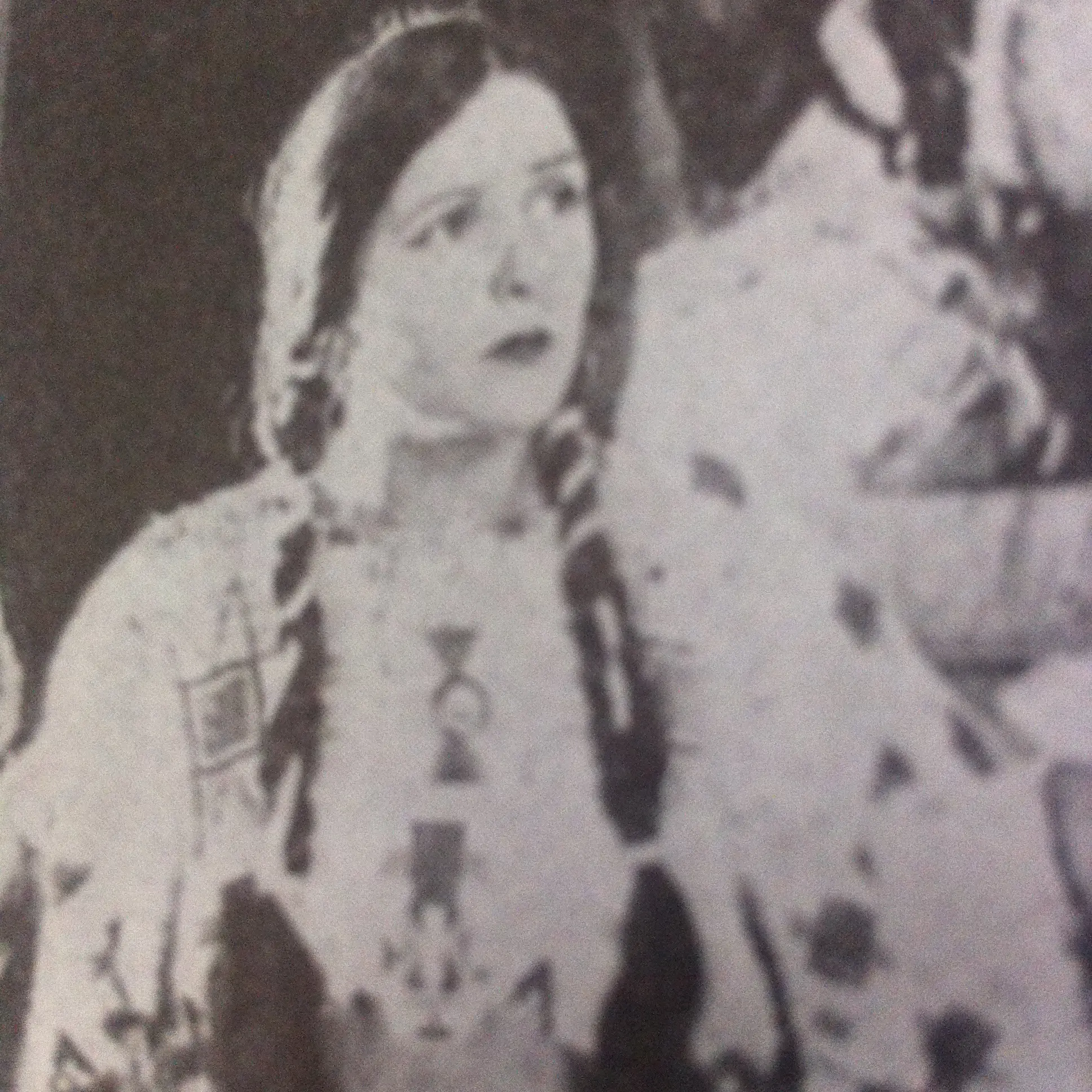
Compared to the lighter, more whimsical roles seen in Bab's Diary, Talmadge here is exploring the shadows. The scene where she realizes Wells has no intention of returning is a harrowing sequence of realization and collapse. It is cinema at its most raw, stripped of dialogue and relying entirely on the visceral connection between the actor and the lens. This is where The Heart of Wetona finds its permanence; it is a testament to the power of the human face to narrate a tragedy.
While the film’s conclusion leans toward a more conventional resolution, the journey there is fraught with genuine complexity. It touches upon themes of loyalty that are as profound as those in Loyalty and the high-stakes moral dilemmas of The King's Game. Even the religious undertones, though less overt than in The Sign of the Cross, suggest a world where redemption is possible but comes at a significant cost.
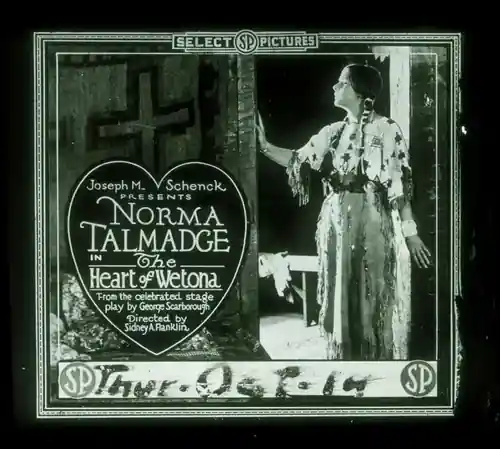
In the broader context of silent cinema, The Heart of Wetona is a crucial link in the development of the psychological drama. It moves away from the simple 'good vs. evil' dichotomy and enters a gray area where characters are motivated by fear, shame, and a desperate need for belonging. Even in its depiction of the 'other,' there is a nascent attempt at empathy that distinguishes it from the more xenophobic tendencies of early 20th-century media. It doesn't quite reach the avant-garde sensibilities of Niños en la alameda, but it occupies a unique space in the American canon.
The production values of the film are remarkably high for 1919. The sets, from the rustic agency office to the Comanche encampments, are rendered with a level of detail that provides a strong sense of verisimilitude. The lighting, often utilizing natural sources to create harsh shadows and brilliant highlights, enhances the film’s dramatic tension. This isn't the glossy, artificial world of The Golden Wall; it is a world of grit and consequence. The editing, too, is surprisingly fluid, building suspense during the film’s more action-oriented sequences with a rhythm that feels remarkably contemporary.
Ultimately, The Heart of Wetona is a film about the endurance of the human spirit in the face of systemic and personal betrayal. It is a story of a woman who, despite having her agency stripped away by the men in her life, finds a way to forge a new existence. It may be a 'playing with fire' scenario—to borrow the title of Playing with Fire—but the fire here doesn't just consume; it tempers. Norma Talmadge’s Wetona is not a victim, but a survivor whose heart, though battered, remains the unbreakable center of this cinematic storm.
For those interested in the evolution of the silent film, this is essential viewing. It showcases a star at the height of her powers and a director who understood that the most compelling landscapes are the ones found within the human soul. It is a haunting, beautiful, and deeply evocative piece of film history that demands to be seen and discussed through both a historical and a modern lens.
IMDb 7.2
1922
Community
Log in to comment.