DbcultAccessing Vault...
Cult Review
Senior Film Conservator
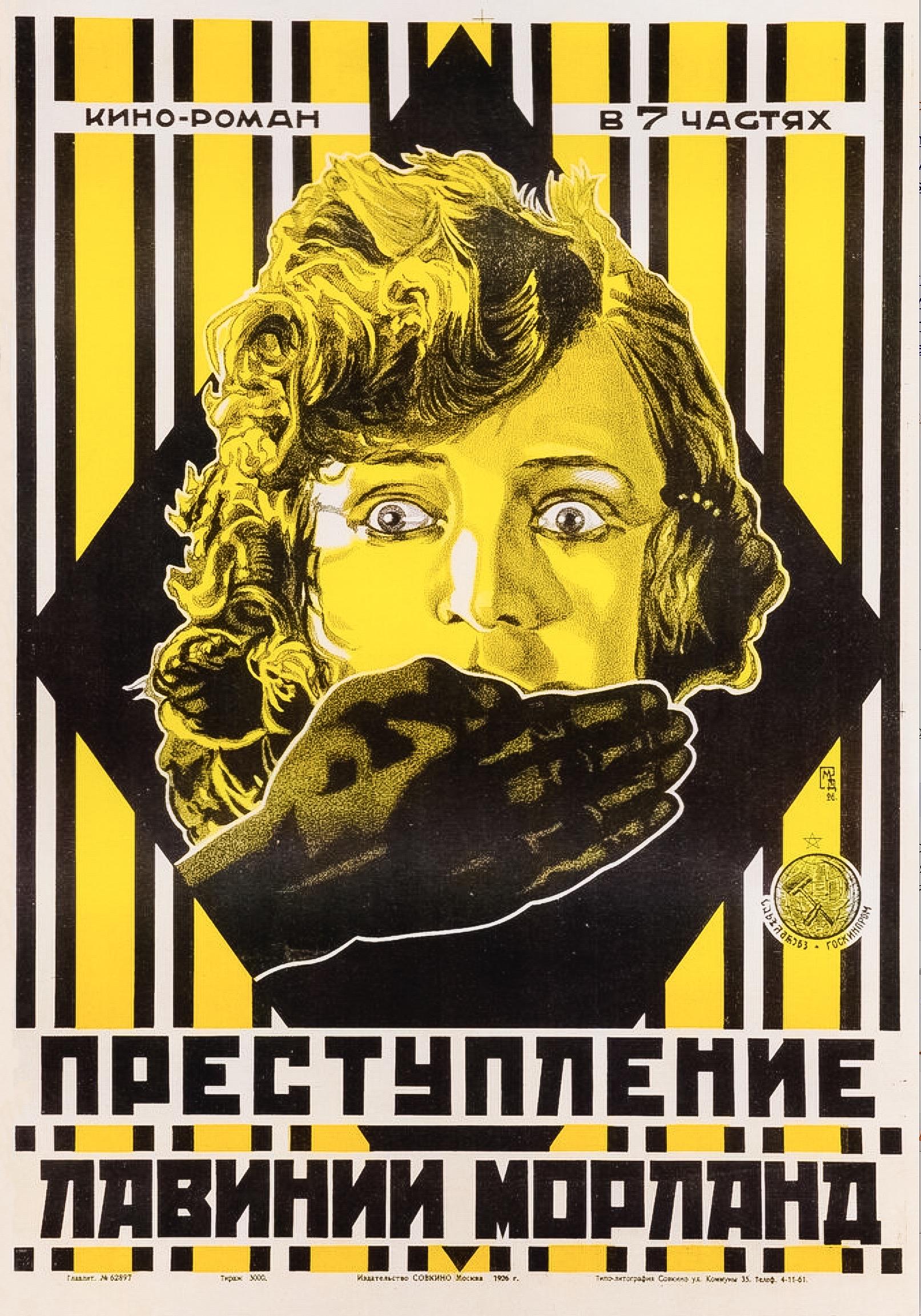
There's a certain ineffable magic to silent cinema, a language of gesture, expression, and meticulously framed imagery that transcends the spoken word. Die Schuld der Lavinia Morland, a cinematic gem from an era long past, stands as a testament to this power, delivering a narrative so rich in moral complexity and human drama that it resonates with startling clarity even today. This isn't just a film; it's a profound exploration of sacrifice, betrayal, and the often-blurry lines between right and wrong, all told through the silent, yet thunderous, artistry of its creators.
At its core, the film presents us with the eponymous Lavinia Morland, portrayed with exquisite pathos by the incomparable Mia May. Her character is immediately plunged into an unenviable predicament, a crucible of emotional and financial despair. Lavinia is deeply enamored with a struggling, ailing artist, his life hanging precariously in the balance. To secure the exorbitant medical care and sustenance he so desperately requires, she makes the ultimate sacrifice: she enters into a marriage of convenience with a wealthy, much older banker, a man whose coffers are deep but whose heart, presumably, holds no true claim to hers. This initial premise immediately establishes a profound ethical dilemma, one that sets the stage for the ensuing maelstrom of events. It's a situation not entirely dissimilar to the moral compromises explored in films like The Royal Pauper, where characters are forced to navigate societal expectations and personal desires, often with devastating consequences.
Lavinia's calculated decision, born of a selfless devotion, is a tightrope walk over an abyss of deceit. She exists in a gilded cage, her outward comfort a stark contrast to the internal turmoil she undoubtedly experiences. The tragedy of her situation is palpable; she is a woman trapped by circumstances, her agency seemingly reduced to a single, agonizing choice between her lover's life and her own emotional integrity. Mia May's performance here must have been a masterclass in subtlety, conveying layers of grief, determination, and quiet desperation through her eyes and posture alone. One can only imagine the nuanced expressions that painted her face as she navigated the polite fictions of her new life, all while her heart yearned for another.
The fragile peace of Lavinia's arrangement is, inevitably, shattered. A third party, a woman whose motivations remain somewhat shrouded but whose impact is undeniable, reveals Lavinia's true affections to her banker husband. This moment serves as the pivotal turning point, transforming a silent drama of personal sacrifice into a burgeoning melodrama of revenge and betrayal. The banker, played with a chilling intensity by Albert Steinrück, is not merely hurt; he is utterly humiliated and enraged. His wounded pride curdles into a sinister desire for retribution. His response is not one of understanding or even quiet despair, but of cold, calculating vengeance, a stark contrast to the more nuanced emotional responses often depicted in contemporary dramas.
Steinrück's portrayal of the banker is crucial here. He is not a cartoonish villain but a man whose patriarchal authority and personal dignity have been profoundly affronted. His decision to hire a disreputable and bogus count to compromise his wife is a testament to the era's rigid social codes and the devastating power wielded by men in positions of wealth and influence. This plot device, a classic trope of the period, highlights the vulnerability of women to social ruin and the ease with which reputations could be destroyed. The 'bogus count' becomes a tool, a mercenary of manipulation, tasked with fabricating a scenario that would publicly disgrace Lavinia and provide the banker with irrefutable grounds for divorce. It’s a cruel, elaborate psychological game, designed not just to end a marriage but to utterly destroy a woman's standing.
The narrative builds with an almost unbearable tension as Lavinia unwittingly falls into this meticulously crafted trap. The moment of her realization, the dawning horror that her husband has orchestrated her downfall, must have been rendered with gut-wrenching force. It's a betrayal on a scale that transcends mere infidelity; it's an assault on her very being, a calculated effort to strip her of her dignity and agency. In that moment of profound desperation and stark clarity, Lavinia's actions take an irreversible turn. She kills her husband. This act, while shocking, can be understood as a primal response to an existential threat, a woman pushed beyond the brink, defending herself against a psychological and social annihilation that felt as lethal as any physical attack. The sheer audacity of this plot point, particularly for its time, speaks volumes about the writers' (Wilhelm Auspitzer, Joe May, Ernest Vajda) willingness to push boundaries and explore the darkest corners of human experience.
What follows is perhaps the most compelling segment of the film: the courtroom drama. Here, the film shifts its focus from intimate betrayal to public judgment. Lavinia, now accused of murder, stands before a jury and society. Her story, told in a silent film through powerful intertitles and the raw, expressive acting of Mia May, becomes her defense. It's a narrative of impossible choices, of love's demands, of a husband's cruel vengeance, and of a woman's desperate fight for survival. The power of her testimony, her ability to articulate the profound injustices she faced, is what ultimately procures her release. This outcome, an acquittal for murder committed under such duress, is remarkably progressive for its time, suggesting a nascent understanding of psychological coercion and the complexities of human motivation. It challenges the simplistic notions of guilt and innocence, inviting the audience to empathize with a character who, by conventional standards, is a murderer, but by humanistic standards, is a victim of circumstance and malevolent design.
The direction, likely overseen by Joe May (who also co-wrote the script), would have been instrumental in conveying these intricate emotional shifts. Silent films relied heavily on visual metaphors, chiaroscuro lighting, and dynamic editing to build mood and character. One can imagine scenes bathed in shadow to reflect Lavinia's despair, or sharp cuts to emphasize the banker's sudden rage. The visual storytelling would have been paramount, transforming the written plot into a living, breathing spectacle of human frailty and resilience. The collaborative effort of writers Wilhelm Auspitzer, Joe May, and Ernest Vajda clearly forged a narrative that was both dramatically engaging and morally provocative, daring to delve into the ambiguities of justice.
Beyond the central trio of Mia May, Albert Steinrück, and the unseen artist, the film's supporting cast would have added significant texture. Actors like Paul Bildt, Albert Patry, Mien Duymaer Van Twist, Kitty Aschenbach, Otto Treptow, Rosa Valetti, Alfred Gerasch, and even the young Loni Nest (whose presence often lent an innocent, vulnerable quality to early cinema) would have contributed to the rich tapestry of this silent world. Their collective performances, though often in smaller roles, would have anchored the film in a believable social reality, highlighting the ripple effects of Lavinia's desperate actions on those around her.
The thematic resonance of Die Schuld der Lavinia Morland extends far beyond its specific plot. It's a powerful commentary on the constraints placed upon women in early 20th-century society, where economic dependence often dictated personal freedom. Lavinia's choice, though extreme, speaks to the limited options available to women seeking to protect their loved ones or secure their own futures. It also explores the destructive nature of unchecked pride and the capacity for cruelty that can emerge from wounded ego. The film’s exploration of justice, particularly the idea of a jury being swayed by a compelling, humanizing narrative, suggests a belief in the inherent fairness of the legal system, even when faced with seemingly clear-cut transgressions.
In an era where many films focused on simpler morality tales, Die Schuld der Lavinia Morland stands out for its sophisticated moral ambiguity. It doesn't offer easy answers or clear-cut villains. Instead, it invites the audience to grapple with the complex motivations that drive human behavior. Lavinia is both a victim and a perpetrator, her actions a direct consequence of a series of impossible circumstances. This nuanced portrayal elevates the film beyond mere melodrama, placing it firmly in the realm of profound psychological drama. One might even draw parallels to the intricate web of deceit and moral compromise seen in films like Notorious Gallagher; or, His Great Triumph, where characters are often forced into morally dubious situations with far-reaching consequences.
The film's legacy, though perhaps not as widely celebrated as some of its contemporaries, lies in its unflinching portrayal of human desperation and its surprisingly progressive stance on female agency and justice. It reminds us that silent films were not merely precursors to sound cinema but a fully developed art form capable of immense emotional depth and intellectual complexity. For modern audiences, watching Die Schuld der Lavinia Morland offers a unique window into a pivotal period of cinematic history, showcasing the masterful storytelling techniques that defined the silent era. It’s a compelling argument for the enduring power of visual narrative, proving that sometimes, the most resonant stories are told without a single spoken word, allowing the audience to truly 'read' the emotions etched onto the screen.
Ultimately, Die Schuld der Lavinia Morland is more than just a historical curiosity; it's a timeless tragedy infused with elements of psychological thriller and courtroom drama. It challenges perceptions of guilt and innocence, explores the profound depths of love and betrayal, and celebrates the resilience of the human spirit in the face of overwhelming adversity. Its intricate plot, powerful performances, and compelling themes solidify its place as an essential piece of early cinematic artistry, a film that continues to provoke thought and stir the soul, long after its initial flickering images graced the silver screen.
IMDb 6.6
1934
Community
Log in to comment.