Summary
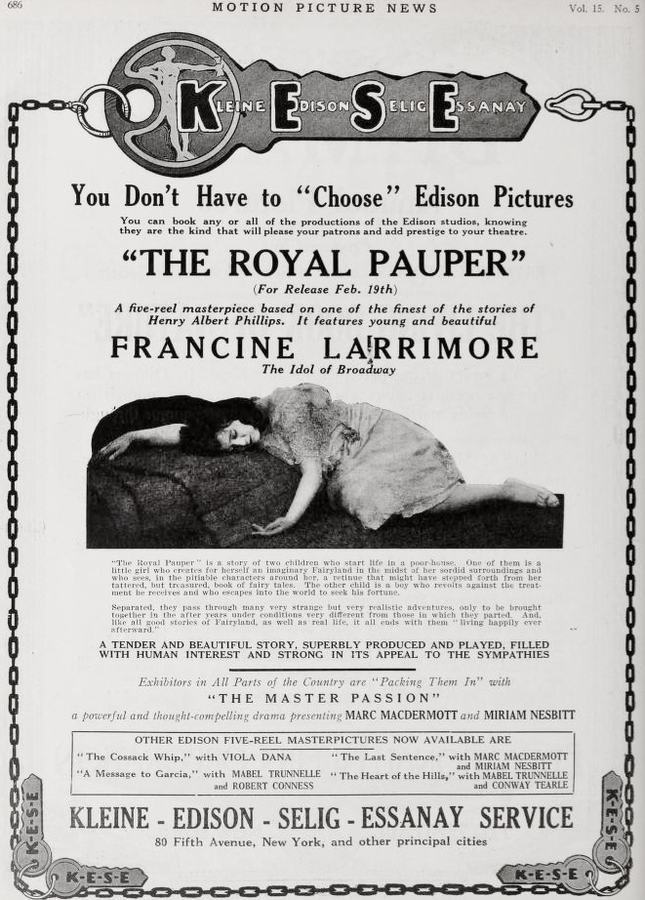
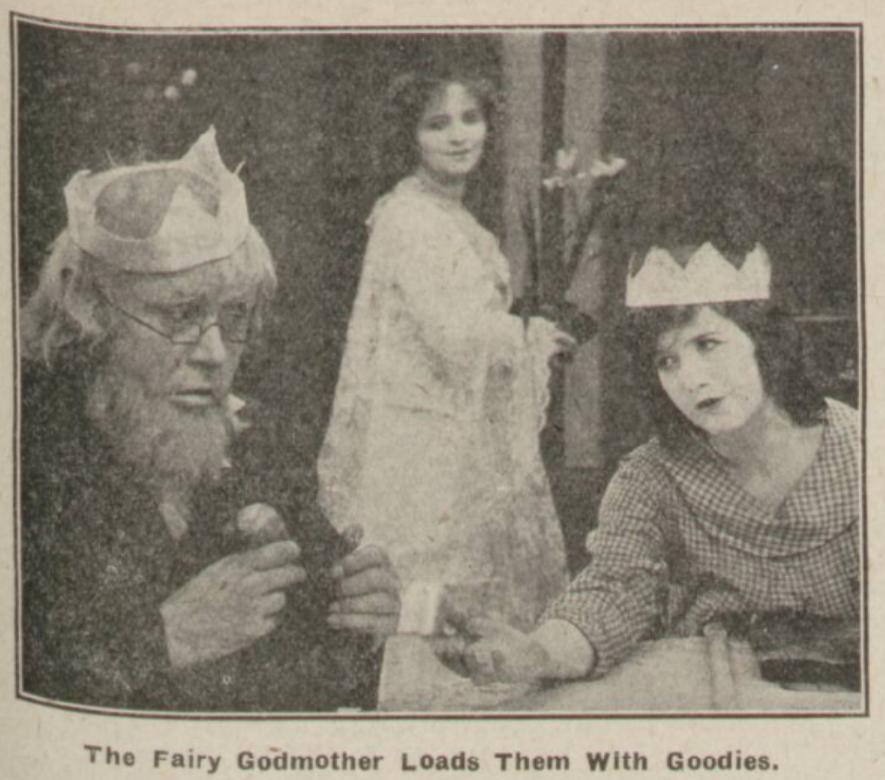
A soot-smeared foundling, intoxicated on Andersen and Perrault, spins soot into silk inside a workhouse whose walls perspire despair; she crowns a palsied pauper her "king" and a scrawny boy her storybook knight, then flees the superintendent’s leather strap into the fog of an industrial North that clangs like a broken bell. Rescued by the child-starved wife of a mill-baron whose soul is forged from iron and ledgers, the girl—half rag, half radiance—softens the tyrant’s anvil-heart while the boy, now ink-stained visionary, returns clutching blueprints that could unshackle labor from its medieval yoke. Enter Carruthers, velvet-gloved predator, who pilfers the plans, only to be outwitted by a mongrel dredged from the same gutter as the princess; the blueprints, like homing doves, flutter back into the furnace-glow of the mill just as the workers hurl their aprons into the air and the baron’s life hangs on a single thread of heretic mercy. In the finale, the factory’s soot is swapped for ermine, the foundling becomes queen of a banquet where paupers and plutocrats break bread under chandeliers of forgiveness, proving that fairy tales can germinate even in the slag-heaps of capitalism.
Synopsis
The Princess is a fairy-tale-loving workhouse child, who pretends an aged pauper and a boy inmate of her home are individuals like those she reads of. Ill-treated by the female superintendent, the three run away, and are sheltered by the childless wife of a mill-owner, who takes a fancy to the girl and adopts her, against her tyrant husband's wishes. The girl wins the tyrant's heart, and lives in the hope of meeting the runaway workhouse boy, her Prince Charming. Later on he turns up as the inventor of plans for a loom which will revolutionize the mill industry. Carruthers, a refined rogue, comes courting the " Princess," and overhears the inventor offering his loom for a huge sum of money and complete control of the works to his tyrant employer, which the latter refuses. Carruthers steals and hides the plans, which are unearthed by the workhouse dog, and find their way back the tyrant. A strike is declared, and the tyrant defies his men. The "Princess " intervenes, saves her adopted father's life, meets her "Prince," and Carruthers is "shown up" in all his villainy. A workhouse banquet, attended by the inmates, the adopted parents and the sweethearts, all in "ermined robes," to keep up the fairy tale, leads to mutual admiration, and happiness and wealth to all.
Review Excerpt
"
Shadows lengthen like ink in water across the opening shot: a workhouse courtyard at dusk, where a single tallow lantern swings, its flame guttering against the sooty snow. Into this chiaroscuro steps our unnamed protagonist—pigtails frayed like unraveling promise—clutching a mutilated picture-book whose gold leaf has been eroded by grubby thumbs. She mouths the word princess as if it were a spell, and the camera, drunk on her wonder, dollies until her irises fill the frame: two miniature plan..."