DbcultAccessing Vault...
Cult Review
Senior Film Conservator
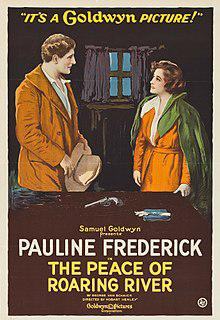
In the annals of silent cinema, where emotion often spoke louder than any dialogue, certain films emerge as timeless testaments to the human spirit's enduring capacity for resilience and hope. George E. Van Schaik's narrative for The Peace of Roaring River stands as one such compelling example, weaving a delicate yet robust tapestry of mistaken identity, desperate choices, and the profound search for belonging. This film, a poignant relic from an era defined by visual storytelling, invites us to delve into a world where circumstances dictate fate, and the unexpected blossoms from the seeds of adversity.
At the heart of this captivating drama is Madge Nelson, portrayed with an exquisite blend of vulnerability and steely resolve by the incomparable Pauline Frederick. Frederick, a luminary of the silent screen, imbues Madge with a tangible sense of desperation that resonates deeply. Her character's plight is stark: a dire medical diagnosis necessitating a move to the restorative countryside, juxtaposed against an utterly depleted financial standing in the unforgiving urban sprawl. This is not merely a tale of inconvenience; it is a narrative rooted in survival. Madge's decision to answer an advertisement for a mail-order bride, destined for a remote Nevada mining town, isn't born of romantic fantasy but a stark, pragmatic calculation for her very existence. It's a leap of faith into the unknown, a desperate gambit for a chance at life, health, and perhaps, some semblance of peace. The film masterfully conveys the weight of this decision, not through exposition, but through Frederick's nuanced expressions – the flicker of hope in her eyes battling against the weariness of her soul. Her journey echoes the trials faced by many women in the early 20th century, often constrained by societal expectations and limited opportunities, a thematic thread that subtly connects to the struggles depicted in films like The Valley of the Moon or even the sheer desperation seen in Auction of Souls, albeit with a far less tragic outcome for Madge.
Enter Hugo Ennis, the intended groom, a miner in Nevada, brought to life by Thomas Holding. Holding presents Hugo as a man of unassuming decency, utterly oblivious to the matrimonial machinations unfolding around him. His innocence in the face of such a significant life event forms the dramatic crux of the film's initial conflict. The audience is privy to the deception from the outset: a scorned lover, fueled by bitterness and a desire for humiliation, has orchestrated this entire charade. Corinne Barker, as this vindictive antagonist, skillfully portrays the venomous intent behind the scheme, her actions setting in motion a chain of events that will irrevocably alter the lives of Madge and Hugo. This element of pre-meditated romantic sabotage, though less overtly sinister, shares a narrative kinship with the intricate webs of deceit found in features like Smerch lyubovnyy, where love and betrayal are inextricably linked. The irony of Madge's desperate hope colliding with Hugo's utter bewilderment upon her arrival creates a potent emotional tension, leaving the viewer to ponder how such a profound misunderstanding could possibly resolve itself into anything resembling peace.
Madge's arrival in Nevada is a masterful study in cinematic contrast. The bustling, claustrophobic city life she leaves behind is starkly juxtaposed with the vast, untamed beauty and harsh realities of the mining country. This geographical shift is not merely a change of scenery; it is a profound transformation of Madge's world, demanding a different kind of resilience. The barren yet majestic landscapes of Nevada become a character in themselves, mirroring the emotional ruggedness required to survive in such an environment. The initial meeting between Madge and Hugo is fraught with awkwardness, confusion, and a burgeoning sense of betrayal for Madge, and utter shock for Hugo. The film excels in depicting these raw, unvarnished emotions through the actors' physicality and facial expressions, a testament to the power of silent acting. The 'peace' promised in the title seems a distant, unattainable dream amidst this chaos, yet it subtly hints at the journey towards finding serenity not in the absence of conflict, but in the forging of new bonds and understanding. The setting, reminiscent of the untamed spirit seen in The Girl from Outback, provides a compelling backdrop for these deeply human dramas.
What truly elevates The Peace of Roaring River beyond a simple tale of misunderstanding is its meticulous exploration of how Madge and Hugo navigate the treacherous waters of the deception. Instead of succumbing to despair or immediate rejection, the narrative carefully crafts a path towards mutual understanding and, eventually, a tentative connection. Madge, despite the crushing blow to her hopes, cannot simply retreat. Her health and financial constraints dictate that she must find a way forward. Hugo, confronted with an innocent woman caught in a trap not of her making, demonstrates an inherent decency and compassion. He recognizes her vulnerability and extends a helping hand, even as he grapples with the indignity of the situation. This period of forced cohabitation, initially born of necessity, slowly allows them to see beyond the circumstances and into each other's character. It’s a beautifully understated portrayal of how genuine human connection can blossom even from the most unpropitious beginnings. The quiet moments, the shared glances, and the unspoken understanding between Frederick and Holding are particularly powerful, demonstrating the mastery of non-verbal communication that defined the era.
While Pauline Frederick and Thomas Holding anchor the film with their central performances, the supporting cast provides essential texture and depth to the narrative. Lydia Yeamans Titus, often a vibrant presence in silent comedies, here offers a more grounded, perhaps maternal, figure who witnesses the unfolding drama with a blend of wisdom and concern. Her presence often serves as a silent commentator, reflecting the community's perspective without needing explicit dialogue. Hardee Kirkland, a seasoned actor and director, contributes to the film's authenticity, his character adding to the rugged realism of the mining community. Eddie Sturgis and Corinne Barker round out the ensemble, with Barker's portrayal of the scorned lover being particularly effective in establishing the initial conflict. Her actions, though brief, are the undeniable catalyst for the entire plot, a pivotal force that sets Madge and Hugo on their unexpected trajectory. The interplay between these characters, even in their silent interactions, enriches the film's world, making the remote Nevada setting feel lived-in and authentic. Their reactions and subtle gestures contribute significantly to the audience's understanding of the emotional stakes, a testament to the collaborative artistry of silent filmmaking.
The central theme of The Peace of Roaring River lies in its exploration of how peace is not a static state, but often a hard-won journey. Madge's initial quest for health and tranquility is derailed by deceit, yet she ultimately finds a different kind of peace – one rooted in genuine connection and acceptance, rather than the idyllic countryside she initially sought. The film suggests that true serenity emerges from navigating life's challenges with courage and an open heart. It's a powerful statement on resilience, demonstrating that even when circumstances are thrust upon us, our response shapes our destiny. This thematic depth, exploring personal fortitude in the face of overwhelming odds, resonates with the introspective journeys found in films like The Reed Case, where characters must unravel complex situations to find their truth. The narrative also subtly critiques societal pressures on women, forcing Madge into an unconventional path for survival, highlighting the limited options available at the time. Yet, it avoids becoming overtly didactic, preferring to tell a personal story of triumph over adversity.
As a product of the silent era, The Peace of Roaring River is a masterclass in visual storytelling. The absence of spoken dialogue necessitated a heightened reliance on cinematography, mise-en-scène, and the expressive power of the actors. Director George E. Van Schaik and his team employed these tools with remarkable skill. The framing of shots, the use of lighting to convey mood, and the meticulous blocking of actors all contribute to a narrative clarity that transcends the need for words. Pauline Frederick, in particular, showcases the pinnacle of silent acting, her every gesture, every subtle shift in facial expression, conveying volumes of emotion. From the initial despair in her city apartment to the cautious hope in the Nevada wilderness, her performance is a testament to the nuanced communication possible without sound. The film employs intertitles sparingly but effectively, ensuring that key plot points and emotional beats are understood without disrupting the visual flow. This delicate balance between image and text is a hallmark of well-crafted silent cinema, drawing the audience into the story through a purely sensory and emotional experience. The film, much like The Darling of Paris, relies on grand visual gestures and emotive performances to convey its narrative weight.
The strength of The Peace of Roaring River ultimately rests on the narrative foundation laid by George E. Van Schaik. His script, while seemingly straightforward, is rich with dramatic irony and character development. Van Schaik understands the power of placing sympathetic characters in impossible situations, allowing their inherent goodness and resilience to shine through. The plot avoids simplistic resolutions, instead opting for a more gradual and believable evolution of the relationship between Madge and Hugo. The initial deception isn't magically erased; it's confronted and worked through, allowing for a more profound and earned connection to form. This nuanced approach to storytelling ensures that the audience remains invested, eager to witness how these two individuals, brought together by such unusual circumstances, will forge a future. The pacing of the narrative, building tension through Madge's journey and the initial misunderstanding, then slowly unfurling the path to mutual respect and affection, is expertly handled, a testament to Van Schaik's understanding of cinematic rhythm and emotional impact.
The Peace of Roaring River may not be as widely known as some of its more epic silent counterparts, but its quiet charm and compelling narrative make it a deserving subject of rediscovery. It offers a window into the emotional landscape of its time, presenting universal themes of struggle, hope, and the unexpected blossoming of human connection. The film serves as a reminder of the artistic sophistication of the silent era, where storytelling was an intricate dance of visual cues and emotive performances. For enthusiasts of classic cinema, it provides a rich experience, showcasing the talents of Pauline Frederick and Thomas Holding in roles that demand both vulnerability and strength. Its exploration of identity, deception, and the arduous path to finding one's place in the world remains as relevant today as it was upon its release. It's a film that quietly asserts the power of human decency and the enduring quest for genuine peace, no matter how tumultuous the journey to find it may be. In an era often romanticized, this film grounds its narrative in a compelling realism that allows its message to resonate deeply, confirming its place as a significant, if understated, contribution to film history. Its narrative complexity and emotional sincerity offer a more profound engagement than many of its contemporaries, securing its position as a remarkable piece of cinematic heritage.

IMDb —
1918
Community
Log in to comment.