DbcultAccessing Vault...
6.8/10
Senior Film Conservator
A definitive 6.8/10 rating for a film that redefined the boundaries of cult cinema. Die Stadt der Millionen remains a cornerstone of transgressive art.
The City of Millions, a cinematic odyssey through 1925 Berlin, is not merely a film but a time capsule. Directed with a masterful touch, this portrait of the city is a blend of serenity and dynamism, reflecting the unique spirit of the Weimar era. Adolf Trotz, the lead actor, embodies the essence of the era, while the screenplay by Emil Endres and Willy Rath provides the narrative backbone that juxtaposes the city's modernity with its emotional depth.
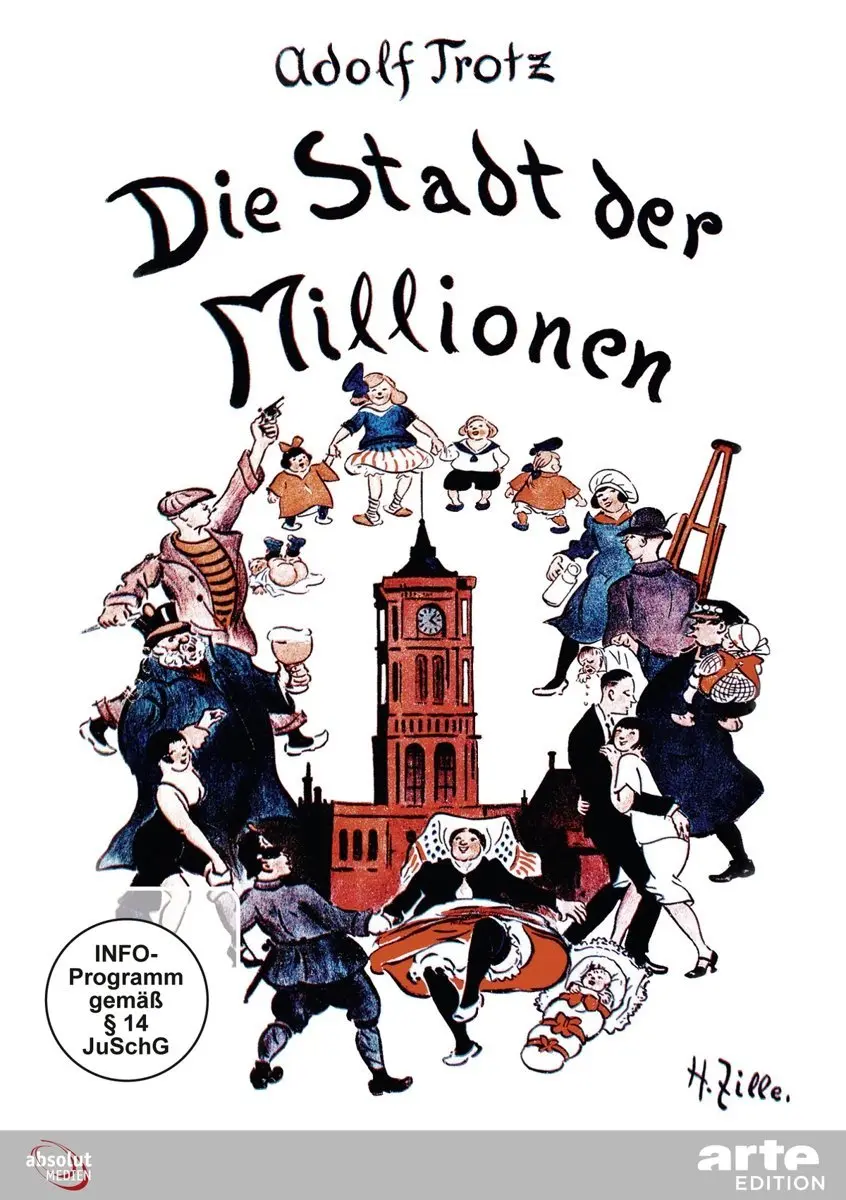
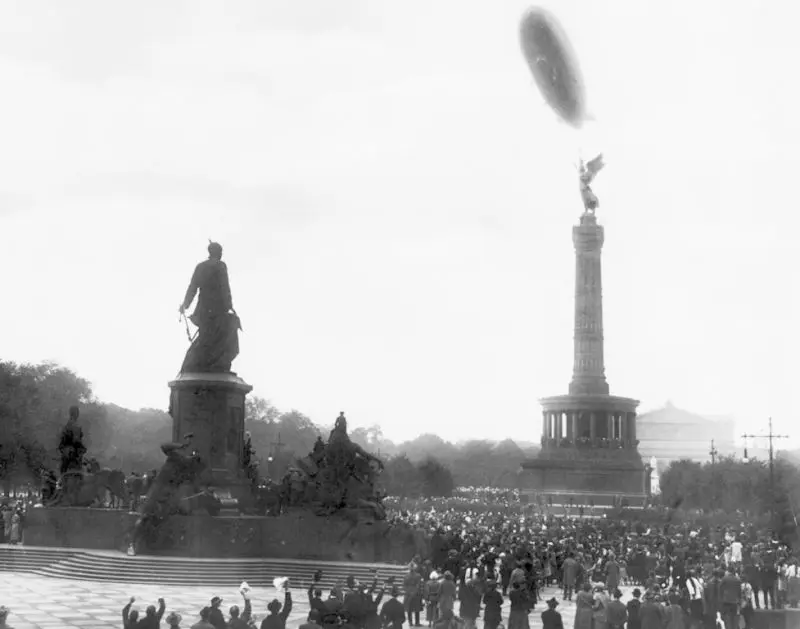
From the outset, the film immerses viewers in the life of Berlin, a city that was both a beacon of innovation and a place of profound human emotion. The cinematography is spectacular, capturing the sprawling cityscape with a keen eye for detail. Every frame is a masterpiece, from the bustling streets filled with people and traffic to the quieter moments in public parks where families and lovers find solace. The film's ability to depict the city's various moods and personas is a testament to the collaboration between the director and the cinematographer.
The narrative structure is as intricate as the city itself. It weaves together different storylines that intersect and diverge, mirroring the complex and often contradictory nature of urban life. We follow the lives of various characters, each adding a layer to the city's fabric. There are the everyday citizens going about their routines, the artists and intellectuals contributing to the cultural renaissance, and the couples navigating the complexities of love and relationships. The film's exploration of these diverse experiences provides a comprehensive view of the city's vitality and its people's emotions.

One of the film's strengths lies in its ability to capture the sentiments of the era. The Weimar period was marked by a profound sense of hope and a desire for progress, which is palpable in the film's portrayal. The characters are not just passive observers; they are active participants in shaping the city's future. Their stories are intertwined with the broader historical context, making The City of Millions more than a simple documentary; it is an immersive experience that allows viewers to feel the pulse of the times.
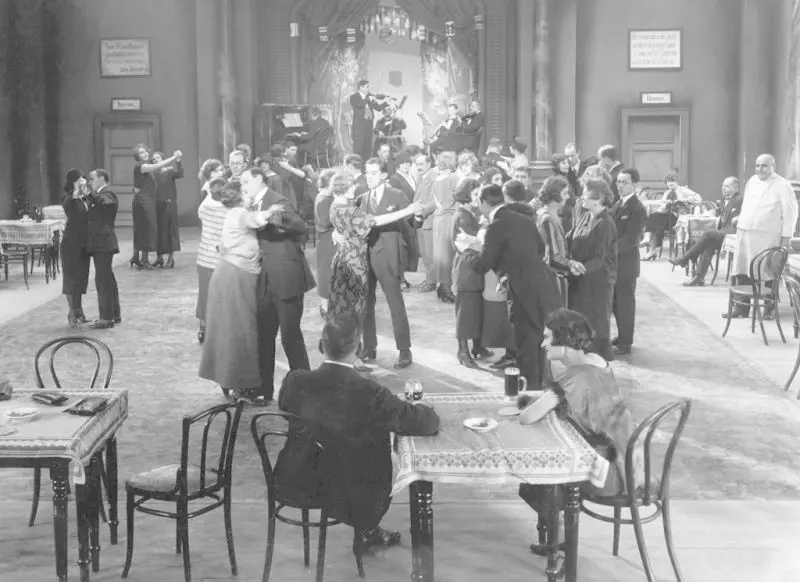
The performances, particularly by Adolf Trotz, are exceptional. His portrayal of a character who embodies the spirit of the city is both nuanced and compelling. The supporting cast also delivers strong performances, bringing depth and realism to their roles. The chemistry between the actors is palpable, contributing to the film's overall authenticity.

The film's soundtrack is another noteworthy element. Composed to enhance the mood and underscore the emotional moments, it plays a crucial role in transporting the audience back in time. The music captures the era's distinct flavor, blending traditional German tones with the influences of the modern era. It is a perfect complement to the visual storytelling, providing an auditory experience that is as immersive as the cinematography.
The City of Millions is not without its challenges. The film's runtime at nearly four hours can be daunting for some viewers, but this length is justified by the sheer depth and breadth of its content. It demands a willingness to immerse oneself in the narrative, but the reward is a profound understanding of the city and its inhabitants.
Comparatively, The City of Millions stands alongside other notable works of the era, such as Sapho (1917) and St. Elmo (1923), both of which offer glimpses into the city's cultural and social life. However, The City of Millions excels in its comprehensive portrayal, providing a more intimate and detailed look at the lives of the people who lived and breathed the city's atmosphere.
For those interested in the history and culture of the Weimar era, The City of Millions is an indispensable film. It not only serves as a historical document but also as an artistic endeavor that captures the essence of an era. Its enduring relevance lies in its ability to transport viewers to a bygone time while also resonating with contemporary themes of urban life and human emotion. The City of Millions is a visual and emotional journey through one of the most fascinating periods in Berlin's history.

IMDb —
1918
Community
Log in to comment.