DbcultAccessing Vault...
6.7/10
Senior Film Conservator
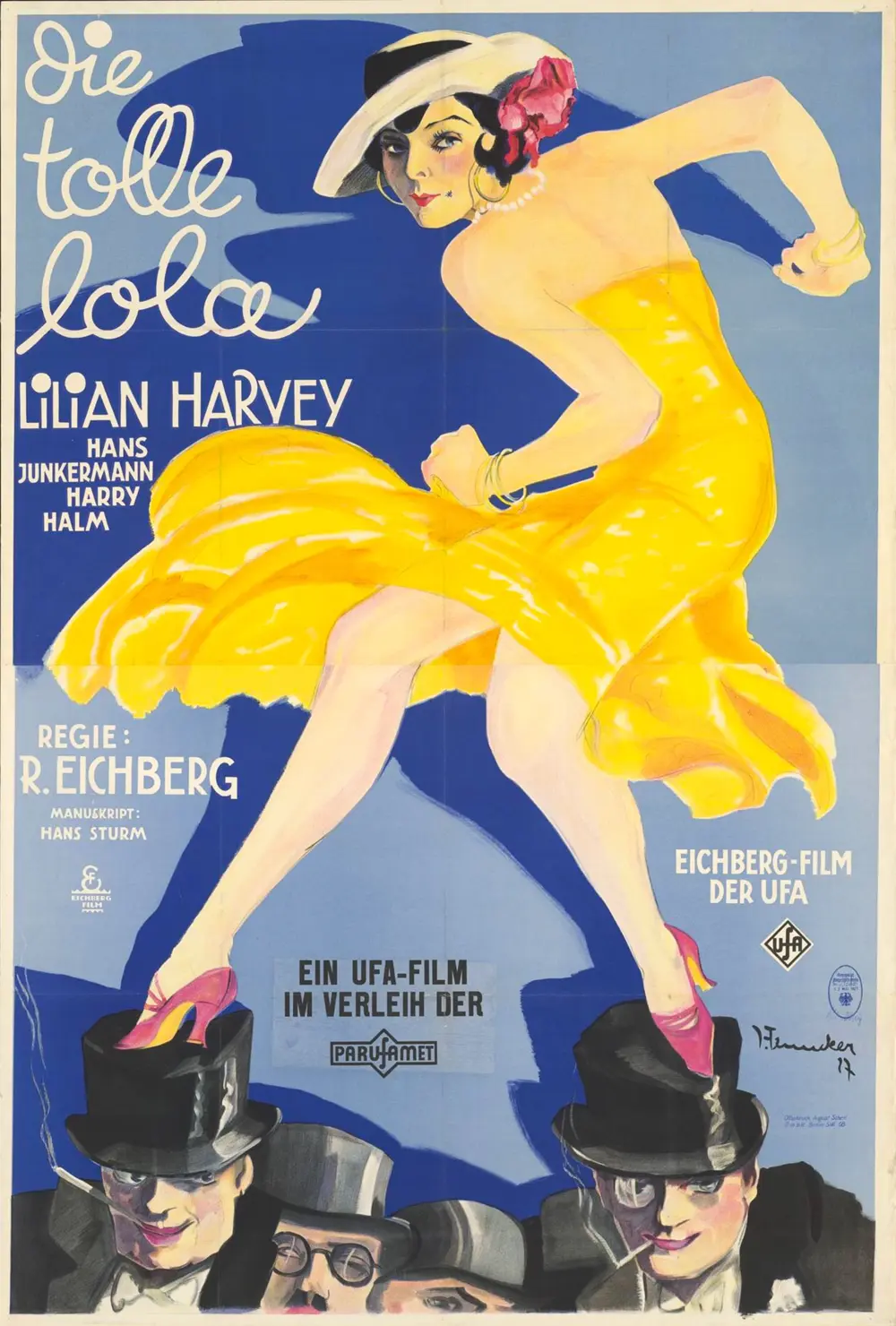
A definitive 6.7/10 rating for a film that redefined the boundaries of cult cinema. Die tolle Lola remains a cornerstone of transgressive art.
Is "Die tolle Lola" worth your time in 2024? It delivers charm and mischief, yet its dated sensibilities limit its universal appeal.
This film works because Lilian Harvey’s magnetic performance turns a conventional plot into a lively character study.
This film fails because the screenplay leans on predictable tropes, leaving deeper themes underexplored.
You should watch it if you enjoy period pieces that blend music, romance, and a dash of satire.
For fans of classic German cinema, "Die tolle Lola" offers a rare glimpse into the pre‑war entertainment industry. The film’s set pieces—particularly the opening cabaret number where Lola commands the stage with a wink and a high‑kick—are unforgettable. However, viewers seeking a modern narrative rhythm may find the pacing sluggish.
It works. But it’s flawed.
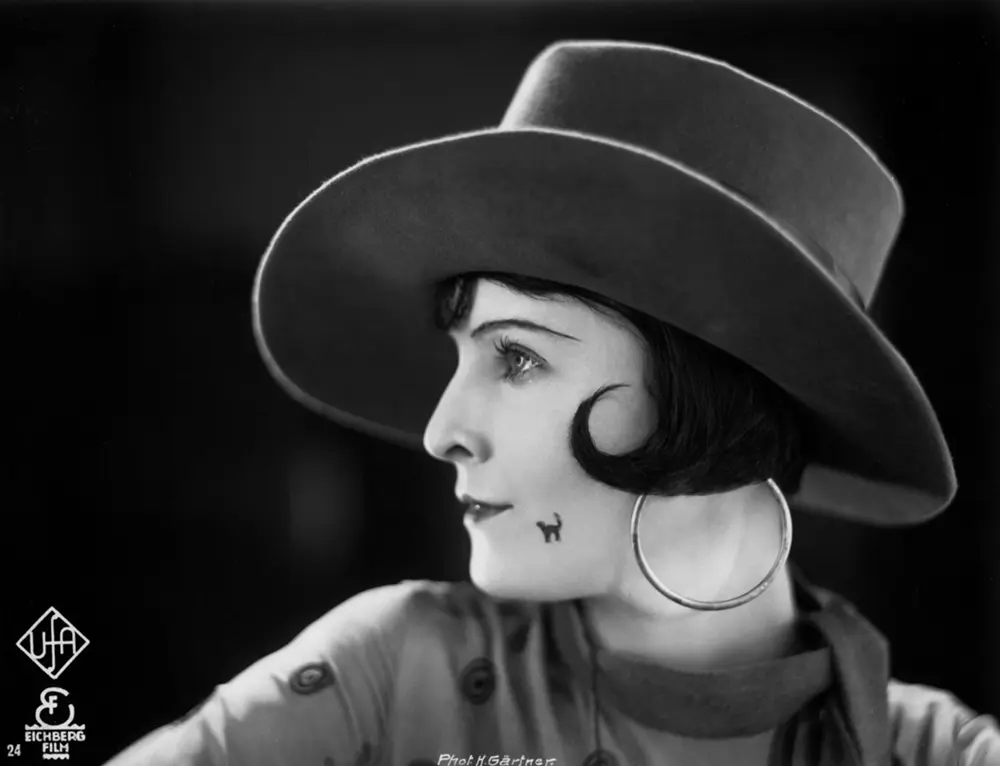
Lilian Harvey dominates every frame. In the scene where Lola confronts her suitor Hans Junkermann’s character in a rain‑soaked alley, her eyes flash a mixture of defiance and longing, a moment that feels more like a silent film’s climax than a 1930s talkie. Gyula Szöreghy, as the aristocratic benefactor, provides a smooth counter‑point, delivering his lines with a practiced aristocratic drawl that underscores his character’s manipulative charm. Harry Halm’s comic relief as Lola’s bumbling manager adds a necessary lightness, especially during the chaotic rehearsal montage that mirrors the frantic energy of "Im weißen Rößl" (href="/movies/im-weien-rol").
The supporting cast, particularly Julia Serda, brings gravitas to the role of Lola’s stern mother, whose disapproval is palpable in a quiet kitchen scene where she folds laundry while silently judging Lola’s ambitions.
Director Hans Stürm balances theatricality with realism. His decision to film the nightclub sequence in a single, sweeping crane shot creates an immersive atmosphere, pulling the audience into Lola’s world. Yet, the same director falters in the melodramatic courtroom scene, where the dialogue feels forced, betraying the film’s otherwise witty tone.
An unconventional observation: the film’s use of die‑getic music as a narrative device predates the techniques later popularized in "The Ghosts of Yesterday" (href="/movies/the-ghosts-of-yesterday"). The recurring leitmotif—Lola’s humming of a simple three‑note phrase—acts as an emotional barometer throughout the film.
Cinematographer Hans Junkermann captures Berlin’s contrasting landscapes with a keen eye. The opening sunrise over the Spree River, shot in soft focus, establishes a hopeful tone. In contrast, the chiaroscuro lighting of the final act, where Lola stands alone on a dimly lit stage, underscores her isolation.
A standout visual moment is the mirror montage during Lola’s dressing room preparation. The fragmented reflections symbolize her fractured identity—a technique rarely seen in German cinema of the era.
The film follows a conventional three‑act structure but suffers from uneven pacing. The first act briskly introduces characters and stakes, especially during the lively opening number. The second act drags with repetitive rehearsal sequences, while the third act rushes through the climax, leaving little room for emotional resonance.
Comparatively, "The Tiger Band" (href="/movies/the-tiger-band") maintains a tighter rhythm, making "Die tolle Lola" feel like a stretched waltz.
The film oscillates between light‑hearted comedy and earnest drama. Its satire of the entertainment industry's exploitation is evident when Lola discovers her patron’s hidden agenda—an early critique of power dynamics that feels surprisingly modern.
However, the film’s resolution reverts to a conventional happy ending, undermining its earlier subversive moments. This tonal inconsistency is a major flaw.
"Die tolle Lola" is a charming relic that shines when its star is on screen, but it stumbles under the weight of its own conventions. If you can overlook its narrative limp and appreciate a film that dares to hint at deeper critiques of fame, it rewards you with moments of genuine sparkle. Otherwise, you might find it more nostalgic curiosity than lasting entertainment.
In short, watch "Die tolle Lola" for Harvey’s brilliance; ignore it for its dated storytelling.
IMDb 5.6
1934
Community
Log in to comment.