DbcultAccessing Vault...
6.5/10
Senior Film Conservator
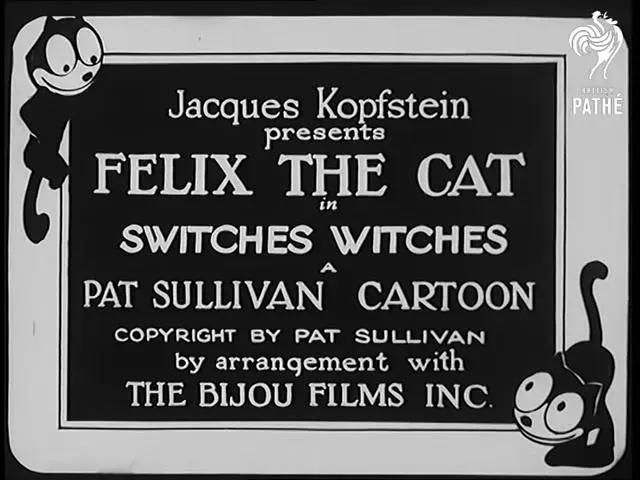
A definitive 6.5/10 rating for a film that redefined the boundaries of cult cinema. Felix the Cat Switches Witches remains a cornerstone of transgressive art.
Is Felix the Cat Switches Witches worth your time today? Short answer: Yes, but only if you appreciate the jagged, primitive energy of early 20th-century animation. This film is for the animation historian and the lover of the weird; it is not for those who demand high-definition polish or a plot that makes logical sense.
This film works because it treats the screen as a playground where anything can happen. It fails because the narrative transition into a romance plot feels disjointed and rushed. You should watch it if you want to see the roots of surrealist humor before it was sanitized by larger studios.
Yes, this film is worth watching for its historical significance and unique visual language. It offers a raw look at the creativity of the silent era. Viewers interested in the evolution of character animation will find it essential. However, casual viewers may find the lack of sound and the jittery frame rate distracting.
Otto Messmer was not just an animator; he was a pioneer of visual shorthand. In Felix the Cat Switches Witches, we see Felix use his own body parts as tools, a trope that would later define the genre. When Felix encounters the Halloween pranks, the environment itself becomes an antagonist. The way a tree might transform or a shadow might detach is handled with a casualness that is actually quite unsettling.
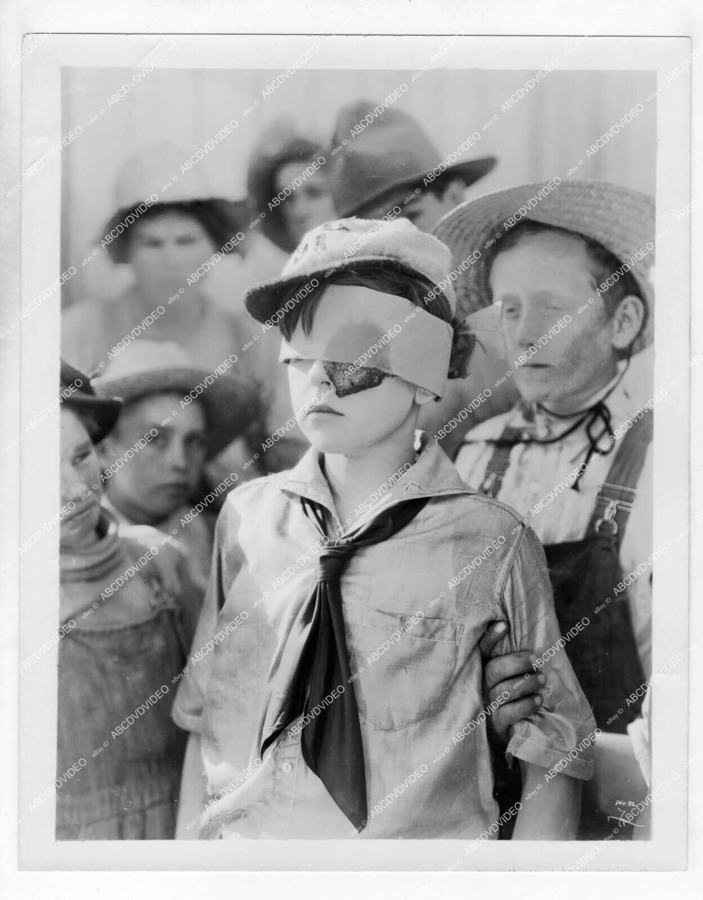
Compare this to the heavy, grounded drama of a film like J'accuse!. While that film uses scale to convey horror, Messmer uses the impossible. There is a moment where Felix interacts with a witch that feels more like a fever dream than a cartoon. The lines are thin, the backgrounds are sparse, and yet the atmosphere is thick with a specific kind of Jazz Age dread.
The pacing is relentless. Unlike the slow, methodical builds seen in Die suchende Seele, this short moves with a manic energy. It doesn't ask for your permission to be weird. It just is. The animation doesn't flow; it explodes from one frame to the next. It works. But it is flawed.
The Halloween setting allows Messmer to lean into the macabre. The fortune-telling owl is not a cuddly sidekick. It is a stiff, ominous figure that feels closer to the folk-horror elements found in Alraune than a modern children's character. The owl’s prophecy acts as the catalyst for a tonal shift that is almost jarring.
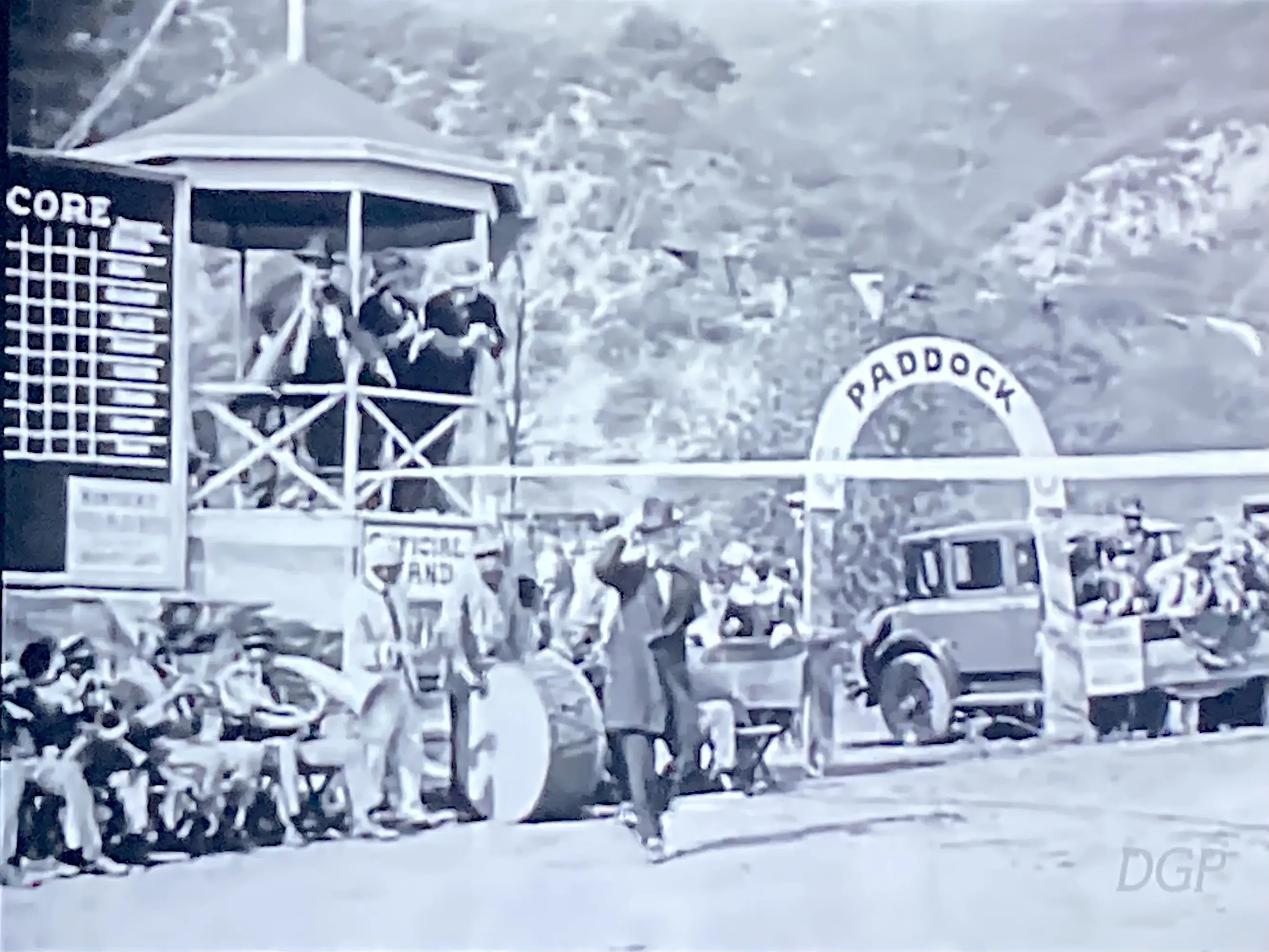
We move from slapstick pranks to a quest for romance. This shift is where the film shows its age. The "cat of his dreams" is a vague concept, and Felix’s pursuit of her lacks the emotional weight of contemporary live-action romances like The Country Heir. However, the visual representation of his longing—often depicted through thought bubbles or exaggerated physical yearning—is a masterclass in silent storytelling.
The cinematography, or rather the framing of the animation cells, is surprisingly sophisticated. There is a use of negative space that makes the spooky night feel infinite. When Felix walks across a blank white horizon, we feel his isolation. It is a simple trick, but it is effective. The primitive nature of the medium forces the audience to engage their imagination.
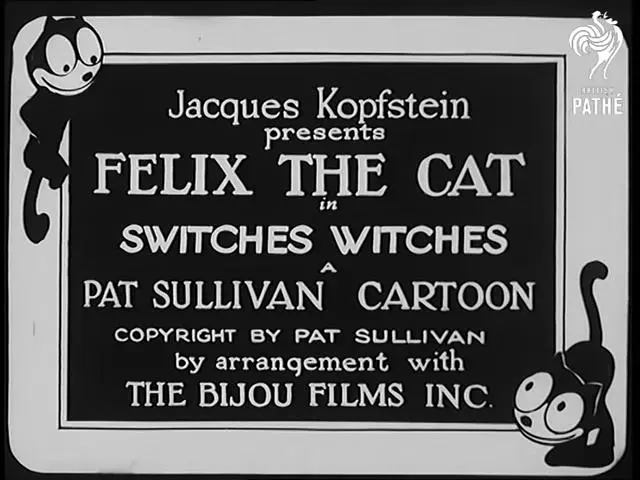
Felix is not a hero in the traditional sense. He is a trickster. In this film, his interactions with the witches are not based on morality but on survival and mischief. This lack of a moral compass makes him more interesting than the protagonists in films like The Law of the North. He is an agent of chaos.
One specific scene involves Felix manipulating his tail to escape a predicament. This isn't just a gag; it's a subversion of biological reality. It challenges the viewer to accept a world without rules. This is where the film finds its strength. It doesn't try to explain the magic; it simply presents it as a matter of fact. The witches are not explained. The owl is not explained. They just exist.
This lack of exposition is refreshing. Modern films often feel the need to over-explain their lore. Here, we are dropped into a world that is already in progress. It’s a short, sharp shock of creativity. It doesn't overstay its welcome, clocking in at a length that keeps the gags from becoming stale.
Pros:
Cons:
Looking back at Felix the Cat Switches Witches, one cannot help but compare it to the more grounded works of the time, such as Dan or Her Sturdy Oak. While those films were trying to capture reality, Felix was busy dismantling it. This short is a reminder that animation was once the frontier of the avant-garde.
The film’s influence can be seen in everything from Looney Tunes to the underground comix movement of the 1960s. It represents a time when the medium was still being defined. There is a sense of freedom in these frames that is often missing from contemporary, focus-tested productions. It is raw. It is weird. It is essential viewing for anyone who calls themselves a cinephile.
Ultimately, the film succeeds because it understands its own limitations. It doesn't try to be an epic like Medea di Portamedina. It knows it is a series of gags tied together by a loose thread of desire. That honesty is what makes it endure. It is a snapshot of a creative mind at play.
Felix the Cat Switches Witches is a fascinating relic. It is a testament to the power of simple lines and bold ideas. While the romance plot is a bit of a dud, the visual invention on display is more than enough to justify the runtime. It is a jagged little pill of a movie—bitter in its primitive execution but sweet in its boundless imagination. It’s a trip worth taking. Just don’t expect it to make sense.
IMDb —
1932
Community
Log in to comment.