DbcultAccessing Vault...
Cult Review
Senior Film Conservator
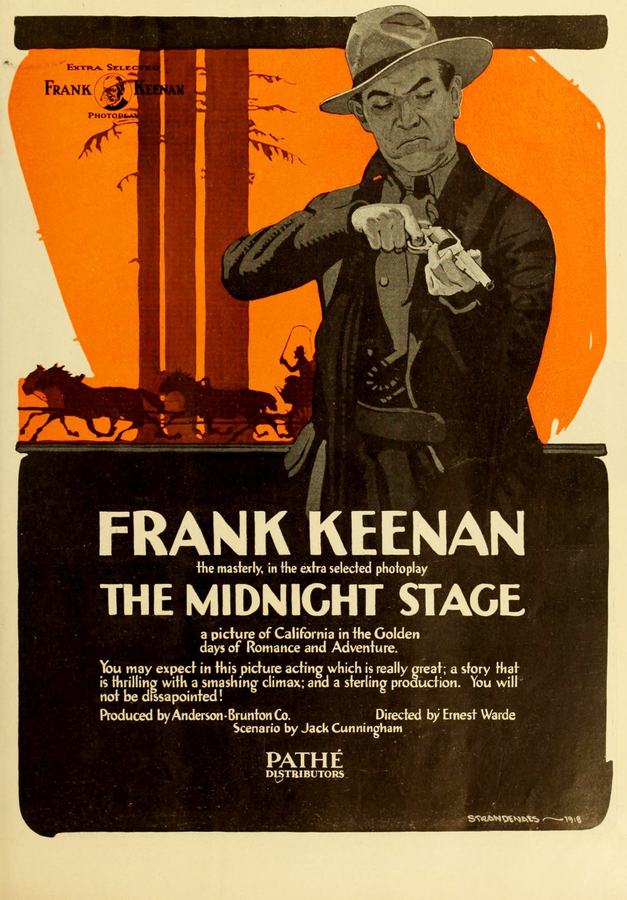
Stepping back into the nascent days of cinema, when storytelling relied solely on the power of imagery and the evocative flourish of intertitles, we encounter The Midnight Stage, a 1919 production that, despite its age, still manages to weave a compelling, if somewhat melodramatic, narrative tapestry. This silent Western, a product of a burgeoning film industry, offers a fascinating glimpse into the genre's formative years, showcasing themes of identity, justice, and the often-brutal realities of frontier life. It’s a film that, much like its contemporaries, aimed to thrill and captivate, using visual spectacle and heightened emotion to overcome the absence of spoken dialogue.
At its core, the film presents John Lynch, a man caught in a familial and existential bind. He owns a ranch, a symbol of stability and honest toil, yet his predilection for the high-stakes world of gambling in El Monte, California, defines his livelihood. This fundamental tension forms the bedrock of his relationship with his father, Elias, a Virginia gentleman whose aristocratic sensibilities are deeply offended by his son's chosen path. The generational clash here is palpable, a silent but potent undercurrent that drives much of the initial character development. Elias's subsequent withdrawal to a cabin with his friend 'Twisted' Tuttle isn't just a physical separation; it's a profound statement of disillusionment, a father's silent judgment echoing through the vast, unforgiving landscape. This kind of nuanced character setup, even without dialogue, speaks volumes about the narrative ambitions of early filmmakers like Alfred Delacour and Émile Moreau, who, alongside Jack Cunningham and Giraoudin Delacour, penned this intricate tale. One might draw parallels to the psychological depths attempted in other films of the era, such as The Judgment House, which also delved into complex human relationships and moral quandaries.
The plot thickens considerably with the introduction of 'Bige Rivers, a notorious road agent whose most striking characteristic is his uncanny resemblance to John Lynch. This classic doppelganger trope, a narrative device as old as storytelling itself, immediately sets the stage for a dramatic unraveling of identities and intentions. Rivers is not merely a criminal; he's a brute, exemplified by his cruel treatment of Nita, a dance hall girl whose plight eventually draws John and his compassionate daughter Mary into a protective embrace. Nita’s character, though perhaps archetypal for the period, serves as a crucial emotional anchor, illustrating the moral compass of John and Mary, and setting them apart from the villainy of Rivers. Her vulnerability and subsequent rescue offer a glimpse into the nascent portrayals of female characters in early cinema, often requiring male intervention, yet still capable of driving significant plot points through their suffering and eventual agency. Films like Her Sister's Rival also explored the complexities of female roles and relationships, albeit in a different social context.
The central, cataclysmic event of the film is the robbery of the midnight stage. This isn't just any robbery; it's a meticulously planned, ruthlessly executed ambush where Rivers and his gang not only seize a significant gold shipment but also brutally murder all the passengers. The sheer scale of the violence, conveyed through the dramatic visual language of silent film, underscores the depravity of Rivers and the existential threat he poses. The timing of this tragedy is, of course, no mere coincidence. John Lynch is in the vicinity, visiting his estranged father, creating the perfect storm for a catastrophic misunderstanding. The proximity of John to the crime scene, coupled with Rivers's striking resemblance, forms the cruel irony that will soon engulf John in a nightmare of false accusation. This kind of dramatic staging, where coincidence and character resemblance intertwine to create high stakes, was a hallmark of the era, designed to keep audiences on the edge of their seats, much like the thrilling sequences in 0-18 or A Message from the Sky, which also relied on perilous situations and narrow escapes.
Following the robbery, Rivers and his gang retreat to Tuttle's cabin—the very place Elias has sought refuge. Here, the stolen gold is divided, and in a moment of escalating tension, Elias is shot by Rivers. The scene is imbued with profound tragedy, as Elias, in his dying moments, misidentifies his assailant. His final, accusatory gaze falls upon John, who has just arrived, rather than the true culprit, 'Bige Rivers. This poignant misidentification, fueled by the fading light and Elias's pain-addled perception, casts John into the role of a parricide, a deeply shocking turn that epitomizes the dramatic stakes of the film. The weight of this false accusation is immense, setting John on a desperate quest to clear his name against overwhelming circumstantial evidence and the dying words of his own father.
The narrative then hurtles towards its climax, driven by the escalating mob mentality that often characterized frontier justice in cinematic depictions of the era. Nita, whose earlier abuse by Rivers had brought her into John’s orbit, becomes a pivotal figure in the unraveling of the truth. Her discovery of Rivers in hiding, and her subsequent screams, finally bring the mob to the correct culprit. However, this revelation comes perilously close to being too late for John, who is on the verge of being lynched by an enraged, misinformed populace. The tension here is expertly crafted, relying on rapid cross-cutting and the visceral fear of mob violence. The resolution arrives with John confronting Rivers directly, delivering a fatal blow that not only avenges his father but also unequivocally proves his innocence. His release from the mob's clutches is not merely a triumph of justice but a testament to the power of truth, however belatedly revealed.
The performances in The Midnight Stage, typical of the silent era, rely heavily on exaggerated facial expressions and grandiose gestures to convey emotion. Dick La Reno, in the dual role of John Lynch and 'Bige Rivers, faced the challenging task of portraying two distinct characters who look identical. His ability to differentiate them through subtle (or not-so-subtle) mannerisms, even in a time before sophisticated cinematic techniques, would have been crucial to the film's success. Wadsworth Harris as Elias and Maude George as Nita also contribute to the emotional landscape, their portrayals helping to ground the more sensational aspects of the plot. The direction, while perhaps lacking the nuanced camera work of later periods, effectively uses the available technology to build suspense and convey the sweeping grandeur of the Western landscape. The use of natural light and wide shots would have been essential in establishing the setting, much like the documentary-style approach seen in Lady Mackenzie's Big Game Pictures, albeit with a very different thematic focus.
The film's pacing, another critical element of silent cinema, would have been dictated by the rhythm of the intertitles and the editing. Moments of high drama, like the stagecoach robbery or the climactic confrontation, would have been accelerated through quick cuts, while more contemplative scenes might have lingered longer. The writers, Alfred Delacour, Émile Moreau, Jack Cunningham, and Giraoudin Delacour, crafted a plot that, despite its reliance on familiar tropes, maintains a certain narrative vigor. The mistaken identity, the wronged hero, the vengeful mob – these elements, while common, are woven together with sufficient skill to create a coherent and engaging story. One might compare the dramatic intensity to that found in The Bludgeon, another film of the era that explored crime and moral ambiguity, albeit with a different set of narrative tools.
Beyond its immediate plot, The Midnight Stage explores enduring themes that resonate even today. The conflict between personal vice (John's gambling) and societal expectation (Elias's gentility) highlights the moral complexities of the American West. The film also delves into the precarious nature of justice in an era where mob rule could easily override due process, a stark reminder of the fragile line between order and chaos. The theme of identity, particularly through the doppelganger motif, forces both characters and audience to question what truly defines a person beyond their physical appearance. Is it actions, reputation, or inner character? This exploration of identity was also a key element in films like Mr. Barnes of New York, where characters often grappled with hidden pasts and assumed personas.
As a silent Western from 1919, The Midnight Stage stands as a valuable artifact, offering insights into the evolution of a genre that would come to define American cinema. It showcases the foundational elements that would later be refined and expanded upon by generations of filmmakers: the rugged hero, the dastardly villain, the vulnerable woman, and the vast, untamed landscape serving as a backdrop for moral and physical conflicts. While it may lack the technical sophistication of later productions, its narrative ambition and emotional directness speak to the enduring power of silent film to captivate and provoke thought. It reminds us that even in the absence of spoken words, a compelling story, well-told through visual artistry, can leave a lasting impression. Its place within the pantheon of early cinema, alongside other dramatic works like The Making of Maddalena, underscores the diverse storytelling landscape of the era, where melodramas and action films coexisted and often intertwined.
Ultimately, The Midnight Stage, though a relic of a bygone era, remains a testament to the foundational storytelling principles that continue to drive cinema. It's a journey into a world where honor was fiercely defended, and justice, though often delayed, eventually found its way. For those interested in the roots of the Western genre and the art of silent film, this movie offers a rich, if sometimes stark, viewing experience, inviting us to appreciate the craft that laid the groundwork for all that followed. It's a film that demands engagement, asking its audience to piece together its narrative through visual cues and emotional resonance, much like decoding the nuances of any historical art form. The raw energy and dramatic flair of the period, exemplified by this film, remind us of cinema's earliest attempts to capture the human condition in its most heightened forms.
IMDb —
1934
Community
Log in to comment.