DbcultAccessing Vault...
Cult Review
Senior Film Conservator
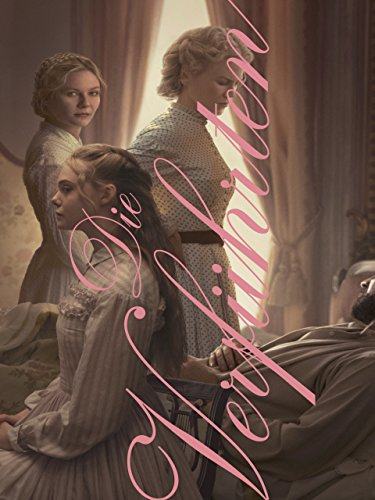
Stepping back into the nascent days of German cinema, one encounters a fascinating tapestry of societal anxieties and burgeoning artistic expression. Among these early works, Carl Froelich's 'Die Verführten' (The Seduced), a silent drama from 1919, stands as a stark, often unsettling, testament to the moral quandaries of its era. Penned by Hans Hyan, Carl Froelich himself, and Georg Tatzelt, the film delves into the treacherous waters of class, innocence, and the insidious nature of societal corruption, painting a portrait of a world where virtue is fragile and temptation, a potent, alluring force. It’s a work that, even a century later, retains a certain resonance, reflecting universal truths about human vulnerability and the unforgiving gaze of public opinion. The narrative, while adhering to certain melodramatic conventions of its time, possesses an underlying psychological depth that elevates it beyond mere cautionary tale.
The film introduces us to Elsa, portrayed with captivating fragility by Gertrude Welcker, an actress who would later grace the screens in more overtly expressionistic works. Here, her performance is imbued with a delicate naiveté that makes her subsequent journey all the more poignant. Elsa is a young woman of modest means, her life circumscribed by the ordinary, yet she possesses an inherent grace and beauty that catches the eye of Baron von Falk (Max Adalbert), a figure of wealth and influence. Adalbert, with his suave demeanor and subtly predatory gaze, crafts a character who is at once charming and utterly ruthless. The initial encounters between Elsa and the Baron are masterclasses in cinematic suggestion, with lingering glances and understated gestures conveying a world of unspoken desires and dangerous intentions. This dynamic, a predatory elegance meeting an unsuspecting purity, establishes the central conflict, setting the stage for a dramatic unraveling.
Froelich’s direction, while perhaps lacking the overt stylistic flourishes of later German Expressionists, is nonetheless effective in building a palpable sense of tension and foreboding. He uses the visual language of silent cinema—close-ups on expressive faces, carefully composed frames, and the stark contrast between the Baron's lavish world and Elsa's humble abode—to underscore the vast chasm between their respective stations. The film's aesthetic, while not groundbreaking, serves the story with a utilitarian elegance, focusing on character emotion and narrative progression. The cinematography, particularly in scenes depicting the bustling social events, manages to convey both the allure and the underlying emptiness of high society, hinting at the moral compromises that often accompanied such extravagance. It's a world that seduces not just Elsa, but perhaps even the audience, into believing in its superficial charms.
The ensemble cast lends considerable weight to the narrative. Margarete Kupfer, as Elsa's mother, delivers a performance steeped in a quiet, stoic concern, her eyes conveying the unspoken anxieties of a parent watching their child drift into peril. Frida Richard, another veteran of early German cinema, provides a nuanced portrayal, possibly as a friend or confidante, offering a contrasting perspective on the moral landscape. Max Adalbert's Baron is a study in calculated charm, his performance subtly shifting from benevolent patron to cold manipulator, a transformation that is all the more chilling for its quiet execution. The interplay between these characters, often conveyed through subtle shifts in posture or a flicker of an eye, speaks volumes without the need for intertitles, a testament to the power of silent acting. The film's strength lies in these understated yet potent performances, which ground the potentially melodramatic plot in a believable human drama.
The thematic core of 'Die Verführten' is, as its title suggests, the act of seduction, not just physical, but also the broader enticement of a lifestyle that promises freedom and glamour but delivers only heartache and social ostracization. It explores the precarious position of women in a patriarchal society, where reputation could be irrevocably shattered by a single misstep, particularly one involving a man of higher standing. The film’s critical gaze extends to the hypocrisy of high society, which readily embraces its own vices in private but ruthlessly condemns those who fall from grace publicly. Elsa's journey is a microcosm of countless stories from that era, a tragic testament to the double standards that permeated societal structures. This exploration of social justice, or lack thereof, positions 'Die Verführten' as more than just entertainment; it functions as a social commentary, albeit one wrapped in a compelling personal tragedy. The writers—Hans Hyan, Carl Froelich, and Georg Tatzelt—demonstrate a keen understanding of these societal pressures, crafting a narrative that feels both intimate and broadly resonant.
Comparing 'Die Verführten' to other films of its period, one might find parallels in its exploration of moral downfall and social critique. While not as overtly theatrical as some American melodramas of the time, such as perhaps The Warrens of Virginia with its focus on familial honor, 'Die Verführten' shares a similar commitment to examining the destructive power of external forces on individual lives. It also echoes the poignant emotional depth found in films like The Sorrows of Love, which similarly delved into the anguish of romantic betrayal and societal pressures. However, 'Die Verführten' distinguishes itself through its distinctly German sensibility, a certain gravitas and an unflinching look at the darker corners of human experience that would later blossom into the full-fledged Expressionist movement. It lacks the comedic lightness of something like The Education of Mr. Pipp, firmly rooting itself in serious drama.
The film's visual storytelling is particularly noteworthy for its era. Without spoken dialogue, the burden of conveying complex emotions and narrative twists falls squarely on the cinematography and the actors' expressions. Froelich leverages this necessity, employing stark contrasts between light and shadow to symbolize Elsa's internal struggle and the moral ambiguity of her situation. The opulent interiors of the Baron's world are often bathed in a decadent, almost suffocating, glow, while Elsa's moments of despair are frequently cast in somber, isolating shadows. This visual language is not merely decorative; it is integral to the narrative, guiding the viewer through Elsa's emotional landscape. The meticulous attention to detail in set design and costuming also plays a crucial role, subtly communicating character status and the shifting dynamics of power. Every satin gown, every understated piece of jewellery, every ornate drawing-room contributes to the film’s rich, albeit somber, atmosphere.
One cannot discuss 'Die Verführten' without acknowledging the performance of Gertrude Welcker. Her portrayal of Elsa is a masterclass in silent acting, conveying a vast spectrum of emotions—from wide-eyed wonder and budding affection to crushing despair and quiet resignation—with remarkable subtlety and conviction. She eschews overt histrionics, opting instead for a more internalized, nuanced approach that makes Elsa's plight deeply empathetic. Her transformation from an innocent girl to a woman scarred by betrayal is rendered with heartbreaking authenticity, allowing the audience to truly feel the weight of her suffering. This kind of performance is what elevates 'Die Verführten' from a simple melodrama to a profound character study. The way she carries herself, the subtle shifts in her gaze, the tremor in her hands – these are the tools of her craft, wielded with impressive skill.
The screenplay, crafted by Hyan, Froelich, and Tatzelt, is surprisingly intricate for a film of this vintage. It avoids simplistic black-and-white morality, instead presenting a more complex view of human nature. While Baron von Falk is undeniably the antagonist, the narrative also subtly critiques the societal structures that enable such predatory behavior and then condemn its victims. The film doesn't shy away from depicting the harsh realities of consequence, creating a sense of inevitability that lends the story a tragic grandeur. There are no easy resolutions, no miraculous interventions; Elsa must face the fallout of her choices and the Baron's actions alone, a stark and often brutal truth conveyed with impressive restraint. This narrative honesty, rather than resorting to convenient plot devices, gives the film a timeless quality, ensuring its themes remain potent and thought-provoking.
In retrospect, 'Die Verführten' serves as a crucial artifact of early German cinema, showcasing the burgeoning talent of its actors and filmmakers, and offering a window into the social mores and anxieties of the immediate post-World War I era. While it may lack the avant-garde experimentation of some of its slightly later contemporaries, its strength lies in its emotional honesty and its unflinching portrayal of human frailty. It is a film that demands empathy, inviting viewers to consider the devastating impact of societal pressures and individual transgressions. For those interested in the foundational works of German cinema, or simply a compelling human drama, 'Die Verführten' offers a richly rewarding, if somber, experience. It reminds us that even in the absence of spoken words, the power of visual storytelling and compelling performances can transcend time, leaving an indelible mark on the viewer's consciousness. The film's legacy, though perhaps overshadowed by more famous Expressionist works, is a testament to the enduring power of classic storytelling. It’s a quiet masterpiece, deserving of rediscovery and renewed appreciation in the annals of film history.
Ultimately, 'Die Verführten' is more than just a historical curiosity; it is a profoundly human story, a stark reminder of the delicate balance between innocence and experience, and the often-cruel hand of fate. Its portrayal of betrayal and redemption, set against the backdrop of a society grappling with its own moral compass, resonates deeply, affirming its place as a significant contribution to early cinematic art.
IMDb 4.2
1930
Community
Log in to comment.