DbcultAccessing Vault...
7.2/10
Senior Film Conservator
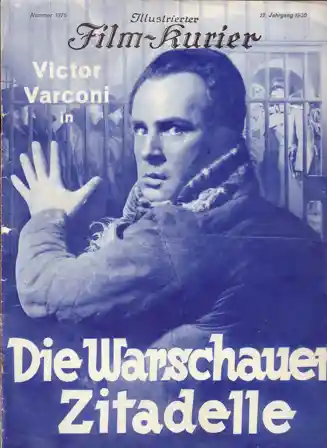
A definitive 7.2/10 rating for a film that redefined the boundaries of cult cinema. Die Warschauer Zitadelle remains a cornerstone of transgressive art.
Alright, so if you’re looking for something with a quick pace or big CGI battles, you can probably skip Die Warschauer Zitadelle. This one is for the history buffs, maybe folks who appreciate older European cinema, or anyone who enjoys a solid, earnest drama without all the modern flash. You'll likely hate it if you need constant action or get bored by long, lingering looks.
It’s all about 19th-century Poland, with Polish patriots trying to shake off Russian rule. The story doesn’t rush things; it really lets you soak in the tension. You feel the weight of what these people are up against.
The whole movie feels a bit heavy, in a good way. The Warsaw Citadel itself almost becomes a character. It's not just a place; it’s a symbol of oppression. Every shot of it, even from a distance, just *looms*. Like a constant reminder of who's in charge. 🙁
La Jana plays a key figure, and she’s just captivating. There's this one scene, a hushed meeting in a cellar, where she doesn't say much at all. But her eyes, the way she holds herself, it says everything about the quiet defiance. You can feel the danger just through her posture. It's really something.
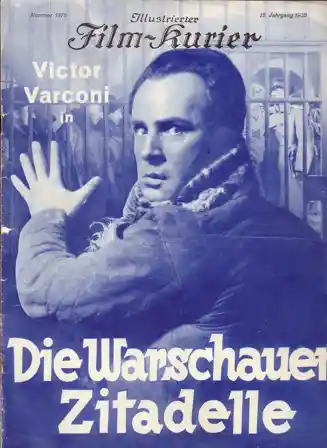
Victor Varconi, as the conflicted officer, does a fine job too. He’s got that intense gaze. Sometimes, though, his expressions feel a little *too* dramatic, like he’s playing to the back row of a theater. It’s a common thing for films from this period, I guess. He's wrestling with loyalty, and you see it, but sometimes it feels like a very capital-D Drama.
The pacing is… deliberate. If you’re used to modern films that cut every two seconds, this will feel slow. There are long takes where characters just *think*. It requires a bit of patience, but when it pays off, it really does. You get to inhabit the space with them.
I remember watching Du Barry, Woman of Passion a while back, and that had a similar, almost theatrical feel to its performances. It’s that era of filmmaking where every gesture had to count a little more. Here, it’s not quite as lavish, but the emotional stakes are just as high.
Sometimes the film feels a bit staged, especially during the more intimate conversations. The camera doesn't move a lot, and it's like watching a play. But then you get a shot of the snowy Warsaw streets, all quiet and eerie, and it pulls you right back into the world. It’s a stark contrast.
The sound design, if you can call it that for a film of this vintage, is minimal. It makes the few dramatic musical swells feel even more impactful. When the score kicks in during a desperate escape scene, it really gets your heart pumping. Not subtle, but effective!
There's a particular scene where a message is passed, hidden in a loaf of bread. It’s such a simple, almost mundane act. But the tension on the actor’s face, the careful way he breaks the bread… you just know the whole plot hinges on it. It’s these small, *human* moments that elevate it beyond a dry history lesson.
This isn't a film about grand victories, really. It’s more about the struggle itself, the quiet acts of courage. And it ends… well, let's just say it leaves you thinking about what it truly means to fight for something bigger than yourself. It doesn't tie everything up neatly. Which is probably how real history feels anyway. 🤔
IMDb —
1914
Community
Log in to comment.