A definitive 7.2/10 rating for a film that redefined the boundaries of cult cinema. Die Weber remains a cornerstone of transgressive art.
Should you invest your time in a century-old silent film about starving German weavers? Short answer: yes, but only if you are prepared for a visceral, uncomfortable experience that feels disturbingly modern.
This film is for the viewer who seeks history without the sugar-coating and for those who appreciate cinema as a tool for social agitation. It is absolutely not for anyone looking for a lighthearted evening or a traditional hero-versus-villain narrative.
1) This film works because: It captures the collective face of poverty through a massive ensemble cast, avoiding the trap of focusing on a single 'chosen one' protagonist.
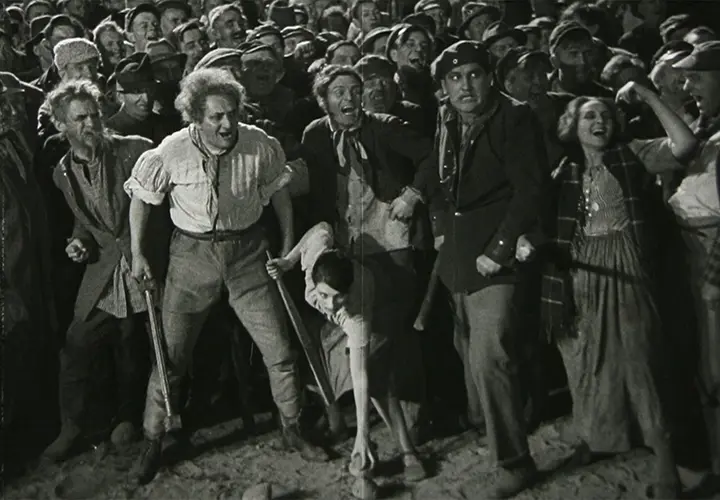
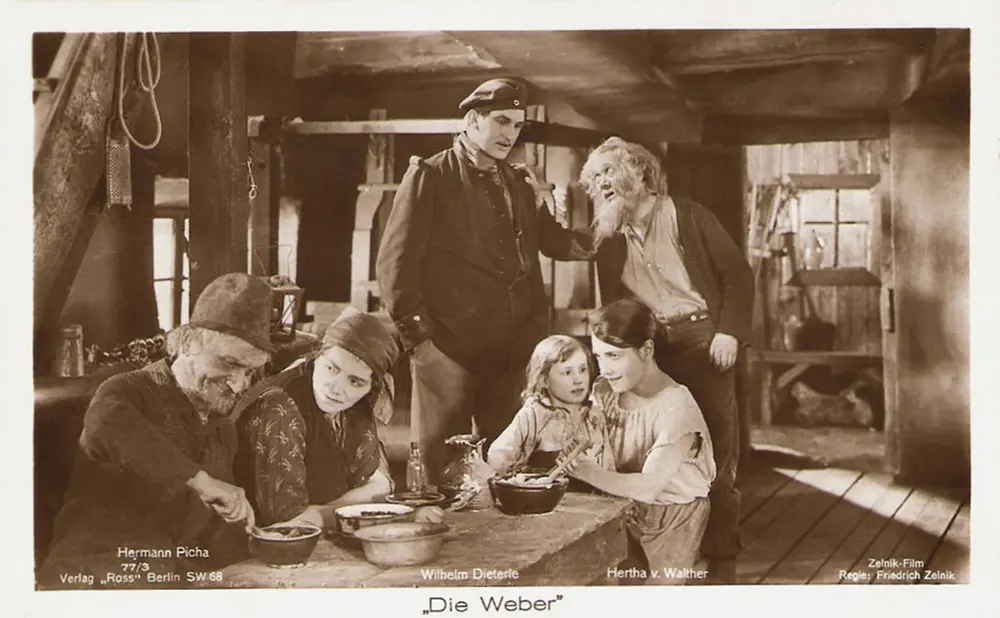
Scene from Die Weber
Cinematic perspective: Exploring the visual vocabulary of Die Weber (1927) through its definitive frames.
2) This film fails because: The pacing in the second act can feel as sluggish as the looms it depicts, occasionally losing the momentum of the impending riot.
3) You should watch it if: You want to see how silent cinema could be used as a powerful political weapon, or if you enjoyed the gritty social realism of Underworld.
The Industrial Nightmare Rendered in Light and Shadow
Friedrich Zelnik’s direction in Die Weber is a masterclass in atmospheric dread. From the opening frames, we are introduced to a world where the air feels heavy with lint and despair. Unlike the more stylized aesthetics found in The Temptress, which relied on glamorous artifice, Die Weber leans into a gritty, almost documentary-like realism.
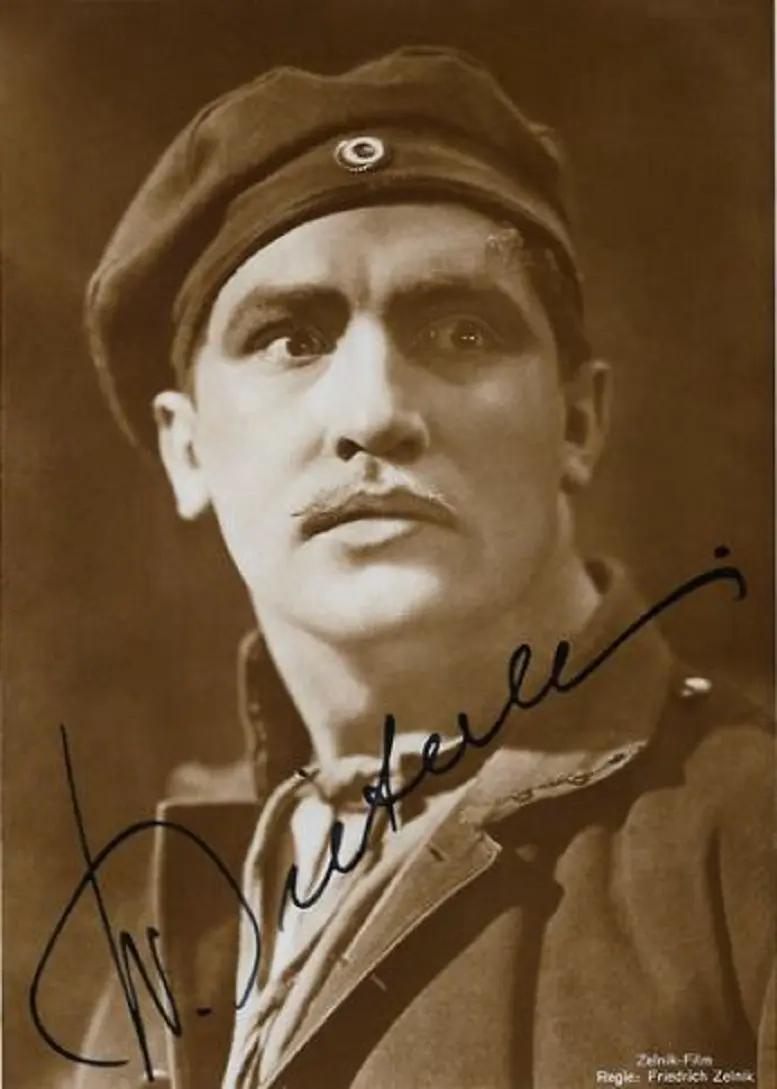
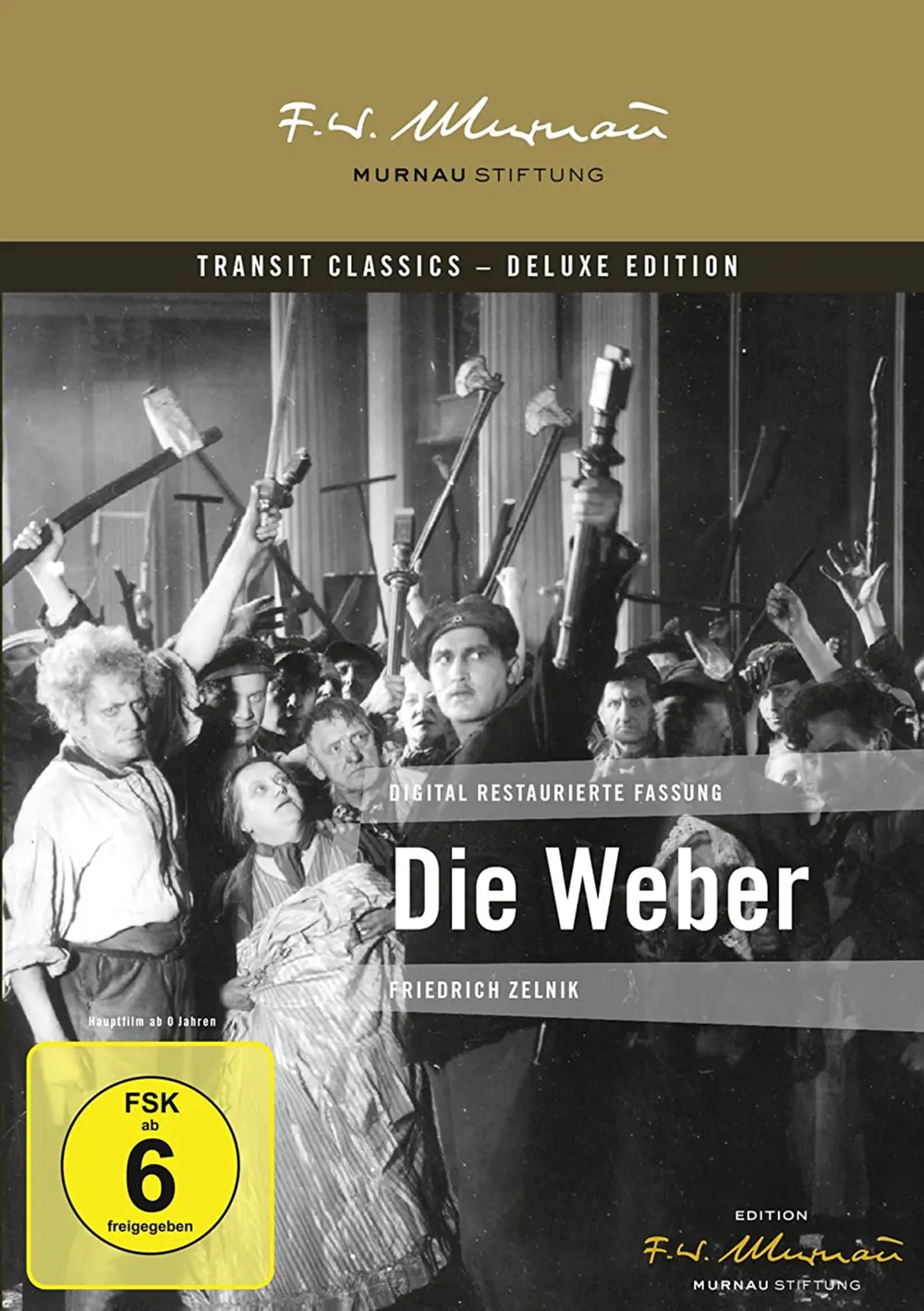
Scene from Die Weber
Cinematic perspective: Exploring the visual vocabulary of Die Weber (1927) through its definitive frames.
The cinematography by Frederik Fuglsang doesn't just show us the weavers; it traps us with them. The interiors are cramped, lit with a harshness that emphasizes the hollow cheeks of the actors. One specific scene stands out: a group of weavers standing in line to deliver their work, only to be told their pay has been cut again. The camera lingers on their hands—calloused, trembling, and ultimately empty.
It works. But it’s flawed. The film’s commitment to showing the breadth of the suffering means we sometimes lose the emotional thread of individual characters. However, this is clearly intentional. The 'hero' here is the mob itself.
Paul Wegener and the Weight of Silence
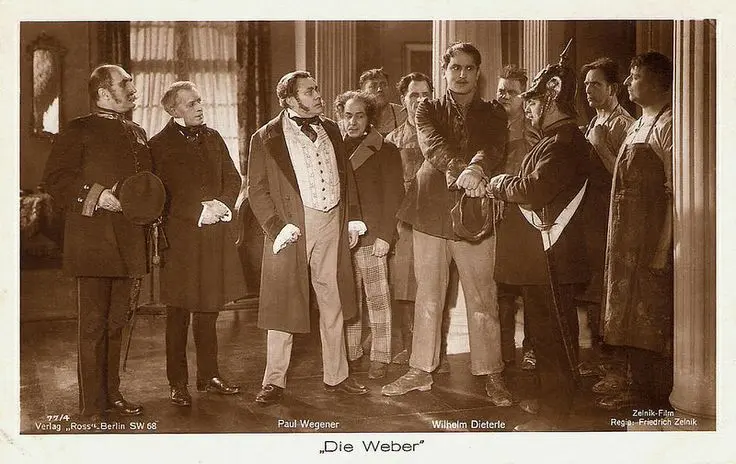
The cast is a who's who of Weimar-era talent, but Paul Wegener’s presence is undeniable. Wegener, known for his more fantastical roles, brings a grounded, simmering rage to this production. His performance isn't about grand gestures; it’s about the way he watches the factory owners with eyes that seem to be calculating the cost of a human life.
Scene from Die Weber
Cinematic perspective: Exploring the visual vocabulary of Die Weber (1927) through its definitive frames.
Hertha von Walther also provides a necessary emotional anchor. In a film that could easily have become a dry political lecture, her portrayal of maternal desperation provides the visceral heart. When she looks at her starving children, you don't need title cards to understand the dialogue. The silence is loud.
Comparing this to the high-society drama of Forbidden Fruit, the contrast is jarring. Where that film deals with the moral dilemmas of the comfortable, Die Weber deals with the biological necessity of survival. There is no room for romance here, only the cold reality of the loom.
Is this film worth watching?
Why should modern audiences watch Die Weber?
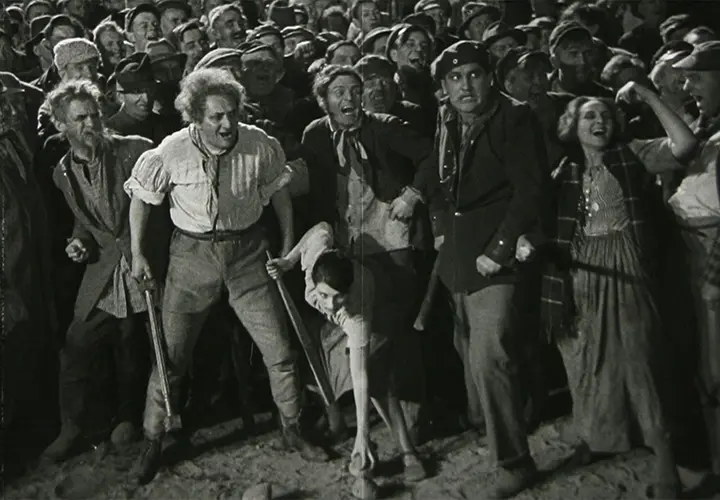
Scene from Die Weber
Cinematic perspective: Exploring the visual vocabulary of Die Weber (1927) through its definitive frames.
Modern audiences should watch this film because it serves as a foundational text for social justice cinema. It provides a raw look at the origins of labor movements. The themes of automation replacing human dignity are more relevant today than they were in 1927. It is a visual history lesson that remains emotionally potent.
The film’s depiction of the 'Great Uprising' is choreographed with a terrifying sense of chaos. It doesn't look like a staged movie fight; it looks like a desperate scramble for life. When the weavers begin to tear down the machinery, the destruction feels cathartic yet tragic. You know, even as they smash the wood and iron, that the tide of history is against them.
A Stark Departure from the Vamp and the Hero
In the 1920s, cinema was often dominated by the 'Vamp' archetype, seen in films like The Vamp, or the clean-cut heroics of Tol'able David. Die Weber rejects both. There is no seductive antagonist or pure-hearted youth coming to save the day. Instead, we have a collection of broken people who have simply had enough.
Scene from Die Weber
Cinematic perspective: Exploring the visual vocabulary of Die Weber (1927) through its definitive frames.
The writing, adapted from Gerhart Hauptmann’s play by Willy Haas and Fanny Carlsen, maintains the theatrical intensity of the source material while expanding the scope to utilize the visual potential of the medium. The transition from the stage to the screen allows for a much more expansive view of the Silesian landscape, which Zelnik uses to show the isolation of these communities.
The pacing is deliberate. It builds slowly, mirroring the rising tension in the village. This isn't the rapid-fire editing of Kino-pravda no. 21; it is a heavy, rhythmic march toward an inevitable explosion. Some might find it tedious, but for those who stick with it, the payoff is a profound sense of historical weight.
Key Takeaways
Best for: History buffs and students of political cinema who want to see the roots of labor struggle.
Not for: Those who struggle with slow-burn narratives or require a happy, resolved ending.
Standout element: The production design of the weavers' huts, which feels lived-in and genuinely decaying.
Biggest flaw: An over-reliance on title cards in the third act to explain political motivations that the visuals had already made clear.
Pros and Cons
Pros
The ensemble acting is top-tier, creating a believable community rather than a set of actors. The film’s refusal to sentimentalize poverty makes it far more effective than contemporary social dramas. The use of natural light in many sequences adds to the oppressive atmosphere.
Cons
The middle section drags as it introduces several minor subplots that don't always pay off. Some of the 'evil' factory owners are played with a bit too much mustache-twirling villainy, which slightly undercuts the film's realistic tone.
Verdict
Die Weber is a difficult watch, but a necessary one. It doesn't offer the easy escapes of The Money Mill or the lightheartedness of You Find It Everywhere. Instead, it offers a mirror to the cyclical nature of economic oppression. Zelnik created something that transcends its 1927 release date.
While it lacks the technical flash of some of its contemporaries, its emotional honesty is its greatest strength. It is a film that demands your attention and rewards it with a haunting, lingering sense of the cost of the modern world. It isn't just a movie; it's a monument to the forgotten worker. If you can handle the bleakness, it is an essential piece of cinematic history.