DbcultAccessing Vault...
Cult Review
Senior Film Conservator
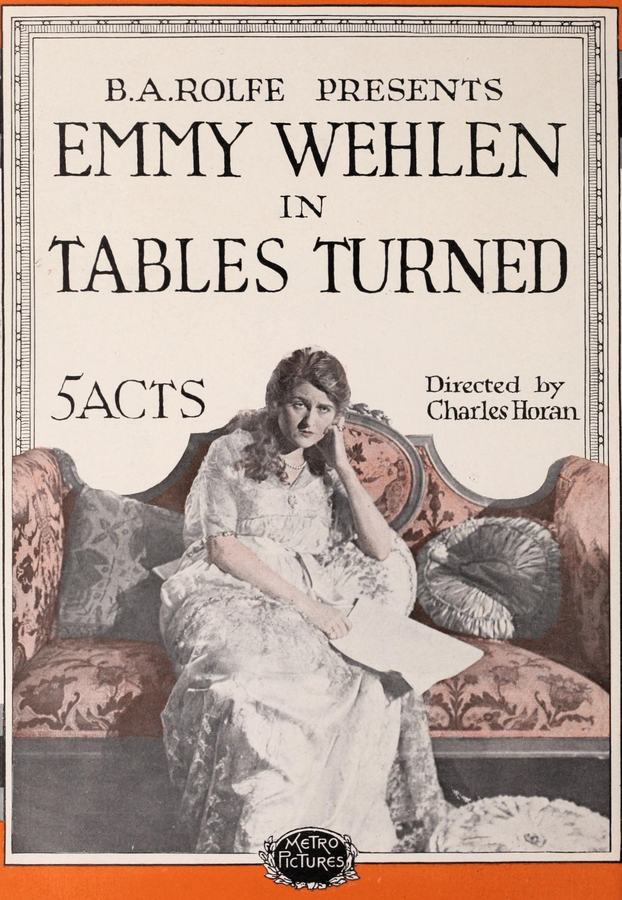
Cameras never blinked in 1916; they simply devoured light and guilt with equal appetite. Her Reckoning arrives like a tarnished locket pried from a corpse’s clasp, its hinges squealing of gilded hypocrisy and the nickel-plated despair of women who learned that marriage certificates could be mirages. Director Will Louis—more ghost than auteur in the archives—threads each reel with arsenic-laced talcum powder: the softness is cosmetic, the poison systemic.
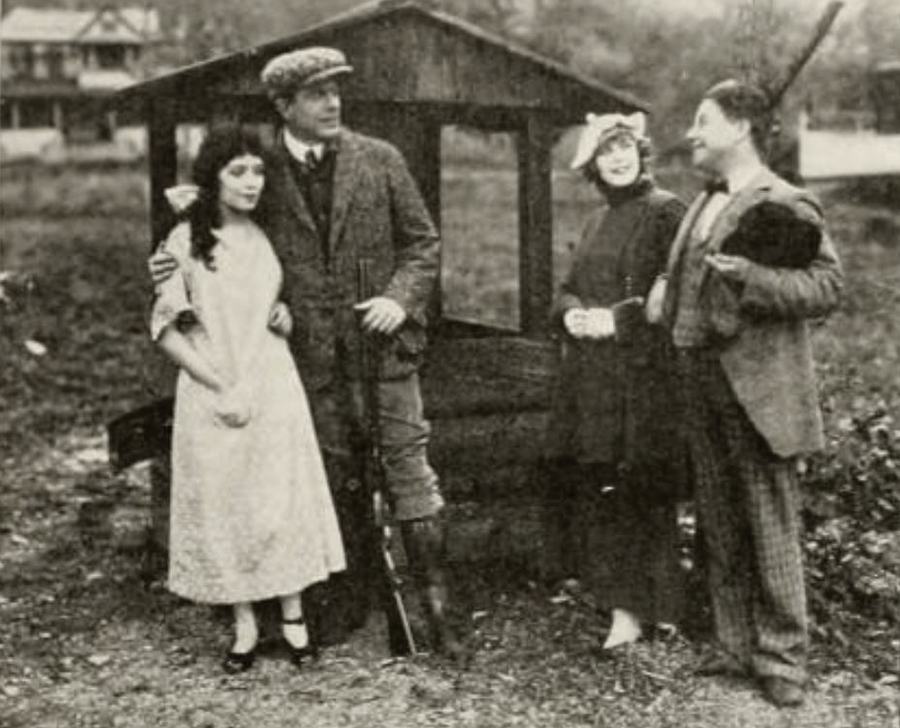
Howard Sherbrooke, essayed by Leslie Austin with the porcelain arrogance of a Wedgwood bust, embodies capital as eros. His pin-stripe suits fit like lawsuits; every cufflink is a lien against the future. When he first glimpses Ethel (Emmy Wehlen) amid a swirl of bunting and brass bands, the iris-in feels less romantic than predatory, as though the camera itself were tightening a noose. The university quad—white columns, neo-classical wish-dreams—frames him like a bank façade: impressive, immovable, hollow.
Ethel, by contrast, is shot in chiaroscuro so tender it could bruise. Wehlen’s performance flutters between Betty Boop innocence and pre-Code ferocity, often within the same close-up. Her eyes—wide enough to swallow insults—carry the film’s only real currency: the willingness to believe. When she accepts Howard’s hush-hush midnight vows, the shadow of a curtain across her throat foreshadows the legal garrote he will later tighten.
Enter Dick Leslie, played by J. Frank Glendon with the rangy diffidence of a cowboy who’s read too many lease agreements. Dick’s moral arc is the film’s true narrative spine: from grateful charity case to covert bridegroom-smith, from cuckolded sidekick to avenging angel. Glendon lets silence do the heavy lifting; his clenched jaw at the sham-wedding rehearsal speaks treatises on class resentment. Watch the way he pockets the minister’s fee—fingers hesitate, knuckles blanch, as though the coins burn at 451 degrees.
The Brooklyn montage—honeymoon idyll shot on location under the El tracks—carries whiffs of ash and river rot. Cinematographer William M. Ziegler smears the lens with petroleum breath, turning tenement brick into Caravaggio red. A two-shot of the lovers sharing a single coffee cup lingers until steam fogs the frame: intimacy so fragile it condenses. Their flat’s wallpaper, a faded rose trellis, becomes visual refrain; every return to it tightens the corset of impending doom.
Sound, of course, is absence here, but the intertitles—lettered in a font that resembles banknote script—howl. When Howard hisses, "A gentleman repays debts, never marries them," the card burns white-on-black like a magnesium flare. The line is a shiv between ribs, aimed as much at modern viewers shackled to student loans as at Ethel’s penniless heart.
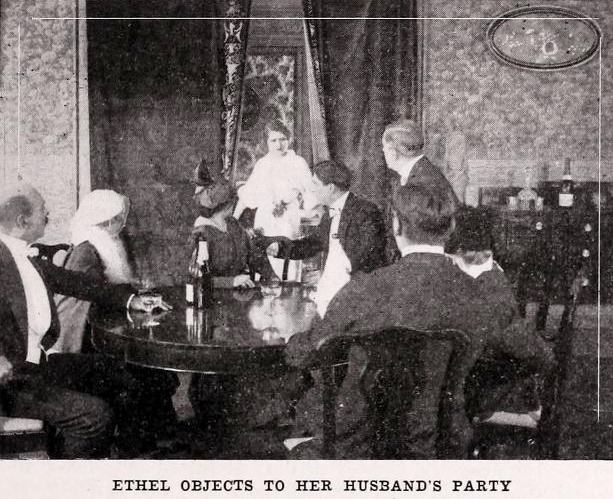
Mid-film pivot arrives via postal anvil: father’s edict that Howard wed the Ford millions. The letter—read beneath a gas-jet that flickers like a lie-detector—catalyzes one of silent cinema’s most audacious jump-cuts: from Howard’s triumphant grin to a coffin-like bureau drawer slamming shut on Ethel’s wedding gloves. The edit is so abrupt one feels the sprocket holes gasp. In that instant property wins over person, and the film’s thesis crystallizes: American aristocracy will trade blood for bonds, then call it dynasty.
Dick’s westward exile—rendered through a locomotive dissolving into prairie dust—plays like penance. Yet the land itself seems to reject him; superimposed tumbleweeds skitter across his torso as though trying to bury the male gaze. His return east is shot entirely from knee-level: boots pounding cobblestones, a visual drumbeat of reckoning. When he brandishes the genuine marriage ledger, the minister (Edgar L. Davenport) flinches as if scripture itself has been forged into shackles.
The cathedral climax is a masterclass in spatial theology. Louis blocks the sequence like a chess problem: stained-glass saints glare down at velvet-pew oligarchs while Ethel, draped in mourning white, advances up the aisle like a processional plague. The camera tracks backward, retreating from her wrath, until she collapses beneath a crucifix whose shadow forms a bifurcated halo. Beatrice Ford—seen only in profile, face obscured by a veil worth more than Ethel’s lifetime wages—remains a commodity exchanged at the altar, mute complicity in a transaction that will drown her groom in scandal.
Ford père’s subsequent rage supplies the film’s sole comic respite: apoplectic capitalism, red face matching the crimson drapes. His vow to "see Sherbrooke behind iron as surely as ore becomes steel" is greeted by off-screen organ wheeze, as though the building itself snickers. Yet the joke curdles when we remember that prisons then, as now, were reserved for the indebted, not the decadent.
Howard’s suicide—occurring in a library lined with unthumbed legal tomes—avoids voyeurism by refusing the pistol barrel’s kiss. Instead, Louis cuts to a vase of white lilies overturning: petals scatter across marble like subpoenas nobody will serve. The gunshot is heard only through its aftermath—an inkwell topples, blotting the family crest into a Rorschach of guilt. It is an exit both cowardly and curiously honest: he chooses death over demotion from oligarch to inmate.
Coda offers the sole shaft of daylight: Dick and Ethel, now clothed in humble wool, stroll a sunlit pier months later. A toddler—Howard’s posthumous heir—stumbles between them, suggesting that history’s ledger can sometimes balance via generational restitution. Yet Ziegler undercuts sentiment by letting steam from a passing tug obliterate the family triad, as though the film itself exhales skepticism toward any closure purchased without accountability.
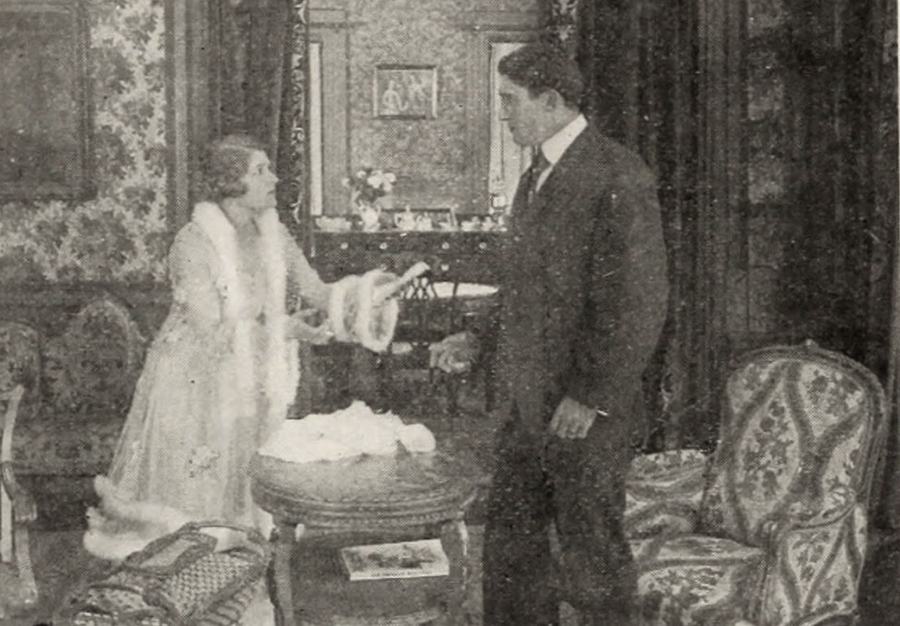
Contemporary resonance? Enron, #MeToo, college-admissions bribery—pick your scandal. Her Reckoning prefigures each, arguing that America’s most enduring bigamy is between democracy and plutocracy. The film’s kink is not sexual but fiscal: vows sworn to capital are sacred; vows sworn to flesh, negotiable.
Technically, the print survives only in a 16mm exhibition reduction, yet the nitrate shimmer still haunts. Contrast flickers like conscience; some frames bloom with nitrate fungus resembling bruises. The score, customarily hammered out on theater Wurlitzers, here begs for something starker—perhaps a prepared-piano track laced with stock-ticker clatter and the distant thud of eviction gavels.
Performances reward archaeologists of gesture. Note how Austin lets his signet ring catch the light whenever Howard lies, a semaphore of privilege. Wehlen’s shoulders inch upward each time she’s forced to apologize for existing; by film’s end her shoulder-line is level, the posture of a woman who has traded shame for leverage. Glendon’s finest moment is wordless: watching Ethel sleep in the vestry, he removes his hat, then reconsiders and places it back—an instinctive nod to a boundary he will not cross again.
Compared to its 1916 peers, the film lacks the expressionist nightmares of Fantomas or the social sweep of Les misérables, yet its domestic scalpel arguably cuts deeper. Where Checkers sentimentalizes poverty and Cocaine Traffic moralizes addiction, Her Reckoning indicts the class that funds both melodramas.
Scholars hunting proto-feminist voices will savor Ethel’s final walk down Wall Street, shot from behind so the camera becomes her escort, not exploiter. She navigates brokers and clerks like a battleship through scum, the first woman in American cinema to foreshadow that the personal is irrevocably political—and taxable.
Restoration advocates should lobby archives: a 4K scan could resurrect the original amber tinting (amber being the color of both money and caution). Until then, murky YouTube rips will serve, though the compression artifacting turns every tear into a blocky smear—digital age metaphor for how capitalism pixelates human pain.
Verdict: mandatory viewing for anyone who still believes meritocracy is more than a bedtime story rich parents tell their overscheduled children. Watch it twice—first for plot whiplash, second to tally how many times you sided with the cad because his parting was pressed. Then go outside, look at the skyline financed by old-law firms, and feel the celluloid scar itch beneath your own skin.
IMDb 5.8
1918
Community
Log in to comment.