DbcultAccessing Vault...
7.2/10
Senior Film Conservator
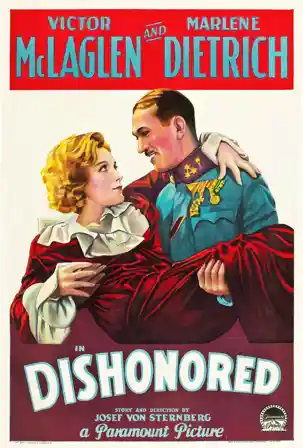
A definitive 7.2/10 rating for a film that redefined the boundaries of cult cinema. Dishonored remains a cornerstone of transgressive art.
Okay, so "Dishonored." If you're a big fan of old Hollywood, especially the films where Marlene Dietrich just looks at the camera and you're hooked, then yeah, this is probably worth a watch. For folks who prefer fast-paced thrillers or really clear-cut spy stories, you might find yourself checking your watch a lot. This one moves at its own pace. 🐌
Dietrich plays Agent X-27, Marie Kolverer. Right from the start, she’s just… there. No big introduction, she just appears. Her walk, the way she holds herself, it’s all part of the act. She's a streetwalker, then suddenly she’s recruited by the Austrian Secret Service. It’s a bit jarring, that quick jump.
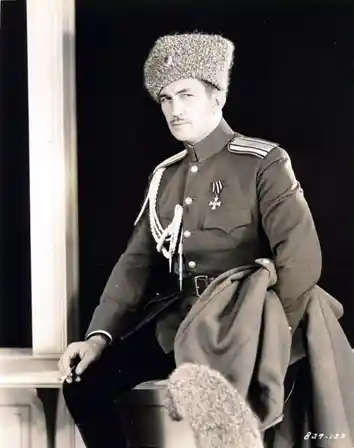
The film spends a lot of time just letting Dietrich be. Her eyes are everything. One minute she’s all softness, the next there’s this hard, knowing glint. It's quite something. You really get why she was such a star.
There's this moment early on, when she’s first getting briefed. She's sitting there, listening to the stern men, and she doesn't say much. But you can see the wheels turning. It's not about the dialogue for her; it’s about the silent understanding. Very von Sternberg, that.
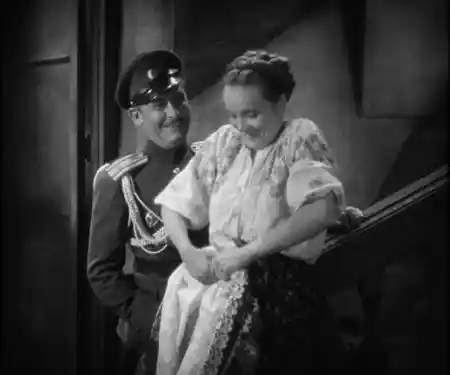
The plot itself is… well, it's about spying on Russians. But it feels less like a real spy mission and more like a backdrop for Dietrich to play different roles. She's a pianist, she's a seductress, she's a spy. It's almost like a series of vignettes for her.
Victor McLaglen is in it too, playing another agent, Colonel Kranau. He’s all gruffness, a real counterpoint to Dietrich's cool. Their scenes together have this strange tension. He’s trying to be all business, and she's just… enchanting him, even when she's supposed to be working.
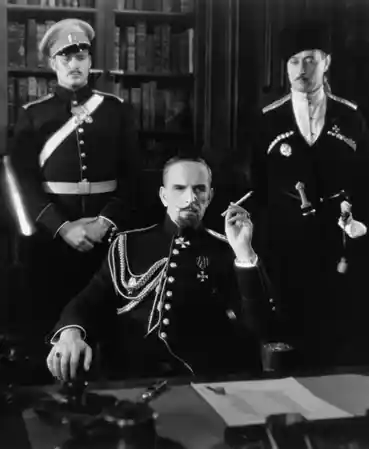
There’s a part where she’s in a Russian uniform, marching. It feels almost absurd, but she carries it off. You just believe it. The costumes in this film are a whole mood. Very dramatic, very stylized.
Some of the spy tactics feel a bit… simple. Like, a note passed here, a code word there. It's not exactly high-tech espionage. But then again, it’s 1931! What did we expect? It makes you smile a little, thinking about how much spy movies have changed.
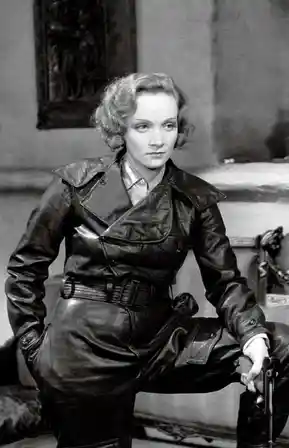
The ending, without giving too much away, is really quite something. It's melancholy, but also very fitting. It feels like the only way her story could really go. There's a particular shot of her near the very end, just before… well, you’ll see. It sticks with you.
It's not a perfect movie, not by a long shot. The pacing drags sometimes, especially when Dietrich isn't front and center. Some of the other characters just blend into the background. And the story, if you try to pick it apart, has some definite holes.
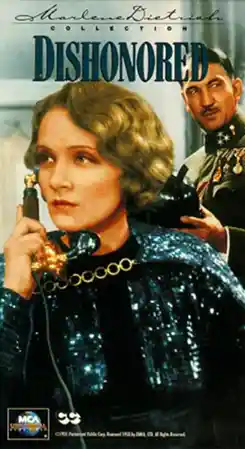
But if you're watching it for the experience of early cinema, for a director absolutely obsessed with his star, and for Marlene Dietrich herself, then it absolutely delivers. It’s a fascinating glimpse into how movies used to tell stories, and how much power a single performer could command with just a look. It’s less about the plot, and more about the atmosphere. Like watching a really elegant, sad play unfold.
Did I mention the lighting? So dramatic. Shadows and light playing across her face. It’s a masterclass in how to photograph a star. You can see The Second in Command director taking notes, probably. Or not, who knows.
It’s definitely a film from a different era. Not for everyone, but if you let it wash over you, there's a lot to appreciate in its quiet, stylized way.
IMDb 6.8
1917
Community
Log in to comment.