DbcultAccessing Vault...
7/10
Senior Film Conservator
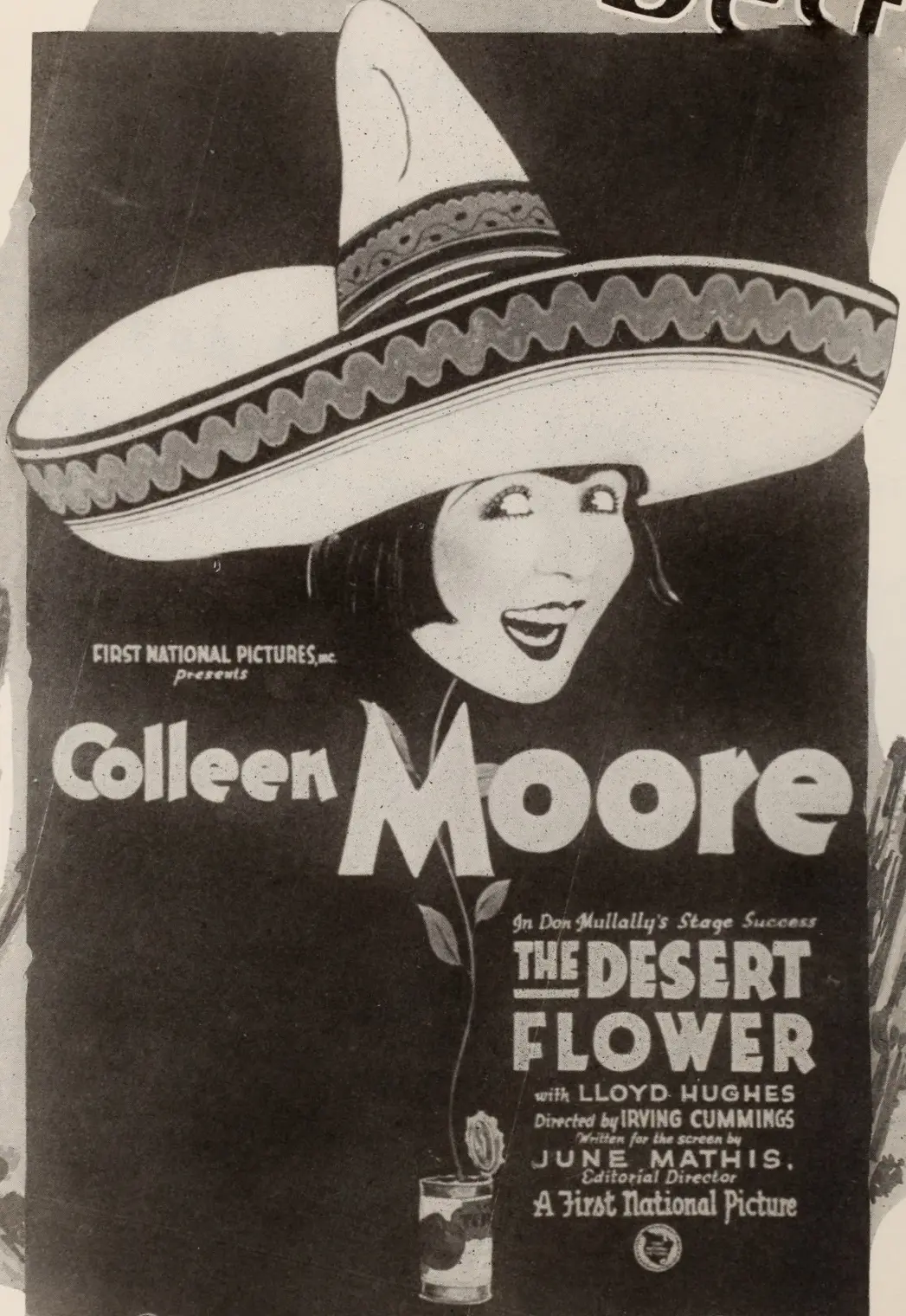
A definitive 7/10 rating for a film that redefined the boundaries of cult cinema. The Desert Flower remains a cornerstone of transgressive art.
The Desert Flower
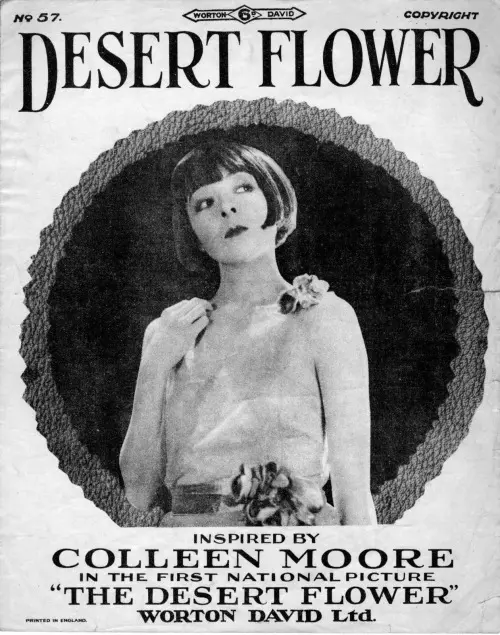
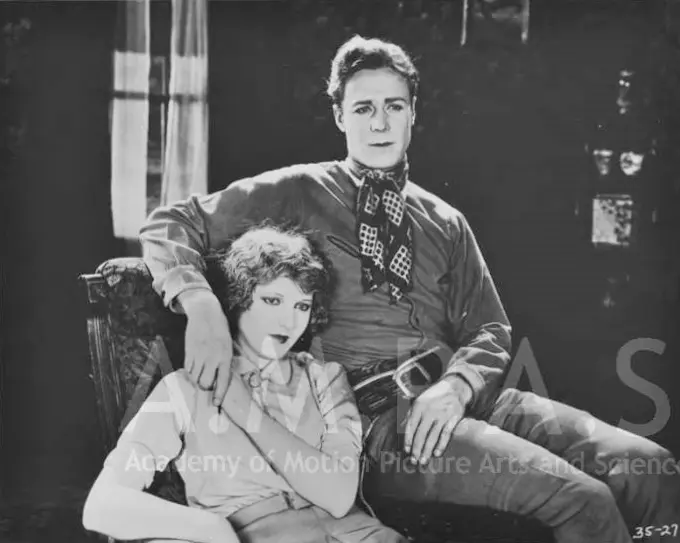
A cinematic masterpiece that traverses the complexities of human relationships, The Desert Flower is a silent film gem that warrants attention from cinephiles and scholars alike. Directed by a visionary filmmaker, this poignant tale of love and redemption stars Isabelle Keith and Fred Warren as the protagonists, Maggie Fortune and Rance Conway, whose lives intersect in the mining town of Bullfrog.
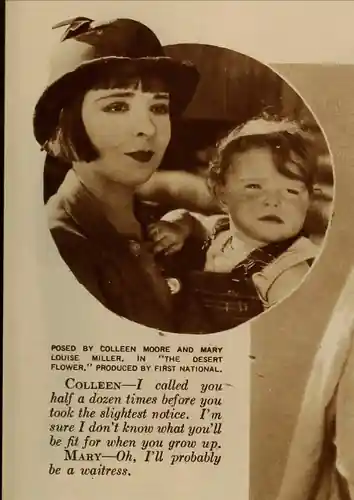
Maggie, a resilient and determined young woman, lives in a boxcar near a railroad line being constructed through the desert. Her existence is marked by hardship and cruelty, courtesy of her stepfather, Mike Dyer. The arrival of Maggie in Bullfrog sets off a chain of events that alters the trajectory of her life. It is here that she encounters Rance Conway, a young derelict struggling with addiction. Their initial interactions are characterized by Rance's repeated relapses into drunkenness, until Maggie shames him into accepting a grubstake, which enables him to embark on a prospecting journey.
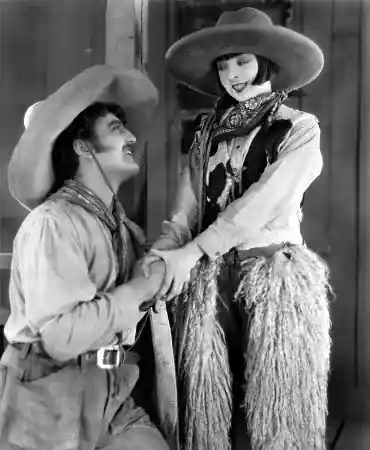
Rance's newfound sobriety and success in his prospecting endeavors are short-lived, as Mike Dyer's arrival in town precipitates a tragic confrontation. Dyer's lifeless body is discovered, and Rance, in a selfless act of devotion, assumes the blame to protect Maggie. In a parallel display of loyalty, Maggie confesses to the crime, and the sheriff, unable to unravel the mystery, attributes Dyer's demise to suicide. This pivotal moment in the narrative serves as a testament to the depth of their bond, as both characters prioritize the other's well-being above their own.
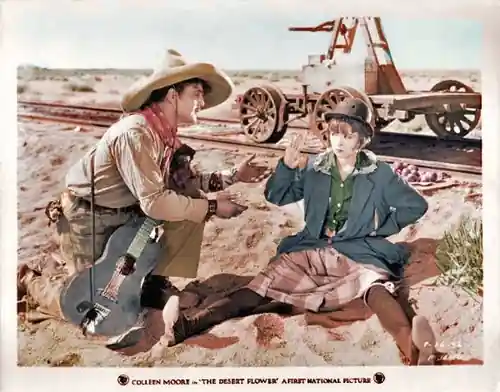
The character arcs of Maggie and Rance are expertly crafted, with their transformations serving as a compelling backdrop for the narrative. Rance's overcoming of his addiction and his ultimate revelation as the scion of a wealthy family add layers to his persona, while Maggie's unwavering determination and resilience underscore her strength as a character. Their romance, which blossoms against the backdrop of hardship and tragedy, serves as a beacon of hope in an otherwise desolate landscape.
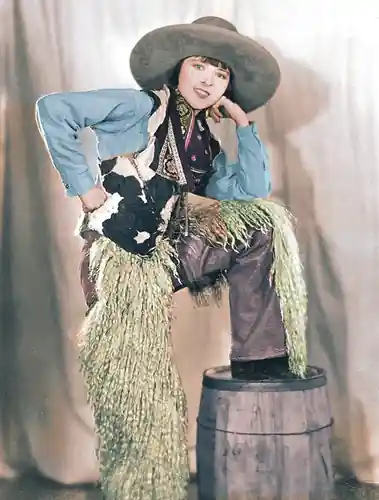
The Desert Flower invites comparisons with other silent film classics, such as The Triumph of Love and The Master Cracksman, in its exploration of themes such as love, sacrifice, and redemption. However, its unique narrative and character dynamics set it apart as a distinct masterpiece of the silent era.
The performances of Isabelle Keith and Fred Warren are noteworthy, bringing depth and nuance to their respective characters. The supporting cast, including Colleen Moore and Lloyd Hughes, add to the richness of the narrative, creating a believable and immersive world.
The cinematography and direction in The Desert Flower are equally impressive, capturing the harsh beauty of the desert landscape and the gritty reality of life in a mining town. The use of lighting and composition creates a visually stunning backdrop for the narrative, drawing the viewer into the world of the film.
In conclusion, The Desert Flower is a cinematic treasure that warrants attention from film enthusiasts and scholars. Its poignant tale of love and redemption, coupled with outstanding performances and direction, make it a standout in the silent film era. As a testament to the power of human relationships, this film continues to resonate with audiences today, offering a compelling exploration of the human condition.
For those interested in exploring the silent film era, The Greek Interpreter and Sky-Eye offer additional insights into the period, while When the Devil Drives provides a contrasting narrative that explores the darker aspects of human nature.
IMDb 3.1
1918
Community
Log in to comment.