DbcultAccessing Vault...
5.8/10
Senior Film Conservator
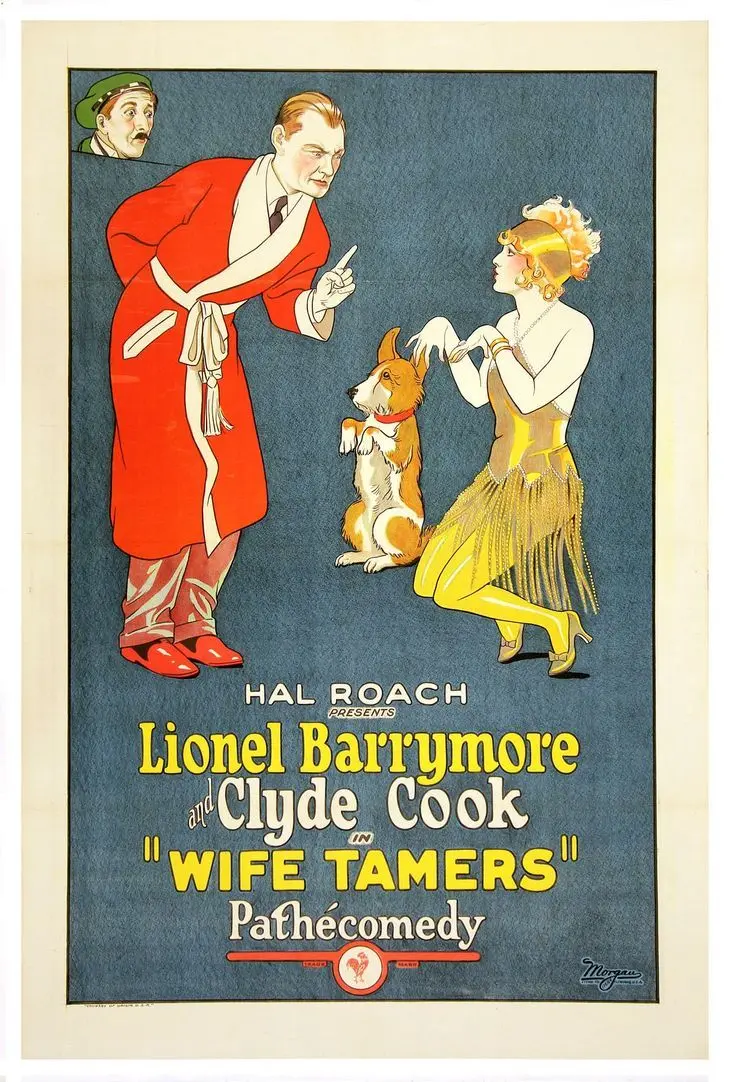
A definitive 5.8/10 rating for a film that redefined the boundaries of cult cinema. Wife Tamers remains a cornerstone of transgressive art.
Is this film worth watching today? Short answer: Yes, but only if you are a dedicated student of silent comedy or a Hal Roach completionist. For the casual viewer, the gender politics of 1926 may feel more like a relic than a riot.
This film is for fans of James Finlayson’s signature squint and those interested in the directorial work of Lionel Barrymore. It is NOT for viewers seeking a modern, nuanced take on relationship dynamics or anyone who lacks the patience for the broad, repetitive slapstick of the mid-twenties.
1) This film works because the comedic timing of the ensemble cast, particularly James Finlayson, elevates a mundane script into something energetic.
2) This film fails because the central 'misunderstanding' is so flimsy it barely supports the twenty-minute runtime.
3) You should watch it if you want to see the DNA of Laurel & Hardy’s later success being formed in real-time.
Wife Tamers arrives from a period when the 'battle of the sexes' wasn't just a trope; it was the primary engine of the American short film industry. Unlike the more dramatic explorations of domestic life found in The Dangerous Age, this short leans heavily into the absurd. The plot is a classic setup: a temperamental wife, played with a sharp, icy edge by Gertrude Astor, decides she has had enough of her husband's perceived slights. The husband, portrayed with a frantic energy that borders on the neurotic, decides that the only way to save his marriage is to set it on fire.
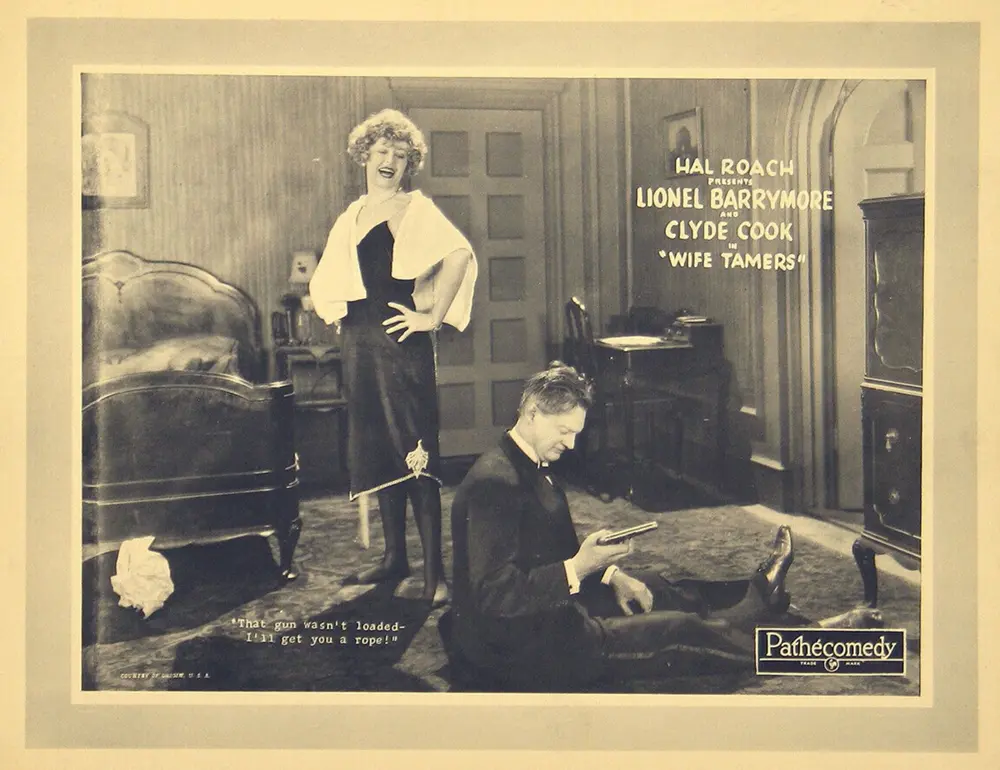
The introduction of the 'chorus girl'—a loud, uncouth character meant to serve as a foil to the wife’s refinement—is where the film finds its pulse. Vivien Oakland plays this role with a gusto that is almost exhausting. She isn't just playing a character; she is playing a disruption. When she enters the cabaret, jewelry clinking and voice (silently) booming, the film shifts from a domestic drama into a full-blown satire of class and decorum. It is a loud performance in a silent medium, a feat that requires a specific kind of physical bravery.
One of the most intriguing aspects of Wife Tamers is its pedigree. Directed by Lionel Barrymore, a man better known for his dramatic gravitas, the film possesses a strange, almost clinical rhythm. Barrymore doesn't always seem comfortable with the chaos, yet he allows the actors enough room to breathe. Contrast this with the writing staff, which included Stan Laurel. You can see Laurel’s fingerprints all over the gag construction. The way a simple misunderstanding over a piece of jewelry spirals into a public scandal is pure Laurel logic.
The pacing is relentless, which is both a blessing and a curse. It moves faster than The Woman Gives, but it lacks the emotional resonance of that film's quieter moments. In Wife Tamers, there are no quiet moments. Every scene is a build-up to a physical payoff. When the husband hands over the wife's jewels to the chorus girl, the camera lingers on Astor's face for just a second too long, capturing a genuine moment of betrayal that feels out of place in such a broad comedy. It works. But it’s flawed.
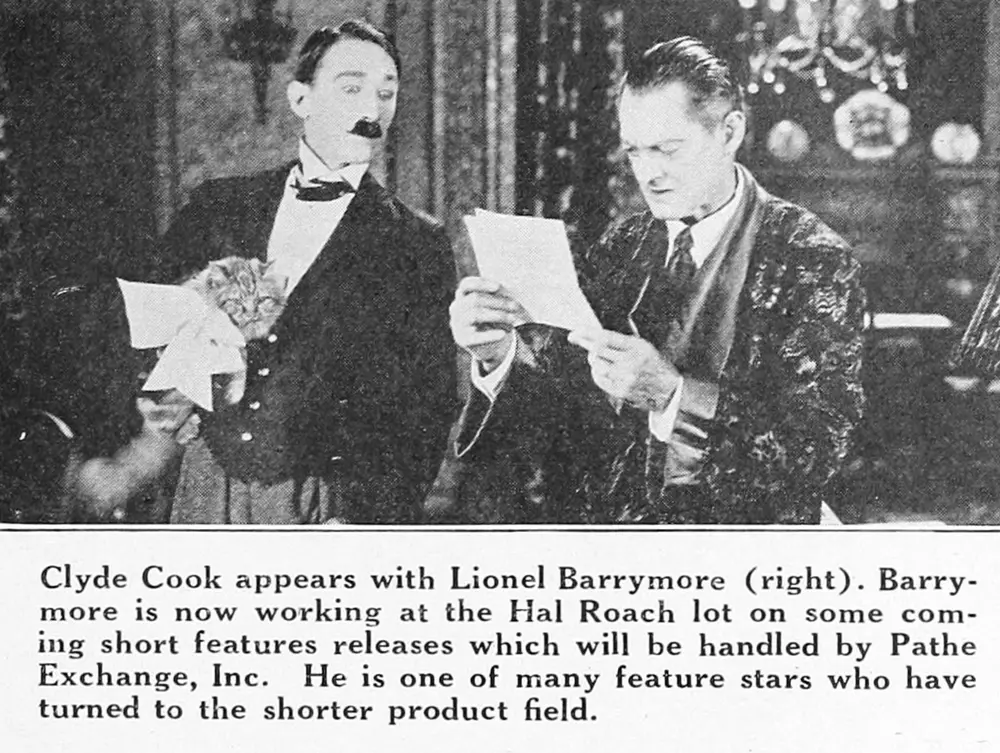
If you are looking for a quick burst of 1920s energy, Wife Tamers provides exactly that. It is a fascinating look at how the Hal Roach studios were experimenting with different comedic voices before settling on the definitive Laurel and Hardy formula. However, if you require a plot that makes sense by modern standards, you will find yourself frustrated. The reconciliation at the end feels unearned and sudden, a byproduct of the short film format rather than a natural narrative conclusion.
The standout sequence occurs in the cabaret. This is where the cinematography, usually static and functional, begins to mirror the husband’s anxiety. As the chorus girl behaves increasingly 'tough'—chewing food with her mouth open, laughing too loudly, and flaunting the stolen jewels—the editing tightens. We see the wife’s reaction shots in quick succession, creating a mounting sense of pressure. It’s a masterclass in using visual cues to replace dialogue. You don't need to hear her scream to know she's at her breaking point.
This scene also highlights the film's inherent classism. The 'taming' of the wife is achieved by exposing her to someone 'beneath' her social standing. It’s a debatable opinion, but I find the film’s reliance on this trope to be its most dated element. It suggests that a woman’s temperament can be managed through public humiliation and the threat of social replacement. It’s a cynical view of romance, even for 1926.
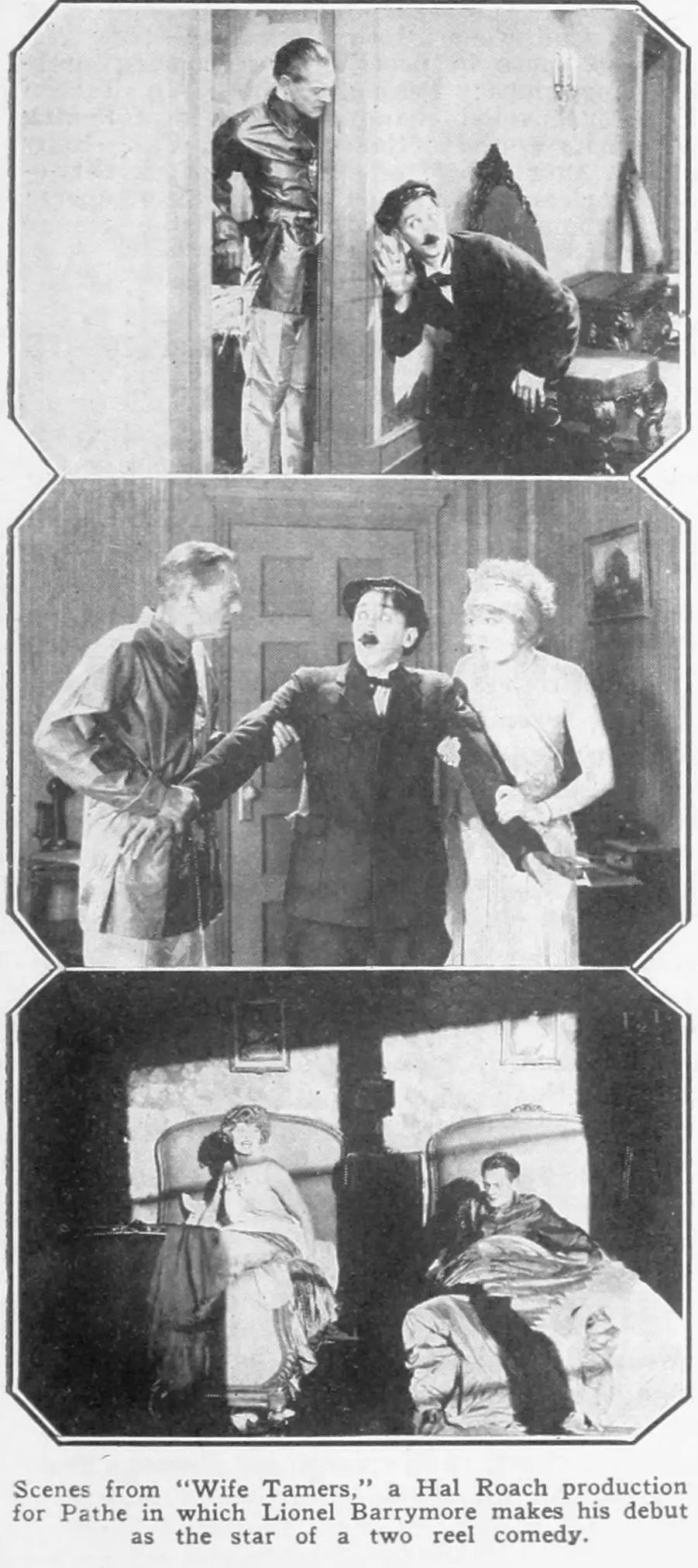
Pros:
The film is incredibly tight; there is zero fat on this twenty-minute production. The ensemble cast features some of the best character actors of the silent era, including the legendary James Finlayson. The jewelry-theft subplot adds a layer of tension that keeps the slapstick grounded in a tangible conflict.
Cons:
The central premise is arguably misogynistic, even by the standards of the time. Compared to other shorts like High Life, the humor is less about wit and more about noise. The ending is a massive letdown that ignores the character development of the previous eighteen minutes.
Technically, Wife Tamers is a middle-of-the-road production. The lighting is flat, typical of the 'factory' style of the Roach studio during this period. However, the set design for the cabaret is surprisingly detailed, offering a glimpse into the opulent nightlife of the mid-twenties. It lacks the atmospheric depth seen in The Light in the Dark, but it serves its purpose as a backdrop for the escalating farce.
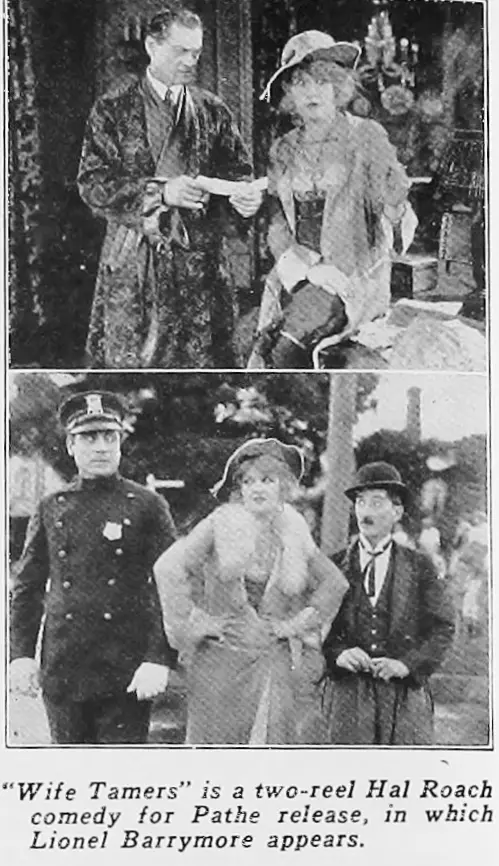
The pacing is where the film excels. There is a rhythmic quality to the gags—a setup, a beat, and then the explosion. This is likely due to the presence of H.M. Walker and Stan Laurel in the writers' room. They understood that comedy is a mathematical equation. If you add a jealous wife to a loud chorus girl and multiply by a set of stolen diamonds, the result must be a courtroom riot. It is a predictable formula, but in 1926, it was a winning one.
While most critics focus on the actors, the real protagonist of Wife Tamers is the jewelry. The jewels represent the wife’s status and the husband’s leverage. When they are on the wife, they are symbols of a cold, distant marriage. When they are on the chorus girl, they become weapons. The film treats these physical objects with more reverence than the characters’ emotions. It’s a subtle, perhaps unintentional, commentary on the materialism of the roaring twenties. The jewels are what bring the couple back together, not love. That is a brutally simple and cynical truth.
Wife Tamers is a loud, messy, and occasionally brilliant short that suffers from its own dated premise. While it doesn't reach the heights of the later Laurel and Hardy masterpieces, it provides a vital link in the evolution of American comedy. Gertrude Astor and Vivien Oakland are the true stars here, playing off each other with a ferocity that makes the husband’s 'taming' plot seem almost secondary. It is a film about performance—everyone is playing a role to manipulate someone else. If you can look past the regressive social dynamics, you’ll find a well-oiled machine of a comedy that still manages to elicit a few genuine laughs. It isn't as poetic as Out Yonder, but it has twice the energy. Watch it for the history, stay for the chaos, but don't expect a modern romance.
IMDb —
1929
Community
Log in to comment.