DbcultAccessing Vault...
Cult Review
Senior Film Conservator
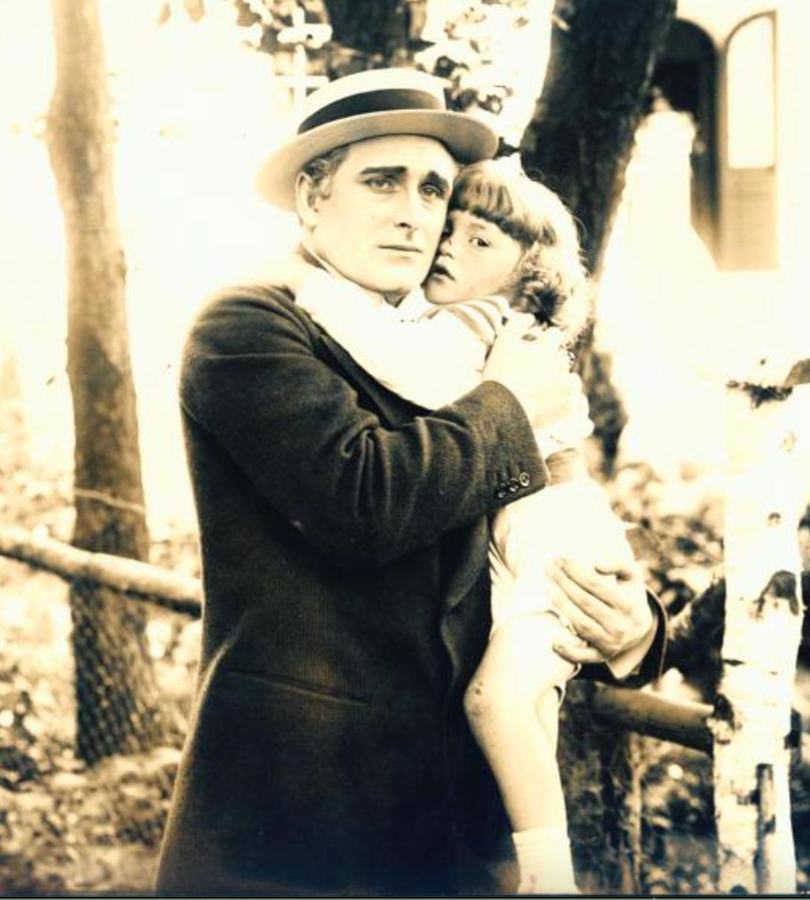
In the annals of early cinematic storytelling, few narratives capture the intricate dance between domestic bliss and encroaching temptation with the visceral intensity of Lille Teddy. This silent film, a remarkable artifact from an era when visual storytelling was paramount, unfurls a timeless drama that resonates with profound human truths. It isn't merely a tale of infidelity; it's an exploration of vulnerability, the insidious nature of desire, and the formidable strength of a woman scorned, yet resolute. Penned by the insightful Alfred Kjerulf, the film masterfully navigates the treacherous waters of marital fidelity, setting a compelling precedent for the psychological dramas that would follow in subsequent decades.
The film opens on what appears to be an idyllic tableau: the comfortable existence of author Chas Barley, portrayed with a nuanced blend of contentment and underlying artistic restlessness by Jørgen Schønberg. His world is anchored by his devoted wife, Vera, brought to life with understated power by Ingeborg Bruhn Bertelsen, and their beloved son, Teddy. Their home is a sanctuary, a testament to the quiet joys of a well-ordered life. This initial portrayal of domestic harmony is crucial, serving as a stark contrast to the chaos that is soon to erupt, making Chas's eventual descent all the more tragic and bewildering. The film subtly hints at the fragility of this happiness, suggesting that even the most secure foundations can be shaken by unforeseen forces.
The catalyst for this domestic upheaval arrives in the form of a traveling circus, an archetypal symbol of transient excitement and hidden dangers. With it comes Mademoiselle Montajada, a celebrated equestrian whose very presence exudes an intoxicating blend of exoticism and peril. Baptista Schreiber embodies Montajada with a chilling elegance, her beauty a weapon, her charm a meticulously crafted snare. She is not merely an object of desire; she is an active predator, her gaze a calculated invitation to ruin. Chas, accustomed to the quiet intellectualism of his life, finds himself utterly mesmerized, drawn into her orbit like a moth to a dangerously brilliant flame. The circus itself becomes a metaphor for the forbidden, a vibrant, chaotic realm that stands in stark opposition to the ordered sanctity of Chas's home life.
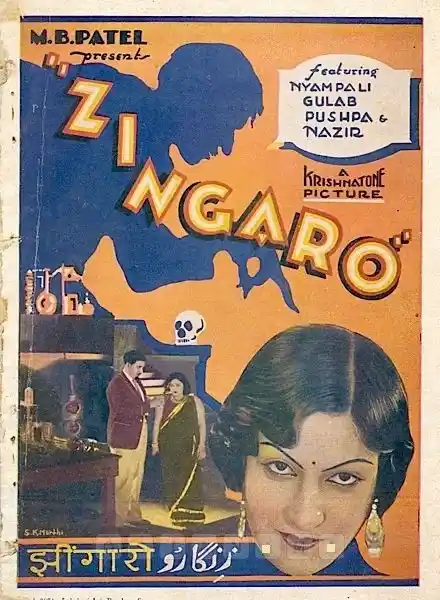
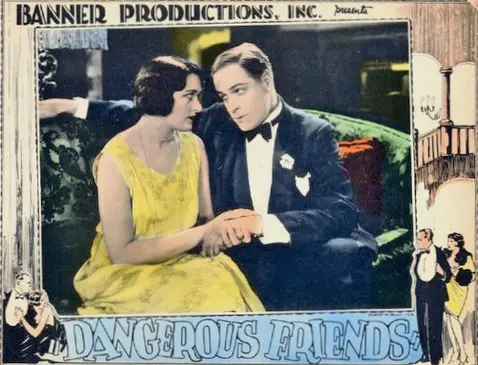
Montajada's allure is particularly potent because it offers Chas an escape from the perceived mundanity of his routine, a flicker of excitement that he perhaps didn't even realize he craved. The film, through its visual language, conveys the growing chasm between Chas's responsibilities and his burgeoning obsession. His clandestine meetings with Montajada, bathed in the shadowy glow of the circus tents or the clandestine corners of the town, are rendered with a palpable sense of illicit thrill and impending doom. It's a classic tale of a man momentarily blinded by superficial glamour, unable to discern the true cost of his dalliance. This narrative thread, of a protagonist ensnared by a charismatic, morally ambiguous figure, echoes in later cinematic works, highlighting its timeless appeal and cautionary nature. One might draw parallels to the destructive relationships explored in films like The Scarlet Sin or Amor fatal, where passion and deceit intertwine with devastating consequences.
As Chas delves deeper into his affair, his character, once a pillar of domestic stability, begins to crumble. Olaf Fønss, in a supporting role, contributes to the atmosphere of the unfolding drama, though the central focus remains on Schønberg's portrayal of Chas. The film subtly depicts the psychological toll of his deceit, the guilt that gnaws at him even as he pursues his forbidden pleasure. His actions are not painted as malicious, but rather as the tragic consequence of a momentary lapse in judgment, amplified by Montajada's relentless manipulation. He becomes, as the plot suggests, a 'victim,' not just of her beauty, but of his own weaknesses. This portrayal adds a layer of complexity, preventing Chas from being a one-dimensional villain and instead presenting him as a flawed human being grappling with overwhelming temptation. The quiet suffering of Chas, as he navigates the chasm between his two lives, is a testament to the power of silent acting, where every gesture, every facial expression, must convey a torrent of unspoken emotions.
While Chas is caught in the throes of his self-inflicted crisis, the true heart of the film beats with Vera's burgeoning awareness and subsequent, formidable resolve. Ingeborg Bruhn Bertelsen's portrayal of Vera is nothing short of captivating. Her transformation from a seemingly naive, devoted wife to a woman of indomitable spirit is a powerful testament to the strength often found in quiet dignity. She doesn't immediately descend into hysterics or despair; instead, her realization is a slow burn, a dawning horror that solidifies into steely determination. Vera embodies the archetype of the strong female protagonist, a figure who, upon discovering the betrayal, doesn't crumble but rises to defend her family and her marital vows. This portrayal would have resonated deeply with audiences of the era, offering a compelling vision of female agency in the face of adversity.
Vera's fight is not just for her husband's affection, but for the very sanctity of her home and the future of her son, Teddy. Her actions are driven by a primal instinct to protect her family, a theme that echoes powerfully in other early films centered on maternal strength, such as The Call of the Child. Unlike the passive heroines often depicted in melodrama, Vera actively confronts the source of her pain, choosing to engage in a direct battle with Montajada. This confrontation is a highlight of the film, a clash of wills between two vastly different women — one driven by selfish ambition, the other by selfless love. The visual storytelling here is particularly effective, relying on intense close-ups and dramatic staging to convey the emotional weight of their encounter.
Lille Teddy, at its core, delves into profound themes that transcend its silent-era origins. It scrutinizes the fragility of fidelity, the corrosive power of deceit, and the arduous path to potential redemption. The film subtly critiques societal expectations of marriage and the hidden vulnerabilities that can undermine even the most seemingly stable relationships. It asks poignant questions about what constitutes true love and devotion, contrasting Chas's fleeting infatuation with Montajada against Vera's enduring commitment. The narrative arc, while focused on a specific family's struggle, speaks to universal human experiences of betrayal and the arduous journey back to trust. The inclusion of Otto Detlefsen and Ellen Kornbeck in the cast, though their specific roles might be secondary to the main trio, further rounds out the societal backdrop against which this intimate drama unfolds, lending credibility to the film's depiction of community reaction and the ripple effects of scandal.
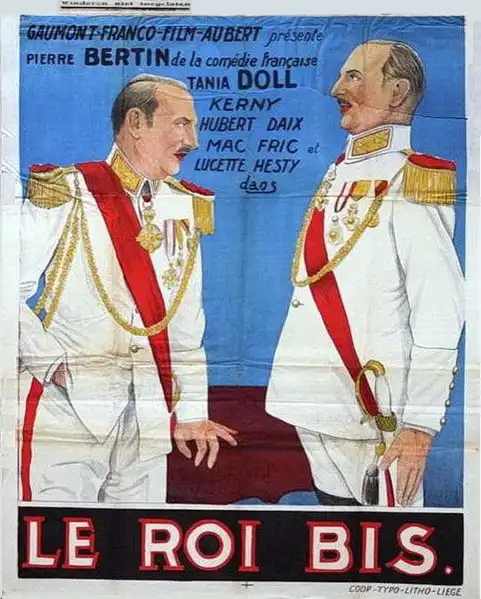
The film's exploration of these themes places it alongside other significant early cinematic works that grappled with the complexities of human relationships. One might consider The Fatal Wedding or Házasodik az uram, which similarly dissected marital strife and the consequences of fractured vows. However, Lille Teddy distinguishes itself through its focus on Vera's proactive agency, shifting the narrative focus from merely the husband's transgression to the wife's heroic response. This emphasis on a woman's resilience and her capacity to fight for her family's integrity makes the film particularly compelling and progressive for its time.
Alfred Kjerulf's screenplay is a testament to the sophisticated narrative structures emerging in early Danish cinema. The pacing is deliberate, allowing the emotional arcs to develop organically, yet it never truly lags. The visual storytelling, characteristic of the silent era, relies heavily on expressive performances, symbolic set design, and evocative cinematography to convey mood and meaning. The use of light and shadow, though perhaps rudimentary by today's standards, is effective in highlighting the moral ambiguities of the characters and the dramatic tension of key scenes. The circus environment, with its vibrant chaos and shadowy corners, is expertly utilized to create a sense of both allure and danger, serving as a powerful visual metaphor for the illicit affair itself.
The performances, while adhering to the more theatrical conventions of silent film acting, are remarkably nuanced. Jørgen Schønberg conveys Chas's internal conflict and eventual remorse with a believable gravitas. Baptista Schreiber's Montajada is a chillingly effective antagonist, her allure undeniable, her ruthlessness palpable. But it is Ingeborg Bruhn Bertelsen's Vera who truly anchors the film, her quiet strength and unwavering determination shining through every frame. Her ability to convey profound emotion without dialogue is a masterclass in silent film acting. The supporting cast, including Otto Detlefsen and Ellen Kornbeck, provide essential context and reaction, helping to ground the extraordinary drama within a recognizable social fabric.
Even a century after its initial release, Lille Teddy retains a compelling power. Its exploration of universal themes—temptation, fidelity, and the resilience of the human spirit in the face of betrayal—ensures its enduring relevance. The film stands as a poignant reminder of the early cinema's capacity for profound storytelling and its ability to capture the complexities of the human condition with remarkable clarity. It’s a testament to the foundational narratives that continue to inform and inspire filmmakers today, proving that a compelling story, told with conviction, transcends the limitations of its medium or era. For those interested in the evolution of cinematic drama and the rich history of Danish film, Lille Teddy is not merely a historical curiosity but a vibrant, emotionally charged experience.
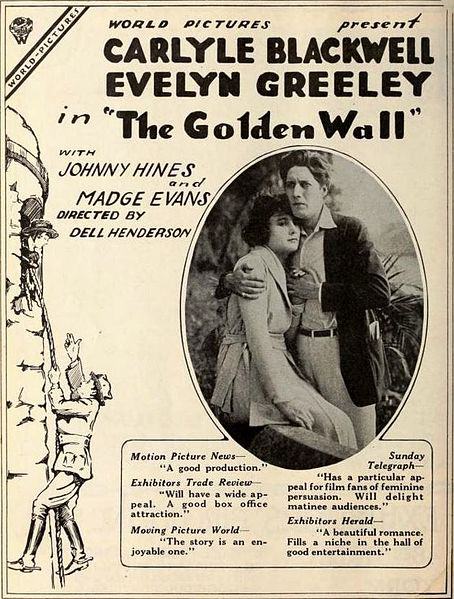
The story of a virtuous woman fighting for her family against a seductive force is a recurring motif across cultures and cinematic traditions, as seen in various forms from The Legend of Provence to even more dramatic confrontations in films like Hoodman Blind, albeit with different narrative intricacies. Lille Teddy offers a particularly potent early example, a foundational text that explores these dynamics with a raw, unvarnished emotional honesty. It solidifies its place not just as an important piece of Danish cinematic heritage, but as a significant contribution to the global tapestry of early film, demonstrating that even without spoken words, the deepest human struggles can be conveyed with breathtaking impact and lasting resonance.
Ultimately, Lille Teddy serves as a powerful reminder that true strength often lies not in avoiding temptation, but in the unwavering commitment to one's values and the fierce, protective love for one's family. It’s a compelling piece of cinematic history that continues to speak volumes without uttering a single word, inviting viewers to reflect on the timeless struggles and triumphs that define the human experience. Dive into this silent marvel and discover a world where emotions are writ large, and the fight for love is as visceral and captivating as any modern drama.
IMDb 6.4
1925
Community
Log in to comment.