DbcultAccessing Vault...
7/10
Senior Film Conservator
A definitive 7/10 rating for a film that redefined the boundaries of cult cinema. Docks of Hamburg remains a cornerstone of transgressive art.
So, Docks of Hamburg. Is this worth a watch today? Yeah, absolutely, *if* you're into that early German cinema vibe. It's not a thrill-a-minute, don't expect that. But if you appreciate a story where the mood and characters slowly pull you in, you'll probably dig it. Folks who want everything spelled out or need constant action? They'll probably be bored stiff. This one, it’s more about the little choices people make.
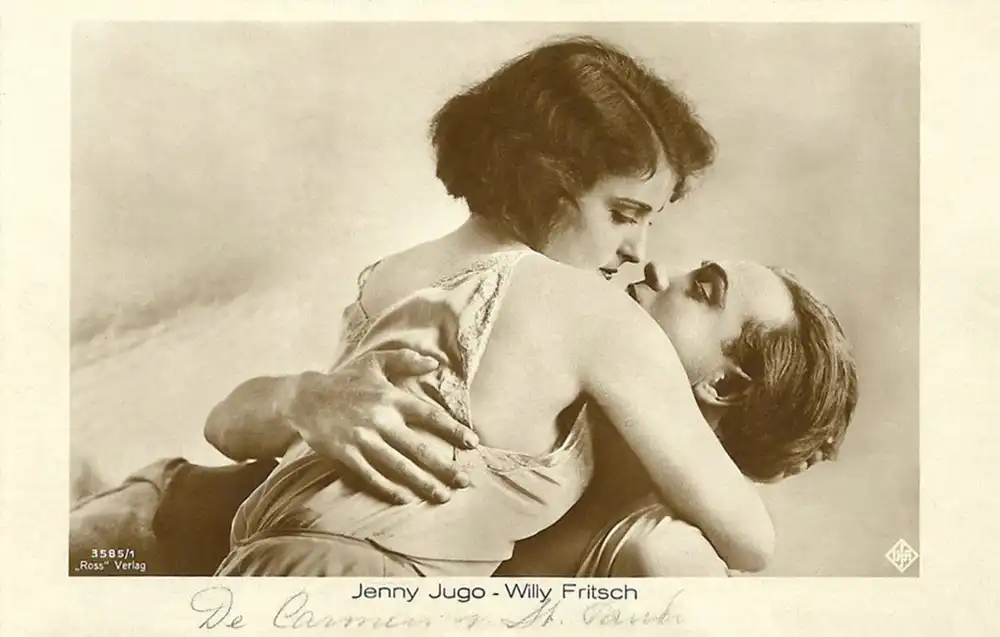
The whole thing kicks off with Klaus Brandt, our main guy, a ship's mate. He's proper, by-the-book. One night, he catches Jenny, this young woman, trying to steal something down by the docks. And instead of doing his duty, he just… lets her go. That one moment, that *look* between them, it's the whole movie right there. It changes everything for him, you know?
Jenny, oh man. She's the star of some smoky, loud dive bar. Not like your clean, fancy places, more like a hole-in-the-wall where trouble brews. And she's not just a singer; she’s in deep with the smuggling game. Docks of Hamburg does such a good job making that place feel real. You can practically smell the stale beer and cigarettes through the screen. It’s gritty, definitely.
Klaus, he gets pulled deeper and deeper into Jenny's world. It's a clash of two very different lives. His structured, respectable existence and her chaotic, dangerous one. You see him struggling with it, how he tries to keep his head above water, but he’s just so drawn to her. Willy Fritsch, who plays Klaus, he's got this earnest, almost *too* honest face. It makes his internal battle really land.
There are these moments, small things, that stick with you. Like the way Jenny just commands the room when she's performing. She's got this undeniable presence, even when she’s doing something obviously risky. Or the quick, furtive glances between characters, loaded with unspoken stuff. This film relies on those quiet observations, I think.
The pacing, it's deliberate. Not slow, exactly, but it lets scenes breathe. The camera just kind of watches, sometimes, letting you soak in the atmosphere of the port or that dive bar. There's a scene in the bar where the background noise, the chatter and clinking glasses, feels almost like another character. It’s very immersive for its time.
And Fritz Rasp, he plays this other character, a really shady guy. You just *know* he's bad news from his first appearance. He doesn't need to do much; his whole demeanor just screams trouble. He’s the kind of person who makes the air feel heavy just by being there. The dynamic between him, Jenny, and Klaus is what really drives the second half.
I mean, sure, it's not perfect. Some of the plot beats feel a bit… well, expected for a film from this era. And there's a moment near the end where a character makes a choice that feels a little too convenient, like the story needed it to happen. But honestly, it doesn't really take away from the overall impact. You forgive it, mostly.
The whole mood of the film, it’s quite melancholic, even with the crime stuff. It’s about people caught in circumstances, making decisions that lead them down paths they never intended. It's got that old-school noir feel, before noir was even really a 'thing' yet. If you liked the urban grit of something like Nachtgestalten, you'll find a similar kind of world here.
It’s less about big twists and more about the slow burn of consequence. You watch Klaus’s upright world crumble bit by bit, and you can almost feel the weight of his choices. It's a pretty human story, for all its old-fashioned trappings. 🚢
IMDb 6.8
1928
Community
Log in to comment.