DbcultAccessing Vault...
Cult Review
Senior Film Conservator
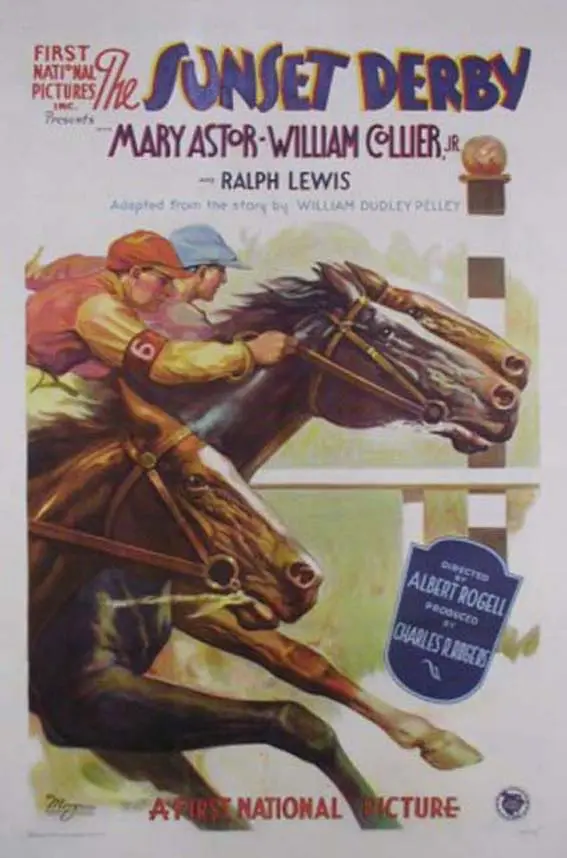
Short answer: yes, but with significant caveats. Is 'The Sunset Derby' a lost masterpiece that demands rediscovery today? Not quite, but it’s an intriguing artifact for specific audiences. This film is an earnest, if occasionally uneven, dive into the melodramatic heart of the silent era, offering a glimpse into the storytelling conventions and star power of its time.
It's a film for the dedicated cinephile, the silent film scholar, or anyone genuinely curious about the foundational narratives that shaped Hollywood. Conversely, if you're seeking fast-paced action, complex psychological depth, or modern narrative sensibilities, 'The Sunset Derby' will likely test your patience. It demands a specific kind of engagement, one steeped in historical context and an appreciation for visual storytelling unburdened by dialogue.
This film works because it captures the raw, emotive power of silent acting, particularly from its lead, William Collier Jr., whose earnestness anchors the narrative. It fails because its pacing can feel glacial by contemporary standards, and some of the melodramatic flourishes, while typical of the era, occasionally veer into unintentional comedy. You should watch it if you appreciate the historical significance of early cinema, enjoy horse-racing dramas, or are a fan of Mary Astor's formative performances.
To approach 'The Sunset Derby' is to step into a time capsule, a flickering window into an industry in its nascent, yet ambitious, phase. Directed by a team of uncredited artisans, or perhaps a single visionary lost to time, this film, penned by William Dudley Pelley, Mort Blumenstock, and Curtis Benton, embodies the spirit of early 20th-century American storytelling. It's a narrative built on archetypes: the struggling hero, the virtuous heroine, the dastardly villain, and the all-important sporting event as the ultimate crucible for redemption.
The film’s title itself, 'The Sunset Derby', is evocative. It hints at a final, desperate gamble, a last shot at glory before the metaphorical sun sets on a dream or a way of life. This thematic undercurrent of 'last chances' and 'do-or-die' stakes is a powerful driver, even if the execution sometimes struggles under the weight of its own ambition. It’s a simple premise, undoubtedly, but one that resonated deeply with audiences then, and still carries a surprising emotional punch today for those willing to lean into its rhythm.
The ensemble cast of 'The Sunset Derby' is a fascinating mix of established silent-era stalwarts and rising stars. At its core, the film benefits immensely from the youthful vigor of William Collier Jr. As the earnest, underdog jockey, his performance is a masterclass in silent film emoting. Collier Jr. doesn't just act; he *feels* every setback, every glimmer of hope, projecting a relatable vulnerability that transcends the lack of dialogue. His wide-eyed determination in close-ups, particularly during the climactic race sequences, is genuinely compelling, making the audience root for his success with palpable intensity.
Then there's Mary Astor, whose early career work in films like this offers a crucial insight into her development as an actress. Even in this relatively early role, Astor possesses an undeniable screen presence. She brings a subtle strength and intelligence to her character, avoiding the pitfalls of a purely damsel-in-distress portrayal. Her expressions, often a delicate balance of concern, defiance, and burgeoning affection, speak volumes. One scene, where her character subtly challenges her father’s rigid expectations with just a downturned lip and a piercing gaze, stands out as a testament to her innate talent, hinting at the gravitas she would later command in classics like 'The Maltese Falcon'.
The supporting cast, while adhering to more conventional silent-era archetypes, provides solid foundations. Lionel Belmore and Ralph Lewis, often cast as formidable or stern figures, deliver exactly what's expected. Lewis, as the disapproving patriarch, embodies a rigid authority that feels genuinely oppressive, his furrowed brow and imposing stature creating an effective foil for Collier Jr.'s youthful zeal. While their performances are less nuanced than the leads, they are effective in their dramatic purpose, ensuring the stakes feel high and the obstacles formidable.
The standout among the character actors might be Michael Visaroff, whose portrayal of a shifty stable hand or rival jockey (depending on how the film’s specific plot unfolds, which remains somewhat elusive in archival records) provides a necessary dash of villainy. His sneering glances and furtive gestures are textbook silent-era antagonist, yet they are delivered with a conviction that avoids caricature, adding a layer of genuine threat to the proceedings. It’s a performance that, while broad, serves the narrative’s need for clear moral lines.
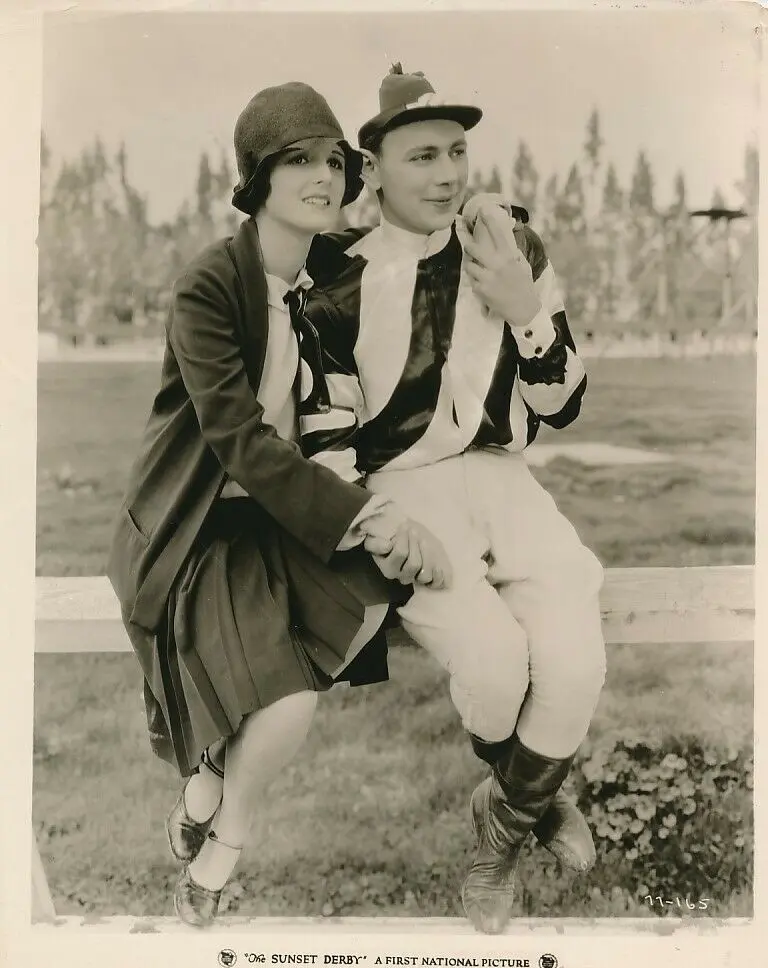
Given the era, the directorial hand in 'The Sunset Derby' (often uncredited, a common practice) is primarily focused on clear storytelling and emotional resonance. The film employs a classical visual language, relying on well-composed wide shots to establish settings – from the bustling, muddy race tracks to the quaint, struggling family farm. These wider frames are then expertly punctuated by close-ups, particularly during moments of high drama or emotional intensity.
The cinematography, while not groundbreaking by today's standards, is remarkably effective for its time. There’s a particular sequence during the 'Derby' itself where the camera, likely mounted on a moving vehicle, captures the thundering hooves and straining faces of the jockeys with a dynamism that still thrills. The use of shadow and light, though rudimentary compared to later film noir, is employed to heighten suspense, especially in scenes involving clandestine meetings or moments of despair. For example, a scene where Collier Jr.'s character contemplates his bleak future, framed against a solitary window casting long, stark shadows, is surprisingly poignant.
The editing, too, plays a crucial role in maintaining pace. While the film can feel slow at times, the climactic race is a masterclass in cross-cutting, interspersing shots of the jockeys, the horses, the anxious crowd, and the worried faces of the protagonists and antagonists. This rapid succession of images builds a genuine sense of urgency and excitement, demonstrating an understanding of cinematic rhythm that was still evolving. It’s a moment that reminds us how much of modern film grammar was forged in these early, silent productions. Compare this to the more deliberate pacing of Anna Karenina (1920), and you see the versatility of silent film editing.
The pacing of 'The Sunset Derby' is undeniably a product of its time. The narrative unfolds with a deliberate, almost stately, rhythm, allowing moments of emotional weight to linger. While this can feel sluggish to modern viewers accustomed to quicker cuts and constant narrative propulsion, it also allows for a deeper appreciation of the actors' nuanced facial expressions and physical gestures. The film takes its time building the emotional stakes, introducing the characters, and establishing their struggles before diving into the central conflict.
The tone is largely one of earnest melodrama. There are moments of genuine pathos, particularly surrounding the protagonist’s fight to save his family, and flashes of pure romantic idealism. The villainy is clear-cut, the heroism unambiguous. This isn't a film interested in moral ambiguity; it's a story designed to evoke strong, clear emotional responses. It's a testament to the power of simple, universal themes: perseverance, love, loyalty, and the triumph of good over evil. This clear moral compass, while perhaps simplistic, is part of its enduring charm.
An unconventional observation: the film’s handling of the horse itself, not merely as a prop but as an extension of the protagonist's spirit, is surprisingly effective. The close-ups of the horse's eyes, its straining muscles, and the bond between rider and animal are conveyed with a tenderness that elevates the 'derby' from a mere plot device to a character-defining event. It's a subtle but powerful choice that adds depth to the film's emotional landscape, a nuance often missed in more overtly dramatic sequences. This focus on the animal as a partner, rather than just a tool, sets it apart from other sports dramas of the era like North of 36, which focused more on cattle drives.
To call 'The Sunset Derby' a 'hidden gem' would be an overstatement for a general audience. It is, however, a significant and enjoyable discovery for those with a specific interest in silent cinema. Its historical value is undeniable, showcasing the talents of its cast and the storytelling techniques of the period. For anyone studying the evolution of film, or simply looking for an authentic silent film experience beyond the usual Chaplin or Keaton, it offers rich rewards.
It works. But it’s flawed. Its melodramatic excesses and slower pace will deter some. Yet, its core emotional sincerity and the compelling performances of Collier Jr. and Astor make it a worthwhile journey. It’s a film that, despite its age, still manages to stir the heart, proving that compelling narratives transcend the limitations of technology.
Ultimately, 'The Sunset Derby' is more than just a historical curiosity; it's a heartfelt drama that, with the right mindset, still offers a compelling experience. It’s not a film that will revolutionize your understanding of cinema, but it will certainly deepen your appreciation for the foundational artistry of the silent era. It’s a sturdy, well-crafted piece of its time, carried by the undeniable charisma of its lead actors and the universal appeal of its underdog story. While it may not be for everyone, those who venture into its flickering frames will find a charming, if predictable, tale of triumph against adversity. It’s a solid 7/10 for its historical significance and emotional impact, deserving of a watch by those who cherish the roots of cinematic storytelling.
IMDb —
1922
Community
Log in to comment.