DbcultAccessing Vault...
5.5/10
Senior Film Conservator
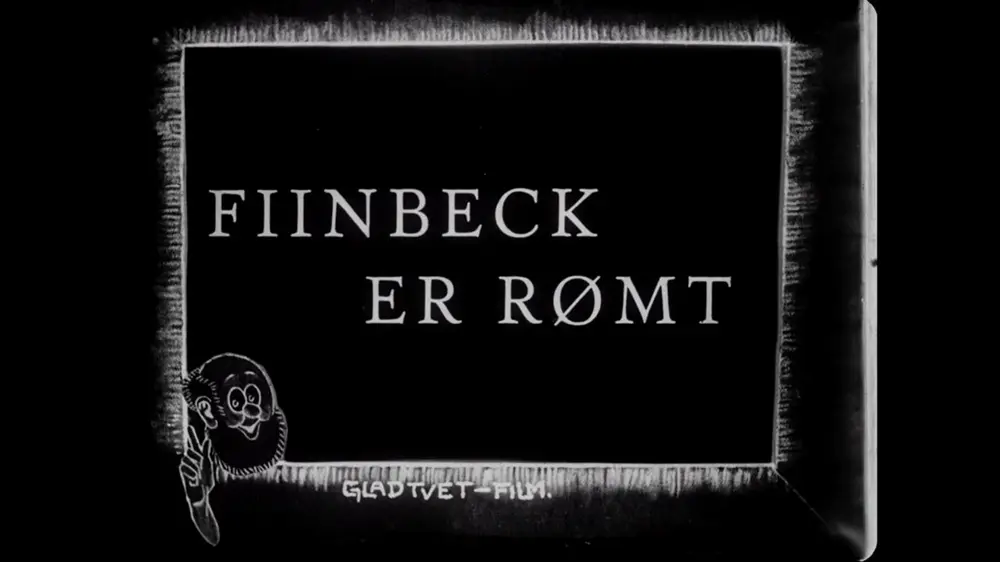
A definitive 5.5/10 rating for a film that redefined the boundaries of cult cinema. Fiinbeck er rømt remains a cornerstone of transgressive art.
Is 'Fiinbeck er rømt' worth watching today? Short answer: yes, but with significant caveats. This early Norwegian film, a relic from cinema’s formative years, offers a fascinating glimpse into a particular style of storytelling and performance that has largely vanished, making it a unique historical artifact more than a universally engaging narrative. It is unequivocally for the dedicated cinephile, the silent film enthusiast, or anyone with a deep interest in the evolution of Nordic cinema. However, it is decidedly NOT for casual viewers accustomed to modern pacing, complex narratives, or high-fidelity production values.
The film requires a specific kind of patience and an appreciation for the theatricality inherent in early motion pictures. If you approach it expecting contemporary cinematic language, you will be disappointed. If you approach it as a historical document, a window into a simpler time, then 'Fiinbeck er rømt' reveals a surprising amount of charm and even a rudimentary form of character study.
The silent era, often dismissed by casual viewers as merely a precursor to 'real' cinema, holds within its flickering frames a wealth of artistic experimentation and cultural insight. 'Fiinbeck er rømt' is a prime example of this. It’s a film that doesn't just tell a story; it embodies a moment in time, a particular way of seeing and being seen. Directorially, the film leans heavily on the stage traditions from which early cinema borrowed so liberally. Shots are often static, wide, and designed to capture the full theatricality of the performers.
There's a raw, almost unpolished quality to the production that, surprisingly, works in its favor. Rather than detracting from the experience, it lends an authenticity to the small-town Norwegian setting. The lack of elaborate sets or intricate camera movements forces the viewer to focus on the performances and the simple, universal humor of the chase. It’s a stark contrast to the more technically ambitious, albeit often equally charming, works of the era like Kinder der Finsternis - 1. Der Mann aus Neapel, which displayed a nascent understanding of genre complexity.
Victor Bergdahl, as the titular Fiinbeck, delivers a performance that is nothing short of captivating for its era. He understands the demands of silent cinema perfectly, communicating character and emotion through exaggerated gestures, expressive facial contortions, and an almost balletic physicality. His Fiinbeck is not just a character; he's a force of nature, a charming rogue whose every movement conveys a playful defiance.
Consider the scene where Fiinbeck, having just made off with a pie, feigns innocence while hiding behind a clothesline. Bergdahl’s eyes darting, his body subtly tensed, even as he attempts to appear nonchalant, is a masterclass in silent comedic timing. It’s a performance that doesn't need intertitles to explain his motivations; his body language does all the talking. This kind of nuanced physical acting is a lost art, and Bergdahl is a testament to its power.
Opposite him, Ottar Gladvedt’s Constable Bjarne is the perfect foil. Gladvedt embodies the bumbling authority figure with a sincerity that makes him endearing rather than simply foolish. His frustration is palpable, his determination admirable, even when his efforts are comically thwarted. The dynamic between Bergdahl and Gladvedt is the true engine of the film, a testament to the power of two strong performers elevating simple material. Their chemistry, while broad, is undeniable and forms the emotional core of the film’s lighthearted conflict.
The pacing of 'Fiinbeck er rømt' is decidedly deliberate, a characteristic common to many films of its period. Modern audiences, accustomed to rapid-fire editing and constant narrative propulsion, may find it slow. However, within its own context, this unhurried tempo allows for a deeper appreciation of the physical comedy and the picturesque Norwegian backdrops. The film takes its time, allowing moments of comedic tension to build and release naturally.
The tone is consistently lighthearted and whimsical. Even when Fiinbeck is on the run, there’s never a real sense of danger or malice. The stakes are low, the consequences minor, and the underlying message is one of good-natured fun. This contributes to the film's enduring charm, making it a surprisingly pleasant viewing experience if approached with the right mindset. It’s a stark contrast to the more dramatic narratives emerging simultaneously, like The Disappearance of Lady Frances Carfax, which relied on suspense and intrigue.
There's a particular sequence where Bjarne, in hot pursuit, inadvertently gets tangled in a villager's laundry line, collapsing amidst a cascade of sheets and undergarments. This moment, extended just enough for the humor to sink in, is emblematic of the film's gentle, almost innocent comedic sensibility. It’s not about shock or surprise; it’s about the slow burn of an absurd situation.
The cinematography in 'Fiinbeck er rømt' is, by today's standards, rudimentary. Most shots are static, often wide-angle, capturing the actors in full frame as if on a stage. Close-ups are rare, and dynamic camera movements are virtually non-existent. Yet, within these limitations, there's an undeniable artistry. The framing often highlights the natural beauty of the Norwegian landscape, using it as a vibrant backdrop for the comedic action. The film utilizes natural light, lending an organic, almost documentary-like feel to the outdoor scenes.
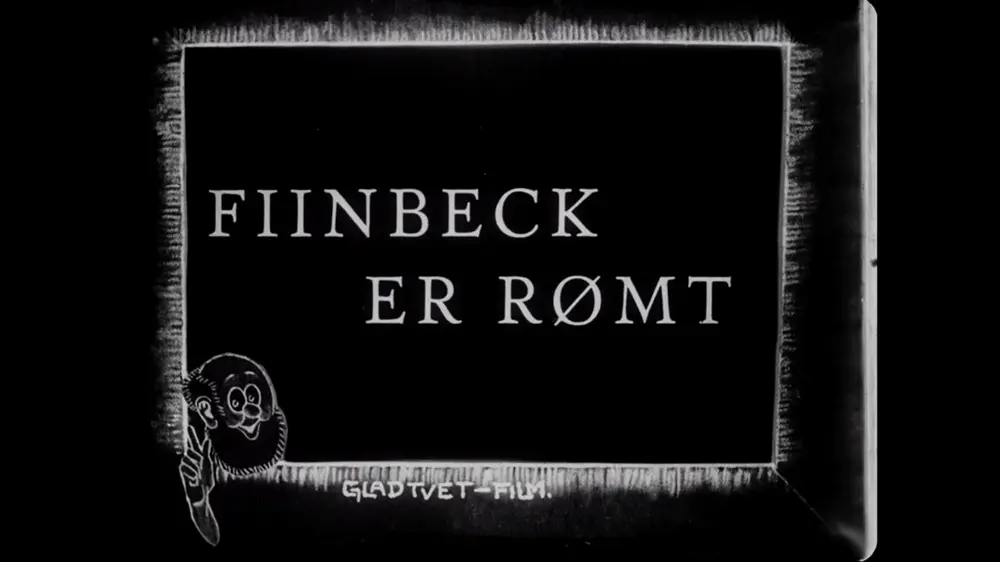
There’s a particular shot of Fiinbeck silhouetted against a setting sun as he makes a daring leap over a fence that, despite its technical simplicity, manages to be quite striking. It speaks to an early understanding of visual storytelling, even if the tools were limited. This simplicity forces the viewer to engage with the composition on a fundamental level, appreciating the clear lines and the unadorned beauty of the scene. It’s a reminder that even without a crane or a dolly, a well-composed shot can still resonate.
One could argue that the film's visual straightforwardness is a strength. It avoids the visual clutter that can sometimes plague more ambitious, but less focused, early works. The focus remains squarely on the characters and their actions, unburdened by excessive artistic flourishes. This directness is something modern filmmakers could learn from.
The narrative of 'Fiinbeck er rømt' is incredibly straightforward, almost fable-like in its simplicity. It’s a classic cat-and-mouse chase, a series of episodic encounters leading to an inevitable, if humorously delayed, capture. There are no complex subplots, no deep psychological explorations. The characters are archetypes: the lovable rogue, the earnest but clumsy authority figure. This isn't a flaw; it's a deliberate choice, reflecting the storytelling conventions of the era.
The film’s strength lies in its ability to extract humor and gentle tension from this basic premise. The 'writing,' interpreted as the overall narrative construction, relies heavily on visual gags and the expressive performances of its leads. Intertitles are used sparingly, primarily to set scenes or provide essential dialogue, allowing the visual storytelling to take precedence. This lean approach ensures that the film never overstays its welcome, even with its deliberate pacing. Compared to the more intricate episodic narratives of serials like Beatrice Fairfax Episode 9: Outside the Law, 'Fiinbeck er rømt' feels refreshingly self-contained.
At its heart, 'Fiinbeck er rømt' explores themes of freedom versus authority, the individual against the system, albeit in a very lighthearted manner. Fiinbeck represents a spirit of playful rebellion, a desire to live life on one's own terms, even if those terms involve minor transgressions. Constable Bjarne, on the other hand, embodies the societal need for order, even if he struggles to enforce it effectively.
More subtly, the film touches on the theme of community. The villagers, while not actively assisting Fiinbeck in his escape, often observe the chase with a quiet amusement, sometimes even a touch of sympathy for the rogue. This suggests a communal understanding, an unspoken acceptance of Fiinbeck's place within the village ecosystem, even if it's outside the strict letter of the law. It’s a deeply Norwegian sensibility, I think, this blend of adherence to rules and a quiet appreciation for the one who bends them without malice.
The final capture of Fiinbeck, not by Bjarne’s skill but by a stroke of accidental fortune, reinforces the idea that some spirits are simply too free to be truly contained by conventional means. The resolution, where Fiinbeck receives a light punishment, feels less like justice served and more like a mutual understanding, a temporary cessation of hostilities until the next escapade.
For the average moviegoer seeking modern entertainment, 'Fiinbeck er rømt' will likely feel like an academic exercise. Its pacing is slow, its humor broad, and its technical execution primitive by today's standards. However, for those with a genuine interest in film history, particularly the silent era and the development of Nordic cinema, it is an absolute must-see. It offers invaluable insights into early comedic performance, narrative simplicity, and the cultural nuances of its time. It works. But it’s flawed. It's a charming, albeit demanding, piece of cinematic archaeology.
It's a testament to the enduring power of simple storytelling and charismatic performances that a film of this age can still evoke a smile. It’s not just a historical curiosity; it's a window into a different way of experiencing cinema, one that prioritizes visual storytelling and physical expression over dialogue and complex plots. If you can adjust your expectations and embrace its unique charm, you'll find a rewarding, if niche, viewing experience.
Pros:
- Historical Significance: A rare and important piece of early Norwegian cinema, offering cultural insight.
- Captivating Performances: Victor Bergdahl and Ottar Gladvedt deliver memorable, expressive silent-era acting.
- Charming Humor: Gentle, physical comedy that still elicits smiles.
- Visual Simplicity: Uncluttered cinematography allows focus on character and setting.
- Unique Cultural Flavor: Offers a distinct sense of place and local sensibility.
Cons:
- Slow Pacing: Extremely deliberate, which can test the patience of modern viewers.
- Narrative Simplicity: A very basic plot with little complexity or surprise.
- Lack of Modern Polish: Technical limitations inherent to early cinema are evident.
- Limited Accessibility: Not for a general audience; requires specific appreciation for silent films.
- Repetitive Gags: Some comedic situations are revisited, losing impact over time.
Ultimately, 'Fiinbeck er rømt' is more than just a film; it’s an experience in cinematic archaeology. It’s a testament to the foundational power of visual storytelling and the enduring appeal of simple, well-executed character dynamics. While it won't resonate with everyone, for those willing to meet it on its own terms, it offers a delightful, if somewhat quaint, journey back in time. It's a film that reminds us that even with the most rudimentary tools, compelling narratives and memorable characters can emerge.
My final judgment is that 'Fiinbeck er rømt' is a valuable historical document and a surprisingly enjoyable piece of silent comedy for the right audience. It’s not a film you’d recommend to someone dipping their toe into classic cinema for the first time, but for the seasoned enthusiast, it’s a delightful find. It reminds us that sometimes, the greatest adventures come from the simplest escapes. It’s a quiet triumph, a small, flickering light in the vast history of film that still manages to charm.
IMDb —
1936
Community
Log in to comment.