DbcultAccessing Vault...
4.9/10
Senior Film Conservator
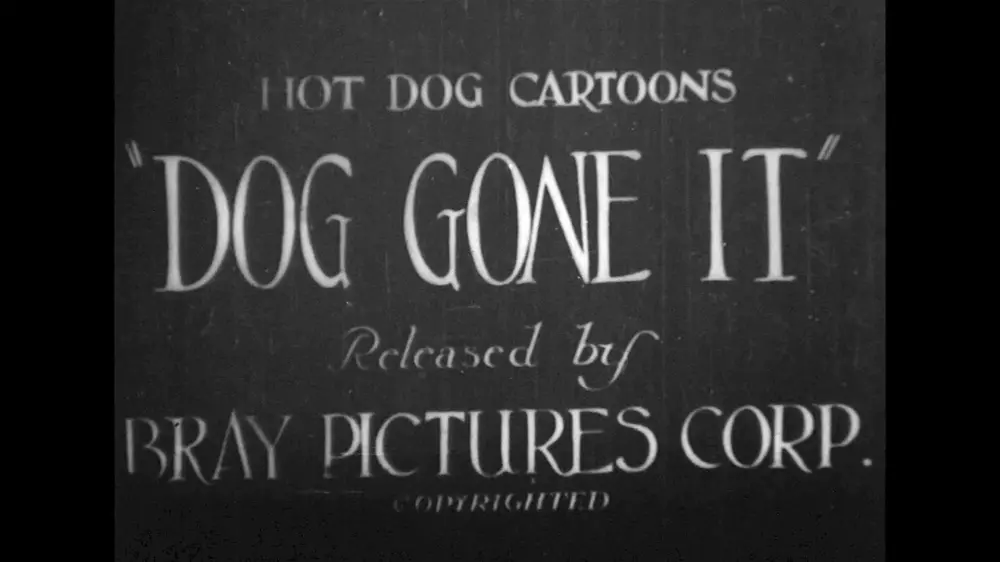
A definitive 4.9/10 rating for a film that redefined the boundaries of cult cinema. Dog Gone It remains a cornerstone of transgressive art.
Is 'Dog Gone It' worth watching today? Short answer: absolutely, but with the right expectations. This classic short film, a testament to the enduring power of physical comedy and simple storytelling, offers a delightful escape for those appreciative of vintage slapstick and the charm of early cinema.
It's a film for aficionados of silent-era gags and the foundational elements of cartoonish live-action, for anyone who enjoys a pure, unadulterated comedic romp without modern cynicism. However, it is decidedly not for viewers seeking deep narrative complexity, cutting-edge visual effects, or a fast-paced, contemporary comedic style; its pacing and humor are products of a different era.
Early in its runtime, 'Dog Gone It' makes its intentions clear, operating on a comedic wavelength that is both universally appealing and historically significant. It’s a foundational piece, in many ways, for understanding the evolution of animated and live-action shorts.
This film works because it commits wholeheartedly to its premise. Joseph Belmont's performance is a masterclass in controlled chaos, providing a human anchor for the dog's relentless mischief. The simplicity of Walter Lantz's narrative allows the physical comedy to shine unobstructed, making every pratfall and every moment of canine-induced mayhem feel earned and genuinely amusing.
This film fails because its narrative depth is minimal, by design, which some contemporary audiences might perceive as a weakness. The character development is broad-stroke, serving the gags rather than driving a complex emotional arc, which can feel dated if one isn't attuned to the era's storytelling conventions.
You should watch it if you appreciate the craft of early comedic filmmaking, enjoy classic physical comedy, and are looking for a lighthearted, genuinely funny short that doesn't overstay its welcome. It's a perfect palate cleanser.
The plot of 'Dog Gone It' is deceptively simple, a classic setup for escalating comedic tension. Mr. Bumbles, a character conceived as the epitome of genteel order, is thrust into a domestic war zone by a dog named Trouble. This isn't just a dog; it's a four-legged force of nature, a furry agent of entropy.
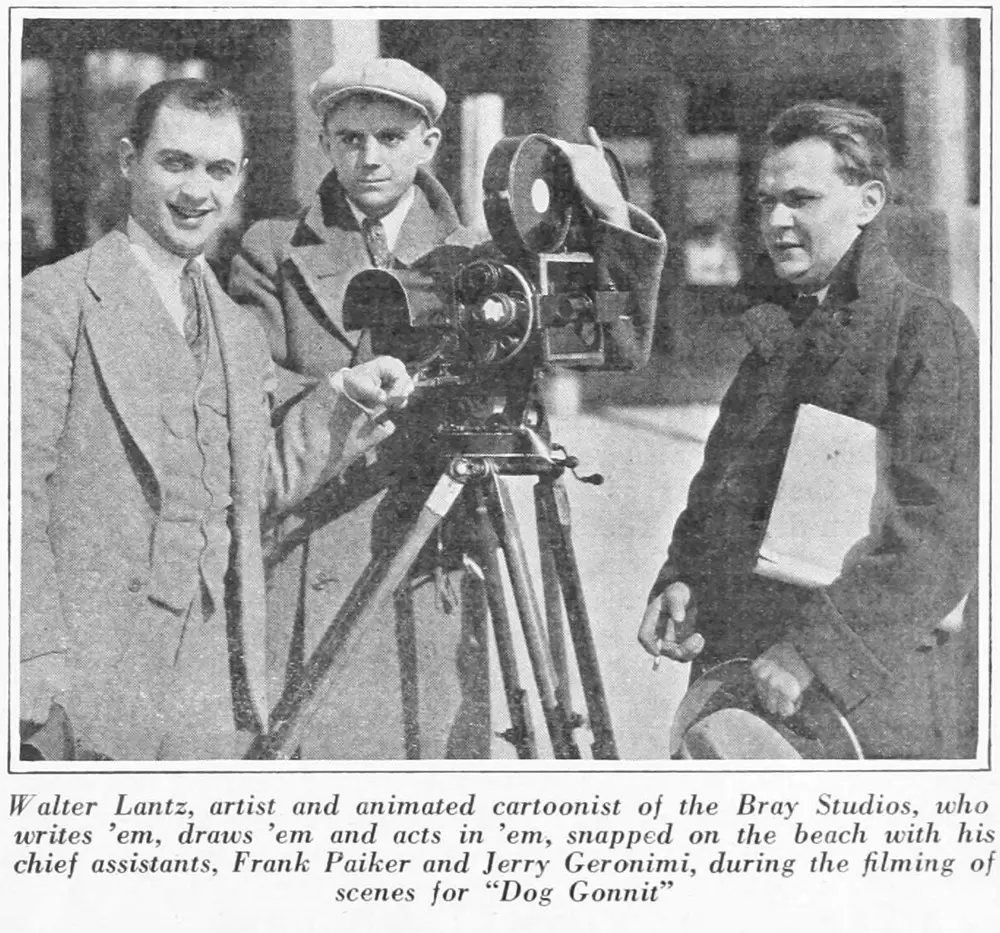
Walter Lantz, known for his indelible contributions to animation, brings a cartoonist's sensibility to this live-action short. The narrative unfolds with the relentless, almost musical rhythm of a classic animated chase sequence. Each mishap is not just a gag but a beat in a larger, chaotic symphony.
Consider the sequence where Trouble systematically dismantles Bumbles' meticulously manicured garden. The camera, often static, captures Bumbles' increasing desperation as he attempts to contain the inevitable. The pacing here is deliberate, allowing the audience to savor each moment of Bumbles' futile struggle against the canine's joyful destruction. It builds a comedic crescendo without rushing, a patience often lost in modern comedies.
The film’s brevity, a hallmark of shorts from this era, is its strength. It never overstays its welcome, delivering its comedic payload efficiently. The narrative arc, from initial exasperation to grudging affection, is clear, concise, and remarkably effective, proving that a simple story, well-executed, can resonate deeply. It's not a revelation, but it is a riot.
Joseph Belmont's performance as Mr. Bumbles is the unequivocal heart and soul of 'Dog Gone It'. He embodies the archetype of the put-upon everyman with an almost balletic grace, even amidst the most undignified circumstances. His physical comedy is precise, expressive, and utterly captivating, reminiscent of the great silent film comedians.
Belmont isn't just acting; he's conducting an orchestra of exasperation. Watch his eyes in the scene where Trouble 'helps' him bake, tracking flour across the kitchen floor. The silent scream in his wide-eyed stare, coupled with his futile, almost polite attempts to maintain decorum amidst the white chaos, is a masterclass in controlled pandemonium. It's a testament to his skill that he conveys so much emotion without a single spoken word, relying entirely on gesture and facial expression.
His transformation from a man of fastidious order to one reluctantly accepting – and perhaps even enjoying – the chaos is subtle but potent. The final moments, where a genuine bond seems to form between Bumbles and Trouble, are surprisingly touching, a credit to Belmont’s ability to inject pathos into what could have been a purely one-note comedic character. He makes Bumbles feel genuinely human, making his plight all the more relatable and his eventual acceptance all the more rewarding.
This nuanced performance elevates 'Dog Gone It' beyond mere slapstick. It adds a layer of character-driven humor that secures the film's place as more than just a collection of gags. Belmont ensures that even when Bumbles is at his most flustered, he remains utterly endearing, a remarkable feat that few performers could achieve with such apparent effortlessness.
While primarily renowned for his contributions to animation, Walter Lantz's involvement in 'Dog Gone It' as a writer brings a distinct, almost cartoonish logic to the live-action proceedings. His narrative fingerprints are evident in the film's escalating absurdity and its adherence to a visual gag-driven structure.
Lantz's writing here isn't about dialogue; it's about staging. He understands how to build a comedic sequence, how to introduce a problem, amplify it, and bring it to a frantic crescendo. The 'Grand Chase' through the town square, for instance, has all the hallmarks of a classic animated pursuit, with each obstacle and near-miss meticulously choreographed. The way Trouble seems to defy the laws of physics, always one step ahead, feels straight out of a Woody Woodpecker short.
The film's tone, too, reflects Lantz's influence. It’s playful, never mean-spirited, even when Bumbles is at his wit's end. The humor is derived from the situation and the character's reactions, rather than any cynical undertones. This lighthearted approach ensures that 'Dog Gone It' remains a joyful experience, a comedic balm rather than a cutting satire. It’s a testament to Lantz’s vision that he could translate his animated sensibilities so effectively into a live-action format, creating a film that feels both timeless and distinctly his.
His ability to craft a compelling, albeit simple, narrative arc around a series of escalating gags is what truly sets 'Dog Gone It' apart. It’s not just a string of jokes; it’s a story with a beginning, middle, and a satisfyingly chaotic end, all carefully orchestrated by a master of comedic timing.
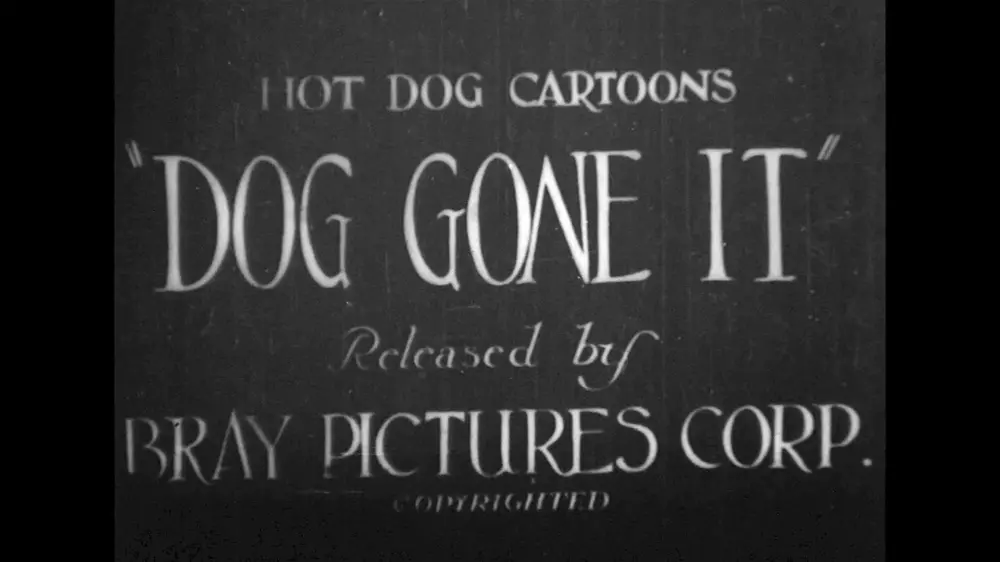
The cinematography of 'Dog Gone It', while not groundbreaking by today's standards, is remarkably effective for its time and genre. Shot in crisp black and white, the film leverages contrast and composition to enhance its comedic beats. The visual clarity ensures that every subtle facial expression from Belmont and every mischievous twitch from Trouble is perfectly captured.
Consider the use of low-angle shots during the town square chase. These angles amplify Trouble's destructive path, making the small terrier feel like a colossal force of nature, an almost unstoppable agent of chaos. Conversely, high-angle shots often frame Bumbles as small and overwhelmed, visually reinforcing his predicament. This simple but effective visual storytelling is key to the film's impact.
The production design, though minimalist, serves the narrative perfectly. Bumbles' home is a character in itself – neat, orderly, almost sterile – providing the perfect canvas for Trouble's destructive artistry. The contrast between the pristine interiors and the ensuing disarray is a visual gag in its own right, highlighting the film’s central conflict without needing dialogue.
The film's vibrant energy, despite its monochromatic palette, is palpable. The quick cuts during moments of heightened action, interspersed with longer takes to allow Belmont's reactions to play out, contribute to a dynamic rhythm. It's a visually engaging experience that proves that effective cinematography doesn't always require elaborate techniques, but rather a keen understanding of how to serve the story and the gags.
Yes, 'Dog Gone It' holds up as a charming piece of comedic history. It's a delightful example of physical comedy. It offers pure, unadulterated fun. It's short, sweet, and genuinely funny. It's a valuable watch for anyone interested in the foundations of screen comedy. It won't challenge your intellect, but it will certainly brighten your day.
For those who appreciate the historical context of cinema, this film offers a window into the comedic sensibilities of its era. It’s a reminder that laughter is timeless, even if the methods of eliciting it evolve. It lacks the modern polish, of course, but makes up for it with raw, unpretentious charm.
However, if your cinematic diet consists solely of blockbusters with intricate plots and CGI spectacles, then 'Dog Gone It' might feel too quaint, too simple. It demands a willingness to appreciate a different kind of filmmaking, one where the humor comes from human ingenuity and the expressive power of performance, not digital wizardry.
While many might compare 'Dog Gone It' to other classic animal-centric comedies like Three Jumps Ahead, I'd argue its true kinship lies more with the character-driven exasperation seen in early Chaplin or Keaton shorts, where the humor derives from the protagonist's valiant, yet futile, struggle against an overwhelming force. The dog is merely the catalyst, not the sole comedic engine. This focus on Belmont's reaction elevates it.
'Dog Gone It' is more than just a forgotten relic; it's a vibrant, laugh-out-loud testament to the timeless appeal of well-executed physical comedy. Joseph Belmont, under the guiding hand of Walter Lantz's comedic vision, crafts a performance that is both hysterically funny and surprisingly touching. It's a film that doesn't aim for profundity but achieves something arguably more difficult: pure, unadulterated joy.
While its simplicity might deter those seeking complex narratives or modern cinematic flash, its charm is undeniable for anyone willing to embrace its era. It’s an essential watch for students of comedy and a delightful diversion for anyone in need of a genuine smile. Don't go in expecting a philosophical treatise; go in expecting to laugh. And laugh you will. It earns its place not as a 'masterpiece' in the grand dramatic sense, but as a near-perfect example of its specific, hilarious niche. It works. But it’s flawed. And those flaws are part of its charm.
IMDb 5.7
1934
Community
Log in to comment.