DbcultAccessing Vault...
Cult Review
Senior Film Conservator
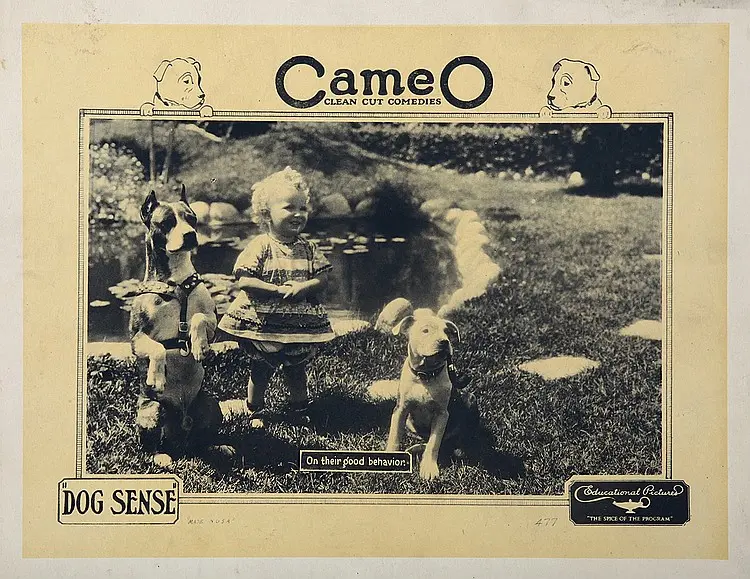
Stepping back into the nascent days of cinema, one encounters a fascinating tapestry of storytelling, often characterized by its earnest simplicity yet imbued with a profound capacity for emotional resonance. Among these, Dog Sense emerges as a particularly charming, if somewhat guileless, example of how early filmmakers wove together threads of romance, domestic drama, and the undeniable appeal of animal co-stars. This film, featuring the remarkable Pal the Dog, is more than just a historical curiosity; it's a testament to the enduring power of narrative driven by genuine sentiment and, quite literally, an almost unbelievable degree of canine intuition.
At its core, Dog Sense presents a seemingly straightforward romantic pursuit, complicated by a classic comedic trope: mistaken identity. Jimmy Boudwin, embodying the archetypal eager suitor of the era, is depicted as a young man deeply smitten and determined to secure the affections of Charlotte Merriam's character, his intended bride. His efforts, undoubtedly earnest and perhaps a little clumsy, form the romantic backbone of the narrative. However, the film takes an intriguing turn with the introduction of a runaway child, played by Kathleen Martyn, whose unexpected appearance disrupts the delicate balance of Boudwin’s courtship. This child, a symbol of vulnerability and innocence, becomes the accidental catalyst for the film's central conflict, creating a delightful entanglement that tests the characters' perceptions and, ultimately, their hearts.
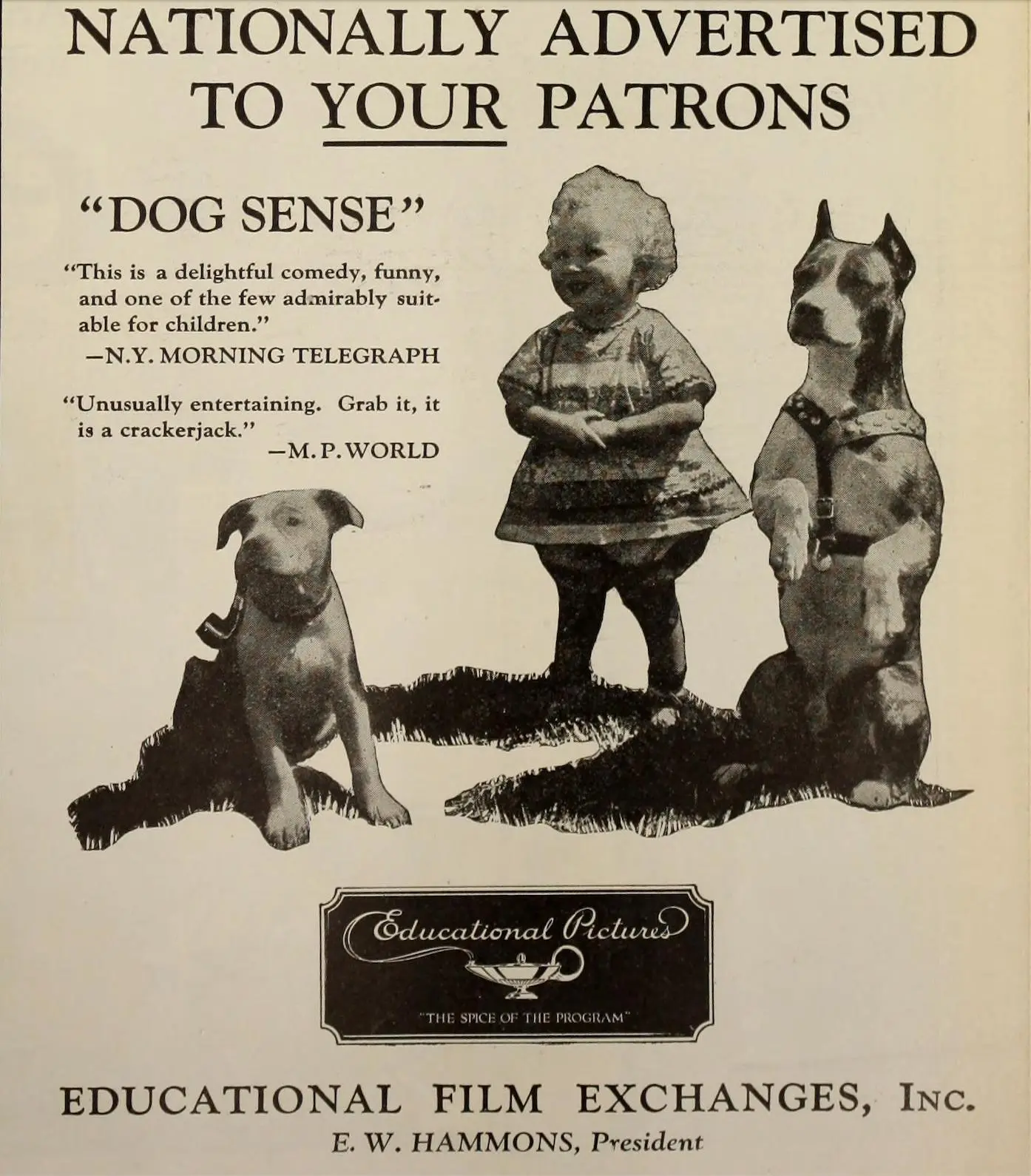
The genius, and indeed the titular essence, of Dog Sense lies not solely in the human drama, but in the astonishing performance of Pal the Dog. In an era where animal actors were gaining significant traction – one might recall the charming antics of another canine star in Brownie, the Peacemaker – Pal elevates the concept to an almost mythical level. His interventions are not merely cute or coincidental; they are, as the plot suggests, manifestations of an extraordinary, almost prescient, understanding of human affairs. The film posits that Pal possesses an intuitive grasp of the unfolding romantic and familial confusion, making him less a pet and more a silent, furry guardian angel whose actions subtly, yet decisively, steer the narrative towards its happy conclusion. This portrayal of animal intelligence is so pronounced, so pivotal to the plot's resolution, that it challenges the audience to suspend disbelief and embrace the heartwarming notion of a creature whose loyalty transcends mere companionship to encompass genuine wisdom.
The mistaken identity subplot is handled with a light touch, characteristic of many silent-era comedies and dramas. The young woman, observing the child's presence in her suitor's home, naturally draws her own conclusions, leading to a series of misinterpretations that are both humorous and, for the characters, momentarily distressing. This narrative device, while common, is given fresh vitality by the emotional stakes involved and, crucially, by Pal’s role in unraveling the tangled threads of misunderstanding. It’s a testament to the script's cleverness and the director's ability to maintain a delicate balance between pathos and lightheartedness, ensuring that the audience remains invested in the outcome without dwelling too heavily on the potential for genuine heartbreak.
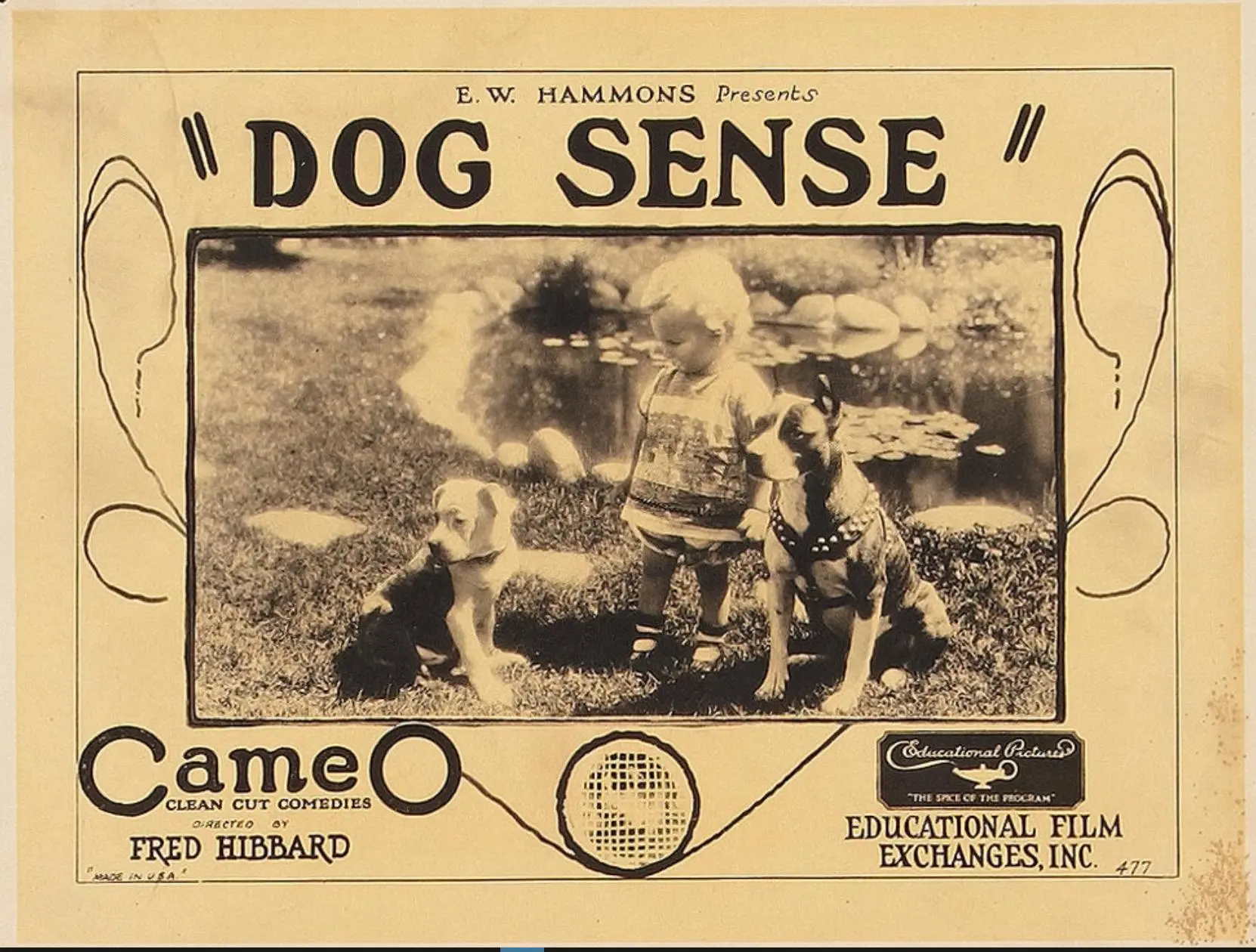
The performances by the human cast, while often overshadowed by Pal’s remarkable presence, are nonetheless crucial to the film’s charm. Jimmy Boudwin delivers a portrayal that is earnest and endearing, capturing the anxieties and hopes of a young man desperate to win his beloved. His expressions, amplified by the conventions of silent film acting, convey a spectrum of emotions from hopeful anticipation to bewildered frustration. Charlotte Merriam, as the object of his affection, carries the weight of the mistaken identity with grace, her reactions allowing the audience to empathize with her confusion and eventual delight. Kathleen Martyn, as the runaway child, evokes a tender vulnerability that makes her an immediate point of concern for both the characters and the viewers, solidifying her role as the innocent catalyst for the narrative's progression. The ensemble works cohesively, each actor contributing to the film's gentle comedic and dramatic rhythms.
In terms of direction, Dog Sense adheres to many of the established conventions of its time, utilizing clear visual storytelling, expressive intertitles, and a relatively straightforward cinematic language. The framing is often intimate, focusing on character reactions to convey emotion, a necessity in the absence of spoken dialogue. The pacing is deliberate, allowing the audience to fully absorb the unfolding events and the nuances of the characters' predicaments. What truly sets the film apart, however, is the remarkable way in which Pal is integrated into the narrative. The camera is not merely observing Pal; it often positions him as an active participant, his gaze, his movements, and his specific actions being integral plot points rather than mere background embellishments. This directorial choice elevates the animal's role beyond novelty, making him a true co-star and, arguably, the most discerning character in the entire production.
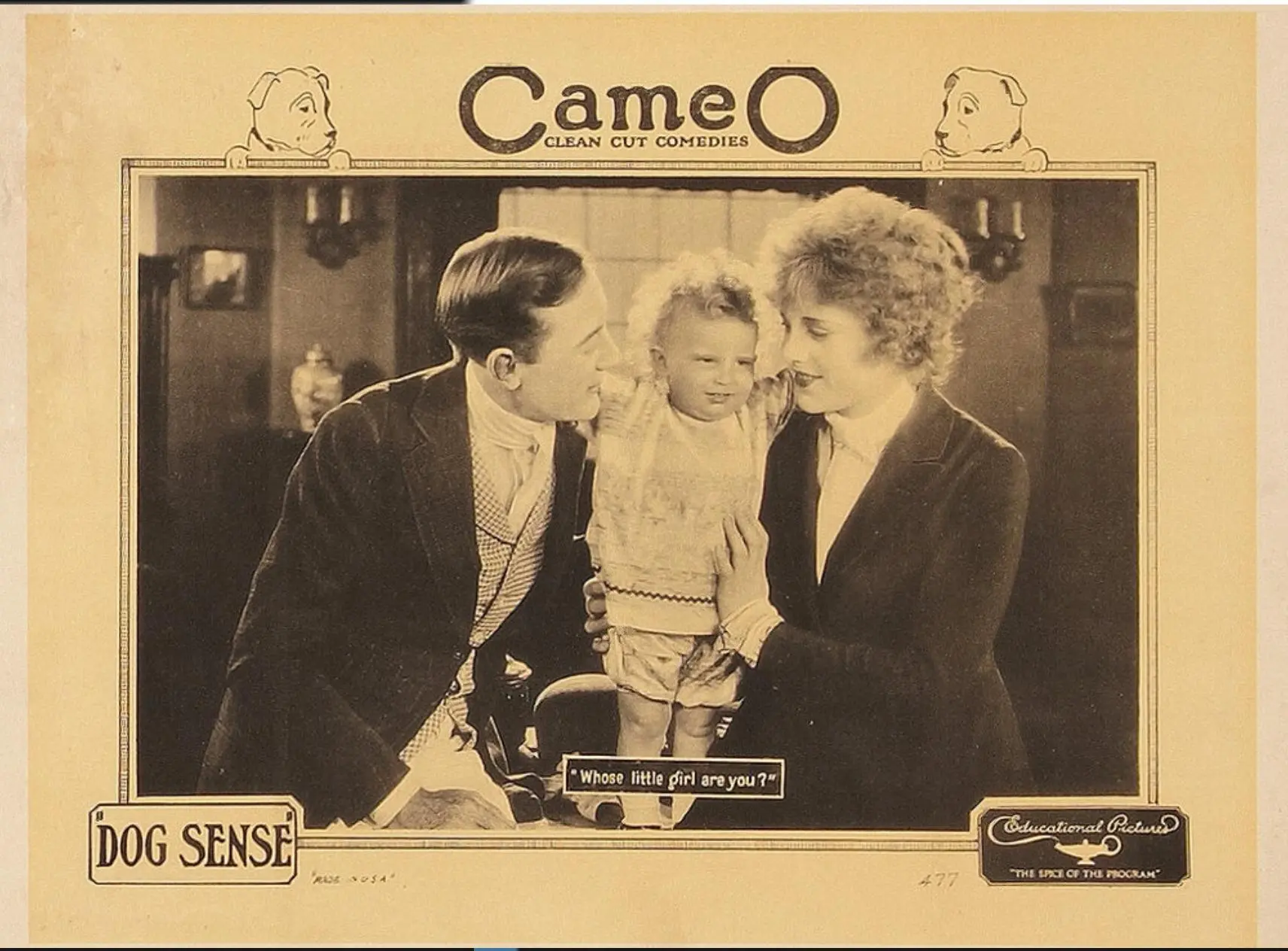
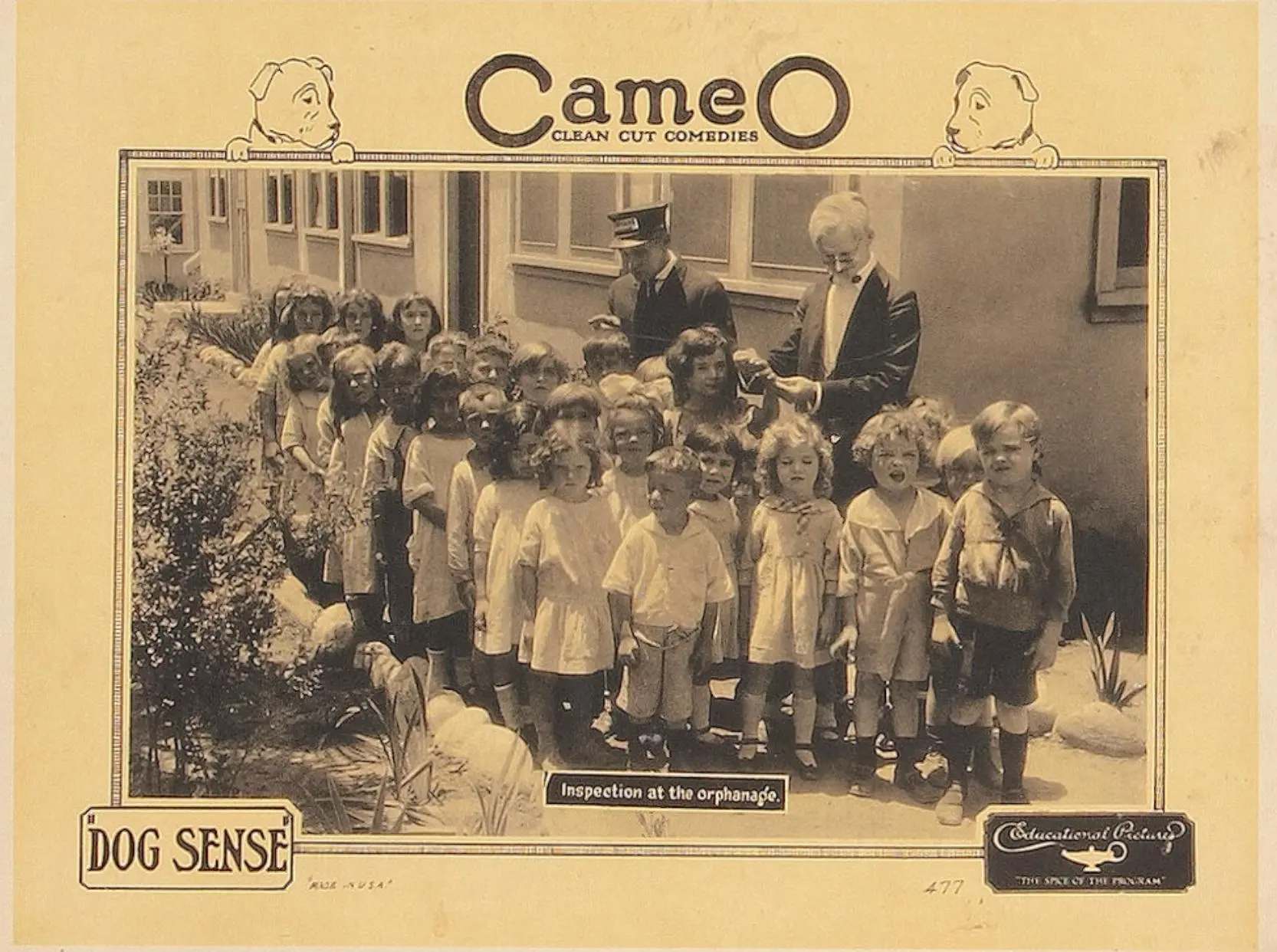
The thematic undercurrents of Dog Sense are surprisingly rich for a film of its modest scope. Beyond the surface narrative of romance and mistaken identity, the film subtly explores themes of innocence, the nature of perception, and the often-unseen bonds that connect individuals, human and animal alike. The runaway child introduces a poignant element of social commentary, touching upon the fragility of childhood and the need for care and protection, a theme also explored with great emotional depth in films like The Three Godfathers, albeit in a far more dramatic and perilous context. Here, the child's plight is resolved through the kindness of strangers and the extraordinary intervention of Pal, highlighting a more optimistic, almost fairytale-like, view of human (and canine) compassion.
The film's exploration of 'dog sense' itself is perhaps its most compelling and unique feature. It’s not simply about a dog performing tricks or reacting to commands; it’s about a dog demonstrating an almost psychic awareness of human emotional states and complex social dynamics. Pal seems to 'know' what needs to happen to resolve the human predicament, acting with an agency that transcends typical animal behavior in cinema. This portrayal taps into a deep human desire to believe in the extraordinary intelligence and empathy of our animal companions, transforming a simple plot device into a profound statement about the human-animal bond. It suggests that perhaps, in our moments of confusion and misdirection, a simpler, purer form of intelligence—one unclouded by ego or societal expectation—can often provide the clearest path forward.
Comparing Dog Sense to other films of the period sheds further light on its particular strengths. While it lacks the grand cinematic ambition of some epics, or the stark dramatic tension of thrillers like The Terror, its charm lies in its intimate focus and heartwarming narrative. It shares a certain sweetness with family-oriented dramas like Daughter of Mine, but infuses it with a unique comedic twist and the undeniable star power of an animal performer. The film’s ability to generate genuine warmth and smiles without resorting to broad slapstick, as might be found in some early comedies, speaks to its subtle craftsmanship. It relies on character and circumstance, elevated by Pal's pivotal role, to deliver its emotional impact.
The enduring appeal of Dog Sense, even a century after its release, lies in its timeless themes. The desire for companionship, the humor inherent in human miscommunication, and the profound loyalty of animals are all elements that resonate across generations. It serves as a gentle reminder that sometimes the most complex human problems can be untangled by the simplest, most intuitive actions, often from the most unexpected sources. The film doesn't preach; it simply observes and orchestrates, allowing Pal's 'sense' to guide its characters and its audience through a delightful journey of recognition and reconciliation. This unassuming gem from early cinema captures a specific kind of innocent wonder, a belief in the inherent goodness of the world, where even a lost child finds a home and a confused courtship finds its happy ending, all thanks to the discerning wisdom of a four-legged friend.
In conclusion, Dog Sense is a delightful cinematic confection, a testament to the power of early filmmaking to craft engaging stories with minimal fuss but maximum heart. Jimmy Boudwin, Charlotte Merriam, and Kathleen Martyn all contribute solid performances, but it is Pal the Dog who truly steals the show, embodying the film’s central conceit with an almost magical realism. His actions are not just plot devices; they are the very soul of the narrative, illustrating a profound connection between humans and animals that transcends the ordinary. For those seeking a glimpse into the charming innocence of early cinema, or simply a heartwarming tale where good intentions and extraordinary animal sagacity prevail, Dog Sense offers a truly unique and memorable experience. It's a film that leaves you with a smile, a renewed appreciation for canine companions, and a sense that sometimes, the simplest stories are the most profoundly resonant.

IMDb 6.1
1923
Community
Log in to comment.