DbcultAccessing Vault...
4.6/10
Senior Film Conservator

A definitive 4.6/10 rating for a film that redefined the boundaries of cult cinema. Thunderbolt Jack remains a cornerstone of transgressive art.
Spoilers ride shotgun—holster your outrage.
Joe Brandt’s screenplay strips the Western to marrow yet lacquers it with petro-modern anxiety. In the prologue, a tremor of paperwork eclipses any gunshot: a slick notary diverts subterranean oceans of crude from the humble acreage of Ma and Pa Turner, leaving them a pittance of paper bills that wilt like yucca petals. Cinematographer Jack Young juxtaposes their wagon exodus with insert shots of derricks already raping the horizon—an Eisensteinian montage minus sound but dripping accusation.
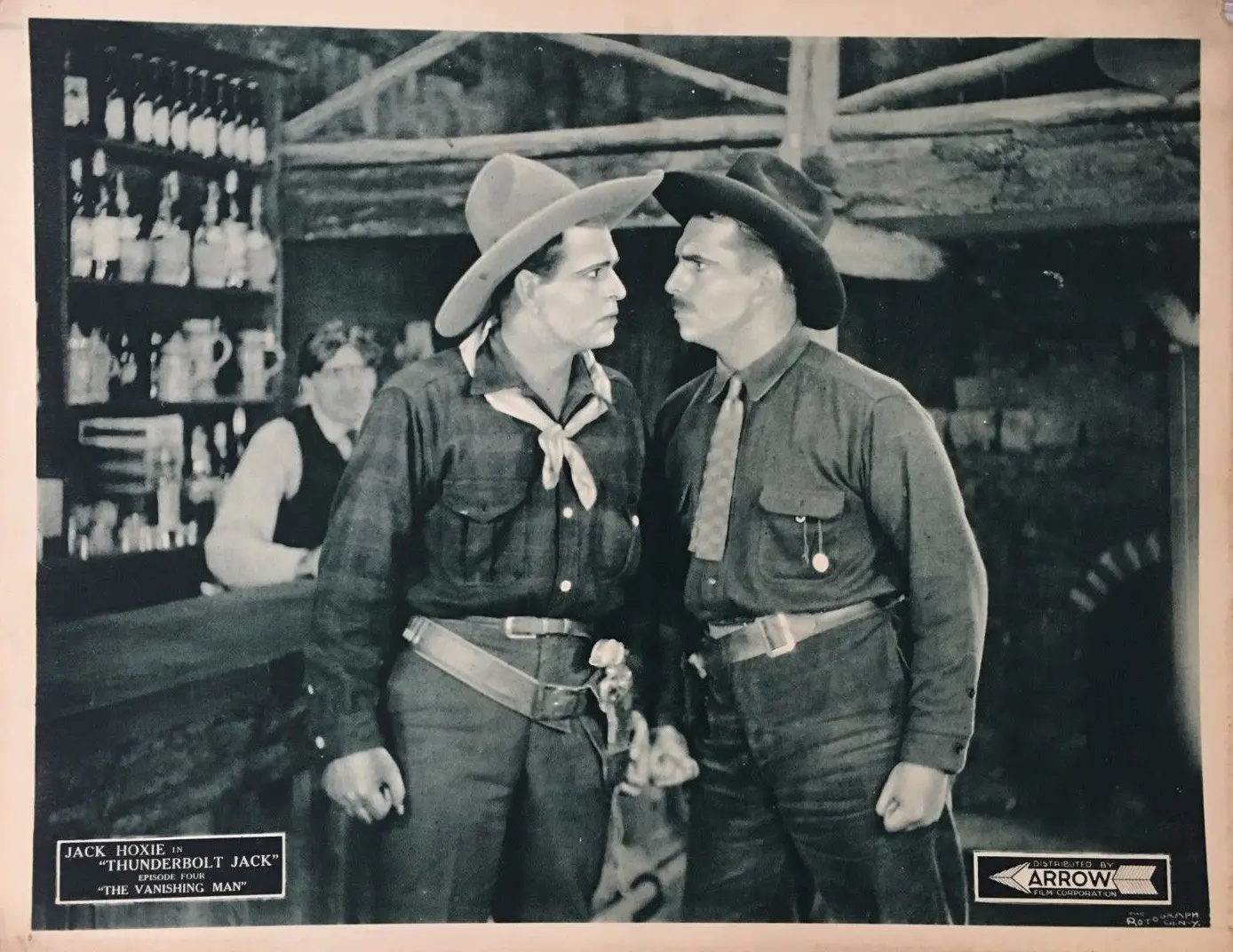
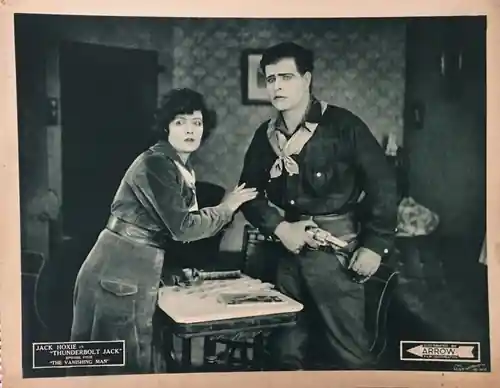
Cut to Rancho del Cielo, a sun-creased paradise lorded over by Lee Merriweather (Marin Sais), whose cheekbones could slice lariat rope. She needs ranch hands; fate delivers her a family haunted by theft. Enter Jack Turner (Al Hoxie), taciturn as tumbleweed yet radiating the coltish grace that makes spinster hearts hitch. The film quietly queers the Western: instead of a lone cowboy courting a schoolmarm, the landowner—financially sovereign, emotionally parched—falls for the boy who can outride her best vaqueros. Their scenes simmer in chiaroscuro: fingers brush over saddle leather, glances ricochet in moonlit corrals, all scored by the orchestra of locusts.
Meanwhile the swindlers, led by Christian J. Frank’s reptilian banker, mutate into a gang of night-riders intent on foreclosing not only the ranch but the very idea of communal dignity. Jack’s reprisal detonates in three movements: a midnight stampede silhouetted against sheet-lightning, a coal-mine fistfight lit only by helmet lanterns, and a sunrise pistol duel where the camera pirouettes 360° around the combatants—an early, dizzying experiment in spatial immersion.
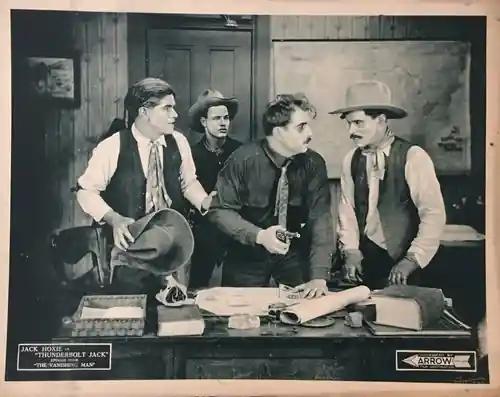
Al Hoxie, often dismissed as a B-tier Hoot Gibson knockoff, here channels a wounded stoicism worthy of mid-period Gary Cooper. His body—rangy, bowlegged—speaks the language of someone who trusts horses more than humans. In the scene where he discovers crude-slick soil on his murdered father’s boots, Hoxie’s pupils dilate like those of a mustang smelling blood; it’s silent-film acting at its most micro yet volcanic.
Marin Sais radiates brittle authority. Watch her barter cattle contracts while absently crushing a desert rose in her gloved fist; the gesture foretells how romance and business will prick her palm. Edith Stayart as Ma Turner provides maternal bedrock, but Brandt grants her a sly revenge beat: she pours kerosene over the gang’s forged deed, flicks a match, and watches parchment curl into black butterflies—a proto-feminist riposte in an age when mothers usually just wept.
Steve Clemente, the diminutive menace, twirls a Bowie knife with Chaplinesque dexterity, undercutting the gang’s grandeur. His death—impaled on his own survey stake—carries the moral sting typically reserved for biblical parables.
Thunderbolt Jack was shot on orthochromatic stock, rendering cobalt skies as obsidian plates and blond plains as mercury seas. DP Young exploits this by staging the climactic shootout at high noon: faces bleach into skull masks, while blood—spilled in buckets of crimson tint—looks like molten ore. Compare this to The Food Gamblers’ urban chiaroscuro or the tropical pastels of It Happened in Honolulu; Jack’s palette is elemental, almost apocalyptic.
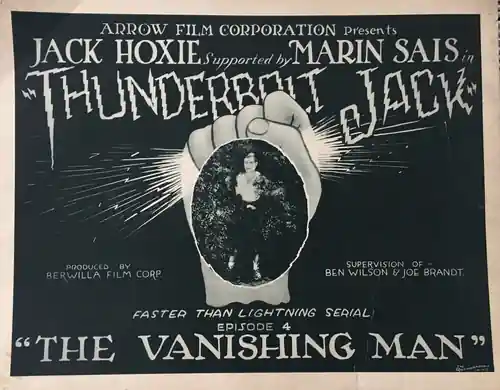
Intertitles—lettered in a typeface reminiscent of circus broadsheets—puncture the action with gnomic poetry: "Land is only dirt until memory soaks it." Such lines elevate the oater into frontier metaphysics, anticipating John Ford’s later hymns to soil and spirit.
Though mute, the film toured with a cue sheet calling for a ten-piece ensemble: banjo for comedic hog-tying, cello for Lee’s nocturnal yearning, and—radically—a single snare during oil-derrick explosions. Modern festival restorations sync a new score by the Badlands Collective, blending bowed banjo and bowed saw to evoke both dust and derricks. The effect is hallucinatory; you swear you hear earth cracking open to bleed gold.
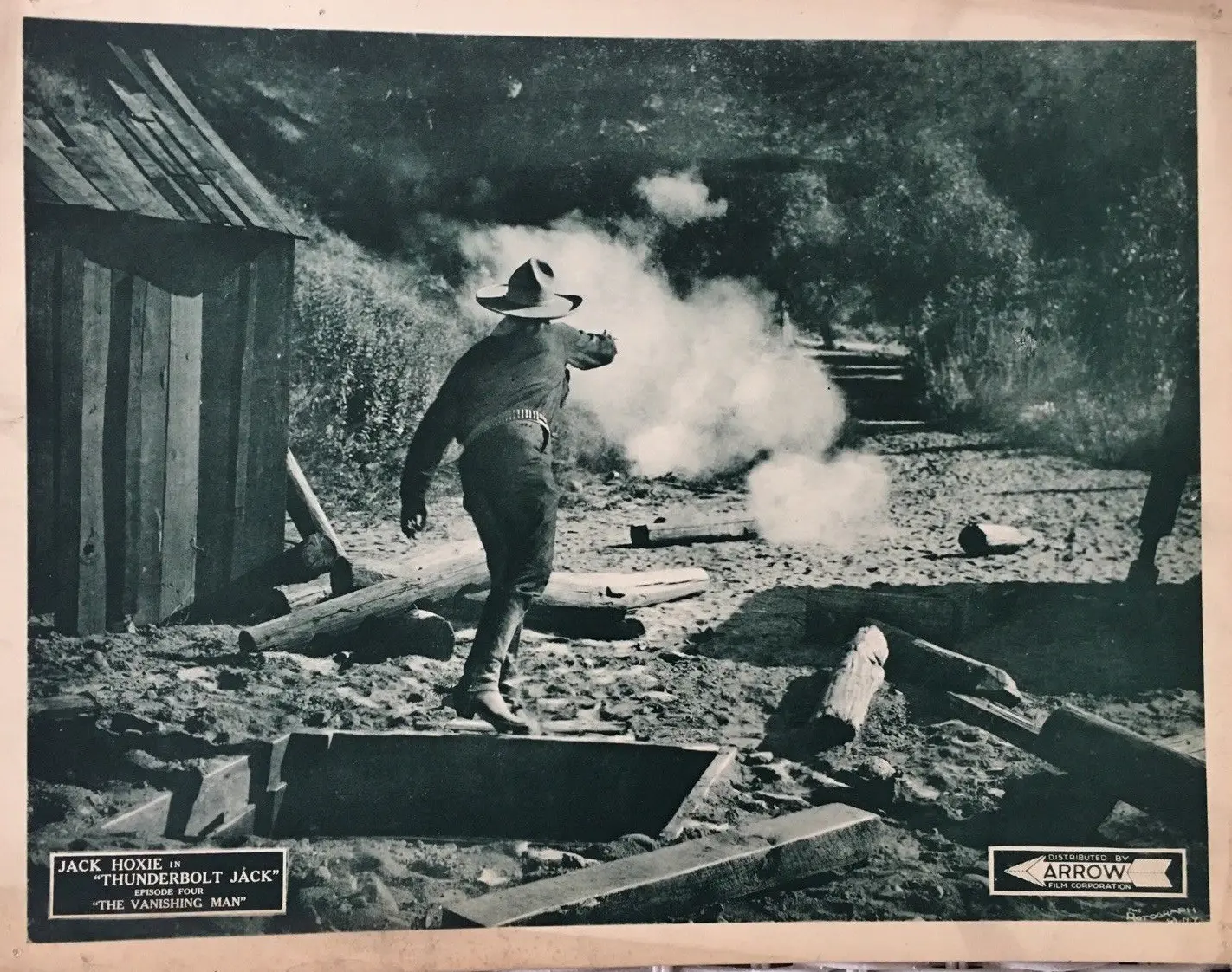
Unlike Romance and Rings where courtship equates to prizefight conquest, Jack posits the matriarch’s estate as emotional magnet. Lee’s wealth dislocates patriarchal gun logic: she buys bullets, hires marshals, yet still can’t purchase the one thing she craves—unfeigned affection. The film slyly suggests that capitalism itself is the ultimate villain, oil merely its glistening symptom.
Scholars often quarantine silent Westerns in the corral of horse-opera innocence. Jack belies that. Shadowy land-grab paperwork, low-key chiaroscuro, and a femme fatale with deed rather than dagger—check the noir DNA. Double-crosses outnumber gunflicks two-to-one, evoking The Price of Crime more than York State Folks.
Stack Jack beside Thieves’ Gold and you’ll see both traffic in larceny, yet Jack’s moral rot seeps upward toward corporate boardrooms, not sidewise toward stagecoaches. Against Unconquered’s Manifest Destiny pomp, Jack’s finale—homesteaders torching oil rigs to fertilize corn—reads like eco-insurgency decades before its time.
Only two 35mm prints survived the 1931 Fox vault fire. UCLA’s 2018 4K restoration reintegrates amber-and-cyan tinting per original cue sheets; the resulting Blu-ray (Region A, Kino Lorber) contains a 55-min audio essay on petro-colonialism. Streamers beware: public-domain rips on certain tubes look like mud pies baked under vampire light. Demand the restoration; your retinas deserve the glint of real crude.
Thunderbolt Jack is less a dusty curio than a live wire. Its thesis—that love can sprout atop stolen loam if someone has the grit to bleed for it—resonates in an age of foreclosure apps and pipeline protests. The film’s final image, a charred derrick collapsing into wildflowers, serves as both requiem and prophecy: from soot, beauty; from plunder, perhaps, penance. Saddle up, mute the phone, and let its silent thunder roll through your chest cavity—you’ll swear the floorboards tremble with each hoofbeat of history.
IMDb —
1912
Community
Log in to comment.