DbcultAccessing Vault...
7/10
Senior Film Conservator
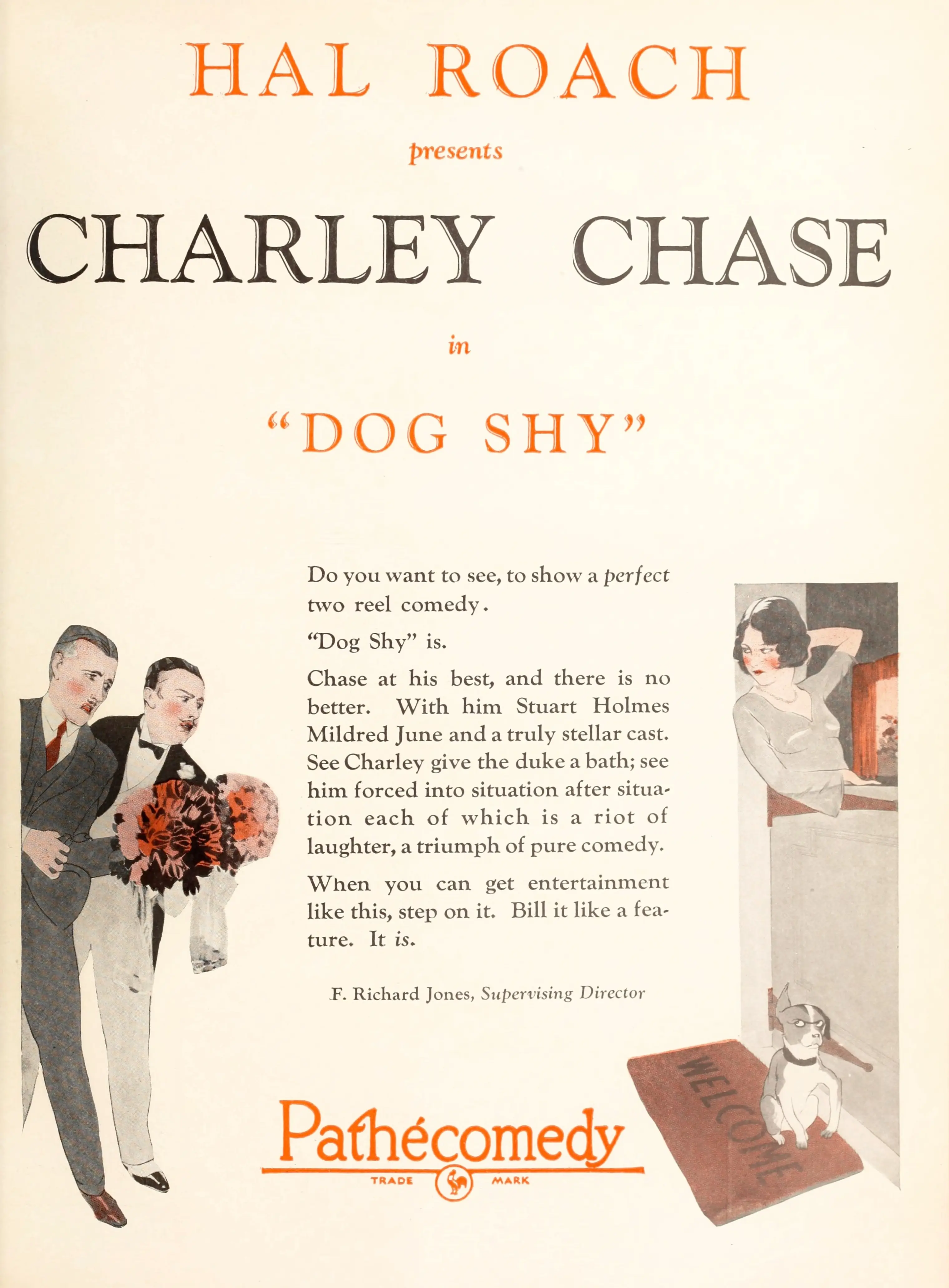
A definitive 7/10 rating for a film that redefined the boundaries of cult cinema. Dog Shy remains a cornerstone of transgressive art.
Is Dog Shy worth your time in the modern era of high-speed digital comedy? Short answer: yes, but only if you value the surgical precision of 1920s situational farce over the loud, disjointed humor of today.
This film is for the cinephile who enjoys watching a narrative trap snap shut with mathematical certainty. It is emphatically not for those who find silent-era physical comedy 'dated' or who lack the patience for a joke that takes ten minutes of careful setup to pay off.
This film works because it utilizes a 'three-track' climax where a single sound—a howl—triggers three completely different and contradictory actions, creating a peak of comedic tension that few modern writers could balance.
This film fails because the initial premise of Charley’s dog phobia is somewhat abandoned in the second act to make room for standard butler-in-disguise tropes, losing the psychological edge of the opening scenes.
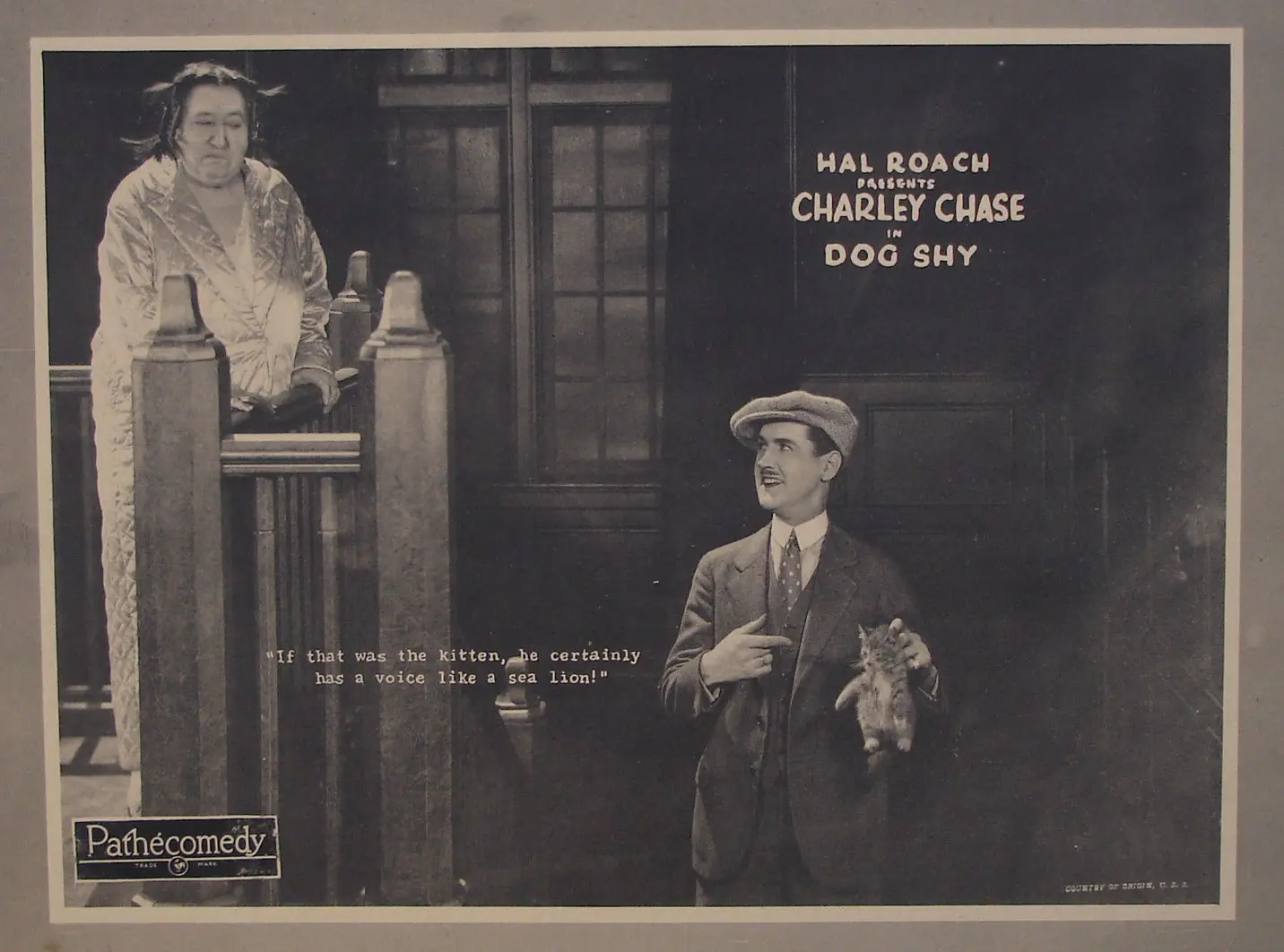
You should watch it if you want to see how Charley Chase managed to bridge the gap between the chaotic slapstick of Sally of the Sawdust and the more sophisticated, character-driven comedy of the late 1920s.
Charley Chase was never the acrobat that Buster Keaton was, nor was he the 'everyman' icon that Harold Lloyd became. Instead, Chase specialized in the 'embarrassment comedy' that would eventually influence figures like Larry David. In Dog Shy, the comedy isn't just about falling down; it’s about the social horror of being in the wrong place at the wrong time.
Take the phone booth sequence. It’s a confined space that forces two disparate social classes into a physical struggle. This isn't just slapstick; it's a commentary on the fragility of aristocratic dignity. When Charley displaces the 'stuffy aristocrat,' he isn't just stealing a phone; he’s accidentally hijacking a life. This scene mirrors the social displacement found in Doorsteps, though with a much lighter, more frantic touch.
The directing, likely influenced heavily by Leo McCarey, focuses on the 'reaction' rather than the 'action.' When Charley is told to bathe 'Duke,' the camera lingers on his face as he processes the horror of bathing a grown man. The joke doesn't live in the act of bathing; it lives in Charley's internal struggle to remain a 'good butler' while facing a bizarre request.
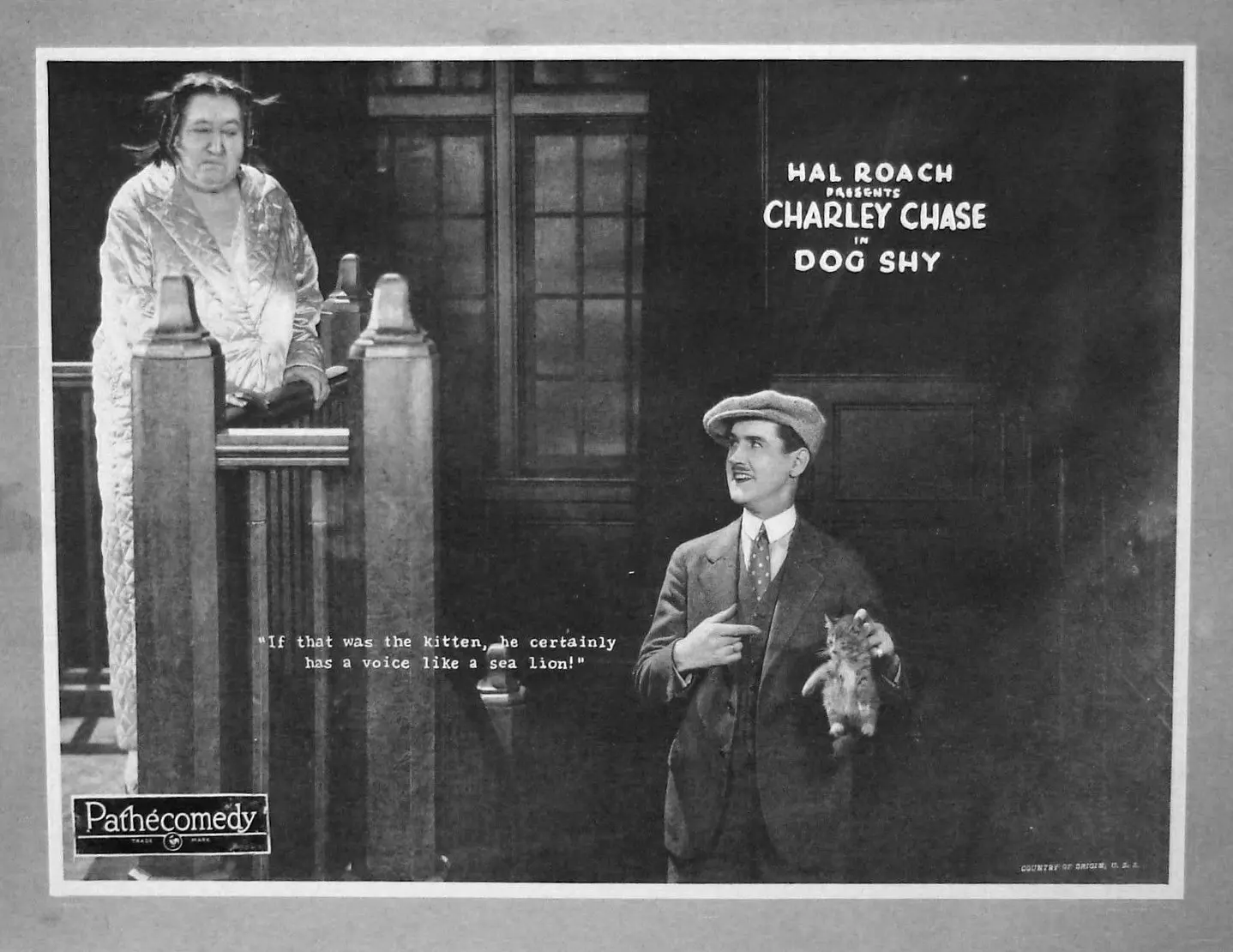
Yes, Dog Shy is worth watching because it represents the pinnacle of the Hal Roach short-film factory. It distills a complex, feature-length plot into a lean, 20-minute runtime without sacrificing character development. Unlike the sprawling narratives of Rip Van Winkle, this film is all muscle and no fat.
The centerpiece of the film involves the dog named Duke. In a silent film, wordplay is difficult, yet Dog Shy manages it through visual cues and intertitles. The girl asks Charley to bathe 'Duke.' Charley, seeing the aristocratic suitor nearby, assumes the man is the target of the scrubbing. The subsequent bathroom scene is a marvel of timing.
Charley’s attempts to lure the 'Duke' into the tub involve a level of physical awkwardness that is genuinely uncomfortable to watch, which is exactly why it works. It’s cringeworthy. It’s bold. It’s a specific type of humor that feels surprisingly modern. It’s also a stark contrast to the more traditional dramatic beats found in films like Lille Dorrit.
The cinematography here is functional, but the blocking is genius. The way the characters move in and out of the bathroom frame creates a sense of a larger, chaotic world just off-camera. This is the Roach house style at its best: clear, bright, and focused on the performer's body language.
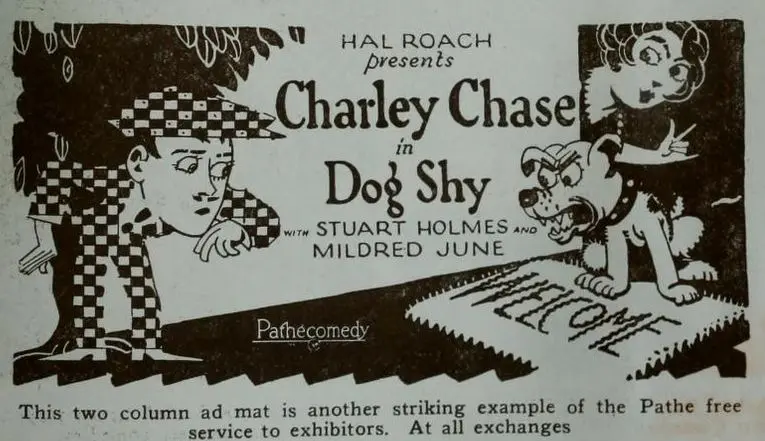
The final act of Dog Shy is a masterclass in narrative convergence. We have three distinct groups waiting for a signal. 1) The girl waiting to elope. 2) The crook waiting to steal a safe. 3) The domestic waiting to drown a dog. All three are waiting for a howl.
When Charley finally howls, the resulting explosion of activity is breathtaking. It’s a Rube Goldberg machine of human error. The safe goes out the window, the dog is saved (ironically by the man who fears him), and the crook is exposed. It’s a resolution that feels earned, unlike the somewhat forced happy endings of The End of the Game.
One surprising observation: the dog, Buddy, is arguably the most competent actor in the film. His ability to 'chase' Charley with a sense of playful menace provides the necessary engine for the plot. Without the dog’s charisma, Charley’s fear would seem merely pathetic rather than comedic. This animal-driven humor was a staple of the era, seen in various forms in Darwin Was Right.
The pacing is electric. At no point does the film feel like it’s padding for time. The chemistry between Charley Chase and Mildred June is palpable, providing a grounded emotional center for the madness. The use of Buddy the Dog adds a layer of unpredictability that keeps the audience engaged.
The 'crook aristocrat' subplot is a bit cliché, even for 1926. It feels like a recycled element from films like Cassidy or Fremdenlegionär Kirsch. Additionally, the resolution of Charley's dog phobia is somewhat glossed over in favor of the romantic ending.
Dog Shy is a minor gem that deserves a major audience. It showcases a comedian at the top of his game, working within a system that understood exactly how to manufacture laughter. It isn't a deep philosophical exploration like Where Are My Children?, nor is it a sprawling epic. It is a 20-minute shot of pure, unadulterated joy. It works. But it’s flawed. And that’s exactly why it feels human. Charley Chase’s nervous energy is the perfect antidote to the overly polished, focus-grouped comedies of the 21st century. If you haven't seen it, you are missing out on one of the most clever climaxes in silent cinema history.
IMDb 8
1925
Community
Log in to comment.