DbcultAccessing Vault...
Cult Review
Senior Film Conservator
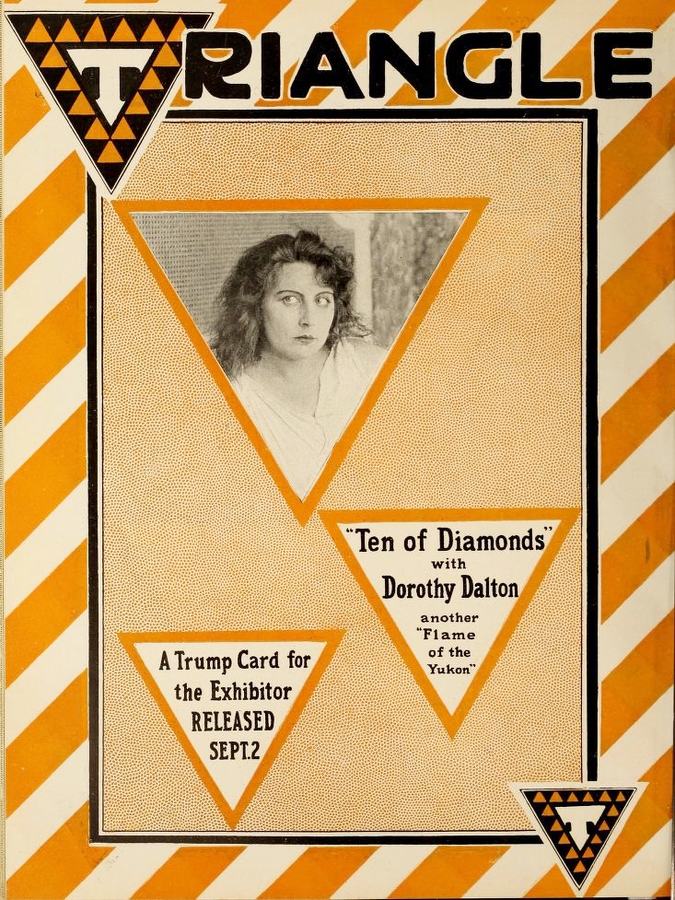
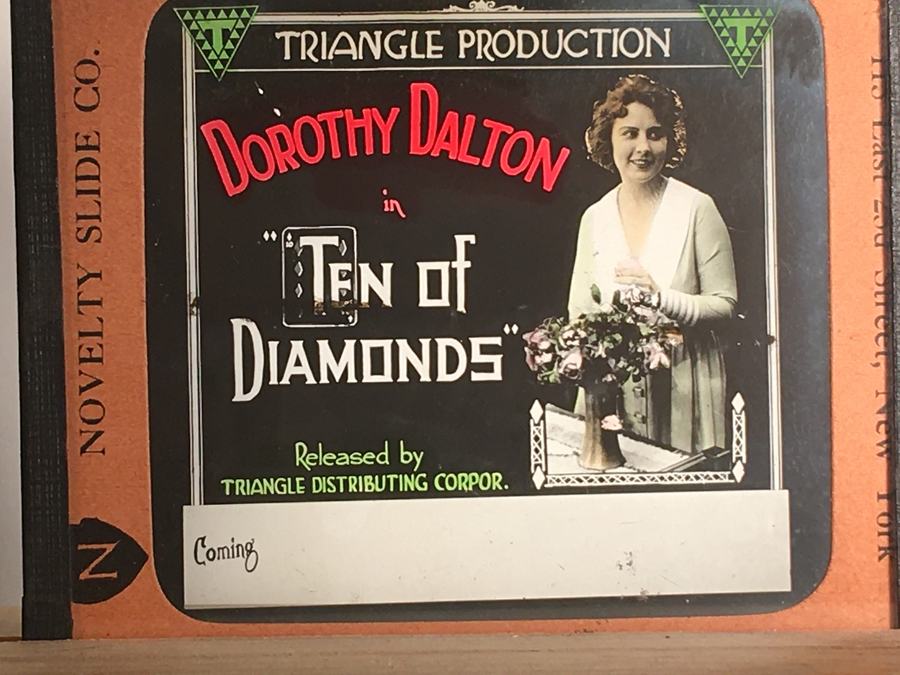
Stepping back into the annals of early cinema, one often encounters narratives that, despite their antiquated presentation, resonate with timeless human dramas. Such is the case with 1917’s Ten of Diamonds, a compelling silent film that masterfully weaves a tapestry of revenge, social transformation, and the redemptive power of love. Directed with a keen eye for emotional nuance, this picture, featuring the luminous Dorcas Matthews, stands as a testament to the storytelling prowess of its era, proving that even without spoken dialogue, the human heart’s complexities can be laid bare with profound impact.
At its core, Ten of Diamonds delves into the intricate dance of societal expectations and personal desires, a theme frequently explored in silent cinema. The film introduces us to Neva Blaine, portrayed with captivating intensity by Dorcas Matthews, a cabaret girl whose daily grind in the limelight belies a deeper vulnerability. Her world, a kaleidoscope of fleeting glamour and hard-won smiles, is abruptly disrupted by the arrival of Warren Kennedy (Jack Livingston). Kennedy, a man of considerable standing, arrives at Neva’s establishment not for entertainment, but as a wounded soul, reeling from a devastating public humiliation. His intended, Blanche Calloway, was cruelly snatched away by his rival, Ellis Hopper (Billy Shaw), who not only seduced her but orchestrated a scandalous revelation at the very altar, leaving Kennedy’s reputation in tatters and his heart inflamed with a burning desire for vengeance.
Kennedy’s meticulously crafted plan for revenge is both audacious and cruel. He sees in Neva not merely a performer, but a pliable instrument, a raw gem to be polished into a weapon against Hopper. His intention is to transform her from a ‘lowly’ cabaret girl into a sophisticated society woman, schooled in the delicate art of high-society etiquette and charm. The irony, of course, is that Neva, despite her origins, possesses an innate grace and intelligence that merely require refinement. This transformation narrative, where a protagonist from a humble background is molded into an aristocratic figure, is a classic trope, seen in various forms throughout cinematic history. It echoes, in a way, the social climbing and facade-building central to films like The Misleading Lady, where appearances are everything and identity can be a carefully constructed performance.
Dorcas Matthews’ portrayal of Neva during this metamorphosis is nothing short of brilliant. She conveys the character’s initial apprehension, her diligent efforts to absorb Kennedy’s teachings, and the gradual blossoming of her confidence. This isn't just a physical change; it’s a profound internal shift, as Neva grapples with her new identity and the emotional complexities it brings. The film subtly highlights the societal prejudices of the time, where a woman’s worth was often dictated by her birthright and social standing, rather than her inherent qualities. Kennedy’s scheme, while fueled by malice, inadvertently empowers Neva, granting her access to a world she might never have known.
As Neva meticulously executes her part of the bargain, a poignant irony begins to unfold: she falls deeply in love with Kennedy, the architect of her deception. This unrequited affection adds a layer of profound pathos to her performance, as she must feign interest in Hopper while her heart yearns for another. Jack Livingston, as Kennedy, initially embodies the cold, calculating nature of a man consumed by revenge. His interactions with Neva are transactional, devoid of genuine warmth, yet there are subtle hints, perhaps in a lingering glance or a softened expression, that his carefully constructed emotional barriers are beginning to fray. The tension between Neva’s duty and her burgeoning love forms the emotional fulcrum of the film, making her eventual success in winning Hopper’s hand a bittersweet triumph.
The dramatic crescendo arrives on the wedding day. Neva, trapped by her commitment to Kennedy's plan and her own unacknowledged love, pens a desperate, heart-wrenching letter to her mentor, imploring him to save her from a marriage of convenience. This moment is a powerful testament to the film's ability to convey profound emotional distress without dialogue. Her anguish is palpable, a silent scream against the constraints of her situation. Kennedy’s refusal to intercede, driven by his stubborn adherence to his vengeful agenda, marks the nadir of his character arc. It’s a moment of profound cruelty, even if unintended, pushing Neva to the brink.
Driven to despair, Neva resorts to a radical act of self-sabotage, a desperate bid for freedom that echoes the dramatic flair of her cabaret past. At the altar, she deliberately spills wine on her pristine wedding gown and feigns drunkenness, shattering the solemnity of the ceremony. This public spectacle, a deliberate act of defiance against societal expectations and personal entrapment, causes guests to flee in shock and Hopper to denounce her furiously. It's a powerful scene, demonstrating Neva’s agency in the face of insurmountable odds, even if it appears to seal her fate as an outcast. This kind of public disgrace and the subsequent social ostracization of a woman was a common, often tragic, theme in early cinema, reminiscent of the societal judgment faced by characters in films like Sapho or The Hungry Heart, where women often bore the brunt of moral condemnation.
The brilliance of this scene lies in its dual interpretation: is Neva a victim of circumstance, or is she a cunning manipulator seizing control? Matthews' performance allows for this ambiguity, making Neva a far more complex and engaging character than a simple ingenue. Her actions, while scandalous, are born of a profound emotional crisis, a desperate attempt to reclaim her autonomy from a man who had sought to use her as a pawn.
With her fate seemingly sealed, Neva retreats into solitude, a poignant image of a woman stripped of both her assumed social standing and her love. This period of isolation is crucial for Kennedy’s own journey. It is only when Neva is utterly lost to him that he truly comprehends the depth of his feelings. His initial motivation for revenge, so consuming and destructive, finally gives way to a realization of genuine affection. This eleventh-hour epiphany, though a common narrative device, feels earned here, driven by the stark consequences of his actions. Livingston portrays Kennedy's dawning realization with a subtle shift in his demeanor, moving from rigid control to a desperate urgency.
The film culminates in Kennedy’s heroic intervention, saving Neva from a lonely existence. This resolution, while perhaps predictable to modern audiences, would have been deeply satisfying to viewers of the time. It reaffirms the triumph of true love over social artifice and vengeful schemes. The narrative arc, from initial betrayal to calculated revenge, through emotional manipulation, and finally to genuine redemption, is meticulously crafted by writers L.V. Jefferson and Albert Cowles. Their script, even in its silent form, manages to convey intricate character motivations and a compelling plot progression, making the most of the visual storytelling medium.

While Dorcas Matthews and Jack Livingston anchor the film with their powerful performances, the supporting cast, including Billy Shaw as the villainous Ellis Hopper, Dorothy Dalton, and J. Barney Sherry, contribute significantly to the film’s dramatic weight. Shaw’s portrayal of Hopper is suitably smarmy, providing a clear antagonist against whom Kennedy’s revenge, however misguided, is initially justified. Dalton’s role, though smaller, adds another layer to the social dynamics at play. The direction, while not explicitly credited in the provided details, deftly handles the film’s emotional beats, utilizing close-ups and dramatic staging to emphasize key moments of despair, defiance, and eventual reconciliation.
From a technical perspective, Ten of Diamonds showcases the developing artistry of silent film. The use of intertitles is effective, conveying dialogue and exposition without disrupting the visual flow. The cinematography, though perhaps rudimentary by today's standards, is expressive, capturing the opulence of high society and the starkness of Neva’s despair. The film stands as a fascinating example of how early filmmakers explored complex psychological narratives and social critiques, often using heightened melodrama to convey universal truths about human nature.
Comparing it to other films of its period, Ten of Diamonds carves out its own niche. While films like His Own People or Marta of the Lowlands might focus more on cultural clashes or rural dramas, Ten of Diamonds leans into the urban social drama, a genre that would continue to flourish. The theme of a woman navigating a male-dominated world, often at great personal cost, is a recurring motif in silent films, from the sensationalism of A Victim of the Mormons to the more nuanced psychological studies. The film’s exploration of revenge as a driving force also connects it to darker narratives such as The Mark of Cain, though Ten of Diamonds ultimately opts for a redemptive conclusion.
In conclusion, Ten of Diamonds is far more than a historical curiosity; it is a compelling drama that speaks to the enduring power of ambition, the destructive nature of revenge, and the transformative potential of love. Dorcas Matthews delivers a performance that transcends the limitations of silent cinema, imbuing Neva Blaine with a complexity and resilience that still resonates. For anyone interested in the rich tapestry of early American film, or simply a well-told story of human foibles and triumphs, Ten of Diamonds remains a shining example of cinematic artistry from a bygone era. It reminds us that even a century later, the human heart's desires and dilemmas, beautifully captured on screen, remain eternally captivating.
The intricate plot, credited to L.V. Jefferson and Albert Cowles, demonstrates a sophisticated understanding of dramatic structure. They craft a narrative where every character's action, however small, contributes to the escalating tension and eventual resolution. The moral ambiguity of Kennedy's character, initially presented as a wronged hero, then as a callous manipulator, and finally as a repentant lover, adds significant depth. This arc prevents the film from becoming a simplistic morality play, instead offering a more nuanced exploration of human fallibility and growth. Neva, too, is not merely a passive victim; her agency, particularly in her desperate act at the altar, marks her as a proto-feminist figure, taking control of her destiny even when the odds are stacked against her.
The film's enduring appeal lies in its ability to tap into universal themes: the desire for social acceptance, the pain of betrayal, the intoxicating allure of revenge, and the ultimate triumph of genuine affection. It’s a melodrama, certainly, but one executed with such conviction and emotional honesty that it transcends its genre conventions. The performances, particularly Matthews', are masterclasses in non-verbal communication, relying on facial expressions, body language, and carefully choreographed gestures to convey a vast spectrum of emotions. This is the magic of silent film, where the audience is invited to fill in the unspoken, to engage more actively with the narrative on an emotional level.
While contemporary cinema often relies on elaborate special effects and complex sound design, Ten of Diamonds reminds us of the raw power of pure storytelling and compelling character development. It's a journey into the human psyche, stripped bare of superfluous elements, focusing solely on the emotional core of its protagonists. For those who appreciate the foundational artistry of cinema, this film offers a rich and rewarding viewing experience, a true gem among the silent era’s glittering output.
IMDb 5.3
1930
Community
Log in to comment.