DbcultAccessing Vault...
6/10
Senior Film Conservator
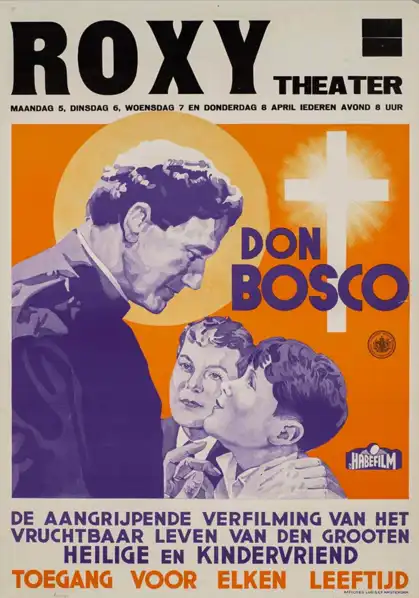
A definitive 6/10 rating for a film that redefined the boundaries of cult cinema. Don Bosco remains a cornerstone of transgressive art.
If you're looking for a modern, snappy edit with high-octane pacing, you should probably skip this one. Don Bosco is a 1935 film, and it feels every bit of it. It’s for people who like their history lessons quiet, earnest, and framed in black-and-white. If you need explosions or a complicated anti-hero, you’ll likely find this whole thing pretty dull.
Roberto Pasetti plays the man himself with this relentless, wide-eyed sincerity that borders on exhaustion. He’s always walking somewhere, always looking concerned, always trying to fix a problem that seems way too big for one guy. There’s a specific scene where he’s arguing with some local official, and he just keeps adjusting his collar like he’s trying to keep his composure while the guy is yelling at him. It’s a tiny, human detail in a movie that usually feels a bit too saintly for its own good.
The streets in the film look like they were scrubbed clean before the cameras started rolling, which is a bit distracting. It’s supposed to be this gritty, impoverished 19th-century setting, but everything feels a little too stage-managed. Sometimes, you can even see the shadows of the lighting rigs if you look at the corners of the frame. It gives it a weird, dreamy quality that I honestly didn't mind.
There’s a clear parallel here to the moral weight you see in older dramas like L'abbé Constantin. Both movies are preoccupied with the idea of a 'good man' doing 'good things' in a world that doesn't care. Unlike the high-stakes tension of something like The Clock, though, this movie is perfectly happy to just meander through Bosco's daily frustrations.
The pacing is… well, it’s not pacing. It’s more like a slow march. Some of the speeches about charity and the state of the youth go on for about two minutes longer than they should. You can almost feel the actors waiting for their next cue in those long, quiet pauses.
It’s not a masterpiece, and it doesn't try to be. It’s just a story about a guy who wouldn't stop pestering people until they gave him a building. In a weird way, that makes it more relatable than most historical epics. It’s not about grand gestures; it’s about the annoyance of bureaucracy and the stubbornness of one person who won't go away. ⛪️
IMDb 4.5
1917
Community
Log in to comment.