DbcultAccessing Vault...
Cult Review
Senior Film Conservator
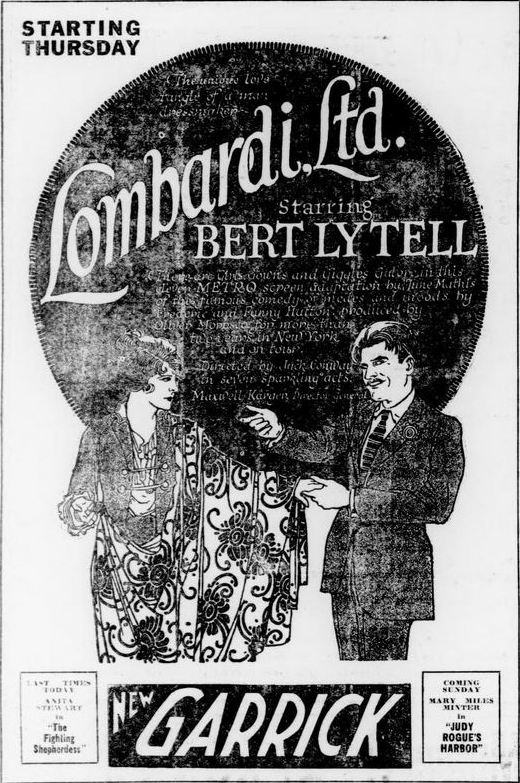
Ah, the silent era! A time when narratives unfolded with a grandeur often lost in the cacophony of modern cinema, relying solely on the power of visual storytelling, expressive performances, and the evocative prose of intertitles. Among the myriad treasures unearthed from this bygone age, Lombardi, Ltd. (1919) emerges as a fascinating artifact, a cinematic tapestry woven with threads of high fashion, financial precariousness, and the eternal dance of love and loyalty. This isn't merely a film; it's a window into the aspirations, follies, and social dynamics of a rapidly changing America, all set against the glittering, yet often unforgiving, backdrop of Fifth Avenue's haute couture scene.
Our central figure, Tito Lombardi, portrayed with a captivating blend of artistic passion and disarming naiveté by Joseph Kilgour, is a character plucked straight from the pages of a romantic tragedy. He is a genius of the needle and thread, a maestro whose creations adorn the most discerning clientele. His designs are not mere garments; they are dreams spun into silk and lace, expressions of an unbridled aesthetic sensibility. Yet, this very artistic temperament, this boundless generosity of spirit that fuels his creative engine, proves to be his Achilles' heel. Lombardi's business acumen, or rather, his distinct lack thereof, is a recurring motif, a character flaw that propels the entire narrative forward. He extends credit with a lavish hand, his heart overriding his head, believing in the inherent goodness and eventual solvency of his patrons. This is particularly evident in his dealings with Max Strohm, the manager of a musical review, who promises payment for a veritable cascade of lavish costumes only when his show, still in its infancy, finally turns a profit. It’s a gamble, a bet on artistic endeavor, but one that threatens to bankrupt the very foundation of Lombardi’s empire.
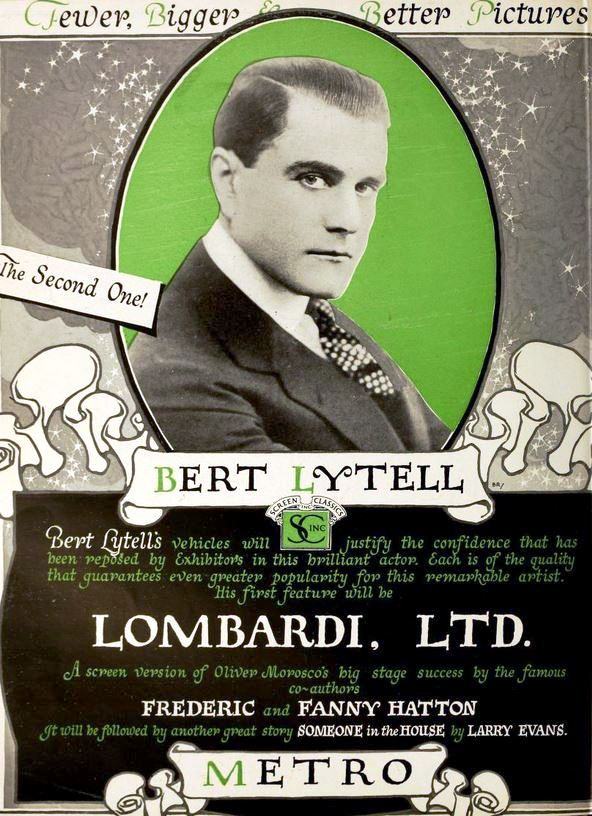
The narrative truly takes its dramatic turn with Lombardi’s ill-fated infatuation with Phyllis Manning, a showgirl whose allure is as potent as it is superficial. Jean Acker embodies Phyllis with a captivating, yet ultimately cold, beauty, a siren whose charm is purely transactional. Lombardi, blinded by this dazzling façade, showers her with his finest creations, mistaking outward glamour for inner substance. His proposal of marriage is met with a calculated reluctance, a series of evasions regarding a wedding date, all while she openly courts the attentions of the wealthy bachelor, Bob Tarrant, played with a smooth, predatory charm by Warner Baxter. This romantic misstep is not merely a personal failing for Lombardi; it’s a direct assault on the quiet devotion of Norah Blake, his faithful assistant. Vera Lewis, in her portrayal of Norah, delivers a masterclass in understated emotion. Her love for Lombardi is a silent, enduring flame, a beacon of loyalty that stands in stark contrast to Phyllis’s fleeting affections. Norah’s dismay is palpable, conveyed through subtle glances and weary sighs, a testament to Lewis’s ability to convey profound interiority without a single spoken word. Her character serves as the moral compass of the film, a grounding force in a world often swayed by transient glamour.
The plot, meticulously crafted by writers June Mathis, Fanny Hatton, and Frederic Hatton, then tightens its grip, spiraling towards an almost inevitable crisis. Strohm’s musical review, despite Lombardi’s sartorial contributions, becomes a spectacular failure. The lights dim, the music stops, and with it, any hope of payment for the mountains of unpaid costumes. This financial blow is immediately followed by Phyllis’s decisive departure, abandoning the struggling designer for the more secure embrace of Tarrant and the sun-drenched promise of California. Lombardi’s establishment, once a bastion of elegance and creativity, now teeters on the precipice of bankruptcy, its future as bleak as a winter's night on the Hudson. This sequence of events, while perhaps melodramatic to a modern sensibility, was a staple of silent cinema, designed to elicit maximum emotional resonance and to underscore the precariousness of prosperity in an era of boom and bust. It reminds one of the dramatic financial downturns explored in films like The Third String, where a character's livelihood hangs by a thread, or the social anxieties depicted in Old Wives for New, albeit with a different focus on marital and societal expectations.
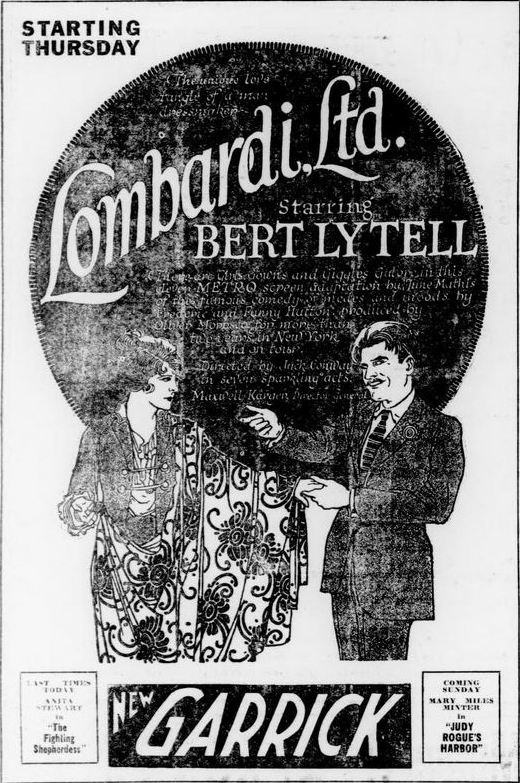
Yet, just as despair threatens to engulf Lombardi entirely, a glimmer of hope emerges from an unexpected quarter. Daisy, one of Lombardi's models, played with an engaging blend of pragmatism and charm by Alice Lake, accepts a marriage proposal from Lombardi's unassuming friend, Rickey. Bert Lytell imbues Rickey with a quiet dignity that belies his true circumstances. The delightful twist arrives when Daisy discovers that Rickey is no mere chauffeur, but rather the scion of "Riccardo the vermicelli king," a man of immense, inherited wealth. This revelation, a classic deus ex machina, injects a much-needed dose of optimism and provides the means for Lombardi's redemption. It's a plot device that, while convenient, serves the narrative's ultimate goal of rewarding virtue and punishing superficiality. Daisy, recognizing Lombardi's plight and Rickey's capacity to help, convinces her newly revealed wealthy fiancé to intervene. This moment highlights not just Rickey's generosity, but also Daisy's loyalty, echoing, in a different register, Norah’s own unwavering devotion.
With financial anxieties allayed, the stage is set for the true revitalization of Lombardi, Ltd., a process orchestrated and guided by the sagacious Norah Blake. Her quiet competence, previously overshadowed by Lombardi’s romantic blindness and artistic preoccupations, now comes to the fore. She is the organizational backbone, the strategic mind, the steady hand that steers the ship away from the rocks of insolvency and towards renewed prosperity. Under her direction, the business not only recovers but thrives, a testament to her intrinsic value and leadership capabilities. This arc, where the overlooked yet indispensable individual finally gets their due, is profoundly satisfying. It’s a narrative trope that resonates deeply, akin to stories of quiet heroes rising to prominence, though perhaps less overtly dramatic than the adventures found in something like The Three Musketeers, it’s a victory of a different, more personal kind.
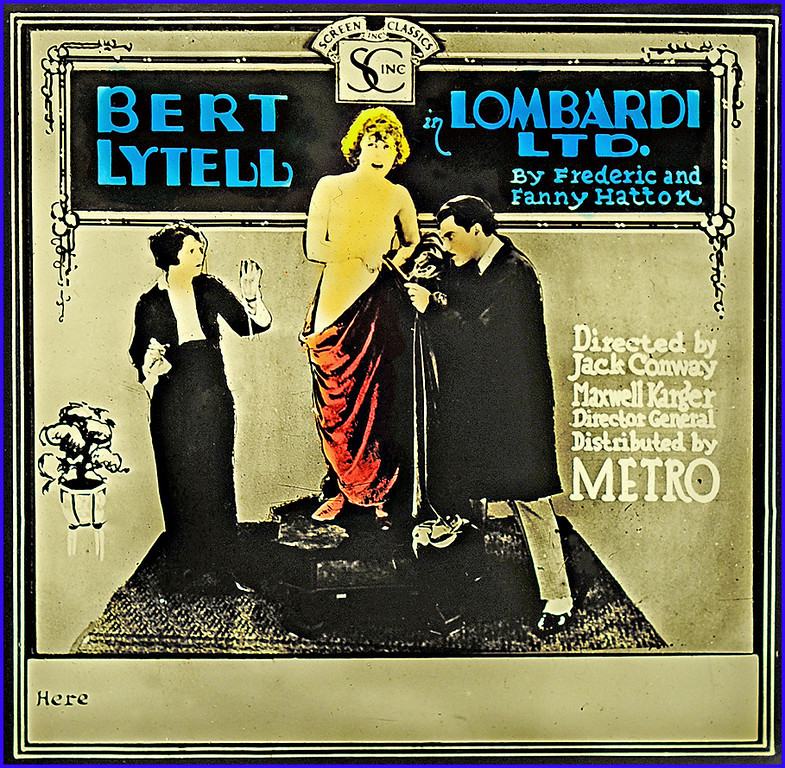
The culmination of the film sees Tito Lombardi finally shedding the scales from his eyes. The trials and tribulations, the sting of betrayal, and the quiet, unwavering support he has received, lead him to a profound epiphany. He recognizes Norah's true worth, not just as an invaluable business partner, but as the steadfast, loving woman who has always been by his side, seeing beyond his flaws to the artist within. Their eventual marriage is not merely a happy ending; it’s a profound statement on the nature of genuine love and partnership, built on respect, loyalty, and shared adversity, rather than fleeting infatuation or material gain. Joseph Kilgour and Vera Lewis, through their nuanced performances, manage to convey this shift with compelling sincerity, making the audience truly believe in Lombardi’s transformation and Norah’s deserved happiness.
From a technical perspective, Lombardi, Ltd., while not a grand spectacle in the vein of later epics, showcases the refined craftsmanship of silent film production. The visual aesthetic of the Fifth Avenue atelier is meticulously rendered, offering glimpses into the opulent world of early 20th-century fashion. The costume design, naturally, is paramount, and the film does not disappoint, presenting a parade of exquisite gowns that are characters in themselves, reflecting the changing fortunes and emotional states of the protagonists. The use of intertitles is effective, advancing the plot and revealing inner thoughts without overwhelming the visual narrative. The performances, characteristic of the era, are often broad and expressive, yet Kilgour and Lewis manage to inject a remarkable degree of subtlety into their roles, allowing for a deeper connection with their characters. The direction, though uncredited in many records, demonstrates a clear understanding of pacing and emotional beats, guiding the audience through Lombardi’s journey of self-discovery and redemption.
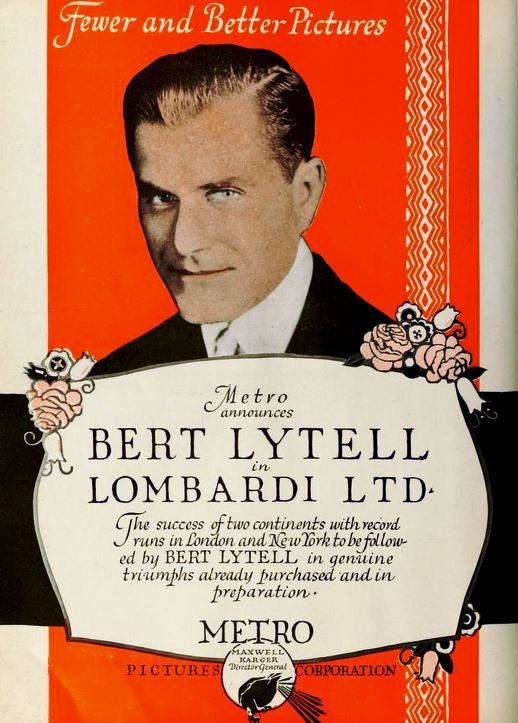
The film's thematic resonance extends beyond its immediate narrative. It serves as a commentary on the societal values of the time, exploring the tension between artistic integrity and commercial viability, the allure of superficial beauty versus the enduring power of genuine affection, and the class distinctions subtly woven into the fabric of New York society. The figure of the wealthy patron, the struggling artist, and the diligent worker are all archetypes that continue to resonate in contemporary storytelling. It's a testament to the enduring power of well-crafted narratives that these themes, presented in a silent film over a century ago, still speak to us today. The film also provides a fascinating look at the role of women in the workplace during this period, with Norah Blake emerging as a proto-feminist figure, a woman whose intelligence and capability ultimately save a prominent business, even if her romantic fulfillment is somewhat conventionally achieved.
In comparing Lombardi, Ltd. to its contemporaries, one might find echoes of its romantic dilemmas in films like Lovely Mary, where personal choices and societal pressures intertwine in matters of the heart. The theme of a hero's journey through adversity, culminating in a realization of true values, can be seen in various forms across the silent era, from the more action-oriented The Heart of a Hero to the more introspective The Hope Chest. What sets Lombardi, Ltd. apart is its specific milieu – the high-stakes, high-fashion world of Fifth Avenue, which provides a rich visual and thematic backdrop for its exploration of human nature. The film doesn't shy away from depicting the harsh realities of business failure, but it ultimately champions the virtues of loyalty, hard work, and discerning love.
The cast, a vibrant ensemble of silent film talent, contributes significantly to the film's charm and effectiveness. Beyond the central performances, figures like Golda Madden, Ann May, Juanita Hansen, and Miss DuPont, though in smaller roles, flesh out Lombardi’s world, adding to the bustling atmosphere of the fashion house and the musical review. Their collective presence helps to build a believable cinematic environment, one where every character, no matter how minor, plays a part in the larger tapestry of Lombardi’s life. The collaborative effort of the writers, Mathis, Hatton, and Hatton, is particularly commendable. June Mathis, a prolific and influential screenwriter of the era, was known for her strong character development and engaging plots, and her touch is evident in the clear narrative arc and the emotional depth afforded to Norah Blake.
Ultimately, Lombardi, Ltd. stands as a delightful and insightful piece of silent cinema. It’s a story that reminds us that true wealth lies not in material possessions or superficial attractions, but in the enduring bonds of loyalty, the quiet strength of devotion, and the wisdom gained through adversity. It’s a compelling argument for looking beyond the dazzling surface to find the genuine article, whether in a person or a business partner. The film, with its blend of melodrama, romance, and a touch of social commentary, remains a captivating watch, offering both entertainment and a poignant reflection on human values that transcend the limitations of its silent format and the passage of time. It reinforces the idea that sometimes, the most valuable assets are the ones we initially overlook, diligently working in the background, waiting for their true worth to be recognized. A truly charming and surprisingly relevant cinematic experience, even a century later.
The journey of Tito Lombardi from a financially imprudent visionary to a man who finally understands the true meaning of partnership and love is the beating heart of this film. It’s a narrative that, despite its period trappings, speaks to universal themes of self-deception, redemption, and the ultimate triumph of genuine affection over fleeting desire. The film’s conclusion, with Lombardi and Norah united, feels earned and deeply satisfying, a testament to the power of a well-told story and the enduring appeal of silent cinema’s unique narrative language.
IMDb 6.8
1935
Community
Log in to comment.