DbcultAccessing Vault...
6.3/10
Senior Film Conservator
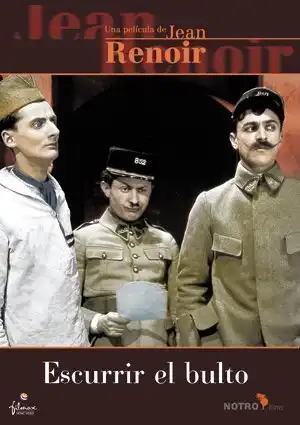
A definitive 6.3/10 rating for a film that redefined the boundaries of cult cinema. The Sad Sack remains a cornerstone of transgressive art.
Is The Sad Sack worth watching today? For most casual viewers, the answer is a firm no. This early silent comedy, co-written by Jean Renoir, feels very much like a product of its time, and not always in the charming way. It’s a film primarily for Renoir completists, silent film enthusiasts specifically interested in French cinema of the late 1920s, or those studying the evolution of screen comedy. If you’re looking for a consistently engaging narrative, sharp humor, or a visually arresting experience, you will likely find yourself checking the time.
The film’s central conceit – a pampered poet and his servant both joining the army and ending up in the same barracks – holds genuine comedic promise. It’s a classic fish-out-of-water scenario, ripe for exploring class dynamics and the absurdity of military discipline. We see the poet, played by Roland Caillaux, attempting to maintain a semblance of his artistic sensibility amidst the rigid structure, often to his detriment. His servant, portrayed by Michel Simon, is the more physical comedian, constantly tripping over himself or misunderstanding orders. The setup is inherently funny, but the execution often fumbles, stretching gags beyond their natural lifespan or failing to land them with sufficient impact.
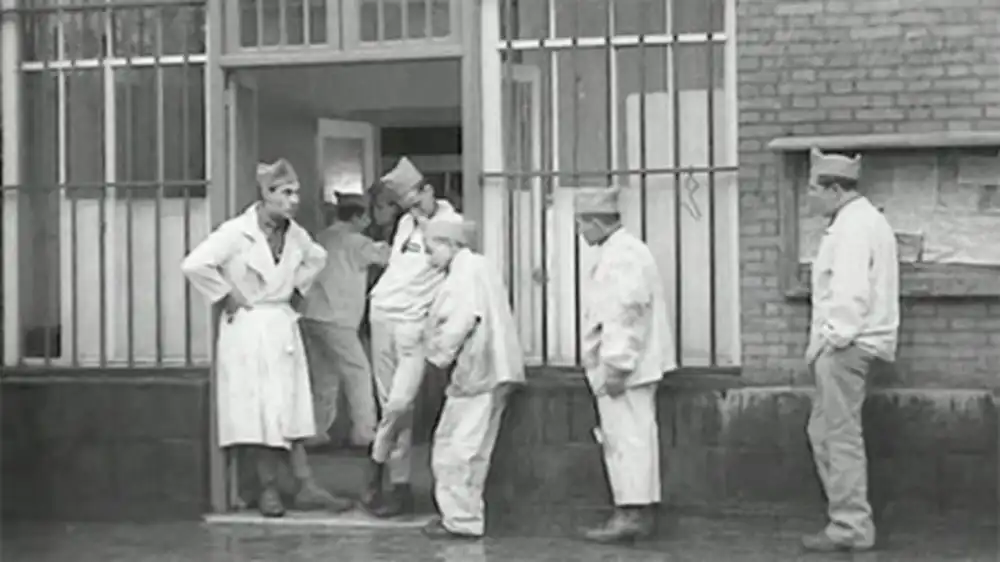
One of the film’s most noticeable issues is its pacing. Silent comedies often rely on a quick succession of visual gags and physical antics, but The Sad Sack frequently slows down to allow for extended reaction shots or drawn-out sequences that don't always justify their length. There are moments, particularly in the training sequences, where the repetition of a joke – like the poet struggling with a rifle or the servant getting tangled in his own uniform – feels less like building to a crescendo and more like stalling. The intertitles, while necessary, sometimes feel verbose, explaining jokes that visual action could have carried more effectively.
Michel Simon, even in this relatively early role, is the clear standout. He possesses a natural, expressive physicality that translates well to silent cinema. His face is a canvas of bewilderment, frustration, and occasional mischievousness. There’s a particular scene where he’s attempting to clean the barracks, and his movements are a masterclass in controlled clumsiness, conveying a character perpetually out of sync with his environment. He doesn't just perform the gags; he embodies the 'sad sack' persona with a genuine, if exaggerated, pathos.
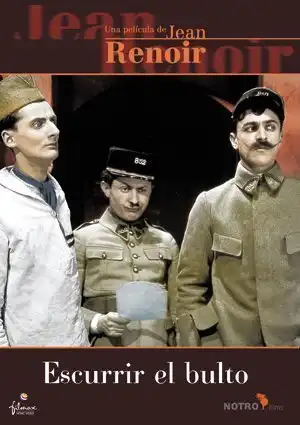
Roland Caillaux as the poet, however, feels less compelling. His character often comes across as merely petulant rather than charmingly out of place. While he attempts to convey an air of artistic detachment, his performance often lacks the nuanced physical comedy or emotional depth that Simon brings. The contrast between the two leads is meant to be a source of humor, but Simon’s vibrant performance often overshadows Caillaux’s, making the poet feel less like a co-lead and more like a straight man who isn't quite straight enough. The supporting cast, including Fridette Fatton and Catherine Hessling, have limited screen time and mostly serve as plot devices or objects of affection, without much opportunity to leave a lasting impression.
Visually, the film is fairly rudimentary. The cinematography is competent but rarely inspired. Shots are generally functional, designed to capture the action, but there's little of the inventive framing or dynamic camera work that would characterize later Renoir films. The barracks sets are believable enough, though often feel a bit cramped, which sometimes contributes to the comedic chaos but at other times just makes the action difficult to follow. Lighting is standard for the era, serving to illuminate rather than to create mood or visual interest.
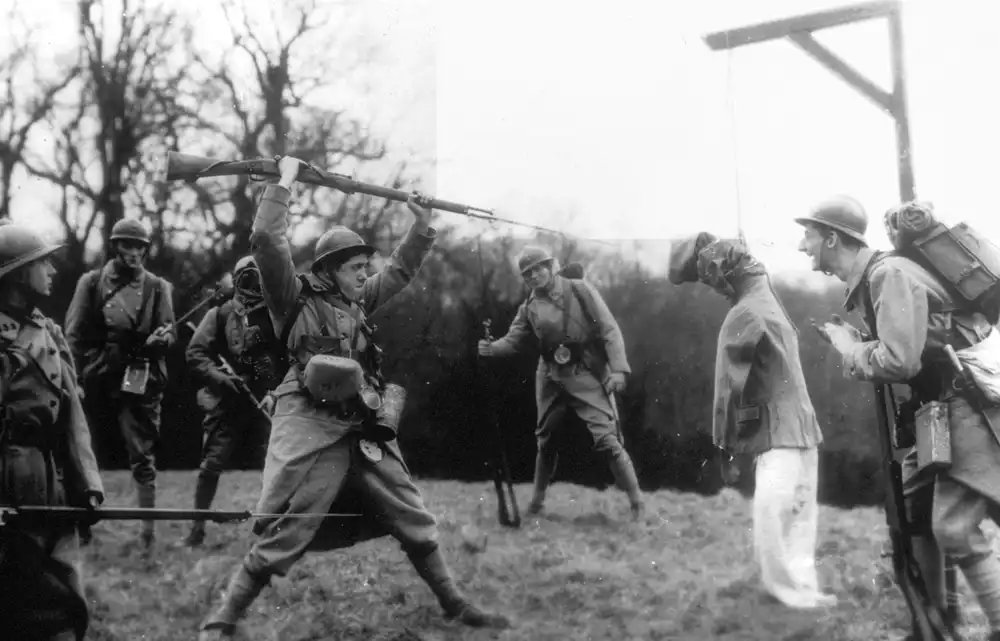
One specific observation that stands out is the recurring visual motif of the poet trying to surreptitiously write verses on whatever paper he can find – often official army forms or even scraps of newspaper – only to have them confiscated or ridiculed. It’s a small, consistent character beat that effectively highlights his inability to shed his identity, even under duress. This works, but many other gags feel less integrated, more like standalone bits strung together.
The film also struggles with a somewhat inconsistent tone. It aims for broad comedy, but every so often, there are flashes of social commentary or even a hint of melancholy, particularly in Simon’s performance, that aren't fully developed. These shifts aren't jarring enough to derail the film entirely, but they do prevent it from settling into a confident comedic rhythm. It feels like a film trying on different hats without quite deciding which one fits best.

Strengths:
Weaknesses:
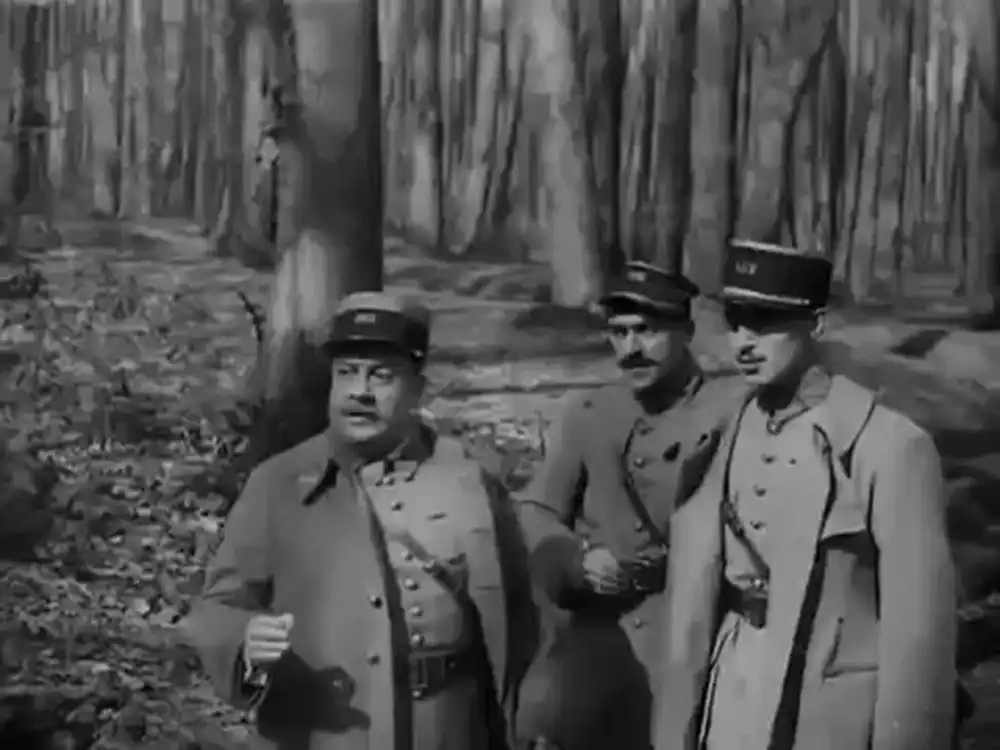
The Sad Sack is a curious artifact from an important director’s early career. It offers glimpses of the talent that would later define Jean Renoir, particularly in its character-driven approach to comedy and its interest in social dynamics. However, it’s far from a polished or consistently entertaining experience. It feels like a sketch that hasn’t quite found its full form, relying heavily on the singular brilliance of Michel Simon to carry much of its comedic burden.
Unless you are specifically undertaking a deep dive into Renoir’s complete filmography or have a particular affection for obscure silent comedies, your time would be better spent elsewhere. For a more compelling early silent work, even one with its own quirks, you might look to something like The Right to Love, or other contemporary efforts that demonstrate a more confident grasp of the medium.
IMDb 5.6
1936
Community
Log in to comment.