DbcultAccessing Vault...
7.5/10
Senior Film Conservator
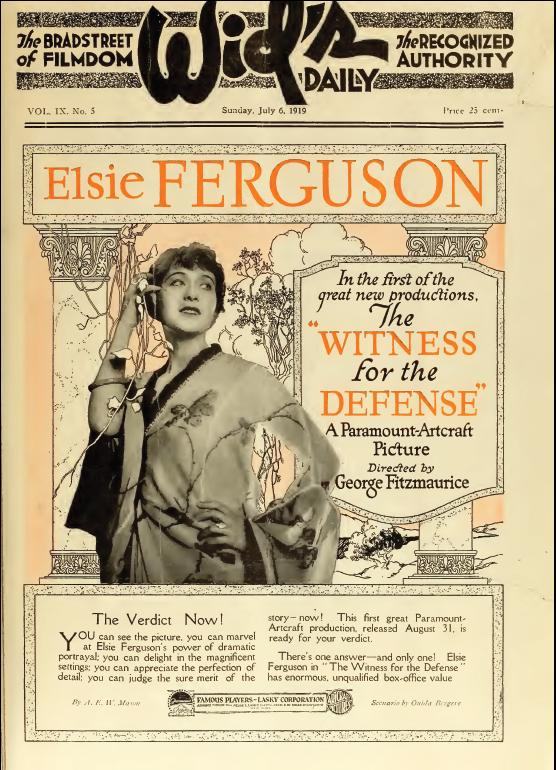
A definitive 7.5/10 rating for a film that redefined the boundaries of cult cinema. The Witness for the Defense remains a cornerstone of transgressive art.
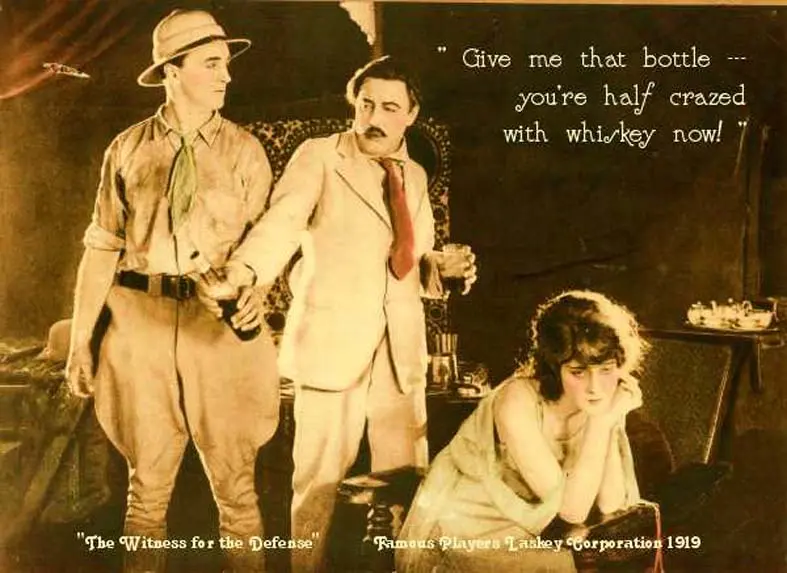
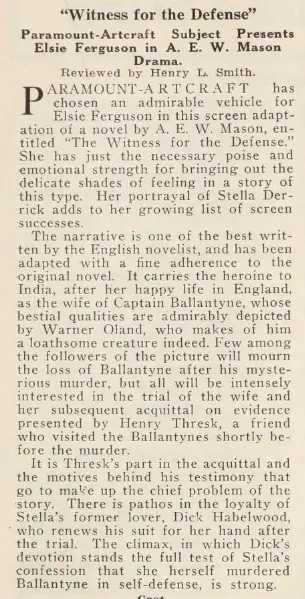
The Witness for the Defense, a silent film released in 1919, is a masterful exploration of the human psyche, delving into the darkest recesses of the human experience. Directed by George Fitzmaurice, the film boasts a talented cast, including Blanche Standing as Stella Derrick, the enigmatic and troubled heroine at the center of the narrative. As the story unfolds, Stella's character is skillfully woven into a complex tapestry of deceit, manipulation, and ultimately, redemption.
The film's plot is a gripping tale of murder, betrayal, and redemption, with Henry Thresk, played by Wyndham Standing, emerging as a pivotal figure in Stella's fate. Thresk's motives, however, are far from altruistic, and his actions set in motion a chain of events that threatens to destroy Stella's newfound freedom. As the narrative progresses, the audience is drawn into a world of moral ambiguity, where the lines between right and wrong are constantly blurred.
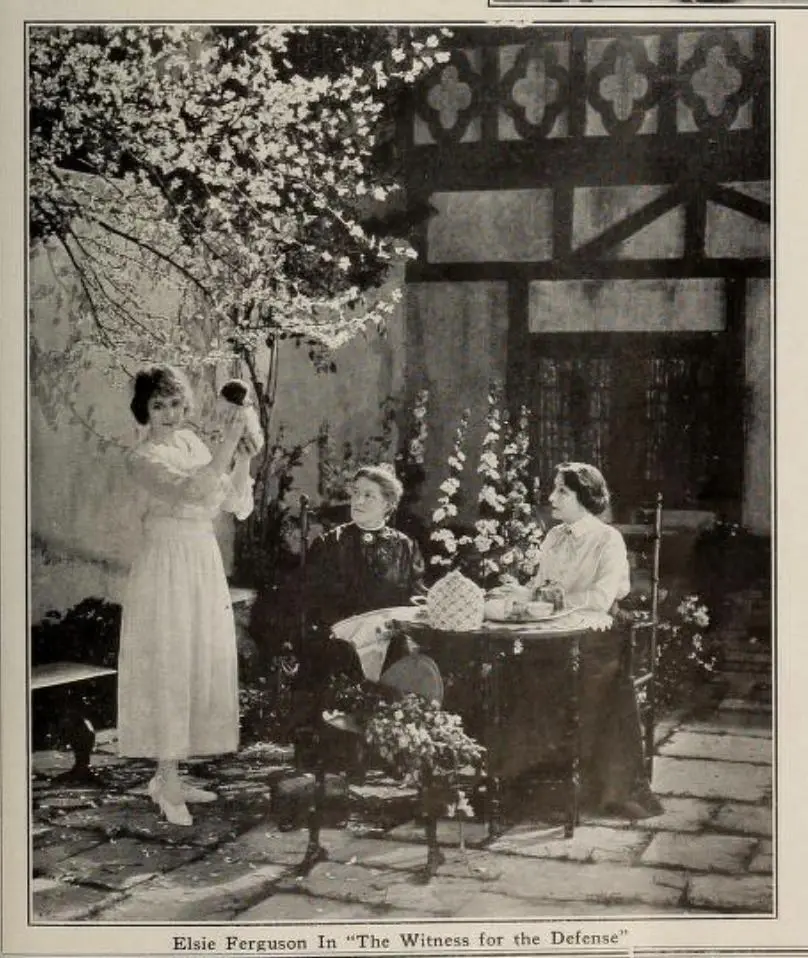
The Witness for the Defense is a film that defies easy categorization, blending elements of drama, suspense, and psychological thriller to create a unique cinematic experience. In this regard, it bears some resemblance to other silent films of the era, such as Great Expectations and Life's Whirlpool, which also explored themes of social class, morality, and personal identity. However, The Witness for the Defense stands out for its unflinching portrayal of the human condition, laying bare the darkest aspects of human nature with unflinching candor.
One of the most striking aspects of The Witness for the Defense is its use of cinematography to convey the emotional state of the characters. The film's use of high contrast and low-key lighting creates a sense of tension and foreboding, perfectly capturing the mood of unease and uncertainty that pervades the narrative. This innovative approach to cinematography was ahead of its time, and its influence can be seen in later films, such as The Golden God and One Week of Life.
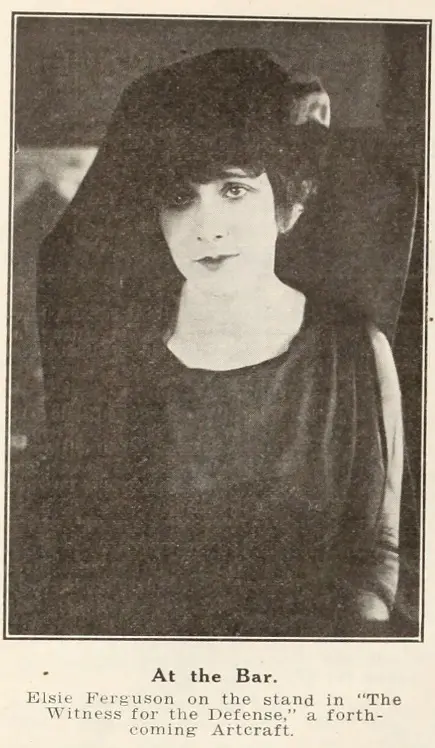
The performances in The Witness for the Defense are equally impressive, with Blanche Standing delivering a tour-de-force performance as Stella Derrick. Her portrayal of the troubled heroine is both nuanced and intense, bringing depth and complexity to a character that could have easily been reduced to a mere caricature. The supporting cast, including Wyndham Standing and Cora Williams, is also excellent, bringing a sense of authenticity to the film's dramatic events.
In terms of thematic resonance, The Witness for the Defense can be seen as a precursor to later films that explored similar themes of morality and personal identity. Films like Every Mother's Son and Pay Your Dues also dealt with the complexities of human relationships and the consequences of one's actions, albeit in different contexts. The Witness for the Defense, however, remains a unique and fascinating film that continues to captivate audiences with its haunting portrayal of the human condition.
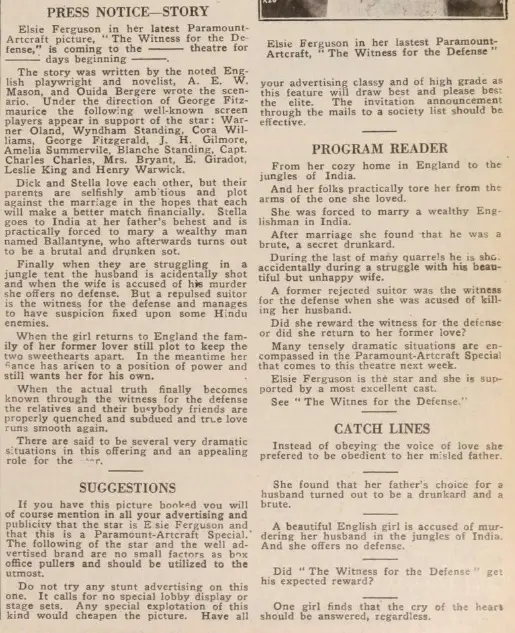
The Witness for the Defense is a film that rewards close attention and multiple viewings, with each successive screening revealing new layers of meaning and complexity. As a work of cinematic art, it is a testament to the power of film to capture the essence of the human experience, with all its contradictions and paradoxes. For fans of silent cinema, The Witness for the Defense is an absolute must-see, offering a glimpse into a bygone era of cinematic storytelling that continues to influence filmmakers to this day.
In comparison to other films of the era, such as The Way of a Woman and Give Her Gas, The Witness for the Defense stands out for its sophistication and nuance. While these films were more focused on comedy and action, The Witness for the Defense delves deeper into the human psyche, exploring themes that were taboo at the time. This is evident in its portrayal of adultery and murder, which were rarely discussed in films of the era.
The influence of The Witness for the Defense can be seen in later films, such as Humdrum Brown and Fathers of Men, which also explored themes of morality and personal identity. However, The Witness for the Defense remains a unique and fascinating film that continues to captivate audiences with its haunting portrayal of the human condition. Its influence can also be seen in the work of later filmmakers, such as Alfred Hitchcock, who often explored similar themes of suspense and psychological complexity in his films.
In conclusion, The Witness for the Defense is a film that is both a product of its time and a timeless classic that continues to resonate with audiences today. Its exploration of the human psyche is both nuanced and intense, offering a glimpse into the darkest recesses of the human experience. For fans of silent cinema, The Witness for the Defense is an absolute must-see, offering a unique and fascinating perspective on the human condition that continues to influence filmmakers to this day.
The film's legacy can be seen in its influence on later films, such as The Heart of a Painted Woman and Flirting with Death, which also explored themes of morality and personal identity. The Witness for the Defense is a film that continues to captivate audiences with its haunting portrayal of the human condition, and its influence can be seen in the work of later filmmakers, such as Carl Theodor Dreyer, who often explored similar themes of suspense and psychological complexity in his films.
In addition to its influence on later films, The Witness for the Defense is also notable for its historical significance. The film was released in 1919, a time of great social change and upheaval. The film's portrayal of adultery and murder was controversial at the time, and the film was often censored or banned in certain jurisdictions. Despite this, the film remains a powerful and thought-provoking work that continues to resonate with audiences today.
IMDb 5.4
1933
Community
Log in to comment.