DbcultAccessing Vault...
Cult Review
Senior Film Conservator
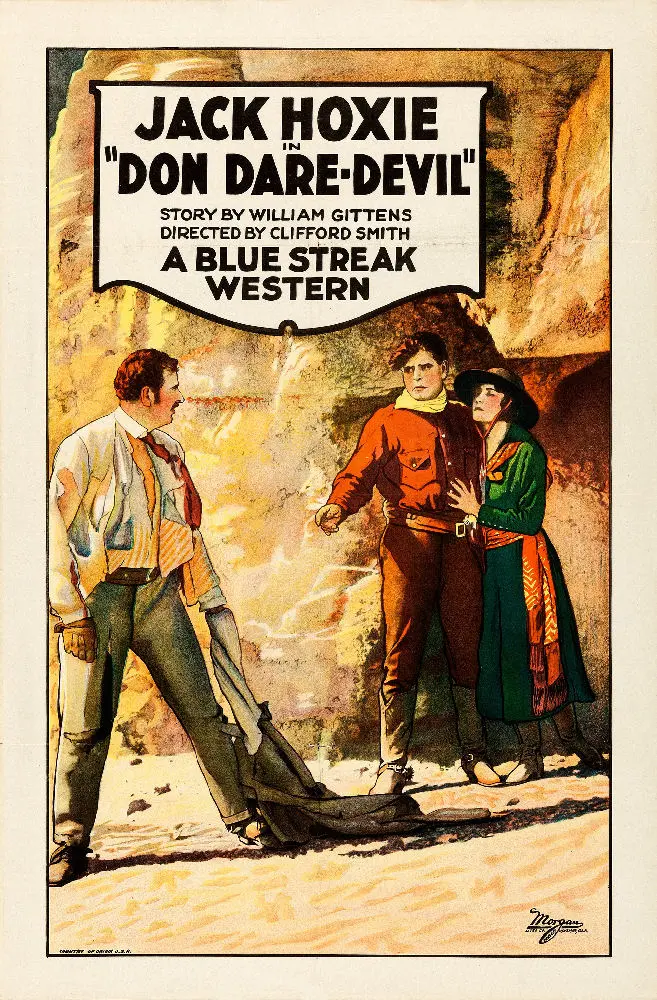
Short answer: yes, but with significant caveats. "Don Dare Devil" is a historical artifact, a fascinating glimpse into early Hollywood's attempt at crafting a silent action epic, and it absolutely delivers on its promise of thrilling chases and daring feats. However, it's a film primarily for the dedicated silent film enthusiast, the historian of early Westerns, or anyone curious about the foundational elements of cinematic storytelling. It is emphatically not for the casual viewer expecting modern pacing, nuanced character development, or high-fidelity visual and sound experiences.
For those willing to engage with its unique charms and limitations, this film offers a raw, unfiltered look at the birth of action cinema, showcasing the physical prowess and narrative economy that defined the era. It's a journey back to a time when storytelling relied on grand gestures and clear-cut morality, a period piece that resonates with a particular kind of cinematic archaeology. My personal conviction is that while it demands a certain patience, the payoff for the right audience is immeasurable, revealing layers of historical context often overlooked in modern discourse.
Wyndham Gittens’ screenplay for "Don Dare Devil" wastes no time establishing its high-stakes premise. The immediate return of Jack Bannister, accompanied by his trusty Wyoming cowboys, signals a clash of cultures and codes. This arrival in a South American setting, rather than the familiar American West, immediately adds a layer of exoticism and a hint of the 'other' that was common in early adventure films.
The fiesta scene, intended as a moment of cultural immersion and reunion, quickly devolves into tragedy. The brutal, public murder of Menocal by Bud Latham isn't just a plot device; it's the definitive catalyst, a stark declaration of the lawlessness that permeates this frontier. Latham, as portrayed, is not merely a common criminal but an American bandit operating with an almost contemptuous disregard for local authority, explicitly protected by the venal Sheriff Berengo.
This setup immediately positions Jack Bannister as the quintessential hero, compelled by personal loss and a sense of justice to right a profound wrong. His pursuit of Latham through the rugged terrain isn't just a physical chase; it's a moral crusade. The narrative cleverly intertwines this primary quest with a secondary one, as Jack encounters Latham preying on José Remado, another outlaw, creating a complex web of alliances and antagonisms.
The ensuing whip fight between Jack and Latham is a pivotal moment, a classic display of silent film bravado and physical storytelling. It’s a direct, visceral confrontation that bypasses dialogue entirely, relying on the sheer spectacle of the fight to convey dominance and resolve. This scene is an early example of how action set pieces could drive the plot forward and define characters without a single spoken word.
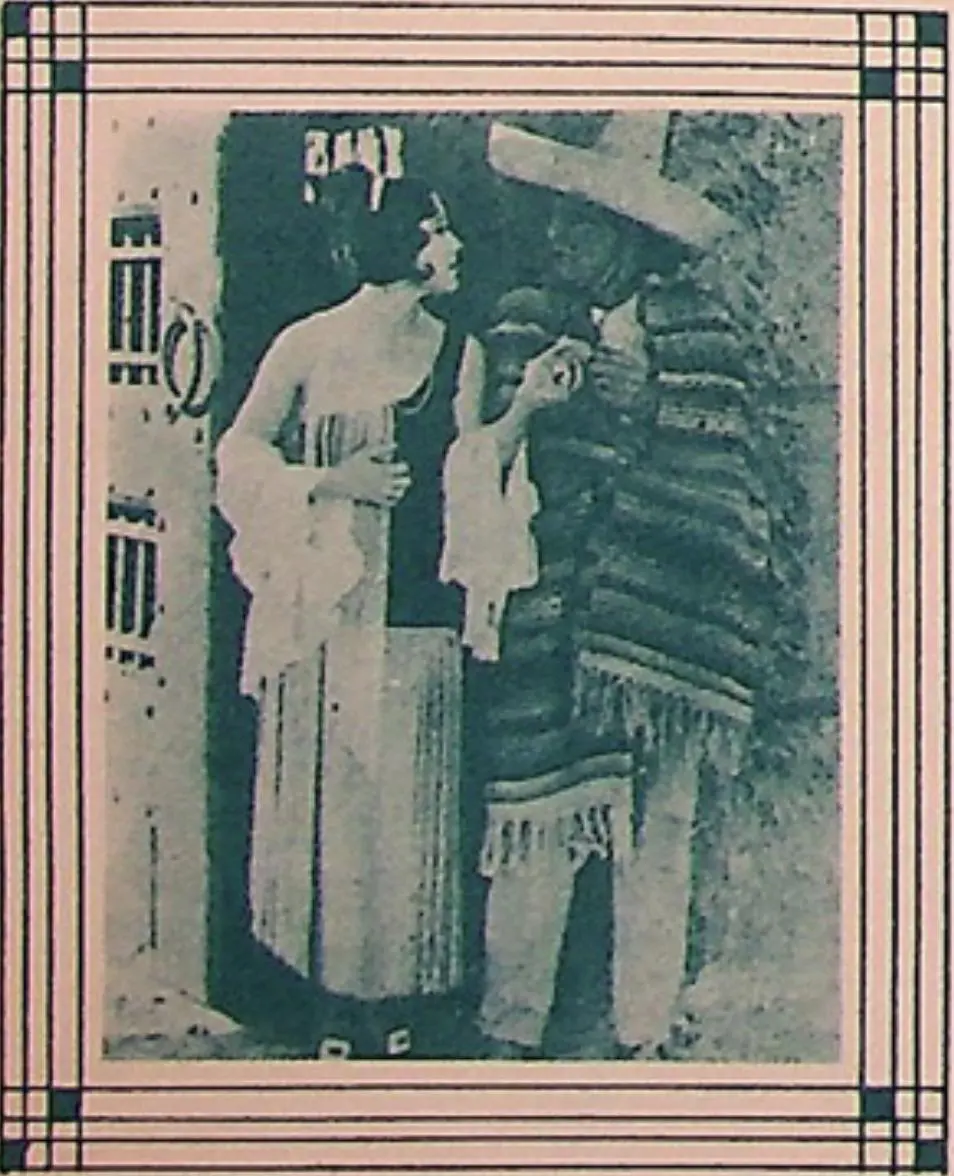
The plot then introduces Ynez, Remado's daughter, whose plea for her father's freedom adds a romantic and humanitarian dimension to Jack's mission. His ingenious disguise as a peon to free Remado from Berengo's jail highlights Jack's resourcefulness, a common trait of the Western hero. This sequence, while brief, showcases a rare moment of cunning amidst the more straightforward action.
The kidnapping of Ynez by Latham's gang escalates the stakes dramatically, transforming the pursuit of justice into a rescue mission. This shift in motivation, from avenging a friend to saving an innocent, broadens the emotional appeal of the story. The climax, featuring a "great revolver battle" and a final hand-to-hand struggle in a cave, is a testament to the era's commitment to delivering relentless, unadulterated action.
The narrative, while straightforward, is undeniably effective in its construction. It embraces a clear-cut good-versus-evil dichotomy, a characteristic that, while perhaps simplistic by modern standards, was fundamental to the appeal of early Westerns. This film works because it delivers a consistently escalating series of conflicts, each more intense than the last, keeping the audience engaged through sheer narrative propulsion.
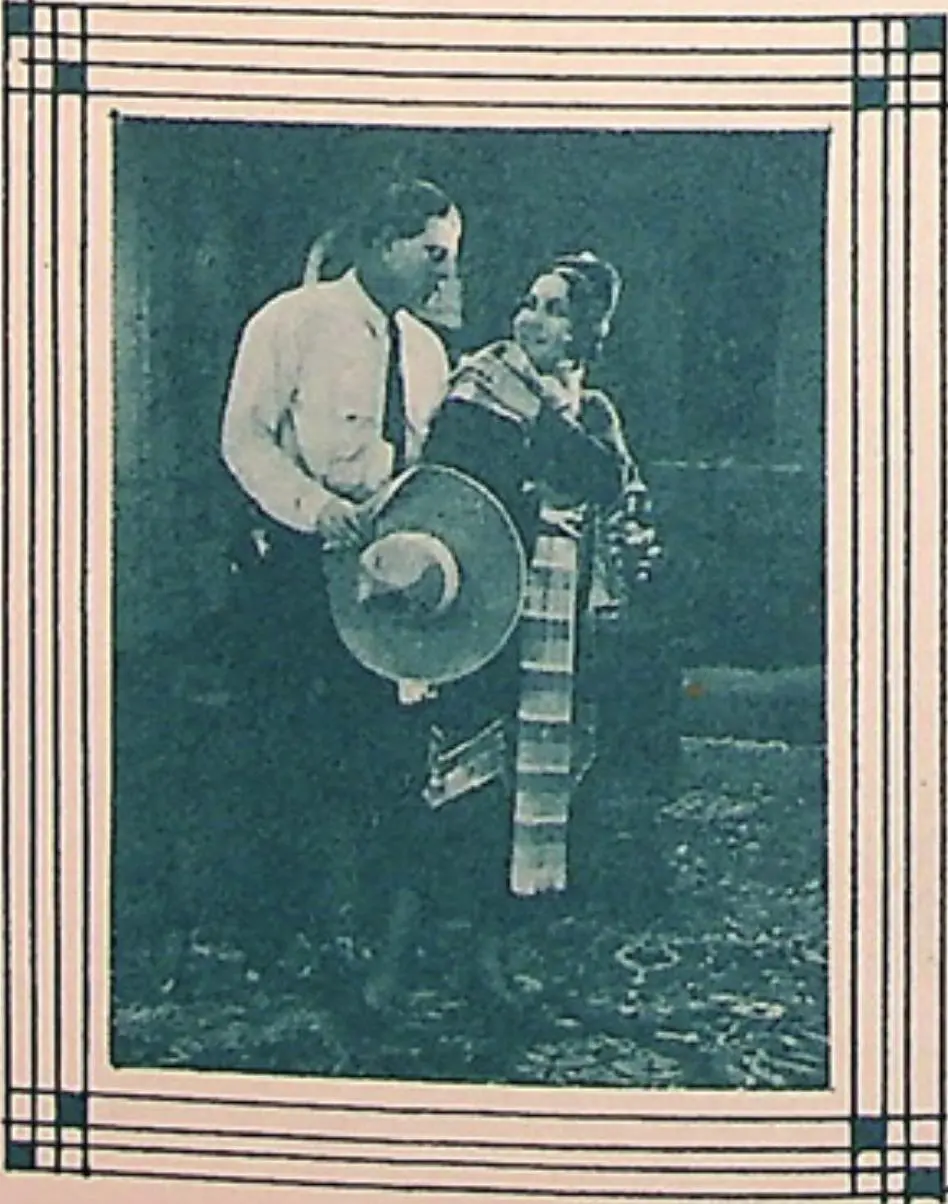
The acting in "Don Dare Devil" is a masterclass in silent film performance, where every gesture, every facial contortion, and every physical movement had to convey reams of information without the aid of dialogue. This style, often perceived as over-the-top today, was a necessity, a visual language designed to be universally understood by audiences from diverse backgrounds.
Jack Hoxie, in the titular role of Jack Bannister, embodies the archetypal Western hero with an impressive blend of physical prowess and understated charisma. His stoicism is often punctuated by moments of intense action, demonstrating remarkable athleticism. The whip fight with Latham, for instance, is not just a stunt; it's a performance where Hoxie's control and powerful presence dominate the frame, making the audience believe in his almost superhuman strength.
Hoxie's ability to convey determination and a sense of moral rectitude through his posture and piercing gaze is remarkable. He doesn't need to speak to communicate his unwavering commitment to justice. Even in scenes requiring more subtle emotional responses, such as his interactions with Ynez, he manages to project a protective, honorable demeanor that elevates the character beyond a mere action figure.
Thomas G. Lingham, as the villainous Bud Latham, is equally compelling in his portrayal of pure malevolence. Lingham's performance is a study in silent era villainy, characterized by sneering expressions, aggressive body language, and an almost animalistic ferocity. His presence is consistently menacing, making him a truly formidable antagonist. The way he stalks his victims and commands his gang establishes him as a clear and present danger throughout the film.
Evelyn Sherman, as Ynez, fulfills the role of the beautiful damsel in distress with grace and a touch of vulnerability. While her character arc is largely reactive, Sherman's expressive eyes and delicate gestures effectively convey her fear, desperation, and ultimately, her gratitude towards Jack. Her performance, though less physically demanding, is crucial in providing the emotional anchor for Jack's heroic endeavors, giving his actions a personal stake beyond simple revenge.
The supporting cast, including the Universal Ranch Riders, contribute significantly to the film's authenticity and action sequences. Their collective energy during the chases and gun battles adds a sense of scale and excitement that would be difficult to achieve with fewer participants. These performers, often uncredited, were the unsung heroes of many silent Westerns, providing the backdrop of chaos and camaraderie essential to the genre.
One could argue that the acting style is dated, lacking the psychological depth favored by modern cinema. However, to judge it by contemporary metrics is to misunderstand its purpose. The exaggerated gestures and clear emotional cues were not flaws but essential tools for effective communication in a medium without spoken dialogue. This film fails because its reliance on broad archetypes and melodramatic performances might alienate viewers accustomed to more subtle, character-driven narratives.
Wyndham Gittens' direction, while perhaps not groundbreaking, is consistently competent in its execution of action and clear storytelling. He understands the strengths of the silent medium, focusing on visual clarity and the dynamic staging of events. The film’s strength lies in its ability to translate a straightforward plot into a series of compelling visual sequences, making the most of its location and physical stunts.
The cinematography, though uncredited, skillfully captures the vastness and rugged beauty of the South American setting. Wide shots of the open plains and mountainous terrain are frequently used, emphasizing the isolation and the epic scale of the chase sequences. These vistas not only provide a stunning backdrop but also serve to highlight the vulnerability of the characters against the untamed wilderness, a common visual motif in Westerns.
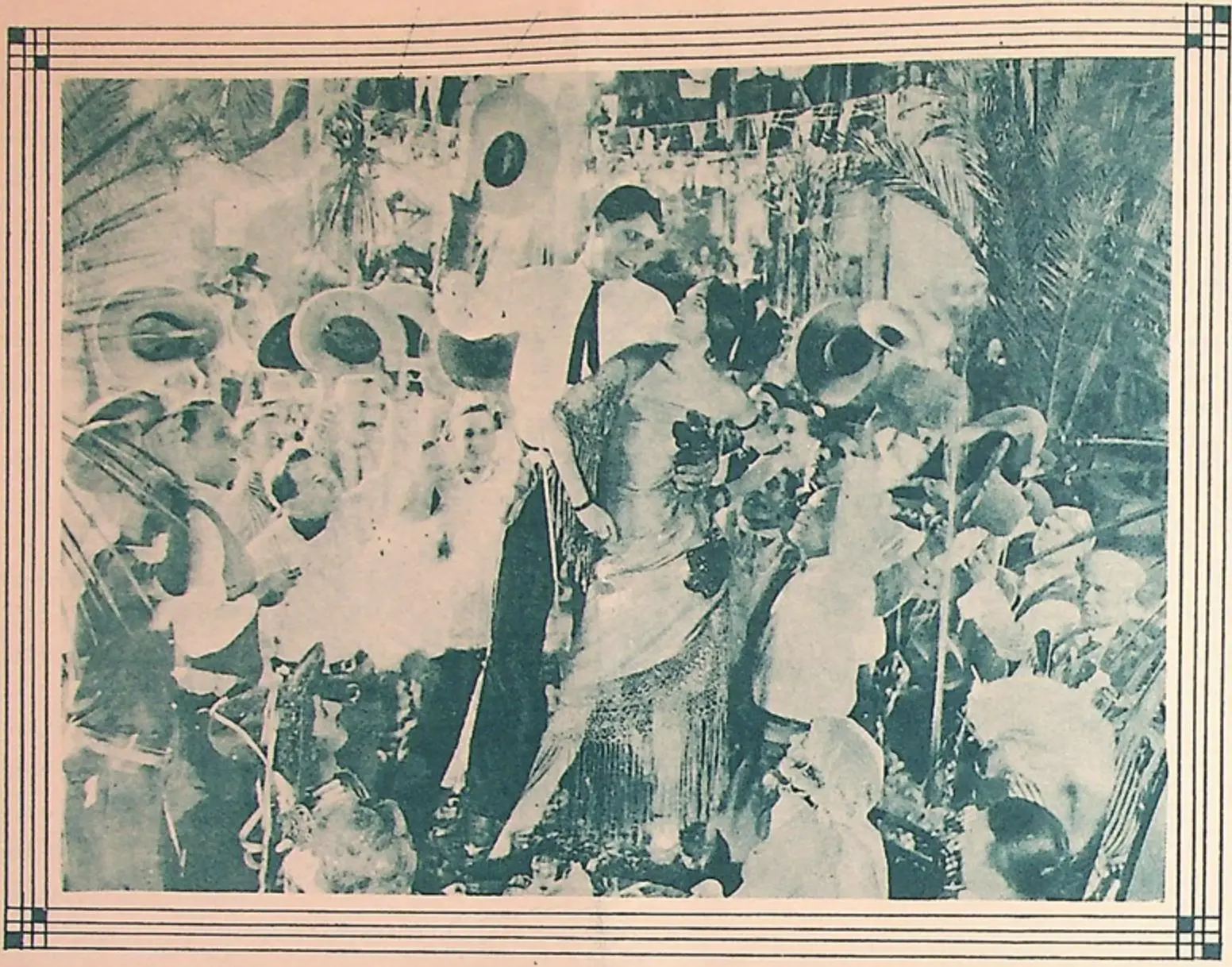
One particularly effective directorial choice is the staging of the revolver battle. Rather than a static exchange of gunfire, Gittens orchestrates a dynamic sequence involving movement, cover, and strategic positioning. The cowboys, with their distinctive hats and riding skills, maneuver across the landscape, creating a sense of genuine conflict and danger. This sequence, while lacking the explosive realism of later films, is remarkably well-choreographed for its time, demonstrating an early understanding of action pacing.
The contrast between the open-air chases and the claustrophobic cave fight is also notable. The cave sequence, with its confined spaces and reliance on close-quarters combat, provides a palpable sense of tension and immediacy. The limited light and tight framing amplify the desperation of the final confrontation between Jack and Latham, making it feel more personal and brutal. This shift in environment showcases a nascent understanding of how setting can influence tone and intensity.
While the camera work is largely functional, prioritizing clarity over artistic flourish, there are moments of effective framing that enhance the drama. Close-ups, though sparse, are used to capture key emotional reactions or to emphasize a crucial detail, such as the glint in a villain's eye or the determination on the hero's face. The editing, though perhaps rudimentary by modern standards, effectively maintains a brisk pace, cutting between action and reactions to keep the narrative flowing.
It’s worth noting the visual storytelling during the jailbreak scene. Jack's disguise as a peon is communicated not just by his attire but by his demeanor and the way he blends into the background, showcasing the power of visual cues in silent cinema. This attention to detail, however simple, is what makes these early films so compelling for historians studying the evolution of cinematic language. Compare this to the more adventurous but similarly visually driven narrative of Adventures of Tarzan, where the environment itself becomes a character.
The pacing of "Don Dare Devil" is, by and large, relentless. From the initial murder at the fiesta, the film barrels forward through a series of chases, confrontations, and escapes. There is little time for introspection or complex character development; the narrative's momentum is derived almost entirely from the rapid succession of action sequences. This unyielding pace is a hallmark of early adventure films, designed to keep audiences on the edge of their seats without the need for extensive dialogue or intricate subplots.
The film's tone is overtly melodramatic, a characteristic common to the silent era. The lines between good and evil are sharply drawn, with Jack Bannister embodying pure heroism and Bud Latham representing unadulterated villainy. There are no moral ambiguities, no shades of grey; the audience is meant to unequivocally root for the hero and despise the antagonist. This simplistic morality, while perhaps unsophisticated today, was incredibly effective in creating clear emotional stakes for the audience.
The film maintains a consistent tone of high adventure and peril. Every new development, every new obstacle, serves to heighten the sense of danger and urgency. The kidnapping of Ynez, for example, is presented with a dramatic flair that ensures the audience understands the gravity of her situation. This consistent emotional register, while sometimes feeling one-note to modern sensibilities, was crucial for engaging silent film audiences who relied on these clear signals.
One unconventional observation I have is how the film's almost cartoonish depiction of villains, particularly Berengo, inadvertently highlights the systemic corruption at play. It's not just one bad guy; it's a compromised system. This simplistic portrayal, rather than undermining the narrative, serves to make the stakes even clearer: Jack is fighting not just individuals, but a pervasive injustice. This resonates with similar themes found in other early Westerns like Hitchin' Posts, where individual heroism often confronts institutional failings.
The film's brevity, common for features of its time, contributes to its brisk pacing. There's no fat on the narrative; every scene serves to either advance the plot or provide an action spectacle. This economy of storytelling ensures that the audience's attention never wavers, making it a surprisingly engaging watch despite its age. The lack of dialogue also forces a focus on visual storytelling, making every action beat count.
Absolutely, but with a discerning eye and specific expectations. You should watch it if you have a genuine interest in film history, particularly the evolution of the Western genre and early action cinema. It's an invaluable artifact for understanding how cinematic storytelling developed before the advent of sound, showcasing the techniques and conventions that laid the groundwork for future generations of filmmakers.
For silent film enthusiasts, "Don Dare Devil" is a must-see. It exemplifies the raw energy and physical spectacle that defined the era, offering a pure, unadulterated dose of silent action. The performances, while broad, are indicative of the period's acting style, and watching them provides crucial context for appreciating the artistry of silent cinema.
However, if you're accustomed to the nuanced character development, complex plots, and high production values of contemporary cinema, this film might prove challenging. Its simplistic morality, reliance on physical action over psychological depth, and the inherent limitations of silent filmmaking could be off-putting. It’s not a film to casually put on for background entertainment.
My strong, perhaps debatable, opinion is that films like "Don Dare Devil" are more than just entertainment; they are living documents of cultural evolution. Ignoring them is akin to ignoring the foundations of a skyscraper while only appreciating its modern facade. They demand a different kind of engagement, one that prioritizes historical appreciation and an understanding of technological constraints over purely aesthetic pleasure.
It’s also an important film for anyone interested in the history of stunt work. Jack Hoxie and the Universal Ranch Riders perform feats that, even today, require considerable skill and bravery. Seeing these practical effects and genuine physical performances without the aid of CGI or elaborate wirework is a powerful reminder of cinema's roots in live spectacle.
Its unwavering commitment to relentless action and clear narrative drive keeps the audience engaged from start to finish. The physical performances, especially Jack Hoxie's, are genuinely impressive and form the backbone of its appeal.
Its lack of character depth and reliance on broad stereotypes for both heroes and villains can feel dated to modern viewers, and the technical limitations of the era are undeniably apparent.
You appreciate film history, have a fondness for early Westerns, or are fascinated by the unique acting styles and storytelling conventions of the silent film era.
"Don Dare Devil" is not just a film; it's a vibrant echo from the dawn of cinema, a spirited adventure that, despite its age, still pulsates with raw energy. While it demands a specific appreciation for the silent era's unique conventions and storytelling language, it richly rewards those who approach it with an open mind and a historian's curiosity. It's a foundational text for understanding the Western and the very mechanics of action filmmaking.
For its historical significance, its surprisingly effective stunt work, and its relentless pursuit of thrills, I wholeheartedly recommend "Don Dare Devil" to anyone serious about exploring the roots of cinematic spectacle. It's a valuable piece of the puzzle, revealing how the silent screen captivated audiences with nothing more than compelling visuals and the sheer force of human performance. It may not be a casual watch, but it is an undeniably enriching one.
IMDb —
1934
Community
Log in to comment.