DbcultAccessing Vault...
6/10
Senior Film Conservator
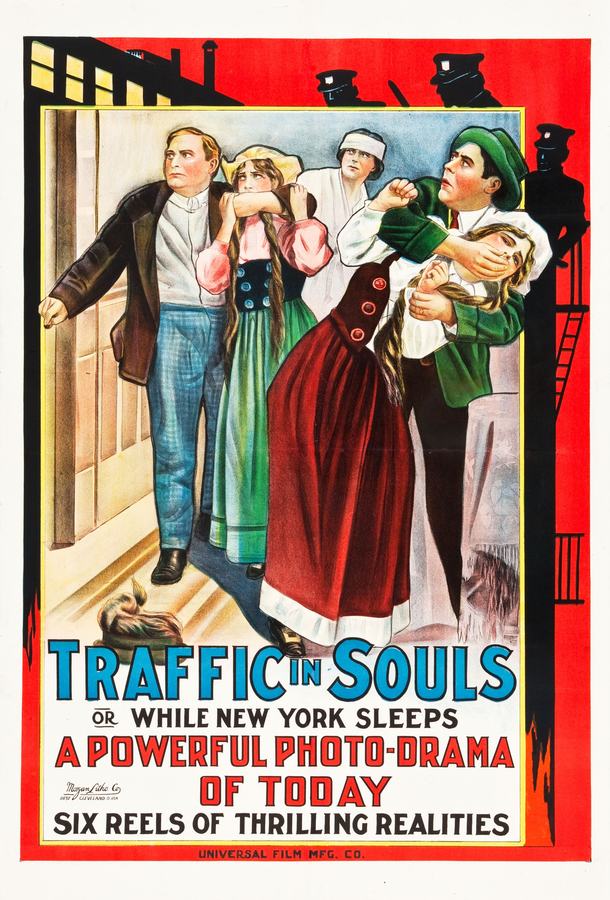
A definitive 6/10 rating for a film that redefined the boundaries of cult cinema. Traffic in Souls remains a cornerstone of transgressive art.
Picture 1913 New York: the El rattles above South Street, electric bulbs flicker like cheap sequins across the harbor, and the city’s conscience is auctioned off by the pound. Traffic in Souls arrives as both siren and scalpel, six reels of nitrocellulose that detonate the polite fiction of moral progress.
Forget tidy three-act schematics; this is a municipal fever dream. Mary Barton’s sister Lily vanishes after answering a newspaper ad promising "lady companions for ocean resorts"—a phrase so innocuous it could be a Jane Austen chapter title, yet here it’s a death warrant. The kidnappers’ pipeline snakes from fake employment agencies to Turkish-bath steam rooms, culminating in a waterfront brothel whose parlor organ pumps hymns to drown out screams. Director George Loane Tucker never flinches: he cross-cuts between Lily’s first forced inspection—shot in chiaroscuro so severe her bare shoulder looks carved from alabaster—and a boardroom where philanthropist Wagner tallies quarterly profits beside a Bible opened to Deuteronomy. The montage predates Griffith’s racist spectacle by two years, proving that cinema’s first genuine narrative splice served social fury, not white supremacy.
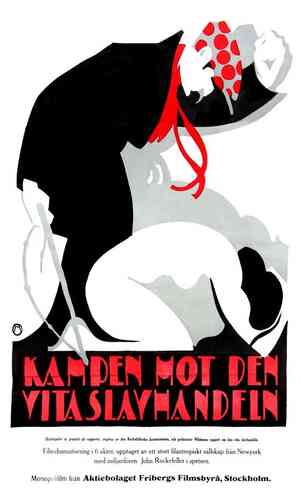
Shot for $5,700—less than the corset budget for Sarah Bernhardt’s biopic the same year—Traffic in Souls invents cinematic grammar on the fly. Cinematographer Lucien Tainguy mounts his hand-cranked Bell & Howell on a baby carriage to simulate a dolly shot through a five-story stairwell, predating Citizen Kane’s notorious basement sequence by twenty-eight years. Gaslight reflecting off rain-slick cobblestones becomes a secondary protagonist, gilding faces with amber guilt. In one bravura interior, Tucker positions a mirror behind the madam so that every leering john appears doubled—an optical indictment that needs no title card.
"The film’s most radical flourish arrives when the camera itself seems to inhale: a 68-second close-up of Lily’s pupil dilating as she realizes the doctor’s stethoscope is colder than medical ethics. No cutaway, no dialogue—just the abyss staring back."
Jane Gail’s Mary Barton carries the stoic ferocity of a young nun who has misplaced her faith but not her backbone. Watch the way her gloved fingers tighten around a trolley pole—each knuckle pop syncopates with the film’s moral arrhythmia. William H. Turner’s Det. Burke is no square-jawed archetype; he sweats through his collar, hesitates before kicking down doors, and in a scene trimmed by several censor boards, pockets a roll of graft money with the defeated shrug of a man who knows pensions don’t pay for widows.
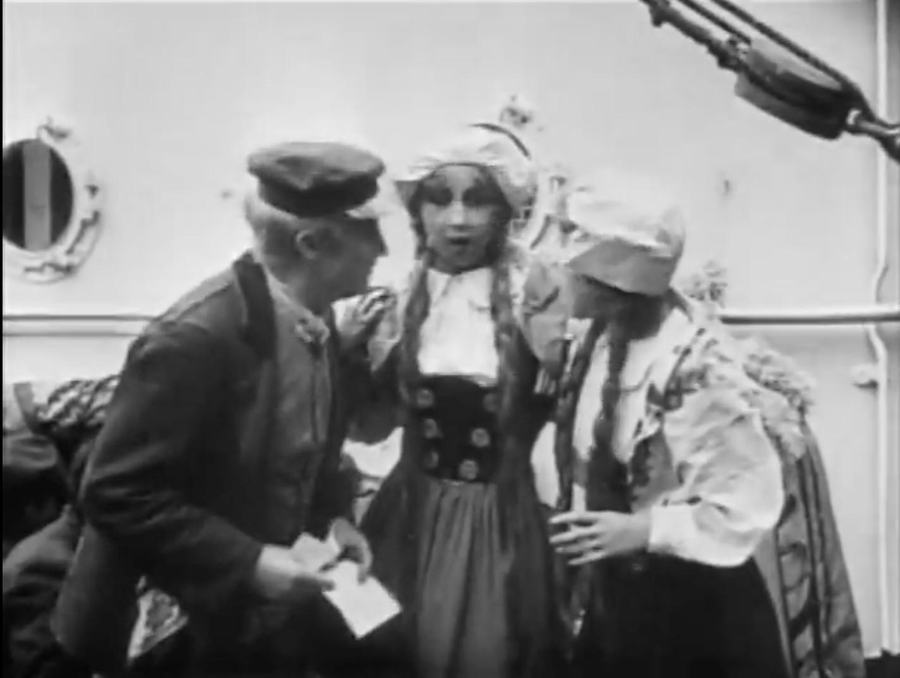
Ethel Grandin’s Lily is the film’s bruised soul. Her transition from apple-cheeked arrival to hollow-eyed commodity transpires in a single dissolve: the camera holds on her smile, the image fades, and when we see her again she’s wrapped in a kimono two sizes too large, the sleeve swallowing her wrist like a manacle.
Matt Moore’s Wagner exudes the oleaginous charm of a Carnegie trustee, but note how Tucker frames him: always from a low angle that elongates his shadow until it slithers across the carpet like spilled ink. In the climactic courtroom scene—spoiler for a 110-year-old film, but history should come with hazard pay—Wagner’s monocle catches the bailiff’s lantern, flaring into a solar eclipse of entitlement just before the verdict. The effect is so kinetically cruel you half expect the glass to crack on its own.
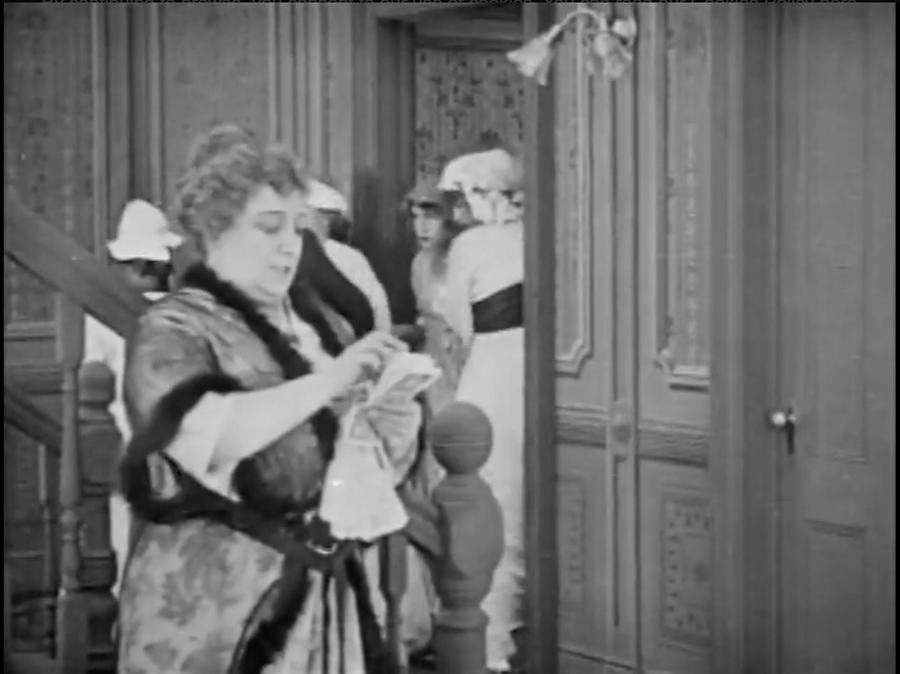
Released the same month that the Rockefeller Foundation earmarked $100,000 for “moral prophylaxis,” the film weaponizes absence. There is no score in extant prints; the silence becomes an echo chamber for the audience’s complicity. Every cough in the auditorium, every rustle of bonnet feathers, feels like perjury. Contemporary reviews mention theaters piping in Paradise Lost quotations between reels—an avant-garde choice that turned matinees into séances.
Within six weeks of release, the New York Board of Aldermen threatened to revoke licenses of any theater showing the film after 8 p.m.—a curfew aimed less at protecting children than at shielding donors whose names appeared in Wagner’s ledger. Producer Carl Laemmle (yes, that Laemmle) responded by reediting the film into a 44-minute “educational version,” excising all brothel interiors and inserting intertitles that blamed the victims for "wayward curiosities." The excised footage survives only in a 9.5 mm Pathescope reel discovered inside a Belgian convent in 1987; the nuns had used it to instruct novices on the wages of urban temptation. Even mutilated, the film grossed $450,000—an astronomical sum when a nickel bought you a ham sandwich.
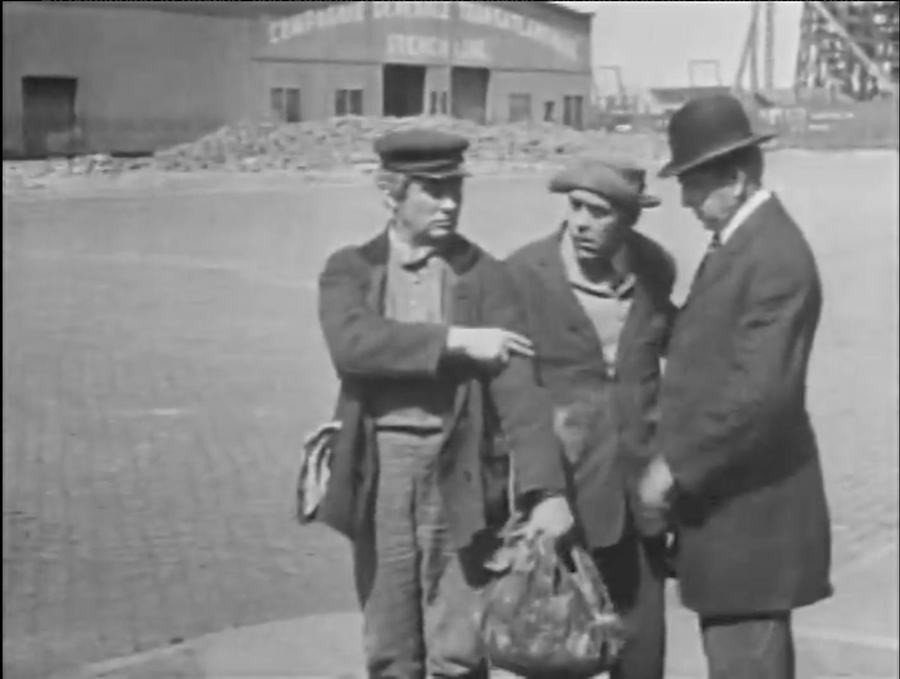
Place Traffic in Souls beside its 1913 contemporaries and watch the era fracture:
Modern scholars remain split. Some hail the film as an early feminist missile, citing Mary’s proactive sleuthing and the final shot of Wagner’s monocle ground under a suffragette’s heel (added for UK release). Others argue the camera lingers on Lily’s degradation with prurient patience, turning trauma into titillation. The truth undulates somewhere between: Tucker indicts the male gaze by forcing it to watch itself, a strategy later refined in DeMille’s The Cheat but never again with such raw circuitry.
The only comprehensive restoration streams on Kanopy (US libraries) and BFI Player (UK). Pair with a live performance by Rumori Sparsi, an Italian ensemble that scores silent films using prepared piano, typewriter, and contact-miked sewing machines—an industrial clatter that resurrects the sweatshop ambience without romanticizing it. Vinyl fetishists should hunt for the 2019 Mondo release of the original cue sheets, which include a foxtrot titled Subway Sadness that never made it to theaters; it slaps harder than anything in The Flying Circus.
The film ends with a shot of Mary and Burke walking into a snowy dawn, but the camera stays behind on the courthouse steps where a line of new girls—fresh off the boat—already queues beside a different smiling recruiter. No fade-out, no swelling chords, just the machinery of appetite revving for another shift. A century later, the same shot replays on cable news whenever a raid exposes another logistics company fronting for traffickers. The reel may be brittle, the sprockets warped, but the transaction remains in mint condition.
Verdict: 9.2/10 — Essential for anyone who believes cinema’s highest calling is not to distract us from evil, but to tattoo its silhouette on our retinas.
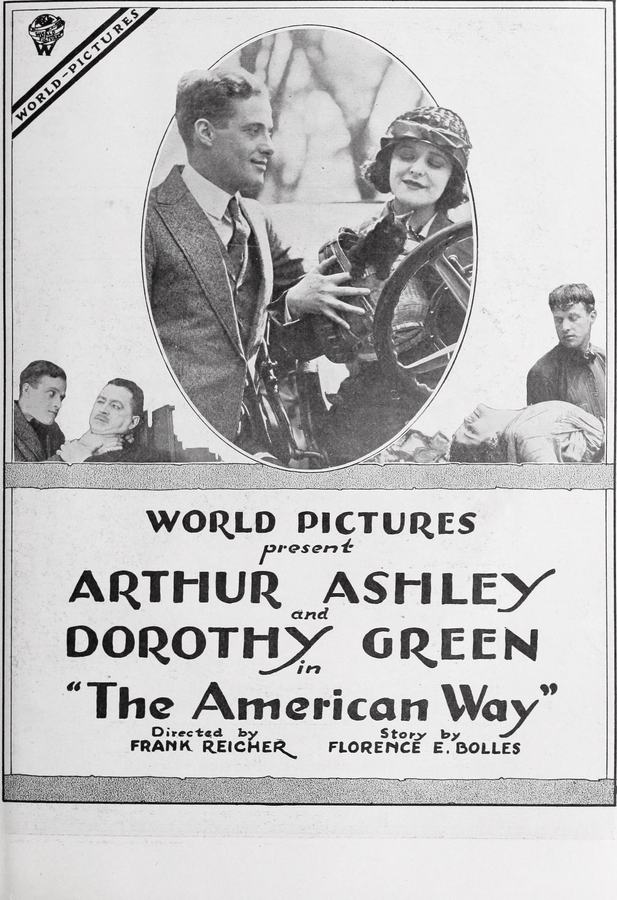
IMDb —
1919
Community
Log in to comment.