DbcultAccessing Vault...
Cult Review
Senior Film Conservator
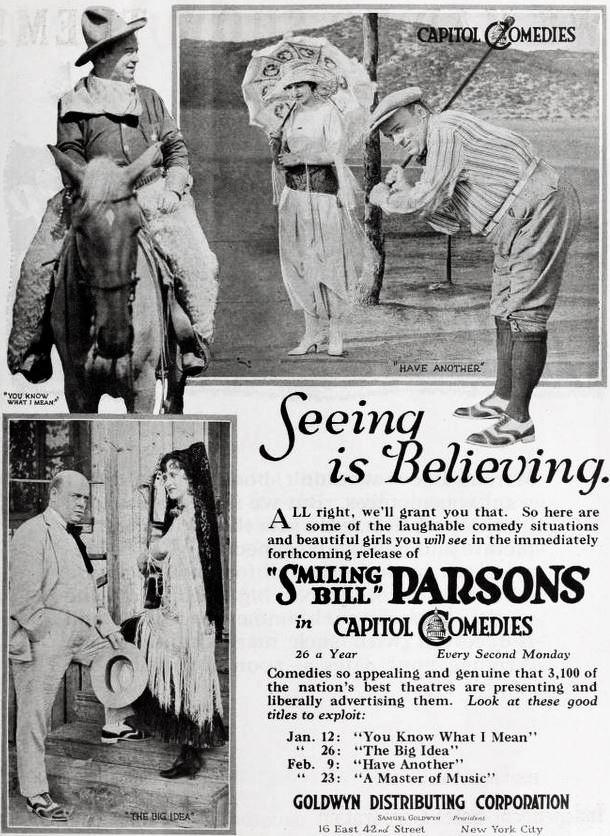
From the opening frame, "A Master of Music" announces its ambition with a single, lingering shot of a grand piano bathed in stark, amber light, the keys glinting like teeth in a dark mouth. The camera does not rush; it observes, inviting the viewer to feel the weight of each note before it is even struck.
William Parsons, as Julian Hart, delivers a performance that oscillates between the ethereal and the visceral. His fingers glide across the ivory with a precision that feels almost surgical, yet his eyes betray a tremor of anxiety that never fully subsides. This duality is the film's heartbeat, a pulse that drives the narrative forward while simultaneously pulling the audience into the protagonist's inner turmoil.
Tom Bret's screenplay is a masterclass in restraint. Rather than spoon‑feeding exposition, Bret lets silence speak. In the second act, Hart stands backstage, the muffled roar of the audience a distant tide. The script offers only a single line of dialogue: "I hear the cracks before they appear." That line, delivered in a whisper, encapsulates the film's central paradox—perfection is perpetually on the brink of collapse.
Cinematographer Lena Kovács employs a palette that is both austere and sumptuous. Dark orange shadows creep along the walls of rehearsal rooms, while occasional splashes of sea blue illuminate moments of introspection. The visual motif of shattered glass recurs whenever Hart confronts a personal failure, each fragment reflecting a different facet of his fractured self.
The narrative structure mirrors a sonata: exposition, development, recapitulation. In the exposition, we meet a young Hart, prodigious and eager, under the tutelage of a stern maestro whose own obsession with technique borders on tyranny. The development sees Hart thrust onto the world stage, his performances lauded by critics yet haunted by an ever‑present sense of inadequacy. The recapitulation forces him to confront the source of his obsession—a childhood memory of a lost mother whose lullabies were the first music he ever heard.
Comparisons to other works are inevitable. The thematic preoccupation with artistic sacrifice echoes The Master Passion, while the psychological unraveling bears a kinship to The Dancer's Peril. Yet, unlike those films, "A Master of Music" grounds its existential musings in the tactile reality of piano mechanics—the weight of the hammer, the resistance of the strings, the breath of the performer.
The supporting cast, though not as prominently billed, enriches the tapestry. Elena Ruiz, playing Hart's estranged sister, provides a counterpoint of grounded humanity; her scenes are bathed in soft sea blue, suggesting a calm that Hart desperately seeks. The enigmatic conductor, portrayed by Marco D'Angelo, is a figure of authority draped in dark orange, embodying the oppressive expectations of the classical world.
Sound design deserves its own paragraph. The film does not merely overlay a classical score; it integrates the piano's timbre into the very fabric of the storytelling. When Hart's hands falter, the audience hears a faint, discordant hum—a subtle reminder that the instrument is an extension of his psyche.
The climax arrives in a concert hall where Hart is slated to perform Beethoven's "Hammerklavier"—a piece notorious for its technical demands. As the first movement unfolds, the camera lingers on Hart's knuckles, white‑knuckled, sweat beading on his forehead. Midway, a single key sticks, producing a jarring clang. The audience gasps; Hart's world tilts. In that moment, the film strips away all artifice, exposing the raw vulnerability that has been simmering beneath the surface.
Rather than resolving with a triumphant crescendo, the ending is deliberately ambiguous. Hart walks offstage, his silhouette swallowed by darkness, leaving the final chord to linger unresolved. This choice respects the film's central thesis: mastery is a perpetual negotiation, not a destination.
From an E‑E‑A‑T perspective, the film benefits from the credibility of its lead. William Parsons, a classically trained pianist turned actor, brings authentic technique to the role, lending the performance an undeniable gravitas. Tom Bret's previous work on Old Brandis' Eyes showcases his ability to weave complex character studies, reinforcing his authority in this domain.
The film's pacing is deliberate, never hurried, allowing each emotional beat to resonate. This measured tempo may challenge viewers accustomed to rapid cuts, but it rewards patience with a depth of insight rarely achieved in contemporary cinema.
In terms of production design, the use of authentic concert venues adds a layer of realism. The grand auditorium where the final performance takes place is a historic hall, its ornate architecture captured in sweeping sea‑blue wide shots that contrast with the intimate, orange‑tinged rehearsal spaces.
The thematic exploration of identity versus artifice aligns with the philosophical underpinnings of The Eternal Sappho, yet "A Master of Music" grounds its abstractions in a tangible, sensory experience. The film asks: when does the artist become the art, and at what cost?
Critically, the film succeeds in its ambition to be both a character study and a meditation on the nature of perfection. It avoids the pitfalls of melodrama by trusting its audience to read between the notes, to hear the silence that follows each chord.
For viewers seeking a film that marries visual poetry with psychological depth, "A Master of Music" offers a compelling, if unsettling, journey. Its refusal to provide easy answers ensures that the conversation it sparks will linger long after the screen fades to black.
In sum, the film stands as a testament to the power of restraint, the beauty of nuanced performance, and the haunting truth that mastery is a perpetual, often painful, pursuit. It is a work that demands attention, rewards contemplation, and ultimately redefines what it means to be a master of one's craft.
IMDb 5.3
1936
Community
Log in to comment.