DbcultAccessing Vault...
6.6/10
Senior Film Conservator
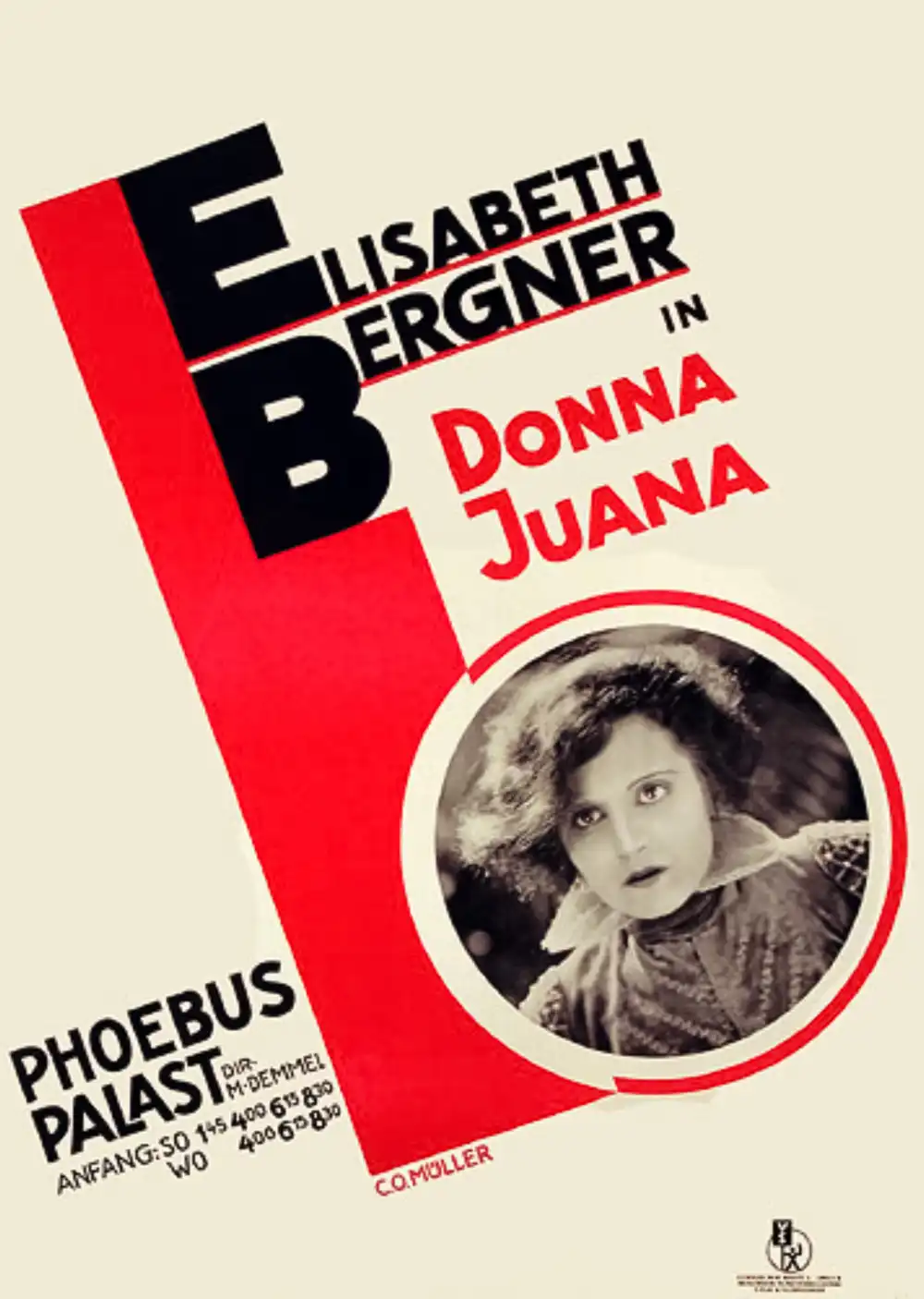
A definitive 6.6/10 rating for a film that redefined the boundaries of cult cinema. Doña Juana remains a cornerstone of transgressive art.
Alright, so Doña Juana. This isn't one for the casual Netflix scroller, that's for sure. If you’re deeply into silent German cinema, or just have a real soft spot for Elisabeth Bergner, then yeah, there’s something here for you. You’ll appreciate its ambition, even when it stumbles. But if you’re looking for a breezy watch, or anything resembling modern pacing, you’re probably going to find it a bit of a slog. It asks a lot from its audience, and not always in a rewarding way.
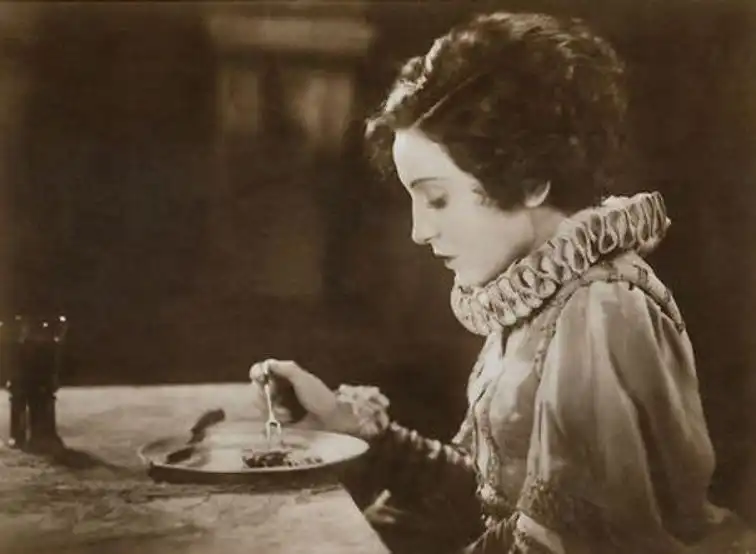
The premise is wild, even today: a Spanish nobleman, just absolutely *obsessed* with having a son, decides to simply raise his daughter, Juana, as a boy. It's less about gender identity as we understand it now and more about a father's stubborn denial, which makes for some fascinating internal conflict once Juana grows up. Elisabeth Bergner, who’s just magnetic, plays Juana. And she carries the whole thing.
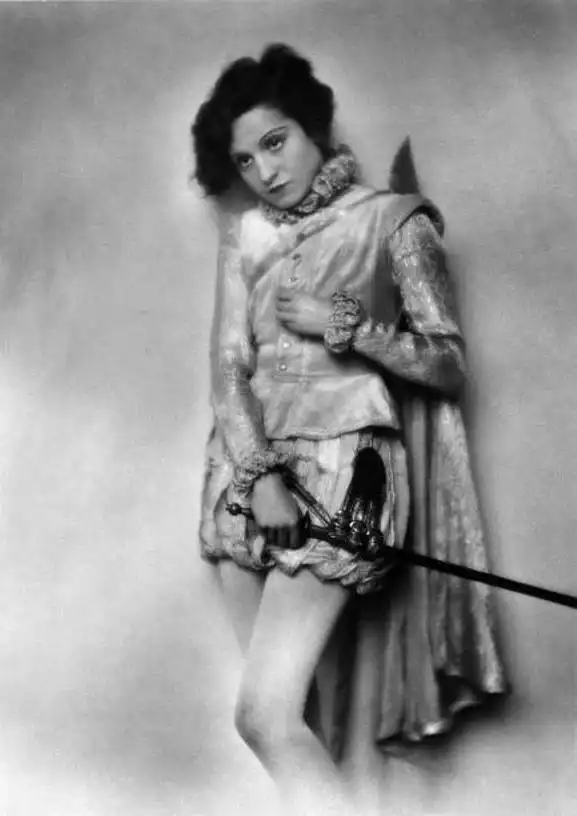
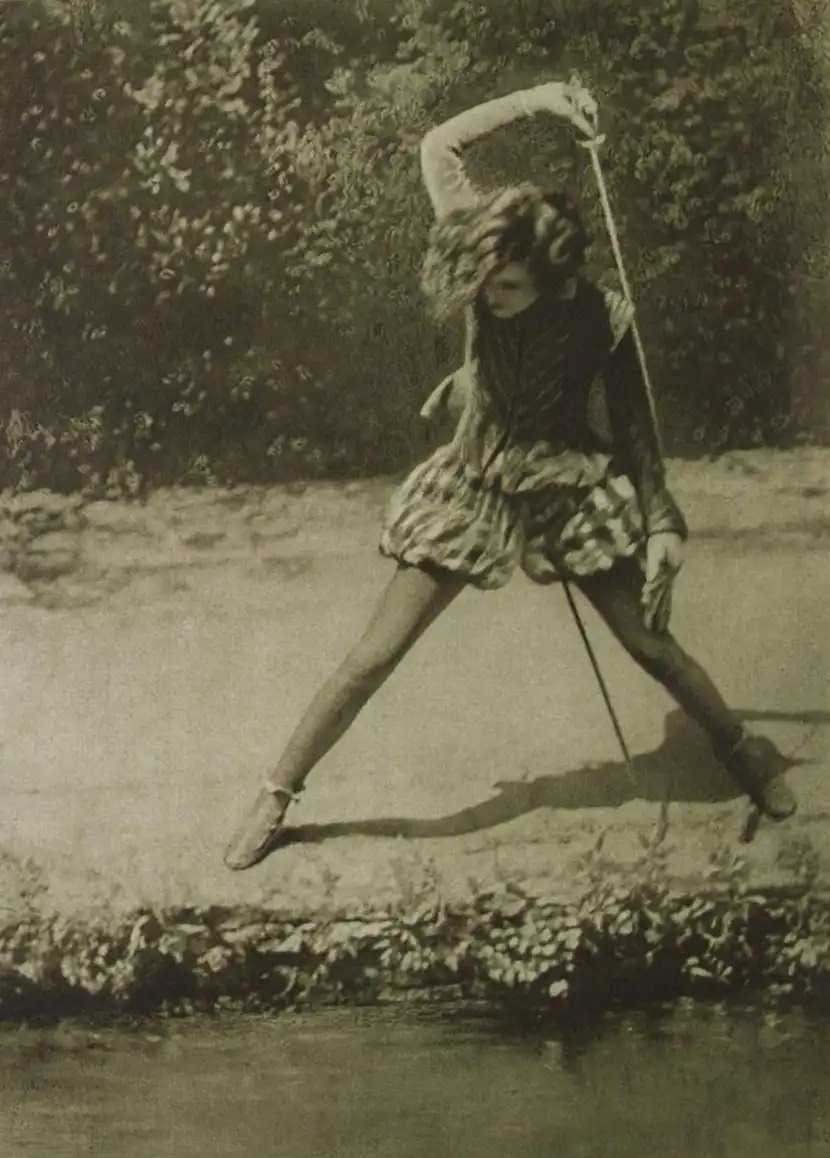
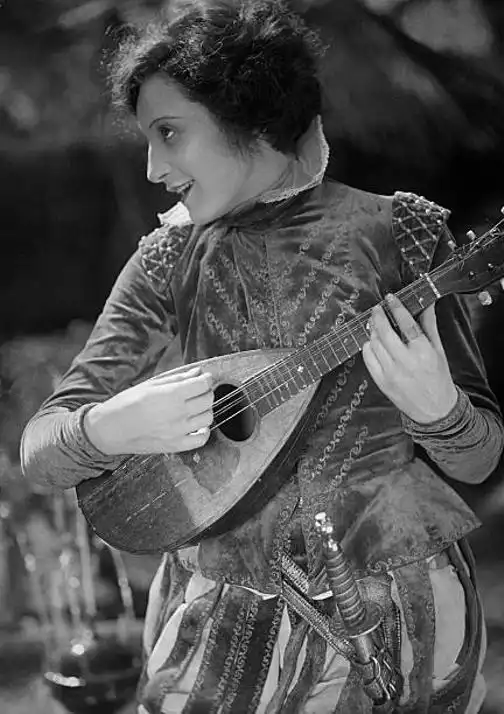
Her performance is really the anchor here. As a child, you see her in these breeches, learning to fence, and there’s this genuine mischievous spark. But as an adult, that spark is tempered by a deep, almost melancholic confusion. She moves with a strange mix of masculine confidence and a very visible, feminine vulnerability. Sometimes it feels a little too theatrical, but then there are these moments where it just clicks, and you really feel the weight of her predicament. Like a scene where she’s forced to wear a dress after years in trousers; it hangs on her, almost like an ill-fitting costume rather than clothing. It’s a small thing, but it really tells you everything.
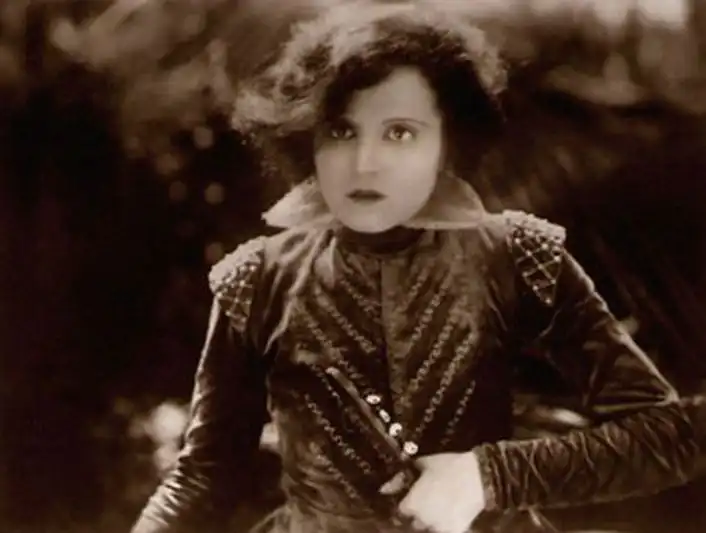
The film’s pacing is… well, it’s a silent film from 1928. You expect it to be slower. But even by those standards, Doña Juana has its moments where it just *drags*. There’s a particular sequence in the middle, involving a masked ball and a lot of confused glances, that feels like it goes on for an eternity. Characters just stare at each other, and while the intertitles try to tell you they’re conveying deep emotional turmoil, you just want someone to do something. Anything. It starts to feel less like dramatic tension and more like the director forgot to yell "cut."
And speaking of intertitles, they're a mixed bag. Sometimes they're sparse, letting Bergner's expressive face do the work. Other times, they feel a bit heavy-handed, spelling out emotions that are already perfectly clear. It’s like the film doesn’t quite trust its own visual storytelling, which is a shame because Bergner is more than capable of conveying complex feelings without a word.
Hubert von Meyerinck plays one of Juana's suitors, and he’s so utterly earnest. His character’s slow dawning realization about Juana’s true nature is almost painful to watch, mainly because he’s just so genuinely smitten. It’s a good counterpoint to Bergner’s internal struggle, even if his wide-eyed innocence sometimes tips into caricature.
And then there’s Max Schreck. Yes, *that* Max Schreck. He pops up as some sort of stern advisor or family retainer – it’s not entirely clear, but he’s just *there*. He doesn't have many lines, or rather, intertitles, but his presence is always so unsettling. He mostly just glowers from the background, observing, and you keep expecting him to do something sinister. He never really does, but the expectation alone adds this weird, low-level hum of anxiety to any scene he’s in. It’s a strange little touch that only someone like Schreck could pull off.
One specific shot really stuck with me: Bergner, in one of her more despondent moments, standing at a window, her back to the camera, looking out at nothing. It’s a simple composition, but it just perfectly captures her isolation and the weight of her secret. It’s a moment that needs no explanation, no intertitle. Just pure visual storytelling, and it works.
The film’s exploration of gender roles feels both progressive for its time and, at times, a bit clunky. The whole "secret identity" thing, where people are constantly shocked by what seems pretty obvious to the audience, requires a certain suspension of disbelief that modern viewers might struggle with. But you have to give it credit for even attempting to tackle such a complicated identity. You feel the constant pressure on Juana to conform, to be what her father wants, then what society expects. It’s a heavy burden, and Bergner conveys it well.
The ending feels a little rushed, like they suddenly realized they had to tie everything up. After all the lingering shots and drawn-out emotional beats, the resolution arrives a bit too quickly, and it doesn't quite feel earned. It leaves you with a slightly unfinished feeling, like the film itself wasn't entirely sure how to resolve Juana's unique circumstances.
Overall, Doña Juana is a fascinating, if sometimes frustrating, artifact. It’s not The Crisis, or some lost masterpiece, but it’s a compelling look at how early cinema grappled with complex characters and social expectations. It’s worth a watch if you’re patient and willing to forgive its period quirks, primarily for Bergner’s performance and the sheer ambition of its premise.
IMDb 6.5
1931
Community
Log in to comment.