DbcultAccessing Vault...
Cult Review
Senior Film Conservator
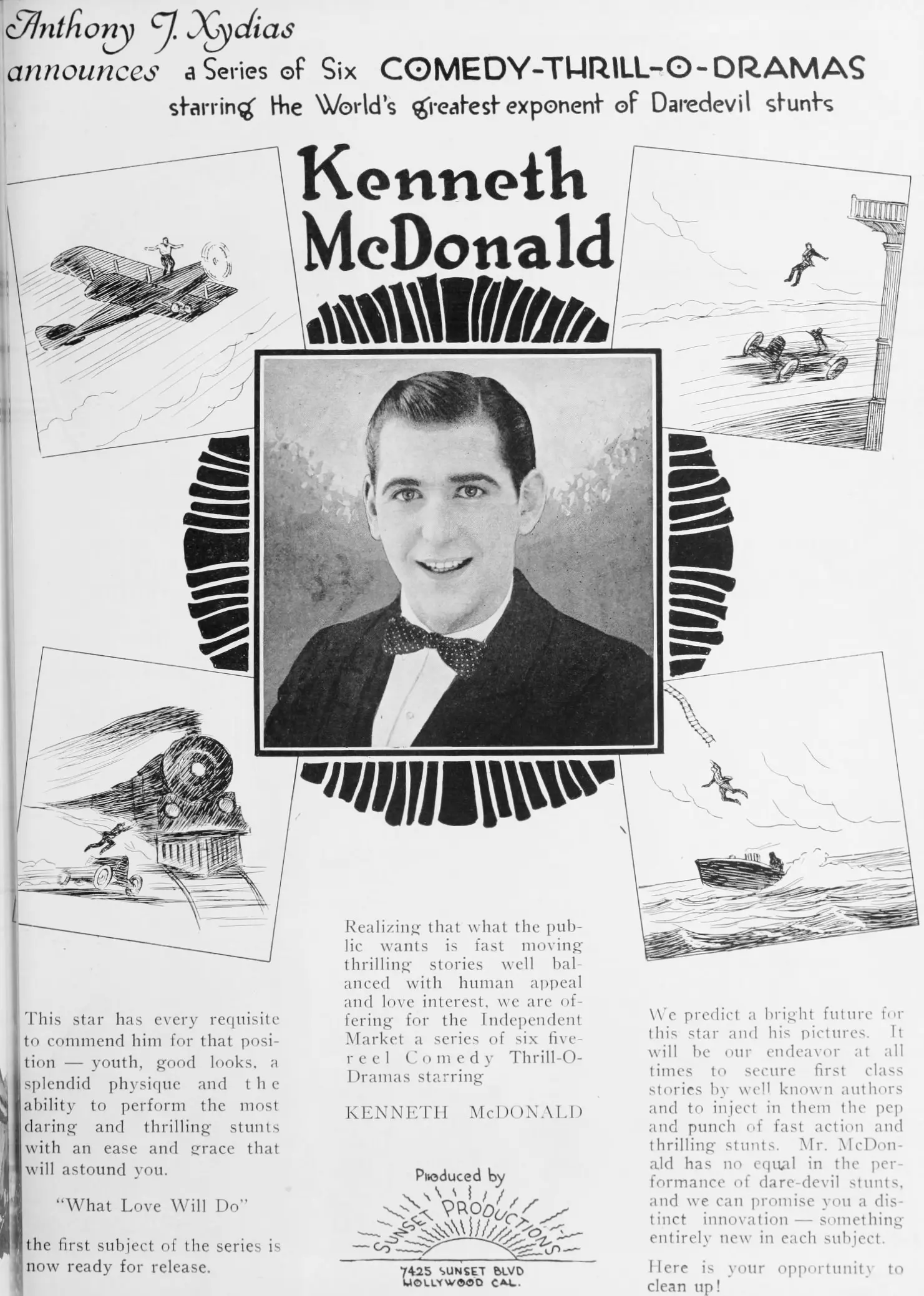
The year 1924 stood as a pivotal meridian in the silent film era, a period where the grammar of visual storytelling had reached a sophisticated maturity. Amidst this cinematic flowering, After a Million emerged not merely as a flick of transient amusement, but as a frantic, breathless exploration of the American dream colliding with European aristocratic decay. Directed with a keen eye for rhythmic pacing, the film utilizes the 'race against time' trope with a vigor that feels remarkably modern, even when viewed through the sepia-toned lens of a century's distance.
At the heart of this production’s vitality is the inclusion of Otto and Victor Metzetti. For the uninitiated, the Metzettis brought a level of gymnastic precision to the screen that predates the choreographed chaos of modern action stars. Their presence elevates the film from a standard drawing-room comedy into a physical odyssey. While films like From Gutter to Footlights toyed with social mobility, After a Million weaponizes movement itself. The stunts are not merely ornamental; they are the narrative engine. Every leap over a bureaucratic hurdle and every dash through the teeming city streets serves to externalize the internal pressure of the protagonists.
The American protagonist’s journey to the bank is a masterclass in silent era stunt-craft. Unlike the more somber adaptations of the period, such as the 1922 version of Oliver Twist, which focused on the atmospheric weight of poverty, After a Million focuses on the frantic energy of opportunity. The bank is not just a building; it is a secular cathedral of fortune, and the path to its doors is paved with the delightful obstacles of urban life.
Ruth Dwyer delivers a performance that balances the regal poise of an exiled countess with the burgeoning agency of a woman taking control of her destiny. The plot device of a 'forced marriage for money' was a staple of the era—seen in various iterations in films like Kærlighedsspekulanten—but Dwyer infuses her role with a particular brand of resilient charm. She isn't a passive prize to be won; she is a strategic player in a high-stakes game of survival.
The cultural friction between the Russian aristocracy and American pragmatism provides a rich subtext. Where Brigadier Gerard might lean into the romanticism of the past, After a Million looks squarely at the financial realities of the present. The Countess’s need for an American husband is a sharp commentary on the shifting global power dynamics of the 1920s, where European titles were increasingly being traded for American capital.
The cinematography in After a Million, while perhaps not as experimental as the avant-garde movements in Europe during the same year, is exceptionally effective in its use of space. The director uses deep focus to keep the looming presence of clocks and calendars always within the frame, creating a sense of inescapable pressure. This thematic obsession with time mirrors the anxieties of a society transitioning into a more rigid, industrial schedule. We see echoes of this temporal dread in Passing Night, though here it is played for thrills rather than existential melancholy.
The film’s editing is particularly noteworthy. The cross-cutting between the Countess’s search for a groom and the American’s race to the bank creates a dual-track suspense that keeps the audience in a state of perpetual engagement. It lacks the pastoral stillness of The Girl I Loved, opting instead for a metropolitan vibrance that feels almost caffeinated.
When examining After a Million alongside its contemporaries, one begins to see its unique placement in the silent canon. While Tess of the D'Urbervilles (1924) explored the crushing weight of social morality and fate, After a Million suggests that fate can be outrun if one is fast enough and clever enough. It is a more optimistic, perhaps quintessentially American, perspective on the individual’s ability to navigate the 'chains of the past'—a theme explored more somberly in Chains of the Past.
Furthermore, the film avoids the supernatural escapism of The Ouija Board or the moralistic posturing of Idolators. Instead, it grounds its stakes in the tangible: the bank, the marriage license, the cold hard cash. This groundedness makes the comedy more relatable. We might not all be Russian countesses, but we all understand the panic of a deadline. The film shares a certain DNA with The Clean-Up in its depiction of financial stakes driving character action, though it executes this with far more acrobatic flair.
The 'inheritance race' would go on to become a staple of cinema, but After a Million remains one of its most pure and unadulterated examples. It doesn't get bogged down in the sentimentalism often found in The Good Provider, nor does it possess the satirical bite of The Fotygraft Gallery. It is a film of pure motion. The screenplay by Jay Inman Kane is tight, eschewing unnecessary subplots to focus on the dual trajectories of its leads.
In the final act, when the various obstacles reach a crescendo, the film demonstrates why the silent era was so unique. Without the crutch of dialogue, the tension is built through facial expressions, frantic gestures, and the rhythmic pulse of the editing. The resolution, while predictable in its genre-conforming happy ending, feels earned because of the sheer physical exertion displayed by the cast. It’s a reminder that before cinema was a medium of talk, it was a medium of movement.
In conclusion, After a Million is a dazzling artifact of 1920s filmmaking. It captures a world in transition, where the elegance of Silk Stockings meets the rugged determination of a pioneer spirit. Whether you are a scholar of silent film or a casual viewer looking for a vintage thrill, this film offers a fascinating glimpse into the kinetic heart of early Hollywood. It avoids the saccharine pitfalls of Rose o' Paradise, opting instead for a gritty, fast-paced charm that still resonates. It is a million-dollar experience that reminds us why we fell in love with the silver screen in the first place.
IMDb 6.9
1934
Community
Log in to comment.