DbcultAccessing Vault...
Cult Review
Senior Film Conservator
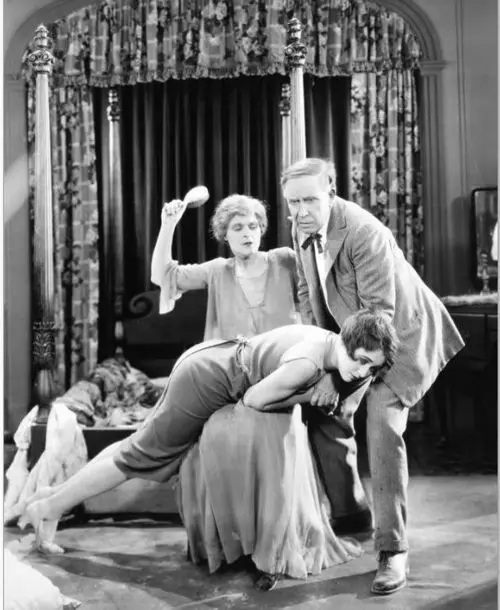
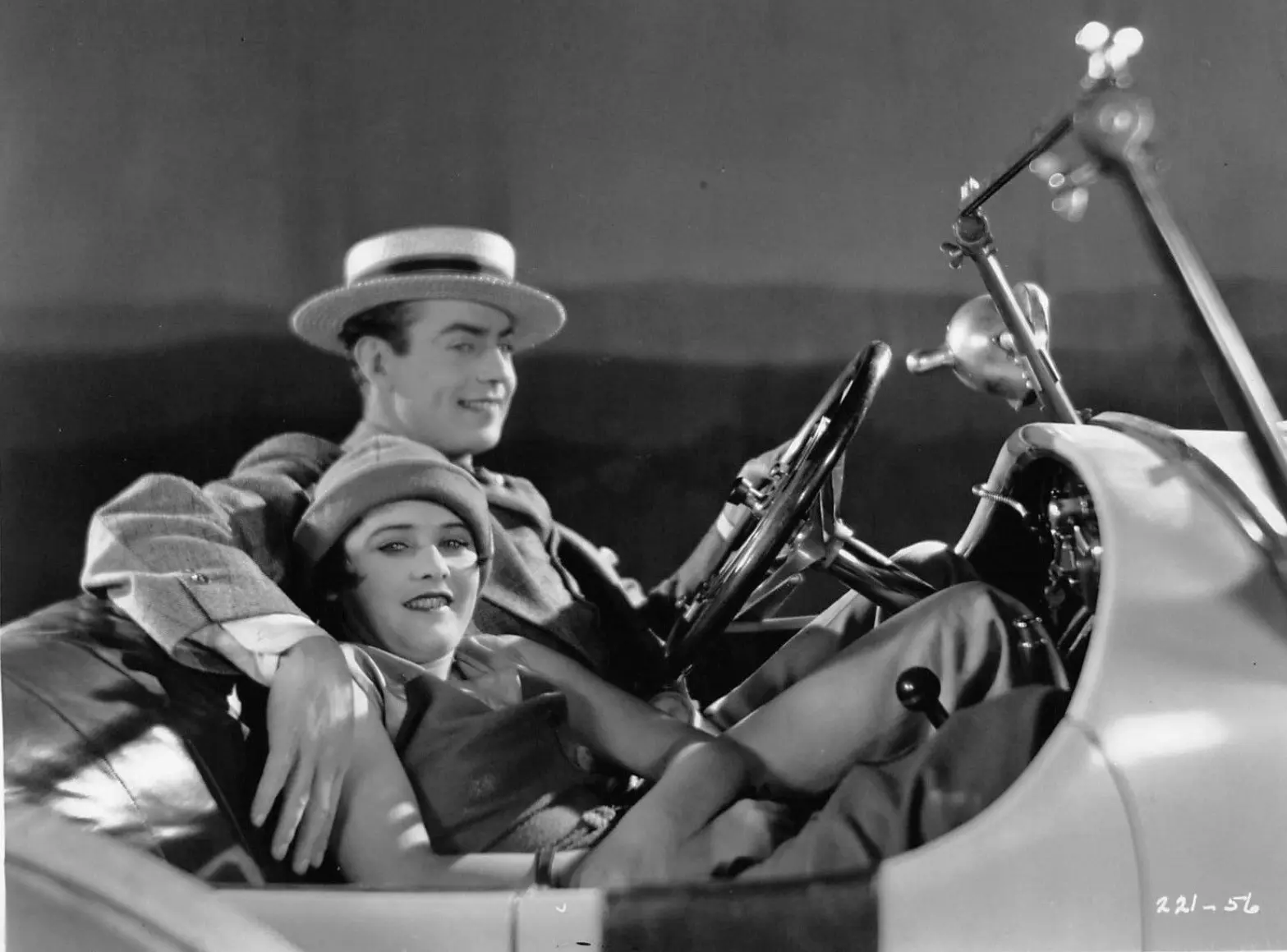
The cinematography in 'Don’t' is a masterpiece, capturing the essence of a schoolgirl’s rebellion against societal norms. Directed by Agnes Christine Johnston and Rupert Hughes, the film masterfully contrasts the vibrant, colorful world of Gilbert Jenkins with the somber, constrained environment of the Moffat household. The use of color, particularly the dark orange (#C2410C) and sea blue (#0E7490), serves not just as a backdrop but as a thematic device, symbolizing the conflicting emotions of freedom and constraint.
Estelle Clark delivers a nuanced performance as Tracey Moffat, a character whose spirit is both bound and yearning. Her interactions with Ethel Wales, playing Mrs. Moffat, are particularly poignant, showcasing the generational divide and the struggle between traditional values and the desire for personal fulfillment. The chemistry between Estelle Clark and Johnny Fox, portraying Gilbert Jenkins, is palpable, making their on-screen relationship feel authentic and relatable.
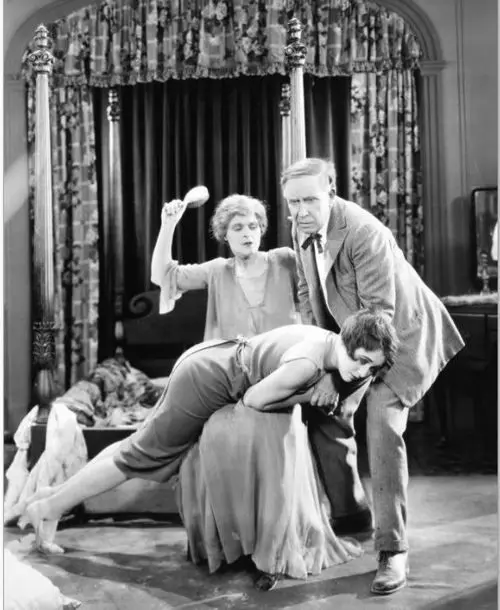
The plot of 'Don’t' is a delicate dance between rebellion and compromise. Tracey’s decision to stay with Gilbert, despite her parents’ initial disapproval, highlights the complex interplay of familial love and personal autonomy. The film does not shy away from the emotional weight of Tracey’s choices, nor the repercussions they have on her family. This thematic depth is further enriched by the supporting cast, with each character contributing to the rich tapestry of the narrative.
The narrative structure of 'Don’t' is intricately woven, balancing past and present through a series of flashbacks and present-day scenes. This technique not only adds layers to the story but also invites the audience to ponder the impact of decisions made in the past. The film’s pacing is commendable, maintaining a steady rhythm that keeps the viewer engaged without overwhelming them with too much information at once.
Comparatively, 'Don’t' shares thematic similarities with 'Sweetie' (2022), another film that delves into the struggles of young women asserting their independence in a patriarchal society. Both films explore the tension between societal expectations and individual desires, albeit with different outcomes.
The visual style of 'Don’t' is another highlight, with its use of symbolism and metaphor. For instance, the recurring motif of the flapper dress symbolizes Tracey’s desire for liberation and the constraints of her traditional upbringing. The film’s attention to detail, from the costumes to the set design, contributes to an immersive viewing experience.
Overall, 'Don’t' is a compelling drama that successfully balances elements of rebellion and romance. It offers a nuanced exploration of personal freedom and the complexities of familial relationships. While it may not be a groundbreaking film in terms of its narrative structure, the way it handles its themes and the performances of its cast make it a worthwhile watch for those interested in films that delve into the human condition.
For more discussion on the themes and plot of 'Don’t', and to explore other films that share similar narratives, visit our review section. You can also check out 'Just a Good Guy' (2022) or 'King Solomon’s Mines' (2022) for further insights into the world of drama and romance.
IMDb 6.6
1929
Community
Log in to comment.