DbcultAccessing Vault...
6.8/10
Senior Film Conservator
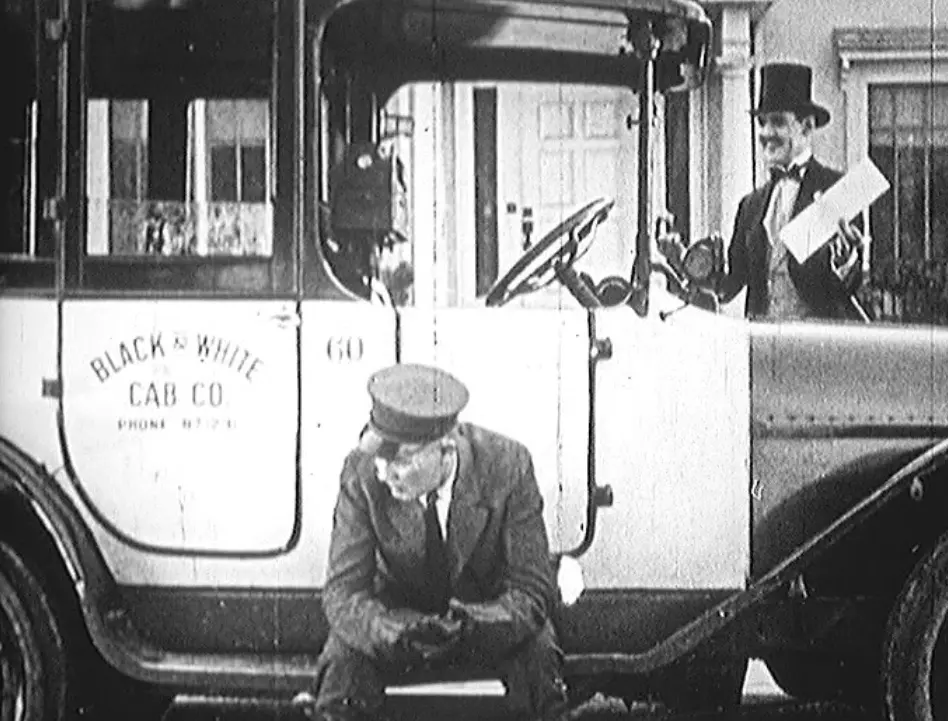
A definitive 6.8/10 rating for a film that redefined the boundaries of cult cinema. Don't Forget remains a cornerstone of transgressive art.
Stepping back into the golden age of silent cinema, one encounters "Don't Forget", a delightful comedic gem from 1923 that, despite its venerable age, still possesses an undeniable charm and a surprising relevance to the human condition. This cinematic confection, starring the effervescent Chris Lynton as the perpetually bewildered Jimmy Jump, is a masterclass in physical comedy and situational irony, weaving a narrative tapestry around the most relatable of human foibles: forgetfulness. It’s a film that doesn't just entertain; it invites us to ponder the delicate dance between memory and identity, albeit through a prism of uproarious mishaps.
The premise is deceptively simple, yet its execution is anything but. We are introduced to Jimmy, a man whose mind seems to operate on a different temporal plane, where crucial details evaporate with the speed of morning mist. His chronic absentmindedness isn't a mere character quirk; it's the very engine of the plot, propelling him from one comedic catastrophe to the next. The film’s genius lies in its decision to place this walking embodiment of distraction at the epicenter of one of life's most meticulously planned and emotionally charged events: his own wedding day. The stakes are inherently high, the potential for disaster deliciously palpable, and the film exploits this tension with an expert hand, transforming what could be a tragic flaw into a source of unending mirth.
Lynton’s portrayal of Jimmy Jump is nothing short of captivating. He doesn’t merely play a forgetful man; he embodies the very essence of forgetfulness. His wide-eyed confusion, his sudden moments of panicked realization, his endearing attempts to salvage increasingly dire situations – all are delivered with a nuanced physicality that transcends the lack of spoken dialogue. It's a performance that speaks volumes without uttering a single word, relying instead on exaggerated gestures, expressive facial contortions, and an almost balletic clumsiness that elicits genuine laughter. His chemistry with Beth Darlington, who plays the long-suffering yet ultimately forgiving bride, is a joy to behold. Darlington, with her patiently exasperated expressions and moments of tender understanding, anchors the emotional core of the film, providing a much-needed counterpoint to Jimmy's chaotic energy. Her performance ensures that the audience roots for this endearing, if exasperating, couple, hoping that love will, indeed, conquer all – even a severe case of amnesia.
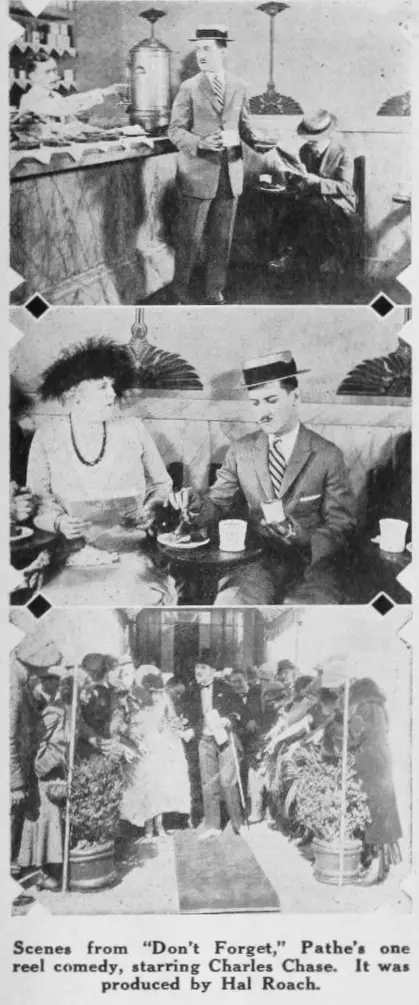
The narrative unfolds with a series of escalating comedic set pieces. Jimmy awakens on his wedding day, blissfully unaware of the monumental significance of the date. It’s a beautifully constructed moment of dramatic irony, as the audience is privy to the impending disaster long before Jimmy himself. The gradual dawning of realization, triggered by the sight of his waiting bride, is played for maximum comedic effect. Lynton's transition from sleepy indifference to wide-eyed panic is a masterclass in silent film acting. From this point, the race against time begins, a frantic dash to the altar punctuated by the increasingly ludicrous forgotten items. First, the ring – the very symbol of eternal commitment – becomes an elusive phantom. Then, the marriage license, the bureaucratic cornerstone of matrimony, vanishes into the ether of Jimmy’s mind. Each forgotten item adds another layer of absurdity to the unfolding drama, building a cumulative effect that keeps the audience in stitches.
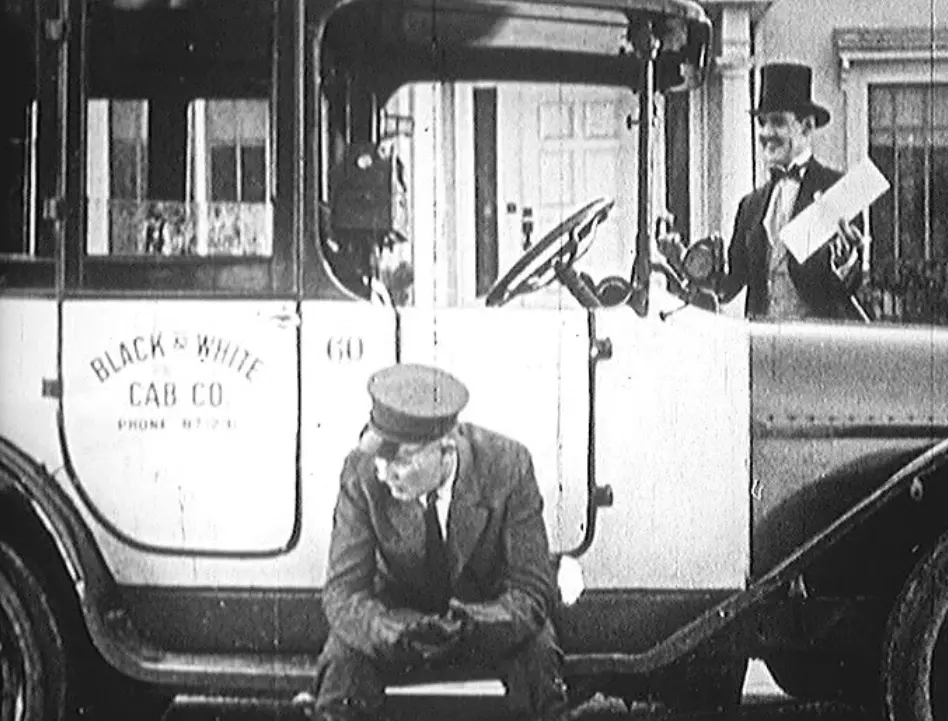
The supporting cast, including Earl Mohan, Jack Ackroyd, and the legendary Charley Chase, contribute significantly to the film’s comedic tapestry. Their reactions to Jimmy's antics – a mixture of exasperation, bewilderment, and resigned amusement – amplify the humor, grounding the fantastical premise in a semblance of reality. Chase, in particular, known for his impeccable timing and understated delivery, adds a layer of sophisticated silliness that elevates the entire production. These characters aren't just props; they are active participants in Jimmy’s personal odyssey, their frustrations mirroring our own, yet their ultimate loyalty to him underscores the film's heartwarming message about acceptance.
One cannot discuss "Don't Forget" without acknowledging the sheer brilliance of its physical comedy. This was an era when visual storytelling reigned supreme, and the filmmakers behind this picture understood the language of the body implicitly. The chases, the near-misses, the frantic searches – all are choreographed with a precision that would make a modern stunt coordinator envious. There’s a particular sequence involving Jimmy’s increasingly desperate attempts to retrieve his forgotten items that showcases this mastery. It’s a whirlwind of motion, a comedic ballet of errors that culminates in his final, triumphant (and shoeless) arrival at the church. The visual gags are not merely slapstick; they are integral to character development, revealing Jimmy’s earnest desire to make things right, despite his inherent shortcomings.
The film’s pacing is another aspect that deserves commendation. It moves with a brisk, almost breathless energy, perfectly mimicking the frantic internal state of its protagonist. There’s no wasted moment, no superfluous scene; every frame serves to advance the plot or enhance the comedic impact. This efficiency in storytelling is a hallmark of great silent cinema, demonstrating how much can be conveyed through visual cues and the sheer force of performance. The film doesn't rely on lengthy intertitles to explain the obvious; instead, it trusts its audience to understand the emotional beats and comedic rhythms through the actors' expressions and actions.
While "Don't Forget" is undeniably a comedy, it subtly touches upon deeper themes. It explores the universal human experience of imperfection and the challenges of navigating a world that often demands meticulous attention to detail. Jimmy's forgetfulness, while exaggerated for comedic effect, resonates with anyone who has ever misplaced keys, forgotten an appointment, or simply felt overwhelmed by the minutiae of daily life. The film, in its lighthearted way, offers a gentle reminder that even our flaws can be endearing, and that love can often overlook the most glaring of imperfections. It’s a testament to the enduring power of human connection, even when one party is perpetually misplacing their socks.
Comparing "Don't Forget" to other films of its era, one might draw parallels with the intricate farces of Buster Keaton or the everyman struggles of Charlie Chaplin, though Lynton carves out his own unique niche. While Keaton's humor often stemmed from his stoic resilience against an indifferent world and Chaplin's from the pathos of the tramp, Lynton's Jimmy Jump finds his comedic core in pure, unadulterated absentmindedness. His struggles are less about external forces and more about an internal battle with his own unreliable mind. This makes "Don't Forget" feel particularly intimate and character-driven, even amidst the broad physical comedy.
Considering the broader landscape of films centered around marital dilemmas, Temporary Marriage (1923), released in the same year, offers an interesting counterpoint. While "Don't Forget" revels in the comedic chaos leading up to the wedding, Temporary Marriage delves into the complexities and potential pitfalls of matrimony itself, albeit from a dramatic perspective. Both films, in their distinct genres, reflect the contemporary societal fascination with marriage and its myriad challenges, whether they be contractual agreements or, in Jimmy's case, the simple act of remembering to show up fully clothed. This juxtaposition highlights the diverse ways filmmakers approached the theme of commitment in the early 20th century, from the lighthearted absurdity to the more serious exploration of social constructs.
Another film that, while tonally different, explores the disruption of social expectations through a character's unconventional past is Polly with a Past (1920). In that film, a woman fabricates a scandalous history to become more interesting, leading to a series of comedic and romantic entanglements. Jimmy Jump, conversely, doesn't need to invent a past; his present is chaotic enough due to his inherent nature. Both films, however, play with the idea of a character's personal eccentricities or history causing ripples in their social and romantic lives, albeit one through deliberate deception and the other through an unwitting, almost innocent, flaw. The humor in "Don't Forget" arises from the sheer inevitability of Jimmy's forgetfulness, while in "Polly with a Past," it comes from the unraveling of a carefully constructed facade.
The production values of "Don't Forget," while typical for a short comedy of its era, are more than adequate to convey its narrative. The sets are functional, the costumes appropriate, and the cinematography, while not groundbreaking, is clear and effective, allowing the performances to shine. It’s a testament to the power of strong acting and well-crafted gags that the film remains so engaging, even without the technological bells and whistles of modern cinema. The focus is squarely on the characters and their predicament, and in this, the film excels. The use of close-ups to capture Lynton’s expressions of bewildered panic or sudden flashes of memory is particularly effective, drawing the audience into his unique mental landscape.
What truly elevates "Don't Forget" beyond a simple slapstick comedy is its underlying warmth. Despite the escalating chaos, there’s a genuine affection for Jimmy and his plight. The film never mocks him maliciously; rather, it invites us to laugh with him, and occasionally, at the absurdity of his situation. This empathetic approach ensures that the humor never feels cruel or mean-spirited. It’s a gentle reminder that love, in its purest form, is about accepting others, quirks and all. The final scene, with Jimmy
IMDb —
1921
Community
Log in to comment.