DbcultAccessing Vault...
6.8/10
Senior Film Conservator
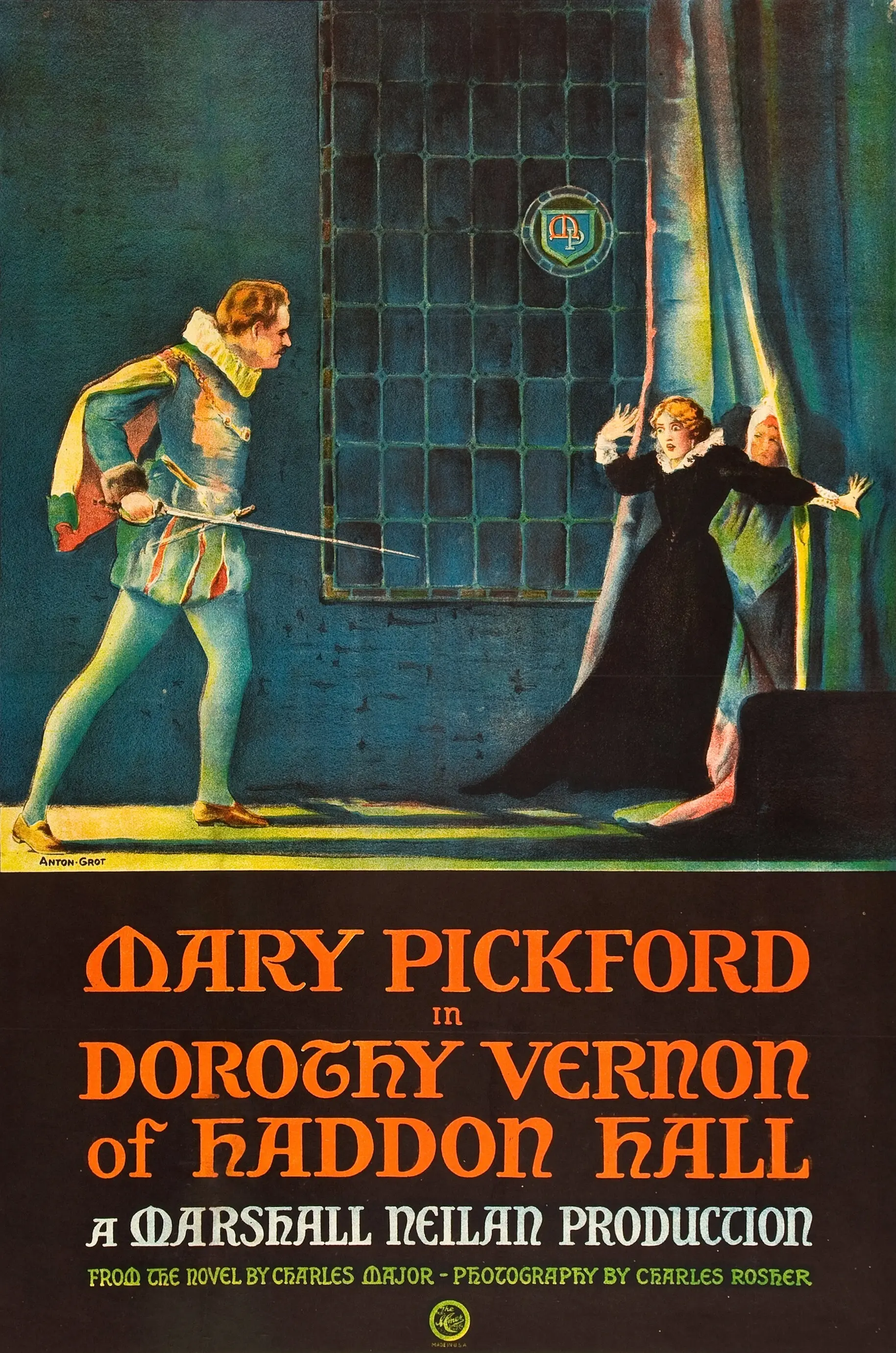
A definitive 6.8/10 rating for a film that redefined the boundaries of cult cinema. Dorothy Vernon of Haddon Hall remains a cornerstone of transgressive art.
In the pantheon of cinematic endeavors that have captivated audiences with tales of yore, Dorothy Vernon of Haddon Hall stands as a testament to the enduring allure of 16th-century England's intrigue and romance. This film, a product of meticulous craftsmanship, invites viewers into a world where honor, love, and deception entwine like the very fabric of the era's complex societal hierarchy.
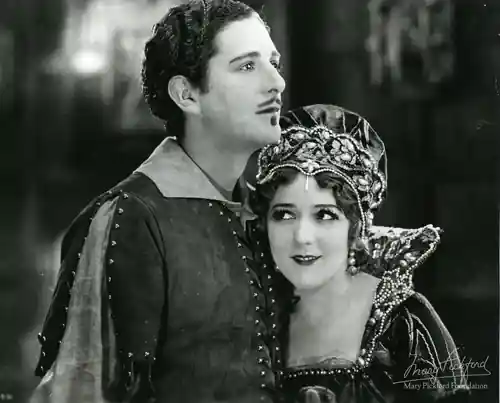
The narrative unfolds against the backdrop of a tumultuous period in English history, where the reign of Queen Elizabeth I is marked by both cultural flourishing and political upheaval. At the heart of the story is Dorothy Vernon, a young heiress whose fate becomes inextricably linked with that of John Manners, the son of the Earl of Rutland. Theirs is a tale of love, loss, and loyalty, set against the richly textured landscape of aristocratic society.
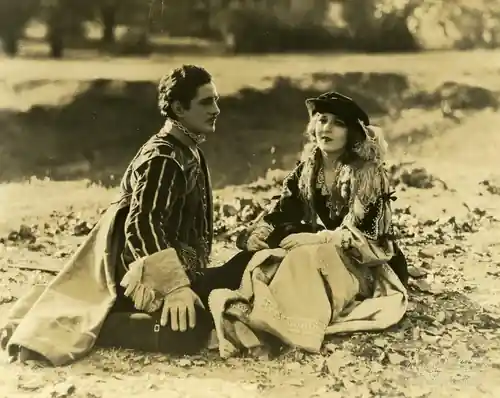
The contractual agreement that binds Dorothy to John on her 18th birthday serves as the catalyst for a series of events that challenge the very foundations of their world. Sir George Vernon, Dorothy's father, upon hearing rumors of John's dissolute behavior in France, seeks to renege on the arrangement, preferring instead to secure his daughter's future with her cousin Malcolm. This decision sets off a chain reaction, as the Earl of Rutland demands the agreed-upon forfeit, while John, now embroiled in a dangerous friendship with the treasonous Mary Stuart, finds himself at the center of a maelstrom that threatens Elizabeth's reign.
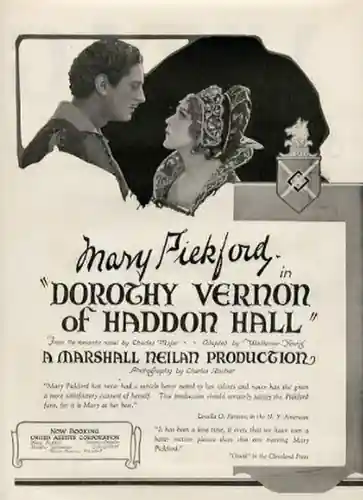
The performances in Dorothy Vernon of Haddon Hall are noteworthy, with Mary Pickford delivering a portrayal of Dorothy that is at once nuanced and compelling. Her ability to convey the complexity of her character's emotions, from the innocence of youth to the depth of mature resolve, is a testament to her skill as an actress.
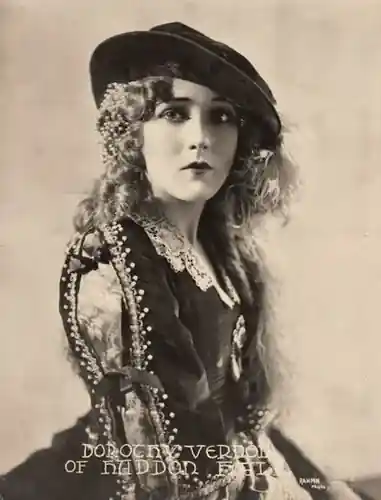
The supporting cast, including J.C. Fowler and Anders Randolf, add depth to the narrative, their characters contributing to the rich tapestry of the story. The cinematography, too, deserves mention, as it transports viewers to a bygone era, capturing the essence of 16th-century England with remarkable fidelity.
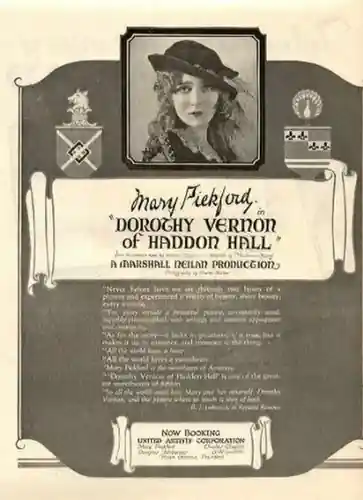
In comparing Dorothy Vernon of Haddon Hall to other films of its era, one might draw parallels with The Firefly, which also explores themes of love and societal expectation, albeit in a different historical context. Similarly, The Old Fool and Die Verführten offer insights into the human condition, each from their unique perspective.
The film's exploration of loyalty, honor, and the complexities of human relationships serves as a reminder of the power of cinema to illuminate the past, while offering timeless commentary on the human condition. Dorothy Vernon of Haddon Hall is a film that not only entertains but also invites reflection on the enduring themes that have shaped human experience across the centuries.
In conclusion, Dorothy Vernon of Haddon Hall stands as a remarkable achievement in cinematic storytelling, a film that masterfully weaves together the threads of history, romance, and drama. It is a must-see for audiences interested in period dramas, offering a richly rewarding viewing experience that lingers long after the curtain falls.
For those interested in exploring more films that share similar themes or offer insights into the era, The Book Agent, His Brother's Wife, and Blackmail are worth consideration. Each of these films, in its own way, contributes to a deeper understanding of the cinematic landscape of the early 20th century.
IMDb 5.9
1936
Community
Log in to comment.