DbcultAccessing Vault...
7.6/10
Senior Film Conservator
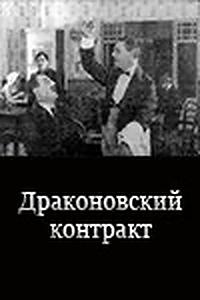
A definitive 7.6/10 rating for a film that redefined the boundaries of cult cinema. Drakonovskiy kontrakt remains a cornerstone of transgressive art.
Stepping back into the early 20th century, we encounter a cinematic gem, Drakonovskiy kontrakt (often translated as "The Draconian Contract"), a silent film that masterfully weaves together elements of romantic comedy, social commentary, and a surprising dash of dramatic irony. This film, a testament to the storytelling prowess of its era, transcends its silent medium to deliver a narrative rich in character and consequence. It’s a compelling exploration of how sudden wealth can both liberate and ensnare, particularly when entangled with the capricious whims of love and the cunning machinations of others. The narrative unfolds with a delightful blend of escalating absurdity and poignant human aspiration, setting a precedent for many romantic comedies that would follow.
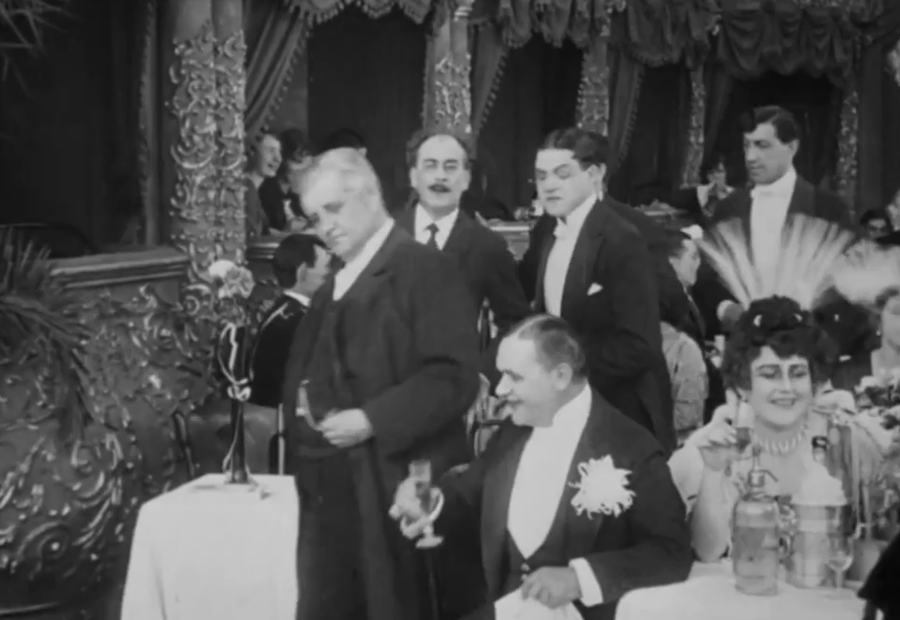
At the heart of this narrative is Antosha, portrayed with a delightful blend of earnestness and burgeoning ambition by Aleksandr Kheruvimov. Antosha is not merely a waiter; he is a dreamer, his gaze perpetually fixed not on the next customer's order, but on the luminous presence of his employer's daughter. This fervent, all-consuming infatuation, alas, proves to be a significant impediment to his professional duties. One can almost picture the spilled drinks and forgotten requests, each mishap a silent testament to his distracted heart. His employer, a man of practical concerns rather than romantic sentiment, finds Antosha’s lovelorn inefficiency increasingly intolerable. The threat of dismissal looms large, a dark cloud over Antosha's already humble existence, promising to sever not only his livelihood but also his tenuous proximity to the object of his affection. This initial setup immediately establishes a classic underdog scenario, a trope that, while common, is handled here with a nuanced understanding of human vulnerability and aspiration. It effectively sets the stage for the seismic shift in Antosha's fortunes, making his subsequent elevation all the more impactful. The film subtly critiques the rigid social stratification of the time, where a mere waiter's affections for a higher-born woman were considered an impertinence, a distraction from his designated place.
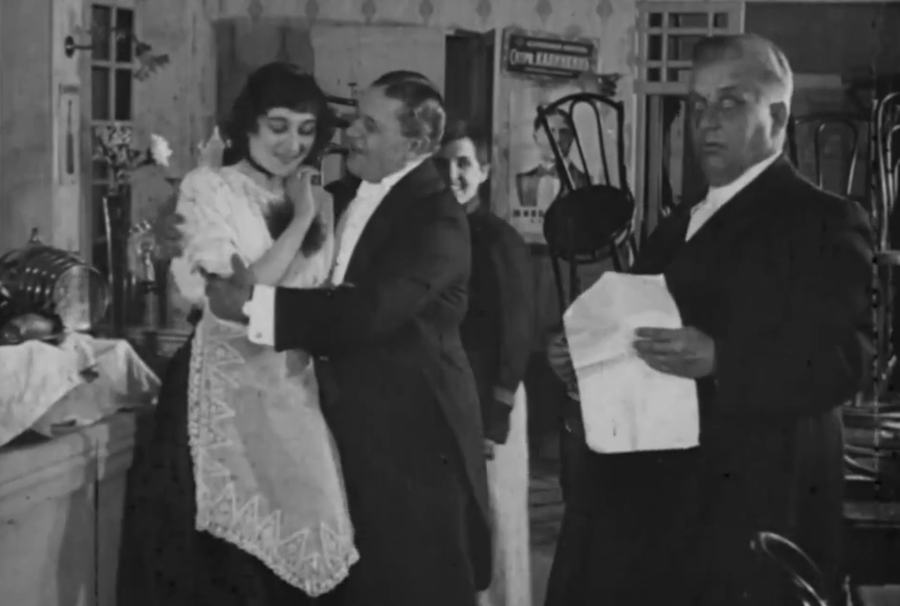
Just as Antosha's world seems poised to collapse, a figure emerges from the wings of fate: the notary. This character, often a harbinger of bureaucratic decree, here assumes a more sinister, yet outwardly benevolent, role. He arrives bearing news that shatters the mundane rhythm of the restaurant: Antosha, the humble waiter, is the recipient of a substantial inheritance. The sheer magnitude of this windfall immediately shifts the power dynamic, transforming Antosha from an expendable servant into a potential patron. However, the notary, with an almost reptilian shrewdness, sees an opportunity for personal gain. He proposes a peculiar arrangement to the now-disadvantaged restaurant owner: a three-year contract binding Antosha to his current employment. The catch? Should Antosha terminate the contract prematurely, the owner stands to receive a colossal sum, with the notary, of course, securing a generous cut for his ingenious, if morally dubious, mediation. It’s a brilliant stroke of narrative design, reminiscent of the intricate social maneuvering found in films like The Love Tyrant, where power dynamics are constantly shifting and exploited, often with a hidden agenda. The scene where this contract is presented and discussed, though silent, pulses with an underlying tension, revealing the cynical underbelly of financial transactions and the ease with which the desperate can be manipulated. The notary’s character serves as a potent symbol of institutional greed, a figure who thrives on the misfortune and fortunes of others, orchestrating elaborate schemes for personal enrichment.
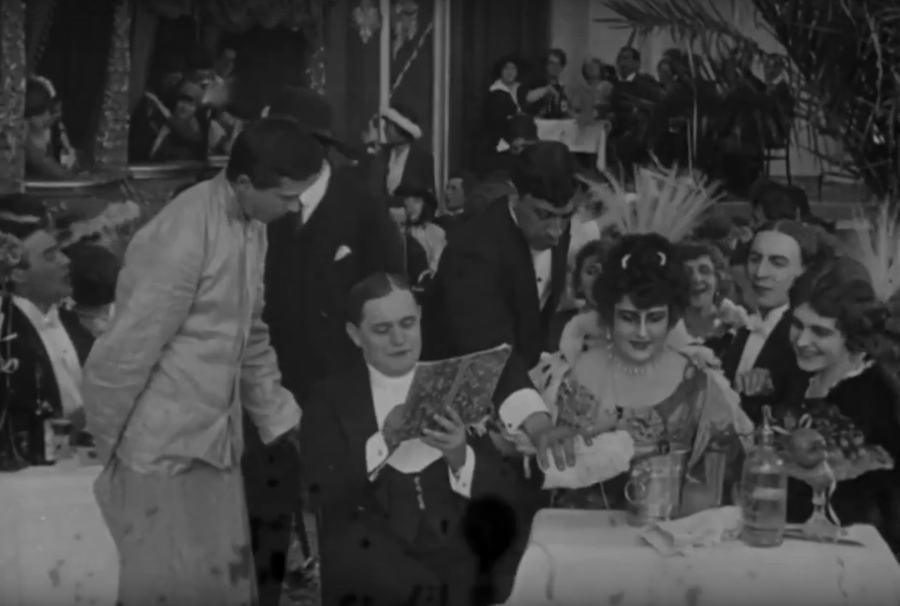
The pivotal moment arrives with Antosha, in a state of celebratory inebriation, signing the aforementioned contract. This act, born of euphoria and perhaps a touch of naiveté, becomes the central ironic twist of the film. Waking the next day to the astonishing reality of his newfound wealth, Antosha's initial instinct is, understandably, to cast off the shackles of his servile existence. Why toil as a waiter when one can command fortunes? Yet, a closer inspection of the "draconian" contract reveals its insidious clauses. He is bound. His freedom, paradoxically, is contingent upon his continued servitude. This setup creates a delicious tension, a comedic predicament that forms the backbone of the film’s humor and social critique. It's a scenario that echoes the absurd contractual obligations found in some early comedies, perhaps even a distant cousin to the farcical situations in Tillie's Punctured Romance, though with a distinctively more cynical edge regarding financial entanglements and the fine print of legal documents. The visual storytelling here is crucial, with intertitles likely conveying the shock and dawning realization on Antosha's face as he comprehends the binding nature of his intoxicated signature. This morning-after revelation is a masterstroke, transforming what could have been a simple rags-to-riches story into a complex narrative of conditional freedom.
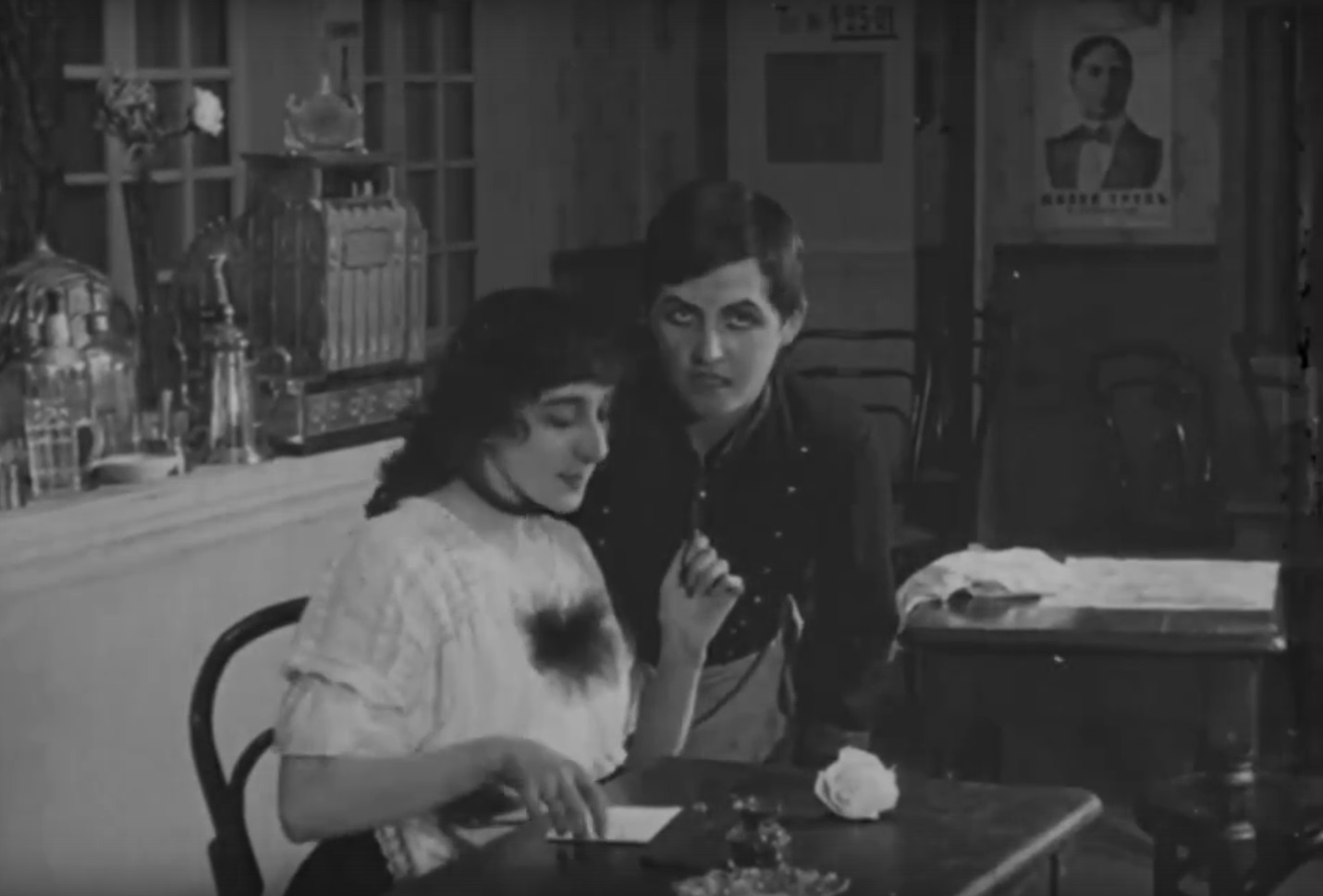
Thus begins Antosha's extraordinary double life. By day, he remains the waiter, albeit one now imbued with an undeniable, if subtly expressed, air of superiority. The uniform might remain, but the spirit beneath it has been irrevocably altered. By night, however, Antosha sheds his humble persona, embracing the opulent existence of a wealthy man. He navigates high society, indulges in luxuries previously unimaginable, and perhaps even cultivates new, sophisticated tastes. This stark dichotomy provides ample opportunity for both visual comedy and poignant commentary on the performative nature of class. The film brilliantly juxtaposes his daytime "performance" of servitude with his nighttime reality, highlighting the artificiality of social roles. This duality is not merely a comedic device; it serves as a powerful metaphor for the invisible chains that bind individuals within societal structures, even when material wealth suggests otherwise. The irony is palpable: Antosha is rich, yet he must pretend to be poor, or at least, not rich enough to escape his job. This creates a constant undercurrent of tension and potential discovery, lending a thrilling edge to Antosha’s daily routine. The audience is invited to revel in his secret triumphs and empathize with his peculiar predicament, a delicate balancing act that Kheruvimov performs with remarkable dexterity. One can imagine the visual gags stemming from Antosha's dual existence, perhaps a moment where he nearly gives away his wealth through an uncharacteristic gesture, only to quickly revert to his subservient role.
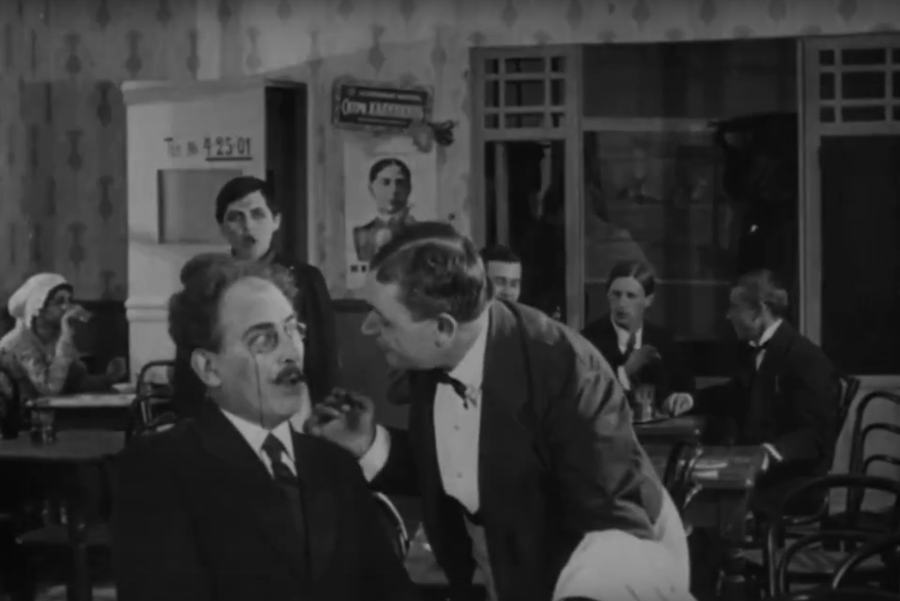
The restaurant owner, initially delighted by the prospect of a massive payout, soon finds himself in an increasingly exasperating bind. Antosha, now wealthy and protected by the very contract designed to exploit him, becomes an unfireable employee. The owner's attempts to dismiss him grow progressively more desperate and comically inept. He tries every trick in the book: subtle harassment, overt provocations, perhaps even attempting to frame Antosha for minor infractions. Yet, Antosha, fueled by his newfound confidence and the knowledge of his unbreakable financial security, navigates these traps with unexpected cunning and resilience. His transformation is remarkable; the lovelorn, clumsy waiter evolves into a wily adversary, capable of outmaneuvering his former oppressor. This reversal of fortunes is a central thematic pillar, exploring the complexities of power, revenge, and the satisfaction of turning the tables on one's tormentor. It's a delightful subversion of expectations, akin to the clever reversals of fortune depicted in films like Come Robinet sposò Robinette, where characters navigate intricate social and legal labyrinths with surprising outcomes. The owner's escalating frustration is a source of much comedic relief, as his schemes invariably backfire, solidifying Antosha's position rather than weakening it. This dynamic highlights the absurdity of attempting to control another person through purely contractual means when personal agency and a touch of luck intervene.
The culmination of Antosha's journey is truly satisfying. Not only does he successfully thwart every attempt by the owner to terminate his contract, thereby denying him the exorbitant penalty, but he also achieves his initial, seemingly impossible goal: marrying the owner's daughter. Vera Glinskaya, as the object of Antosha's affection, brings a captivating presence to the screen, making her character a worthy prize for Antosha's perseverance. This resolution is more than just a happy ending; it represents a complete triumph over the societal and financial constraints that initially defined Antosha's life. He uses the very instrument of his potential subjugation—the contract—as a shield, and his newfound status as a springboard to claim both love and respect. The film cleverly suggests that true freedom isn't just about money, but about the ability to dictate one's own terms, even within a seemingly restrictive framework. The narrative arc, culminating in marriage, shares thematic resonance with other early comedies centered around matrimonial pursuits, such as Házasodik az uram, though Drakonovskiy kontrakt imbues its romance with a sharper edge of social commentary, highlighting how financial independence can empower personal choices. The ending, far from being a simple fairytale, is a statement on the shifting paradigms of class and the indomitable spirit of an individual determined to forge his own destiny.
The cast of Drakonovskiy kontrakt delivers performances that are both expressive and nuanced, a particular challenge in the silent film era where exaggerated gestures and facial expressions were paramount for conveying emotion and intent. Aleksandr Kheruvimov's portrayal of Antosha is a masterclass in conveying evolving character through physical comedy and subtle shifts in demeanor. His transformation from a meek, lovestruck servant to a confident, resourceful heir is utterly convincing, conveyed through his posture, his gaze, and his increasingly assertive interactions. The supporting cast, including Tatyana Bakh, Vera Karalli, Antoni Fertner, and Georg Asagaroff, each contribute to the rich tapestry of the film, embodying their roles with a vividness that transcends the lack of spoken dialogue. Their interactions, often communicated through dramatic intertitles and highly stylized acting, build a believable world of ambition, frustration, and eventual triumph. The cinematography, while perhaps rudimentary by modern standards, effectively frames the escalating tension and comedic moments, utilizing close-ups to emphasize emotional states and wider shots to establish the social hierarchies at play within the restaurant and high society. The film's pacing is brisk, keeping the audience engaged in Antosha's unfolding predicament and his clever evasions. The visual language of silent cinema, here, is employed with considerable skill, ensuring that every gesture, every tilt of the head, and every movement across the frame contributes meaningfully to the narrative and character development. The film’s ability to evoke genuine laughter and empathy without a single spoken word is a testament to the power of visual storytelling and the talent of its ensemble.
Beyond its comedic surface, Drakonovskiy kontrakt offers a surprisingly trenchant critique of early 20th-century class structures and the arbitrary nature of wealth. Antosha's journey highlights the stark differences between inherited privilege and earned status, and the often-absurd hoops one must jump through to transcend their birthright. The "draconian contract" itself serves as a powerful symbol of societal constraints and the intricate legal frameworks that can both protect and exploit. It questions the very notion of freedom when one's choices are dictated by clauses drafted by others, particularly those with vested interests. The film's exploration of fate versus free will is also compelling; Antosha's inheritance is a stroke of pure chance, yet his subsequent actions, his ingenuity in navigating the contract, are entirely his own. This juxtaposition suggests that while fate may open doors, it is character and resolve that ultimately determine one's destiny. This thematic depth elevates the film beyond mere slapstick, positioning it as a thoughtful commentary on social mobility and the enduring power of the individual spirit against institutional obstacles. One might even draw parallels to the more allegorical narratives found in silent films tackling grander themes, though Drakonovskiy kontrakt grounds its commentary in an accessible, humorous human story. The film effectively uses the contract not just as a plot device but as a metaphor for the invisible social contracts that govern individual lives, often dictating who can love whom, who can succeed, and who must remain in their appointed station. This makes it a surprisingly relevant piece even for contemporary audiences grappling with similar questions of social mobility and economic determinism.
In conclusion, Drakonovskiy kontrakt remains a fascinating and highly enjoyable piece of cinematic history. It's a film that, despite its age and the limitations of its medium, speaks to universal themes of love, ambition, and the pursuit of happiness against formidable odds. Its clever plot construction, memorable characters, and satisfying resolution ensure its place as a significant, albeit perhaps lesser-known, work of the silent era. For those interested in the origins of romantic comedy, the evolution of narrative film, or simply a charming story well told, this film offers a delightful escape. It reminds us that even in the absence of spoken dialogue, the human condition—with all its foibles, desires, and triumphs—can be communicated with profound clarity and enduring impact. The film's ability to blend sharp social critique with genuine humor makes it a timeless piece, proving that some stories, much like Antosha's contract, possess an unbreakable charm that defies the passage of time. It's a testament to the ingenuity of early filmmakers and the enduring power of a well-crafted narrative to entertain, enlighten, and provoke thought. Its wit and thematic richness place it comfortably alongside other celebrated silent comedies that explored societal norms and individual aspirations with equal parts humor and insight, such as the social satires found in early works like A Florida Enchantment, which also challenged conventions through comedic scenarios. The film’s lasting resonance lies in its poignant portrayal of an individual navigating a world governed by arbitrary rules and emerging victorious through a combination of luck, wit, and sheer force of will, making it a truly captivating cinematic experience that continues to entertain and provoke thought long after its initial release.
IMDb 5.8
1931
Community
Log in to comment.