DbcultAccessing Vault...
Cult Review
Senior Film Conservator
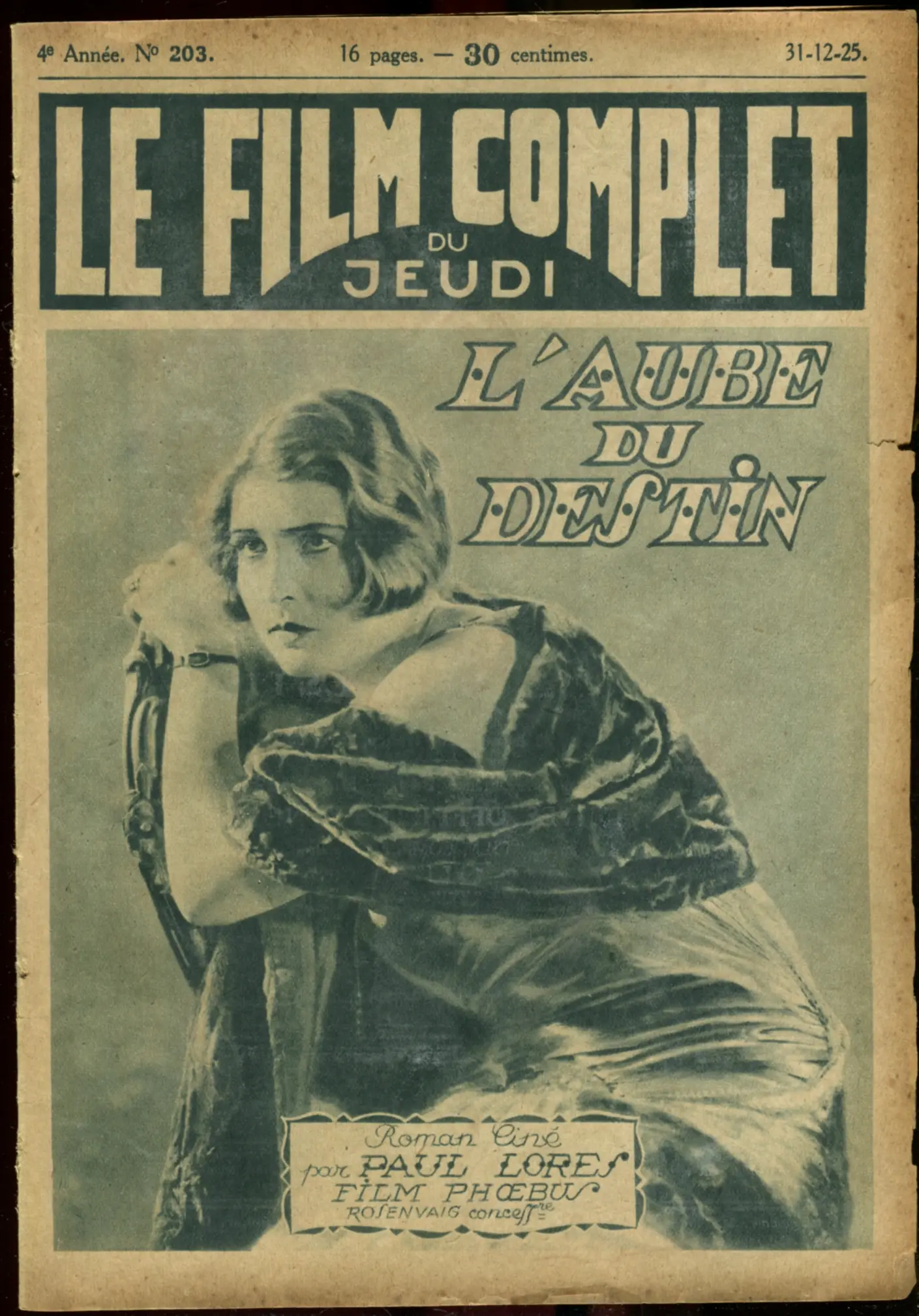
The Dreiklang der Nacht, a silent film from 1923, emerges as a significant work in the annals of German cinema, offering a deep dive into the intricate dynamics of human relationships, particularly in a setting that juxtaposes elegance and deceit. This film, directed by an uncredited Kurt Bernhard and written by Arthur Rosen, Franz Schulz, and Paul Rosenhayn, is a testament to the era’s artistic sensibilities and storytelling prowess.

The narrative centers on Claire Rommer, a young woman entangled in a complex web of lies and ambitions. Her character is a marvel of nuanced performance by Claire Rommer, who brings to life a character whose motives are both noble and selfish. The supporting cast, including Rudolf Klein-Rhoden and Hans Kuhnert, adds layers of complexity to the story, each character’s motivations and actions reflecting the broader themes of the film.
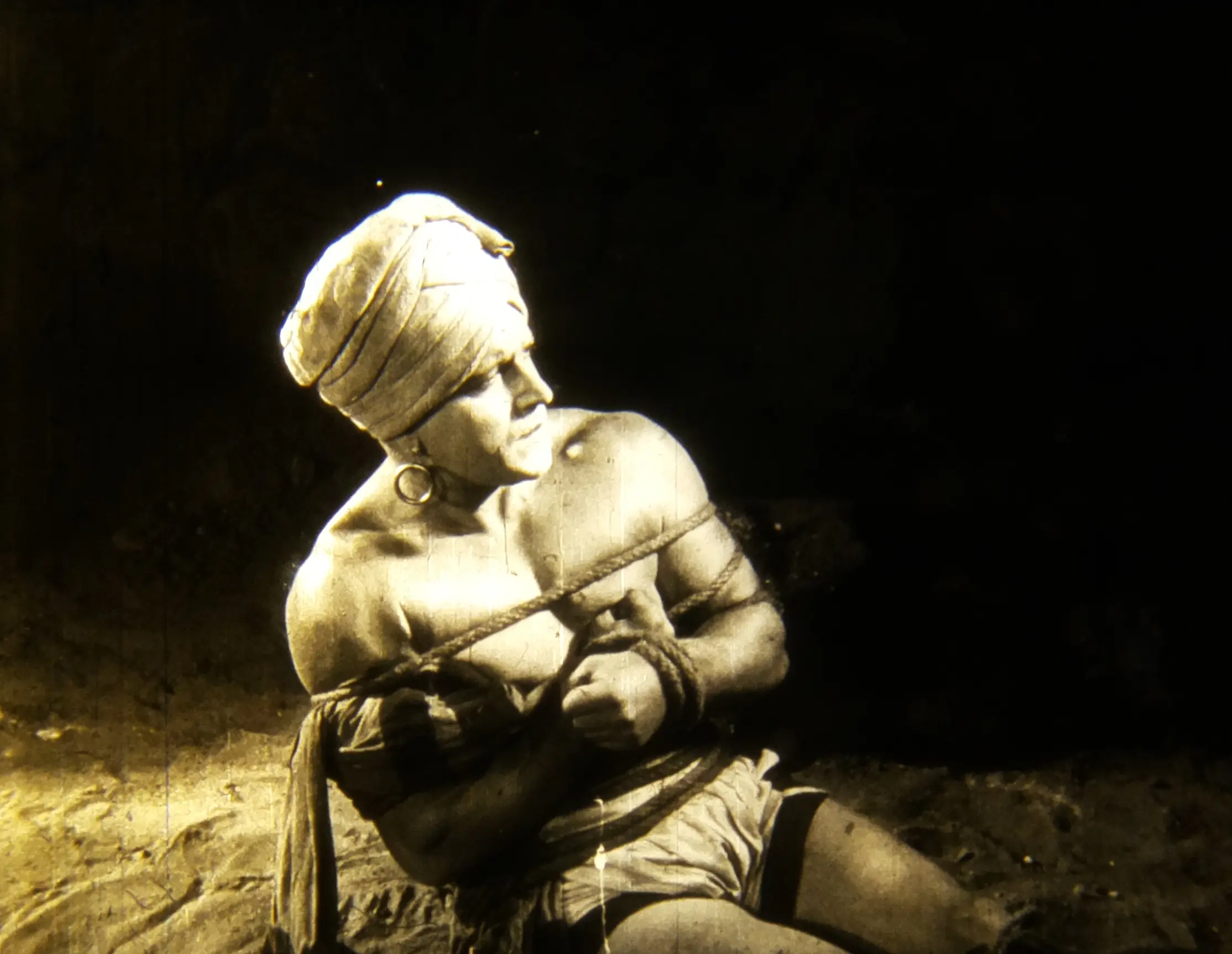
Set in a world where appearances often belie the truth, the film’s visual aesthetics are a blend of grandeur and subtle, evocative detail. The cinematography, by the legendary Karl Freund, captures the opulent settings with a sense of reverence, while the stark contrast between the luxurious interiors and the gritty realities outside creates a powerful narrative tension. The score, composed by an anonymous hand, complements the visuals with a haunting melody that underscores the film’s emotional depth.
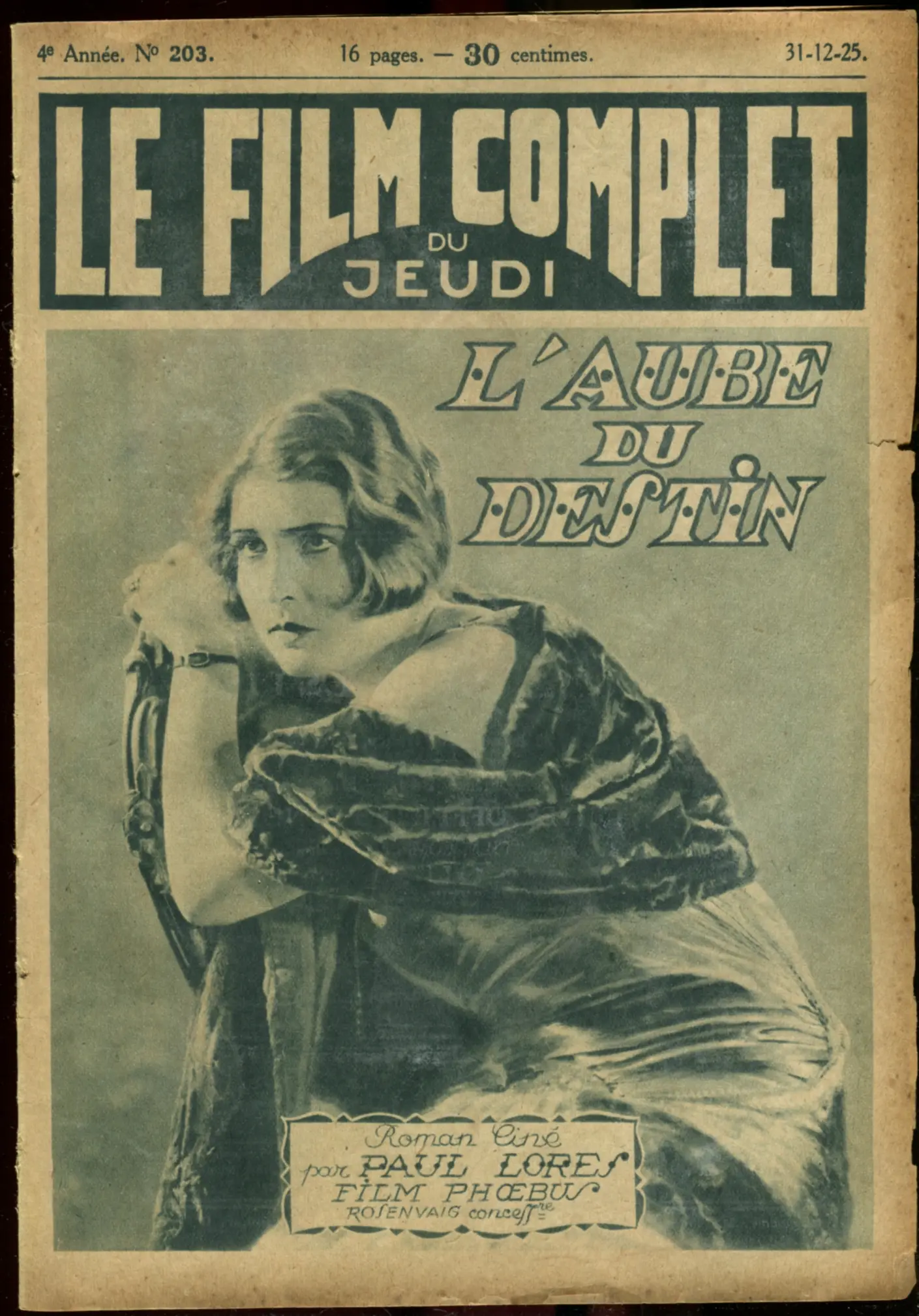
One of the most striking aspects of Dreiklang der Nacht is its exploration of moral ambiguity. The film does not offer easy answers or clear-cut villains and heroes. Instead, it presents a world where characters are multidimensional and their actions are often driven by a mix of good intentions and personal flaws. This complexity is particularly evident in the interactions between Claire and her father, a figure whose presence looms large over the narrative, his motivations and decisions coloring the entire story.
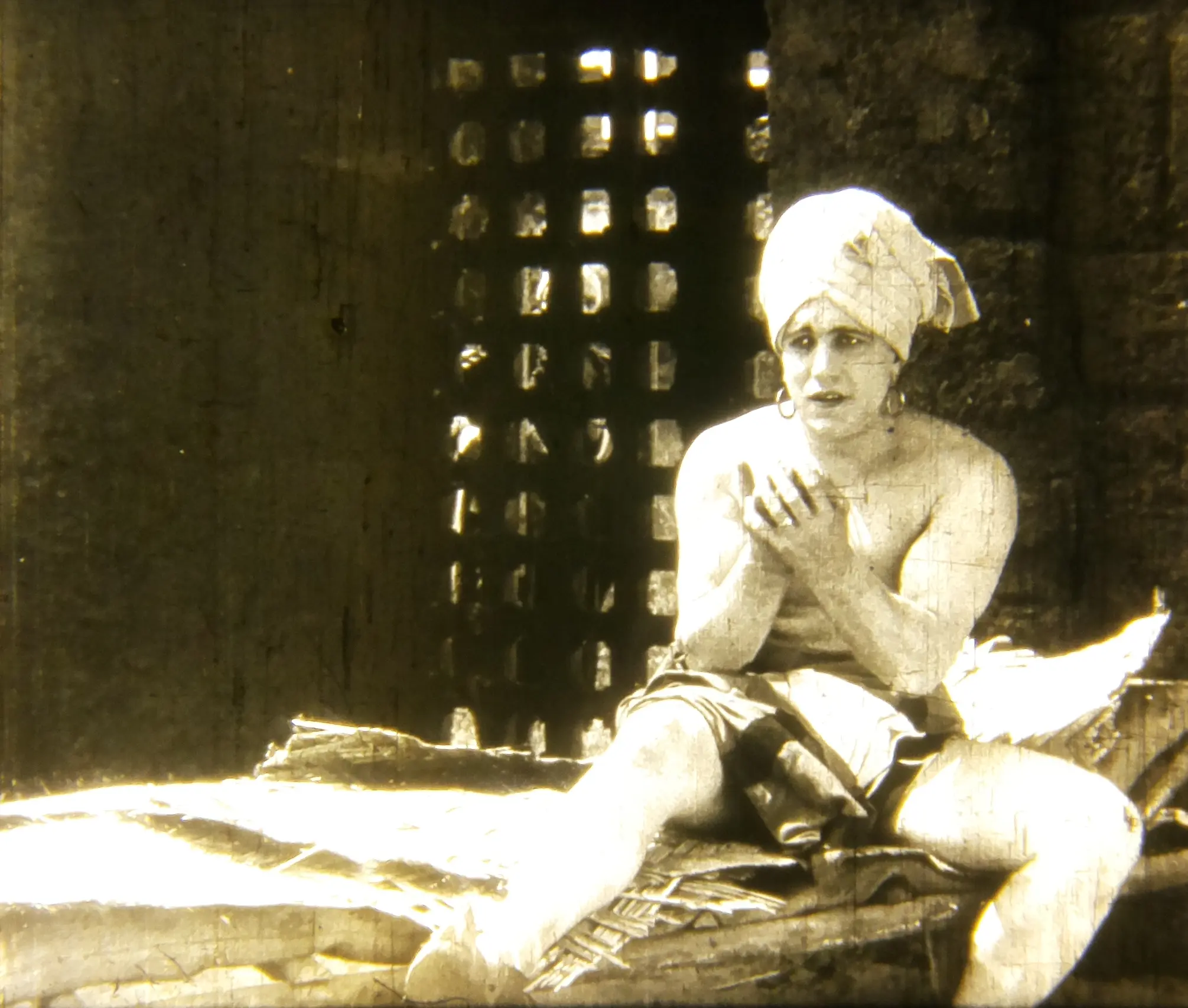
The film’s themes of deception and redemption resonate strongly, as the characters are forced to confront their past actions and seek a path to atonement. This journey is both personal and societal, reflecting the broader anxieties and aspirations of the Weimar era. The film’s exploration of identity, particularly through the character of Claire, who seeks to define herself beyond the expectations placed upon her, is a poignant and universal theme.
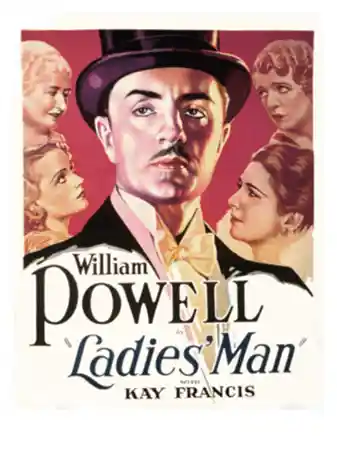
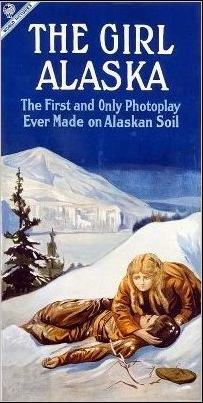
Comparatively, Pace That Kills and Madame Du Barry offer similar explorations of social dynamics and personal struggles, albeit in different contexts. While Pace That Kills delves into the darker aspects of human nature, Madame Du Barry focuses more on the complexities of power and ambition. In contrast, Det gamle fyrtaarn and Man by the Roadside explore more personal and emotional narratives, providing a contrast to the broader societal themes of Dreiklang der Nacht.
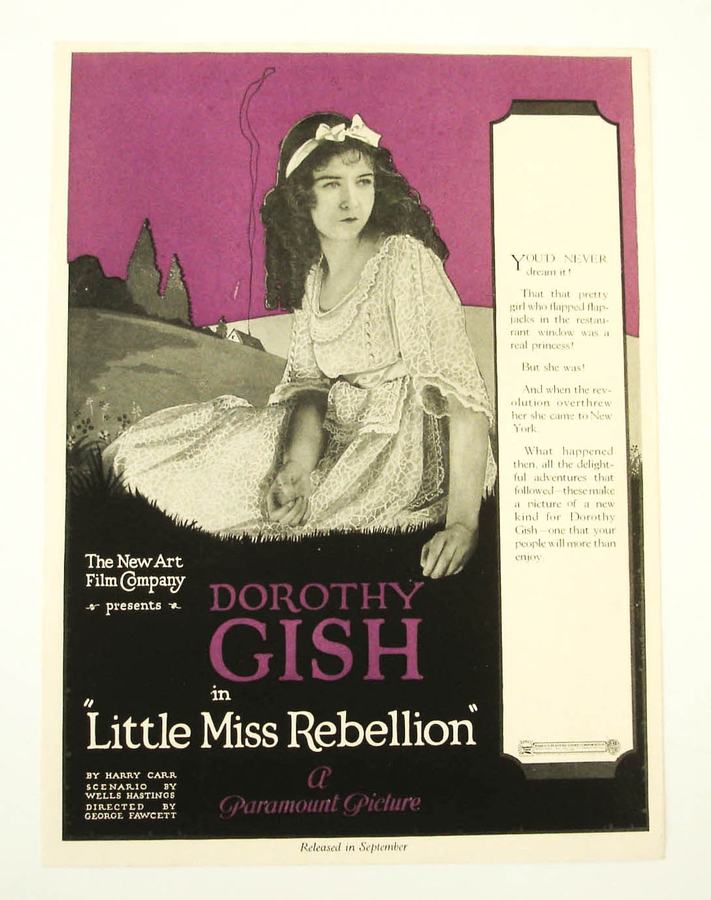
For those interested in the silent era of cinema, Aelita, the Queen of Mars and The Winning of Sally Temple offer different dimensions, with the former blending science fiction with social commentary and the latter focusing on a more personal journey. Meanwhile, films like Die Prinzessin vom Nil and The Tiger Lily bring a sense of exoticism and romance, providing a different backdrop for exploring similar themes.
Despite the absence of dialogue, Dreiklang der Nacht is a film that speaks volumes through its visuals and narrative. It is a poignant reminder of the silent era’s storytelling capabilities and a testament to the enduring power of cinema to explore complex human emotions and societal issues. In an age where visual storytelling has become even more prominent, Dreiklang der Nacht stands as a timeless example of the art form’s potential.
In conclusion, Dreiklang der Nacht is not just a film; it is a journey into the heart of human complexity, a silent symphony of emotions and actions. It is a film that invites viewers to question, to reflect, and to connect with the characters and their journeys. As we navigate the complexities of our own lives, Dreiklang der Nacht provides a powerful reminder of the universal truths that cinema can uncover.
IMDb 4.7
1915
Community
Log in to comment.