DbcultAccessing Vault...
6.7/10
Senior Film Conservator
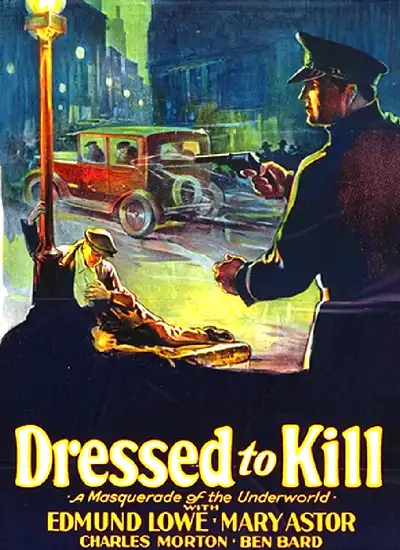
A definitive 6.7/10 rating for a film that redefined the boundaries of cult cinema. Dressed to Kill remains a cornerstone of transgressive art.
Okay, so Dressed to Kill isn't going to be anyone's entry point into classic cinema. If you're looking for something to just throw on and relax with, you'll probably bounce off it hard. But if you have a soft spot for early talkies, for the strange, often clunky charm of pre-Code Hollywood trying to figure itself out, and especially if you're a Mary Astor completist, then yeah, there's something here. It’s a specific taste, for sure. Think of it less as a polished film and more like a historical document of a certain kind of filmmaking.
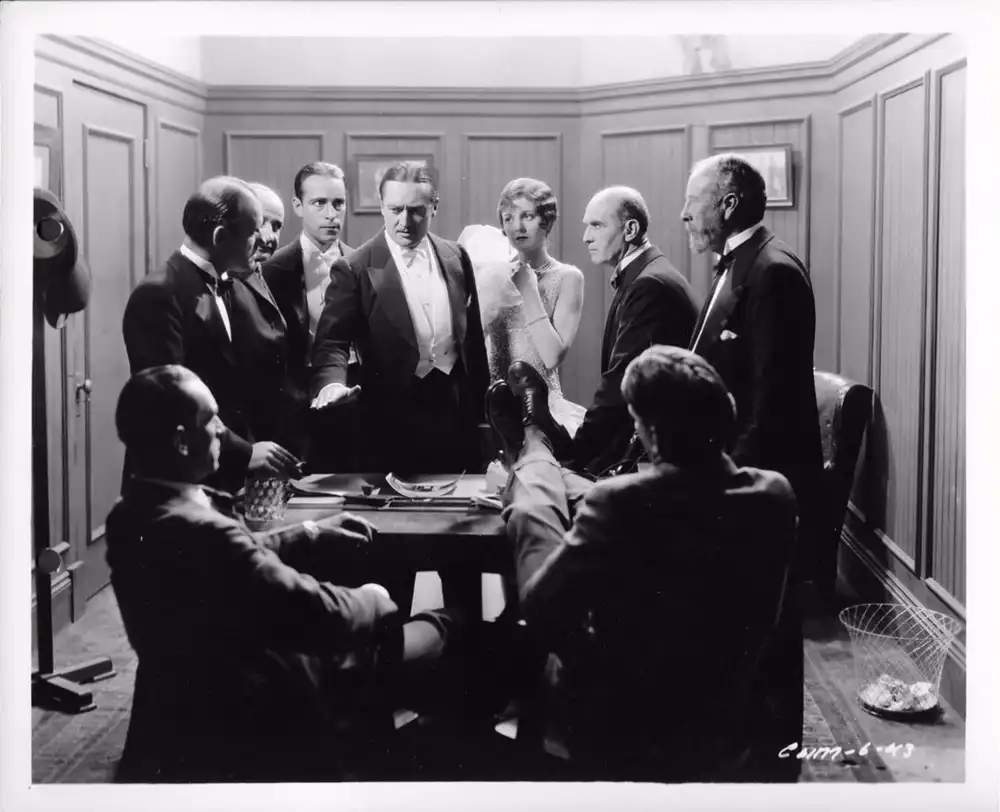
The premise is classic pulp: a mob boss, a new dame, and the gang wondering if she's on the level. Mary Astor plays Dot, the mysterious new girlfriend. She's supposed to be this alluring, possibly dangerous figure, and Astor, even this early in her career, has a captivating presence. There's a scene in the boss's apartment, early on, where she’s just sitting there, smoking, listening to the men talk. She doesn’t say much, but her eyes are doing a lot of work. You can see the wheels turning, or maybe just a practiced indifference. It’s hard to tell, and that’s the point. She carries that ambiguity well.
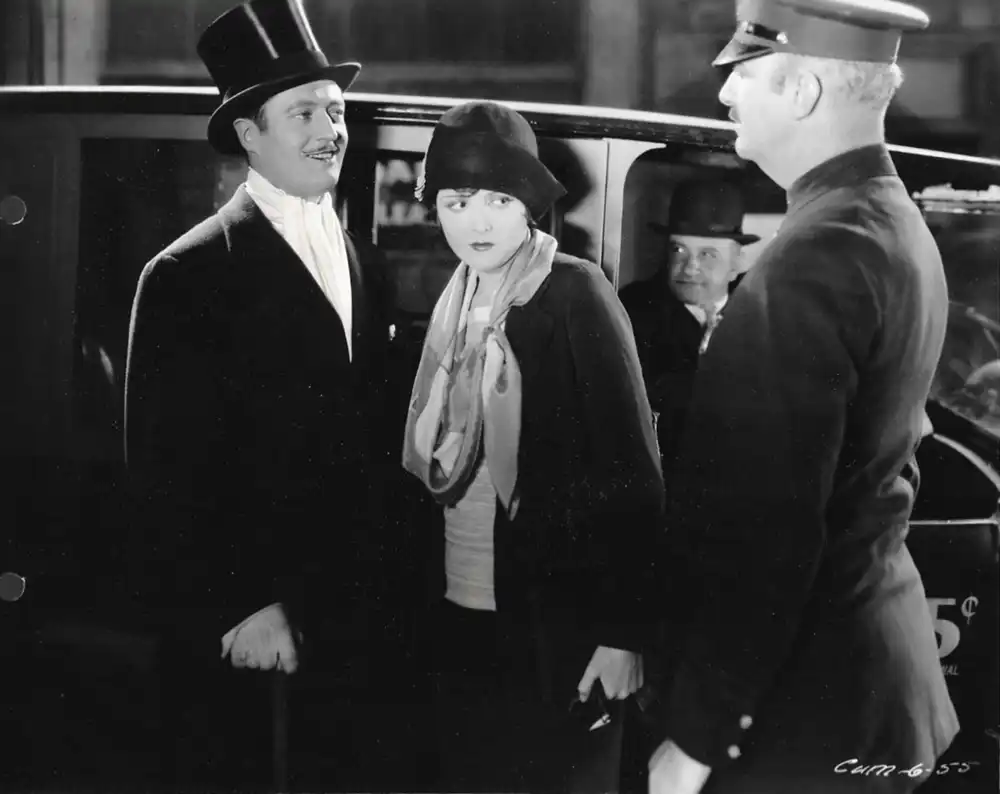
The rest of the mobsters, though? They're a mixed bag. Edmund Lowe, as the boss, is fine. He’s got the gruffness down. But the other guys, his lieutenants and muscle, often feel like they’re still playing to the back row of a theater. Their reactions are sometimes exaggerated, their dialogue delivered with this staccato, almost shouted rhythm that feels less like natural conversation and more like a stage play trying to adapt to microphones. There’s a moment where one of them, a big burly guy, keeps peering around a doorway at Dot, and the camera just holds on him for a beat too long. It’s supposed to convey suspicion, I think, but it almost veers into slapstick.
The pacing is… deliberate. Which is a polite way of saying it drags sometimes. There are long stretches of dialogue that, while necessary for the plot, don't always crackle with the energy they need. You can almost feel the film trying to build tension, but it often settles for just letting the scene play out, waiting for someone to do something. The audience is left waiting right along with it. A particular scene where Dot is being interrogated by the gang, they keep asking her the same questions in slightly different ways. It goes on about 30 seconds too long, and the silence between their lines starts to feel awkward rather than truly menacing.
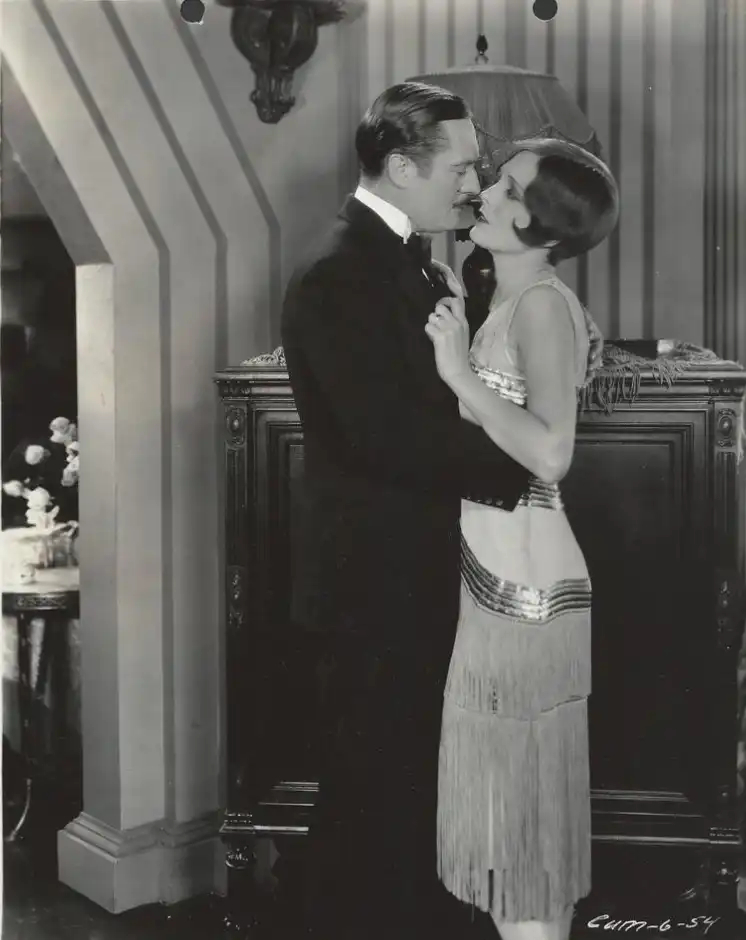
The film does have a certain visual flair at times, especially in how it uses shadows. There are a few nice shots, particularly in the gang's dimly lit hideout, where faces are half-obscured, adding to the general air of distrust. But then you get a jarring cut, or a camera movement that feels a bit clunky, like they hadn't quite mastered the art of making it smooth yet. It's that early sound film struggle, where the camera had to be tethered to the microphone, and you feel it.
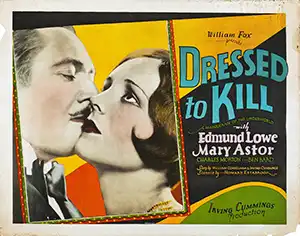
The costumes are mostly what you'd expect for the period, but Dot's outfits are consistently interesting. She's always impeccably dressed, even when she's supposed to be in a tight spot, which reinforces her mysterious, almost untouchable quality. It’s a nice subtle touch, a way of showing she's a different breed from the rough-and-tumble guys she's surrounded by. Or maybe she just has good taste, who knows?
There's a subtle tonal shift in the latter half when the stakes become clearer, and the movie finally picks up some steam. The initial ambiguity around Dot is handled pretty well, even if the resolution feels a little too neat. You spend so much time wondering, and then it's just... presented. No real lingering questions, which is a bit of a shame.
Ultimately, Dressed to Kill is a curio. It’s not a masterpiece, and it's certainly not for everyone. But for those interested in the evolution of cinema, or for fans of Mary Astor getting to flex her early acting muscles, there are enough interesting moments and a solid central performance to make it worth a look. Just don't expect a smooth ride. Expect some bumps, some pauses, and a few good glances from Astor that hint at the star she would become. If you enjoyed the raw, unpolished energy of something like The City That Never Sleeps, you might find a similar, albeit earlier, charm here.
IMDb 3.5
1934
Community
Log in to comment.