DbcultAccessing Vault...
7.1/10
Senior Film Conservator
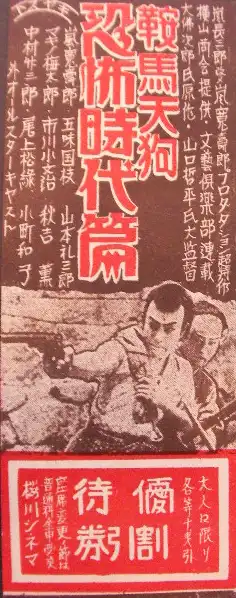
A definitive 7.1/10 rating for a film that redefined the boundaries of cult cinema. Kurama Tengu: Kyôfu jidai remains a cornerstone of transgressive art.
Okay, so Kurama Tengu: Kyôfu jidai from way back in 1928. Is it worth tracking down today? Look, if you’re into old-school Japanese cinema, especially silent stuff with samurai and a real sense of melodrama, then _absolutely_ give this a shot. It's not for everyone, though. If you need explosions or crisp dialogue, you'll probably hate it and wonder why you bothered. This one's for the patient crowd, the folks who like digging into film history.
The first thing that hits you, just how intense the facial expressions are. Shōroku Onoe, as the Kurama Tengu himself, really sells it, even without words. His eyes do so much work. There’s a scene early on where he just stares at a group of bandits, and you can practically feel the tension, a real chill. Almost spooky. 👻
Then there's the movement. It’s a silent film, sure, but the actors don't just stand around. There's a lot of exaggerated, almost theatrical motion, especially in the fight scenes. One particular sword fight, in a misty forest, felt less like real battle and more like a carefully choreographed dance. It’s quite stylized. I mean, the swords clink, but the way they move, it's something else.
The pacing feels a bit... odd sometimes. You get these really fast, frantic sequences, then suddenly a long, drawn-out shot of a character just thinking, or staring out a window. It feels like the director really wants you to feel that moment, even if it drags a bit. There’s one bit where a woman just stands there, looking at a small tea cup, for what felt like ages. You almost want to nudge her, "Hey, what's up," you know?
And the costumes! The Kurama Tengu's outfit is just striking, all dark and mysterious, with that iconic mask. It’s simple, but so effective. The way the light catches the fabric sometimes, it’s beautiful. You can see why this character stuck around in popular culture for so long.
There's this one moment where a character, a young boy, is running through a market. The camera just follows him, a little shaky, but it feels so alive. Like you're right there with him, dodging through the crowd. The extras in the background are doing their own thing, too; it adds a nice touch of chaos.
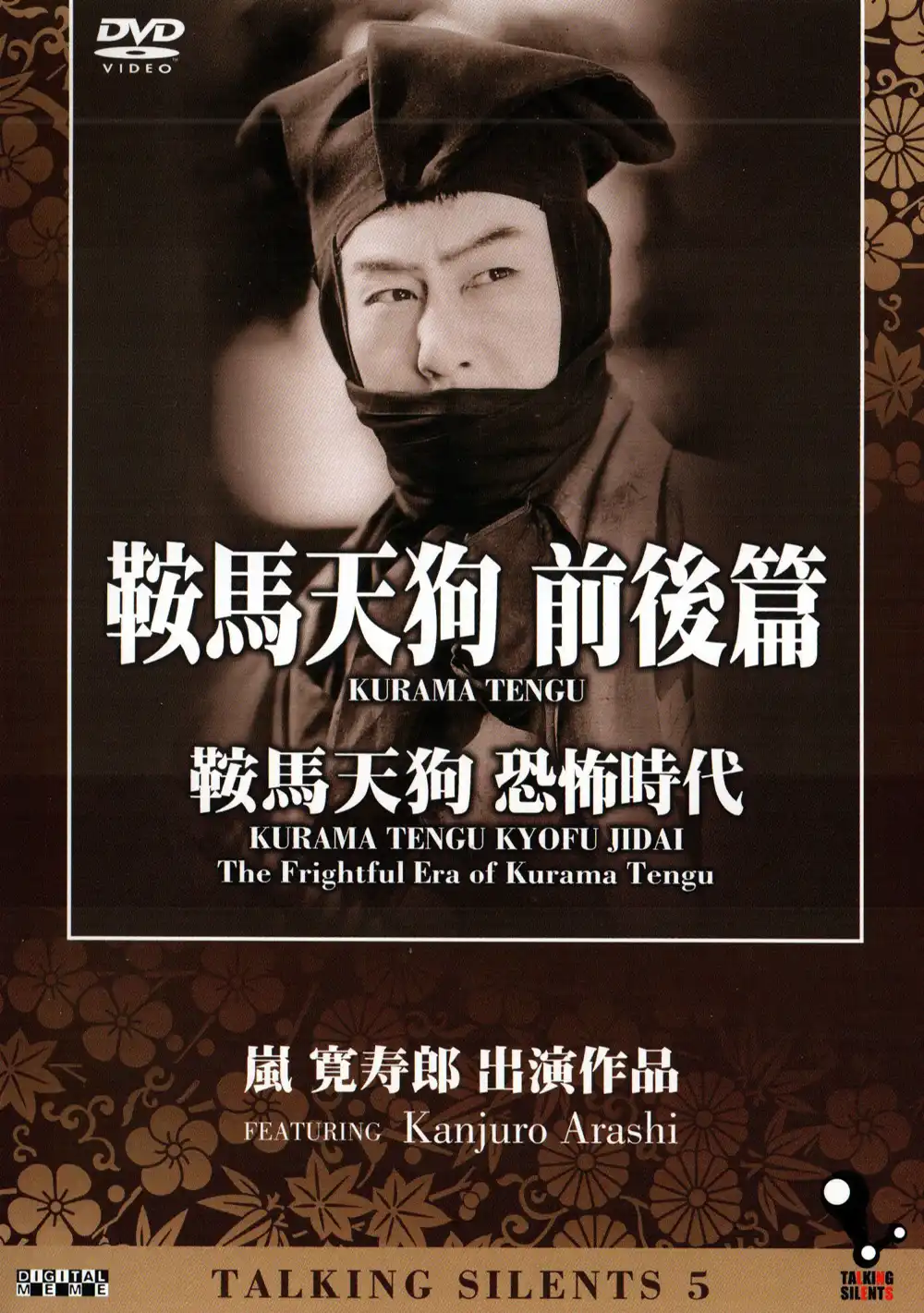
The plot, what you can piece together from the intertitles, feels like a classic tale of injustice and a masked avenger. It’s not super complex, but it works. You get the bad guys, the innocent victims, and the hero who shows up just when things look dire. A real crowd-pleaser for its time, I bet.
One detail that stuck with me was the use of shadows. So many scenes are dimly lit, with long, dramatic shadows stretching across the walls. It gives everything a really brooding atmosphere, fitting for an "Era of Terror." It makes those bright, outdoor scenes feel even more impactful, almost like a breath of fresh air.
The film has a surprising amount of humor. Too. There’s a bumbling guard character who keeps messing things up, and his reactions are pretty funny. It breaks up the serious tone a bit, which is nice. It stops the whole thing from feeling too heavy.
Some of the close-ups are just fantastic. When the Tengu reveals just a sliver of his face, or a villain’s eyes widen in fear. These moments really pull you in. They don’t happen all the time, which makes them feel special when they do.
It’s interesting to see how early filmmakers told stories without sound. The reliance on physical acting, on specific gestures, it’s a craft. You have to really pay attention, though. Miss an intertitle, and you might lose a beat.
Honestly, the print I watched wasn't perfect. There were some scratches and jumps, but that just added to the old-world charm, I thought. It made it feel even more like a discovery. Like you’re watching something truly ancient.
Final thought: Kurama Tengu: Kyôfu jidai is a glimpse into a very different kind of filmmaking. It's rough around the edges, sure, but it has a heart. If you appreciate cinema history, or just want to see a classic hero story told in a unique way, give it a go. It's a real trip. 🎬
IMDb —
1920
Community
Log in to comment.