DbcultAccessing Vault...
6.6/10
Senior Film Conservator
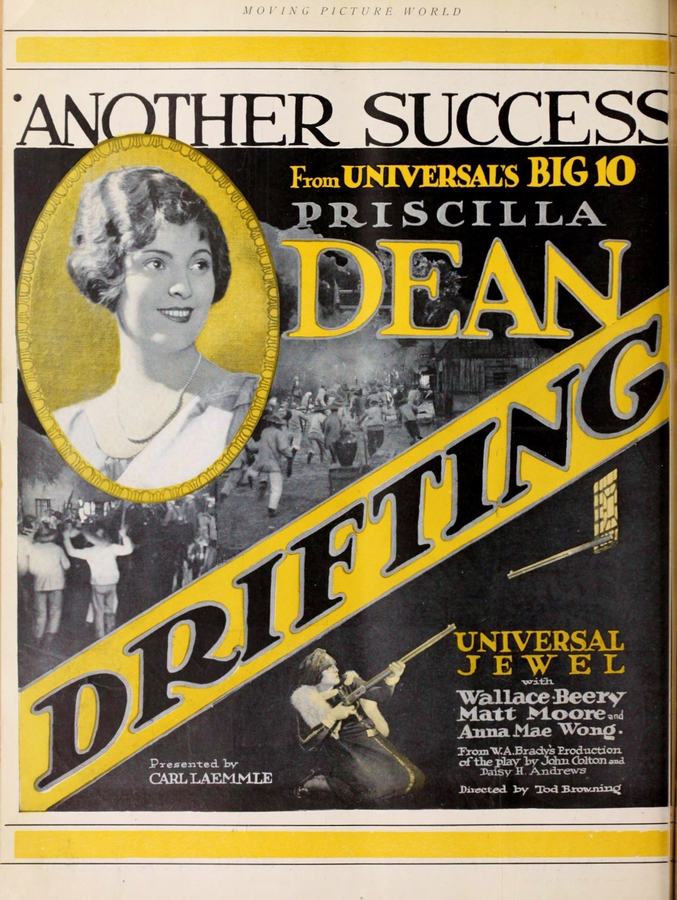
A definitive 6.6/10 rating for a film that redefined the boundaries of cult cinema. Drifting remains a cornerstone of transgressive art.
Step back in time, dear cinephiles, to an era when silent cinema spoke volumes through gesture, expression, and the sheer power of visual storytelling. We're plunging into the murky, exotic depths of 1920s Shanghai with Tod Browning's captivating, if often overlooked, drama, Drifting. This isn't merely a film; it's a vibrant tapestry woven with threads of forbidden romance, moral quandaries, and the treacherous allure of the Orient, all steeped in the illicit currents of the opium trade. It’s a narrative that, even a century later, retains a surprising grip, pulling viewers into a world where danger lurks in every shadow and redemption feels like a distant, flickering candle.
Browning, a director often synonymous with the macabre and the unusual, here crafts a tale that, while less overtly horrific than some of his later work, is nonetheless imbued with a palpable sense of dread and psychological tension. The premise is deliciously potent: an American girl, caught in the insidious web of opium smuggling in the bustling, enigmatic metropolis of Shanghai. Her operations, shrouded in secrecy, are thrown into disarray by the arrival of an American agent. He’s a man of duty, disguised as a mining engineer, his mission to dismantle the very drug ring she serves. What unfurls between them is not the expected cat-and-mouse game, but a far more complex and emotionally charged dance, a dangerous pas de deux that blossoms into an unexpected, profound love.
The brilliance of Drifting lies in its nuanced exploration of moral ambiguity. Our protagonist, portrayed with a compelling mix of vulnerability and hardened resolve, is no innocent victim. She is an active participant in a criminal enterprise, yet her journey is one of awakening. The love she discovers with the agent, a man initially her adversary, becomes the catalyst for her desire to escape the clutches of the drug business. This internal conflict, the yearning for a clean slate against the backdrop of her past transgressions, forms the emotional core of the film. It’s a theme that resonates deeply, exploring whether love can truly redeem, or if the past is an inescapable tether. The screen crackles with this tension, reminiscent of the intricate moral dilemmas faced by characters in films like The Struggle Everlasting, where personal salvation often demands confronting one's own darkest reflections.
The casting, a crucial element in silent cinema, is particularly noteworthy here. Priscilla Dean, a formidable presence of the era, brings a captivating blend of fragility and steel to her role as the entangled American girl. One can almost feel her internal turmoil, her every glance and gesture conveying a desperate hope for freedom juxtaposed with a deep-seated fear. Opposite her, Matt Moore, likely portraying the undercover agent, would have exuded a quiet strength and a conflicted morality, his duty clashing with his burgeoning affection. Their chemistry, communicated through lingering gazes and subtle physical interactions, would have been paramount to selling the film's central romance. It’s a testament to their craft that such complex emotions could be conveyed without a single spoken word, much like the powerful non-verbal performances often seen in melodramas of the time, such as Back Pay.
However, the true antagonist, the lurking shadow that threatens to engulf their burgeoning love, is the head of the drug ring. This character, potentially brought to life by the imposing presence of Wallace Beery, embodies pure, unadulterated menace. The plot description explicitly states her fear of him, and this fear is a palpable force throughout the narrative. He represents the inescapable consequences of her past actions, a malevolent specter that looms large over her every attempt at disentanglement. This creates a compelling sense of urgency and danger, elevating the film beyond a mere romance into a high-stakes thriller. The tension of escaping such a powerful, vengeful figure could be likened to the desperate situations depicted in crime dramas like The Cup of Fury, where characters frequently find themselves trapped by forces far greater than themselves.
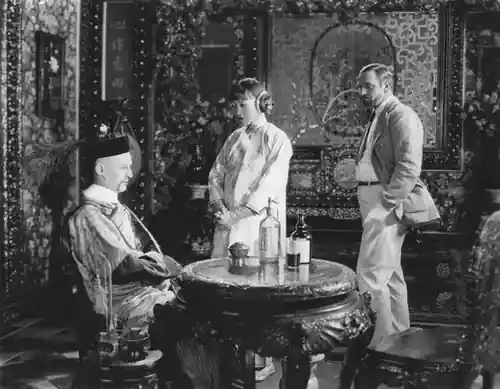
The setting of Shanghai itself is not merely a backdrop; it is a character in its own right. The exoticism of the 1920s Far East, with its bustling markets, shadowy back alleys, and opulent, yet clandestine, dens, provides a rich visual tapestry for Browning's direction. One can imagine the cinematography, even in black and white, striving to capture the sensory overload of the city – the intricate architecture, the throngs of people, the interplay of light and shadow that would have intensified the film's noir-ish elements. The film's writers, Daisy H. Andrews, Gardner Bradford, Andrew Percival Younger, and Tod Browning himself, clearly understood the dramatic potential of this vibrant, yet morally ambiguous, locale. Their collective vision undoubtedly aimed to immerse audiences in a world far removed from their own, a world both alluring and perilous.
Browning's directorial signature, even in this earlier work, would have been evident in his masterful use of atmosphere and suspense. He possessed an innate ability to create a sense of unease, to hint at dangers unseen, and to build tension through carefully orchestrated sequences. The surveillance aspect of the plot, for instance, would have been handled with meticulous detail, showing the agent's careful observation, the girl's unwitting movements, and the gradual, almost imperceptible, shift from professional detachment to personal connection. This slow burn, the meticulous construction of a fragile relationship under extreme duress, is where Browning truly shines. It’s a delicate balance, one that requires a director to trust in the power of suggestion and the audience's imagination, much like the subtle psychological thrillers that would follow decades later.
The presence of Anna May Wong in the cast is another significant detail. As one of the most prominent Chinese American actresses of her time, her inclusion would have added an authentic, if sometimes stereotyped by contemporary standards, layer to the film's depiction of Shanghai. Her roles often navigated complex cultural divides, and one can only speculate on the depth and nuance she might have brought to a supporting character in this narrative. Her screen presence alone would have lent considerable weight to the film's attempts at cultural verisimilitude, a quality that some films of the era, such as Jan of the Big Snows, struggled to achieve in their depictions of diverse locales and peoples.
The narrative arc of Drifting, from illicit enterprise to yearning for redemption, is a timeless one. It speaks to the universal desire for a second chance, for the possibility of escaping one's past and forging a new identity. The film’s dramatic power lies in the constant threat that this aspiration might be brutally crushed by the very forces the protagonist seeks to abandon. This fear, the psychological weight of the drug lord’s power, is what elevates the stakes beyond a simple love story. It becomes a story of survival, of courage in the face of overwhelming odds, and the profound human need for autonomy. This intense personal struggle against powerful external forces echoes the central conflicts found in films like Ruling Passions, where individual will often collides with societal or criminal pressures.
Considering the constraints of silent film production, the ambition of Drifting is commendable. It attempts to weave together elements of crime, romance, and psychological drama within a visually rich, exotic setting. Browning’s early work often laid the groundwork for his later, more famous explorations of the grotesque and the outsider, and here we see glimmers of his fascination with individuals on the fringes of society, grappling with their own moral compasses. The film doesn't shy away from the darker aspects of human nature, even as it champions the possibility of change and the redemptive power of love.
The ultimate success of Drifting would have hinged on its ability to sustain tension and emotional investment without dialogue. The performances, the expressive intertitles, and Browning’s visual acumen would have been crucial in conveying the nuances of the plot and the characters' inner lives. The fear of the drug lord, for instance, would have been communicated through his imposing presence, perhaps through low-angle shots or menacing shadows, and through the protagonist's visibly shaken demeanor. The burgeoning love would have been shown through stolen glances, gentle touches, and moments of shared vulnerability, all building towards a climax where their love and her freedom hang precariously in the balance.
In an era where cinema was rapidly evolving, Drifting stands as a compelling example of a silent film tackling complex adult themes with sophistication. It’s a reminder that the silent era was far from simplistic, often employing highly stylized techniques to convey intricate narratives and deep emotional resonance. The film's legacy, though perhaps overshadowed by Browning's later, more sensational works, is an important one. It illustrates his early command of suspense and character-driven drama, setting the stage for the unique cinematic voice he would cultivate throughout his career. It offers a fascinating glimpse into a historical period and a cinematic style that continues to captivate those willing to look beyond the absence of sound and embrace the profound artistry of its visual language.
For those who appreciate the rich tapestry of early Hollywood, particularly films that dare to explore the darker corners of human experience while still holding out the promise of redemption, Drifting is undoubtedly a film worthy of rediscovery. Its blend of exotic locale, gripping suspense, and a heartfelt romance against insurmountable odds makes it a compelling piece of cinematic history. It’s a journey into a bygone era, but one whose emotional core remains strikingly relevant, proving that tales of love, danger, and the yearning for freedom are truly timeless. Much like the enduring appeal of suspenseful narratives such as In the Lion's Den, where characters are perpetually on the brink, Drifting keeps its audience on the edge, invested in the fate of its complex characters.
The film's exploration of the opium trade also places it within a specific socio-historical context, reflecting contemporary anxieties and fascinations with the 'Oriental' and the moral decay associated with drug use. While modern sensibilities might critique certain portrayals, it provides invaluable insight into the cultural narratives prevalent at the time. It is a document of its era, capturing not just a story, but a snapshot of societal concerns and cinematic trends. In this regard, it stands alongside other period pieces that reflect their times, though perhaps with a more adventurous spirit than some contemporaries. Its boldness in tackling such a controversial topic for its day further cements its place as a significant work, reminding us that cinema has always been a mirror, however distorted, of the world around it.
Ultimately, Drifting is more than just a crime drama or a romance; it's a profound character study of a woman caught between two worlds, yearning for a life she can barely imagine. It’s a testament to the enduring power of silent film to evoke deep emotion and complex narratives, without the crutch of spoken dialogue. Browning, with his keen eye for human frailty and the darker corners of the psyche, delivers a film that, while perhaps not as widely celebrated as some of his later masterpieces, is nonetheless a vital piece of his oeuvre and a captivating entry in the annals of early Hollywood cinema. Its quiet power lingers long after the final fade to black, a testament to its artistry and the timeless appeal of its story.
IMDb 4
1926
Community
Log in to comment.