DbcultAccessing Vault...
6.8/10
Senior Film Conservator
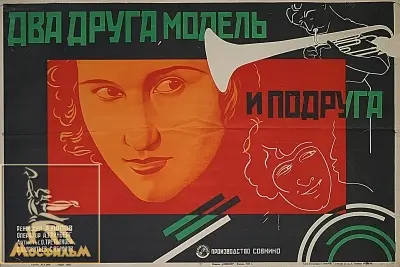
A definitive 6.8/10 rating for a film that redefined the boundaries of cult cinema. Dva druga, model i podruga remains a cornerstone of transgressive art.
This film works because it weaponizes comedy as a political scalpel. It fails because its characters drift between archetypes and satire, never fully anchoring its message. You should watch it if you enjoy films that treat capitalist critique as a joke — and are patient with their punchlines.
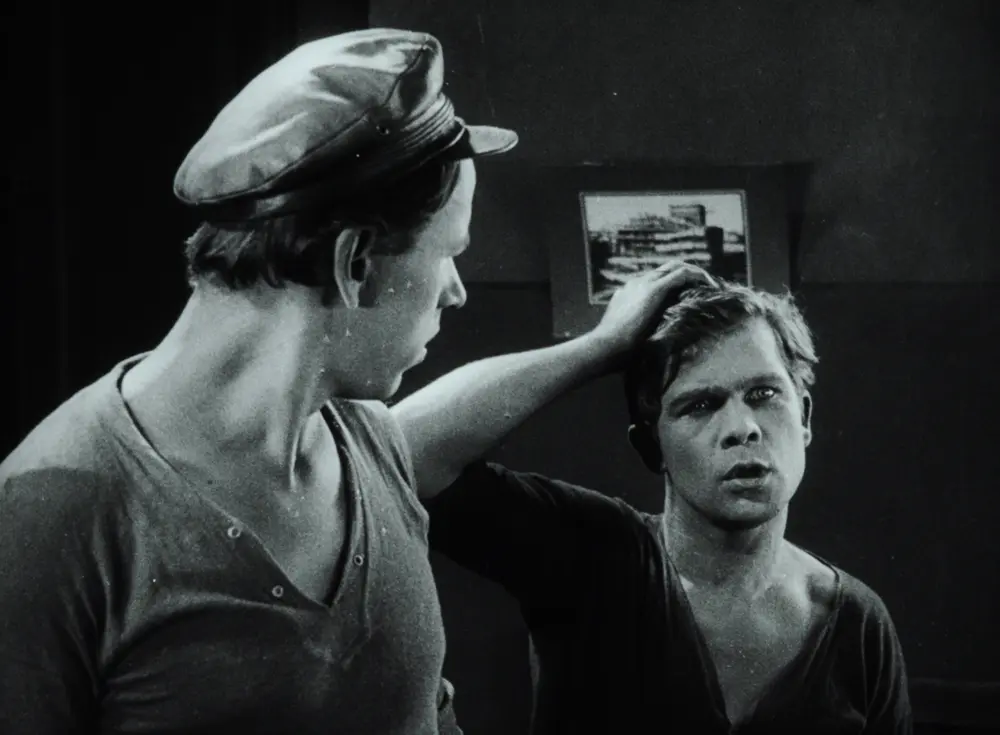
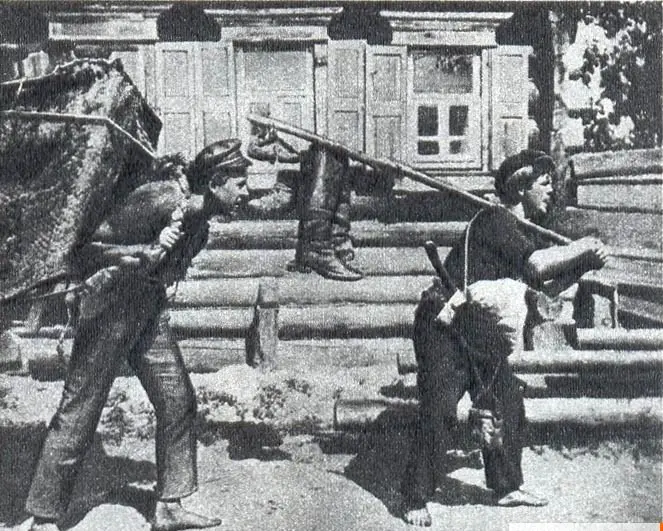
Mikhail Karostin and Aleksei Popov’s script unfolds like a Marx Brothers routine filtered through Soviet dialectics. The inventors — played with manic precision by S. Lavrentyev and Sergei Yablokov — navigate a world where their packaging machine becomes a metaphor for industrial efficiency. When the capitalist antagonist (Aleksei Popov) gaslights his rivals by projecting shadows of their machine exploding, the film exposes the fragility of truth in a profit-driven system. The soap itself becomes a recurring visual gag, its sudsiness contrasting with the characters’ moral grime.
Popov’s dual role as both the capitalist and the machine’s operator is a masterstroke. He shifts from smooth-talking conman to mechanical automaton with uncanny fluidity. In one standout sequence, he recites the same lie to different characters while physically transforming — his posture, voice, and facial expressions morphing to match their biases. This physical comedy rivals Chaplin’s tramp character but with sharper ideological stakes.
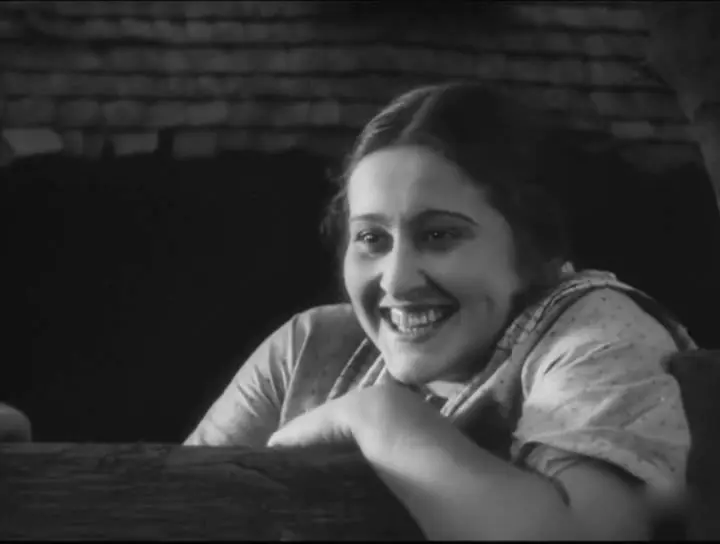
The film’s visual language is a collision of German Expressionism and early Soviet montage. A key scene juxtaposes close-ups of the machine’s gears with wide shots of the inventors’ shrinking expressions. The gaslighting sequence uses chiaroscuro so deliberately that the lighting itself becomes a character. Yet the pacing stumbles in the third act when the plot pivots to a courtroom farce — a tonal shift that feels jarring despite the inventiveness of its visual gags.
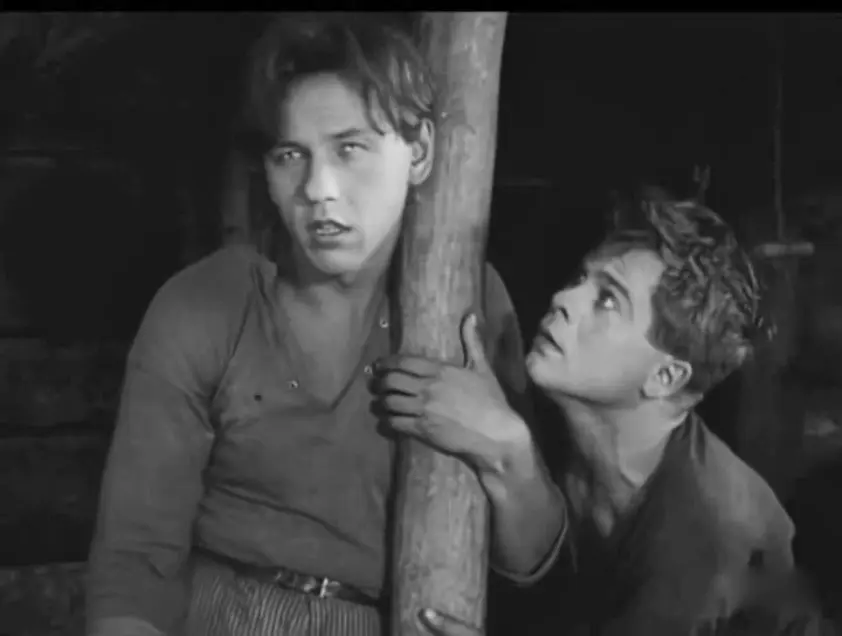
This film is a time capsule of 1920s Soviet cinema’s political urgency. Its absurdist tone mirrors the chaos of post-revolutionary society while its critique of capitalism feels disturbingly modern. The inventors’ arc — from idealism to disillusionment — recalls the characters in Innocent Husbands, but with more mechanical whimsy. The filmmakers’ refusal to offer resolution is both bold and frustrating — a deliberate choice to leave the audience questioning whether their satire has a solution.
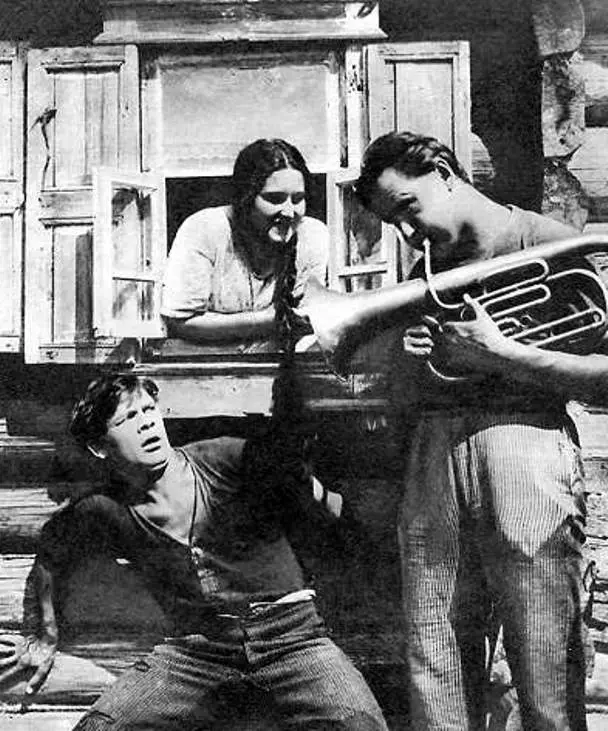
If you’re watching this film for its audacity, you’ll find ample rewards. If you’re expecting narrative coherence, you’ll be disappointed. The filmmakers take a sledgehammer to realism in favor of ideological provocation — a risky move that works more often than not. It’s a flawed but fascinating artifact, especially when viewed alongside Folket i Simlångsdalen for contrasting approaches to political storytelling.
Short answer: Yes, if you’re okay with a 90-minute argument wrapped in slapstick. The film’s most compelling idea — that capitalism gaslights us through spectacle — hasn’t lost any potency. While it occasionally veers into didacticism, its visual creativity keeps it from becoming purely academic. For those who want to see Soviet cinema’s radical edge, this is essential viewing.
IMDb 6.4
1934
Community
Log in to comment.