DbcultAccessing Vault...
Cult Review
Senior Film Conservator
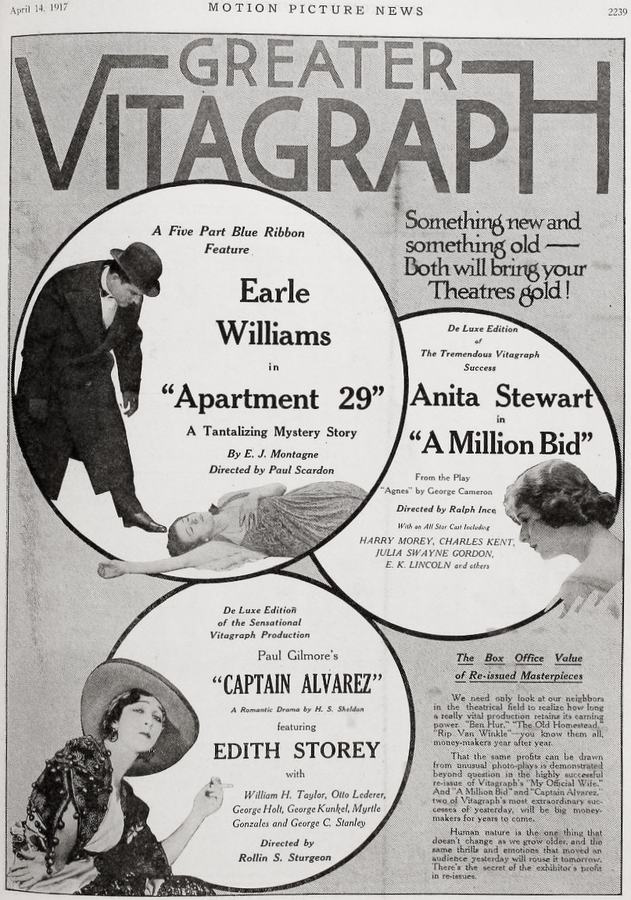
There's an undeniable allure to narratives that plunge an unsuspecting, often arrogant, protagonist into a whirlpool of circumstances entirely beyond their control. Such is the compelling premise of Apartment 29, a film that masterfully dismantles the ivory tower of its central character, Stanley Ormsby, a dramatic critic whose pronouncements are typically delivered with an almost surgical precision and a heavy dose of self-importance. Edward J. Montagne's narrative, though seemingly straightforward in its initial setup, quickly morphs into a labyrinthine journey through mistaken identity, moral compromise, and the sheer caprice of fate. It’s a compelling study of how one man’s professional hubris can inadvertently trigger a cascade of personal catastrophe, transforming a detached observer of art into a desperate participant in a real-life drama far more harrowing than any play he might ever review.
Ormsby, brought to life with a nuanced blend of arrogance and burgeoning panic by L. Johnston, begins his odyssey on a note of professional disdain. His scathing assessment of a new play isn't just a critique; it's an execution, delivered with a dismissive wave that brushes aside the playwright's (portrayed with a conniving charm by Denton Vane) heartfelt pleas for a more lenient judgment. This initial act of intellectual brutality, a seemingly minor transgression in the grand scheme of things, serves as the narrative’s inciting incident, a ripple that soon becomes a tidal wave. The film posits an intriguing question: does Ormsby's unyielding harshness, his refusal to extend even a modicum of empathy in his professional life, somehow karmically rebound upon him in the chaotic events that follow? It’s a delicious irony that a man who so confidently dissects the plots of others finds himself utterly adrift in a plot of his own making, or rather, one that fate has thrust upon him. This thematic thread, exploring the unintended consequences of one's actions, finds a spiritual cousin in the moral quandaries presented in films like The Brand of Cowardice, where character flaws often lead to inescapable dilemmas, albeit in very different contexts.
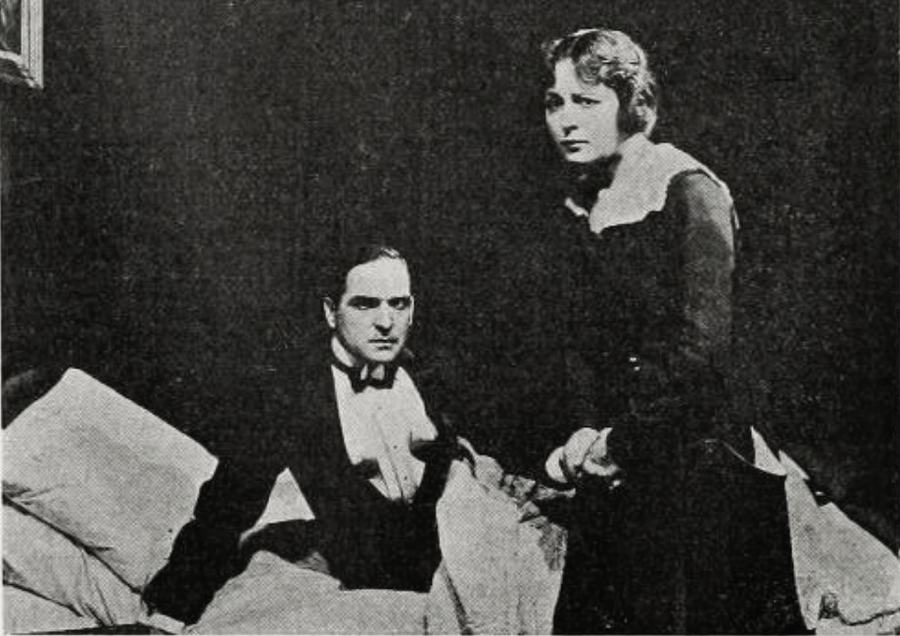
The immediate aftermath of Ormsby’s critical pronouncement sees him navigating the nocturnal urban landscape, where his ill-fated attempt to intervene in a street quarrel between a man and a woman (later revealed to be Ethel Grey Terry and Earle Williams) is met with an immediate, almost comical, rebuff. This moment, brief as it is, perfectly encapsulates Ormsby’s character: a man accustomed to being heard, to having his opinions hold sway, now confronted with the messy, unpredictable reality of human emotion. His subsequent assignment to interview a singer seems a mundane interlude, a return to the predictable, but Apartment 29 delights in subverting expectations. The apartment house itself transforms from a mere setting into a crucible of destiny. The discovery of the apparently deceased woman, collapsing dramatically at his feet before the titular Apartment 29, is a masterstroke of suspense, instantly propelling Ormsby from observer to central figure in a burgeoning crisis. The subsequent revelation, that she is the woman from the street, and that her husband lies shot inside, tightens the narrative noose around Ormsby’s neck with chilling efficiency. The film’s pacing in this sequence is particularly commendable, building a palpable sense of dread and panic that is remarkably effective. The escalating paranoia experienced by Ormsby here resonates with the psychological tension found in films like The Hand of Peril, where protagonists often find themselves ensnared in webs of circumstance beyond their immediate control.
The sudden appearance of the playwright, a character Ormsby had so recently scorned, in the very same building, is a twist of delicious irony. Denton Vane imbues the playwright with a predatory charm, a man who sees Ormsby’s predicament not as a tragedy, but as an opportunity for pecuniary gain. The offer of refuge, conditional upon a hefty sum, immediately establishes the playwright as a morally ambiguous, if not outright villainous, figure. This cynical exploitation of Ormsby’s desperation highlights the film’s underlying themes of self-preservation and the transactional nature of human relationships under duress. Ormsby, stripped of his critical detachment, is now reduced to a desperate man willing to pay any price for safety. The playwright’s apartment becomes a temporary sanctuary, a gilded cage where Ormsby is hidden by a mysterious 'girl' (Billie Billings), whose own motivations remain tantalizingly opaque for much of the narrative. The cat-and-mouse game with the police, featuring a series of 'hairbreadth escapes,' injects a thrilling, almost farcical, energy into the mounting tension. These sequences, though perilous, also serve to further humanize Ormsby, chipping away at his earlier arrogance and revealing a more vulnerable, relatable individual. The film deftly navigates the line between genuine suspense and moments of dark humor, a balance that keeps the audience thoroughly engaged.
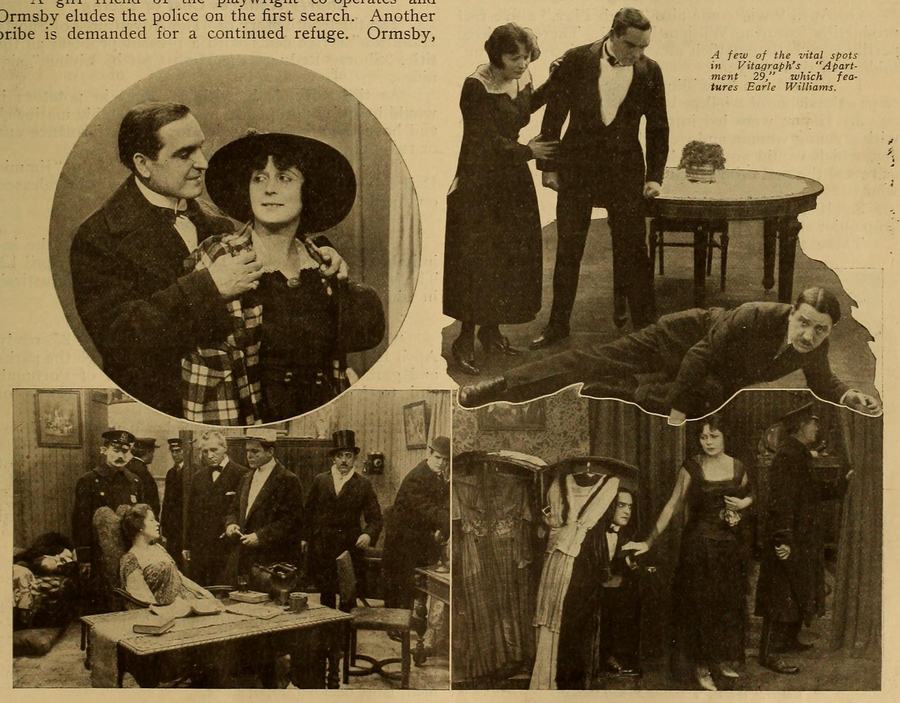
Just as Ormsby begins to hope for a reprieve, the playwright reveals another layer of his duplicity, demanding further bribes to maintain his silence and protection. This betrayal underscores the perilous nature of Ormsby’s alliances and the pervasive corruption that seems to infect every corner of his unfortunate night. It’s a stark reminder that in this world, trust is a commodity, and often, a costly one. The film effectively uses these moments of escalating betrayal to heighten Ormsby’s sense of isolation and desperation. His eventual escape from the apartment building with the 'girl' is a moment of fleeting triumph, only to be immediately shattered by a brutal encounter with a 'nest of thugs.' This sequence is a visceral reminder of the chaotic and dangerous world Ormsby has stumbled into, a stark contrast to the ordered, intellectual realm he once inhabited. The transition from the claustrophobic tension of the apartment to the raw violence of the street maintains the film's relentless pace and keeps the audience on edge. The sudden, ironic rescue by the very police who then promptly charge him with murder is a masterstroke of narrative design, a final, cruel twist that firmly plants Ormsby back in the jaws of the system he has been so desperately trying to evade. The cyclical nature of his misfortune, where every escape leads to a new entrapment, is a powerful dramatic device. This sense of inescapable doom, even when salvation seems near, echoes the relentless pursuit of justice (or injustice) seen in films like Exile, where characters often find themselves battling overwhelming odds.
Beyond Johnston’s central performance, the supporting cast contributes significantly to the film’s overall texture. Ethel Grey Terry, as the woman entangled in the initial quarrel and later the victim, delivers a performance that, while brief, is impactful, setting the tragic tone for Ormsby’s night. Earle Williams, as her husband, similarly grounds the initial crime in a relatable human drama. Denton Vane, as the conniving playwright, is a standout, embodying the opportunistic villainy that drives much of the narrative’s tension. His smarmy charm and cynical demands create a compelling antagonist, a mirror to Ormsby’s own previous moral failings as a critic. Billie Billings, as the enigmatic girl, adds a layer of mystery and potential redemption, her silent complicity and eventual assistance providing a flicker of hope amidst the pervasive gloom. The contributions of Frank Mason, Bernard Siegel, Victor A. Stewart, and Tommy Brett in their respective roles, though perhaps less prominent, are integral to building the immersive world of the film, populating it with believable figures who contribute to the escalating stakes. Edward J. Montagne’s writing, while dealing with familiar tropes of mistaken identity and a race against time, injects enough originality and character-driven conflict to keep the story fresh and engaging. The dialogue, where present, serves to advance the plot and reveal character, while the visual storytelling carries much of the narrative weight, a testament to the era's cinematic sensibilities.
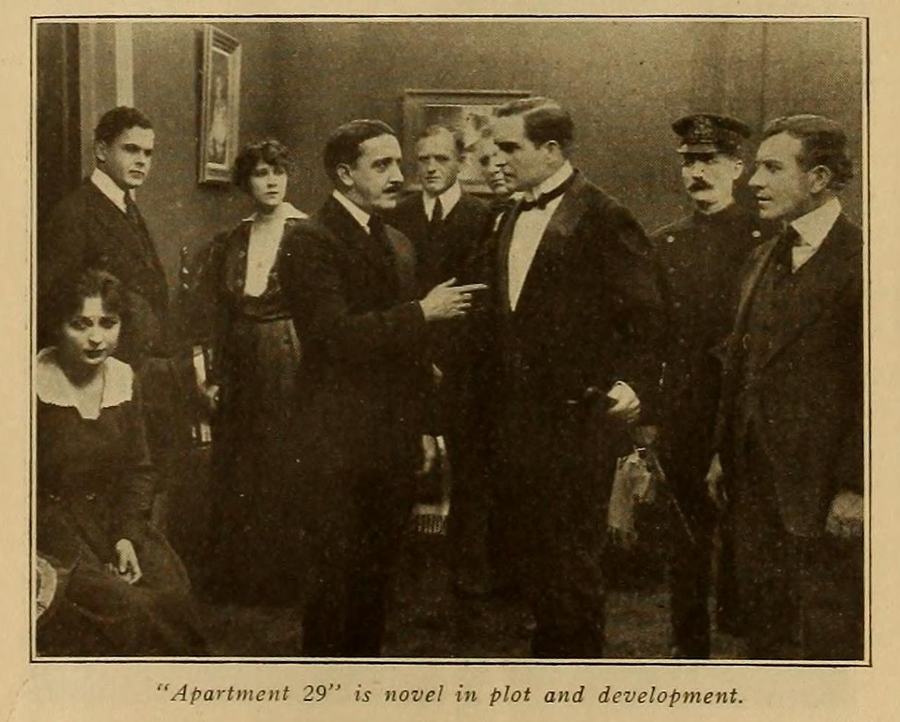
Apartment 29, despite its age, retains a potent thematic resonance. It’s a cautionary tale about the perils of judgment, the fragility of reputation, and the arbitrary nature of justice. Ormsby’s transformation from an arrogant intellectual to a desperate man fighting for his freedom is the film’s beating heart. The plot’s intricate twists and turns, while perhaps fantastical, serve to highlight the inherent absurdity of a system that can so easily condemn an innocent man based on circumstantial evidence. The film’s ending, described as 'winding up all right,' is a carefully crafted ambiguity. What does 'all right' truly mean for a man who has endured such a harrowing ordeal? Does he emerge unscathed, or forever altered by his brush with the abyss? This deliberate vagueness invites contemplation, leaving the audience to ponder the lasting psychological impact of his 'hair-raising experience.' It’s a film that, like a well-crafted play, doesn't necessarily offer easy answers but rather compels introspection. The psychological torment and physical ordeal Ormsby endures could be likened to the struggles against overwhelming forces depicted in Friday the 13th, not in genre, but in the sheer relentless pressure on the protagonist. Furthermore, the film's exploration of moral ambiguity and the price of survival under duress finds parallels in the more intense character examinations of films such as The Unborn, where characters are pushed to their limits by unforeseen circumstances.
In a cinematic landscape often dominated by grand spectacles and overt messaging, Apartment 29 stands as a compelling example of effective storytelling through a more intimate, character-driven lens. It’s a thriller that leverages its premise and its protagonist’s predicament to create a genuinely suspenseful and thought-provoking experience. The film's ability to maintain a high level of tension, coupled with its exploration of moral complexities, makes it a noteworthy entry in the annals of early cinema. For those who appreciate a narrative that meticulously builds a sense of dread and then skillfully unravels the life of its central figure, Apartment 29 offers a rewarding viewing. It reminds us that sometimes, the most dangerous critics aren't those who wield a pen, but those who find themselves caught in the very dramas they once so confidently judged. The film's underlying critique of societal judgment and the capriciousness of fate resonates, making it more than just a simple mystery; it's a profound commentary on the human condition when stripped bare of its usual pretenses.
IMDb —
1932
Community
Log in to comment.